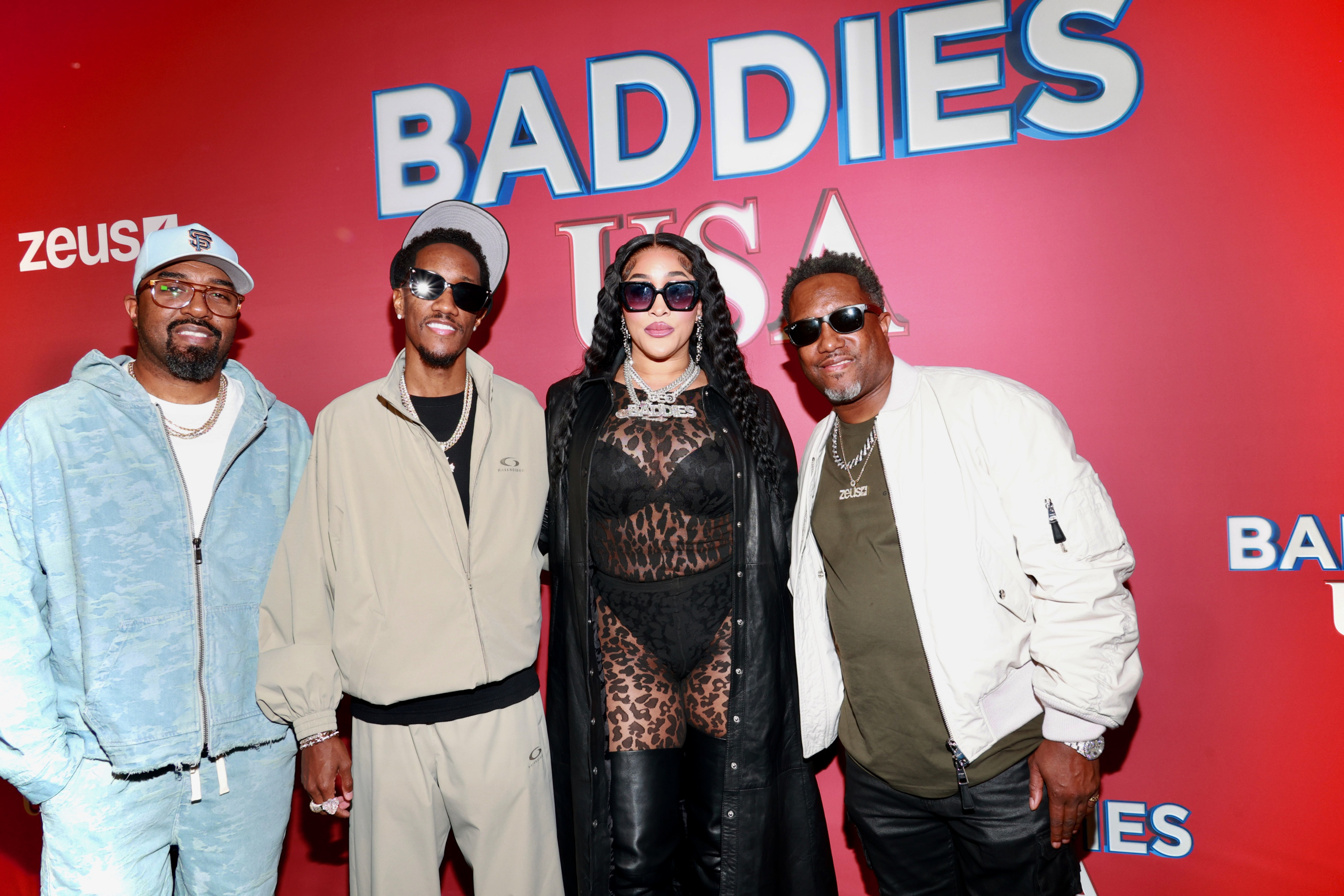
From Flavor of Love to Bad Girls Club, Black reality television has always understood something America pretends to debate every few years: conflict is the point, spectacle is the currency, and everyone knows they’re watching a performance—even when it claims to be real. That’s why the backlash surrounding Zeus Network’s Baddies reads less like genuine concern and more like a familiar moral panic. What’s unfolding on screen isn’t cultural collapse. It’s professionalized spectacle—closer to entertainment wrestling than reality TV—built for a 2020s media economy.
Baddies exists at the intersection of influencer economics, direct-to-consumer platforms, and a cultural appetite that rewards visibility even when it’s uncomfortable. For years, the franchise has been dismissed as disposable entertainment, yet it consistently pulls numbers, dominates social media discourse, and fuels real careers. It has become both a launchpad and a pressure cooker—one where visibility converts to money, and mess remains the currency.
That model works because Zeus works. The network operates within a growing ecosystem of niche streaming platforms that prioritize audience loyalty over advertiser comfort or mainstream approval. Untethered from traditional network constraints, Zeus has leaned into immediacy, controversy, and virality, building a subscription base through cultural intensity rather than mass appeal. In doing so, it has quietly reshaped how Black reality television operates in the streaming era.
The platform primed viewers for Baddies, which debuted in 2021 as Baddies ATL. That first season leaned heavily on nostalgia, pulling from Bad Girls Club alumni with Tanisha Thomas serving as co-executive producer alongside Natalie Nunn. It functioned as proof of concept rather than a fully formed franchise. What followed—Baddies West, East, Caribbean, Midwest, Africa, and now Baddies USA—was escalation as strategy. Longer intros doubled as city tourism reels. Confessionals leaned into offbeat humor. The rotating cast cycled through recognizable archetypes: heavy hitters, firecrackers, comic relief. Together, they built what now resembles a full-fledged Baddies Cinematic Universe.
That impact has extended well beyond Zeus. Phrases like “Baddie Baddie Shot o’Clock” and earning a “baddies chain” have become cultural shorthand, referenced everywhere from celebrity press runs to fashion magazine captions. For a franchise so often dismissed, Baddies has done what few reality shows manage: transcend its platform, anchor a network, and become a self-sustaining ecosystem.
After speaking with Nunn—the architect of the franchise—and Diamond The Body, one of its most visible beneficiaries, it became clear that Baddies exists less as cultural recycling and more as survival. Nunn is explicit that the show did not emerge from nostalgia, but from institutional abandonment. When networks moved on from women-centered reality programming, former stars were left cycling through short-term gigs and spin-offs just to remain visible. “It was like continuously looking for a job,” she told EBONY. “That got really tiring.”
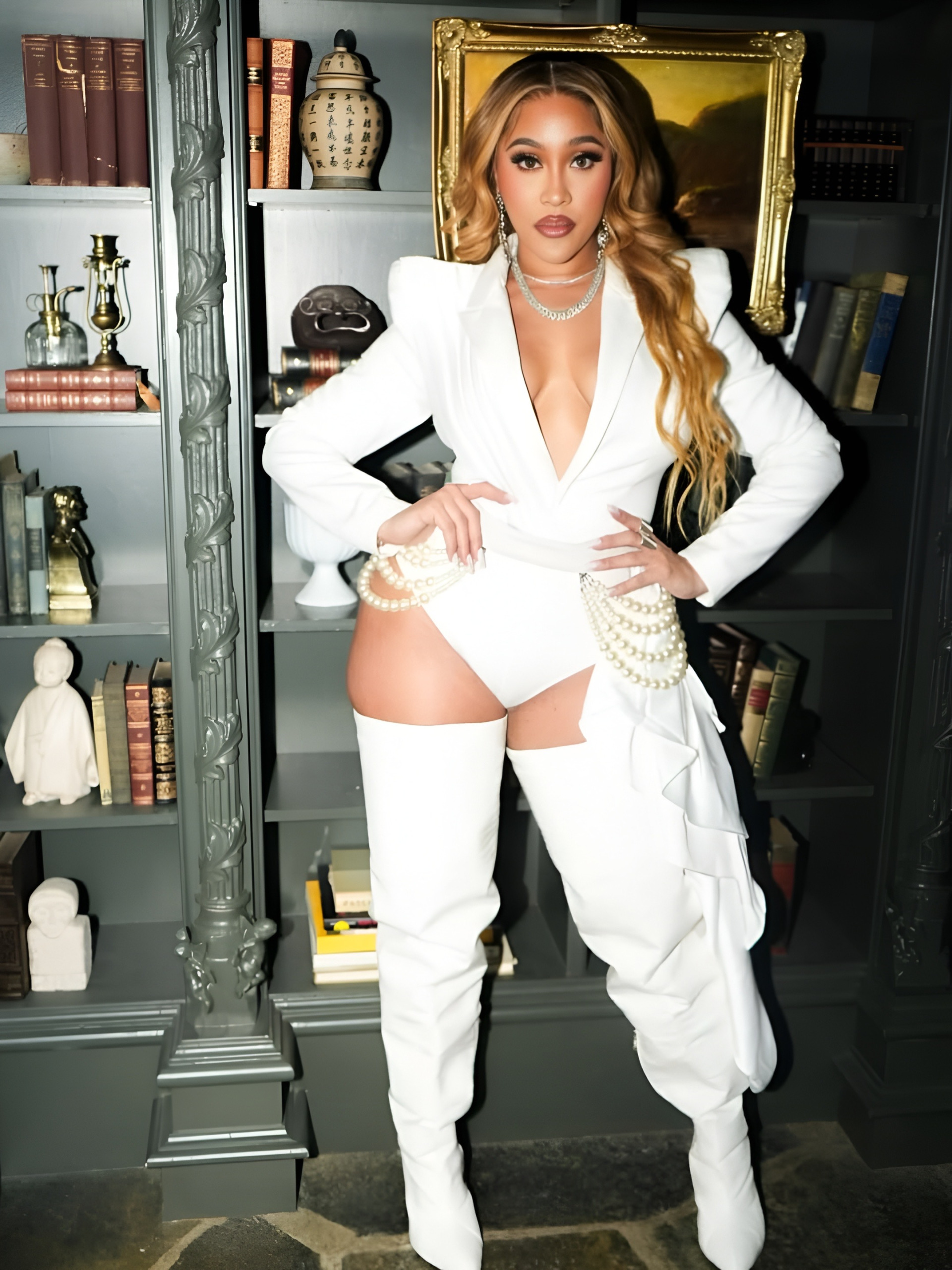
Her initial instinct wasn’t television at all, but ownership. Nunn began calling former cast members, rented a house in Atlanta, and shot proof-of-concept content with plans to release it independently. Zeus approached the project not as a reboot, but as a test of dormant audience loyalty. The numbers delivered. In that framing, Zeus becomes less a chaotic disruptor and more a strategic partner willing to bet on an audience legacy mainstream television had already written off.
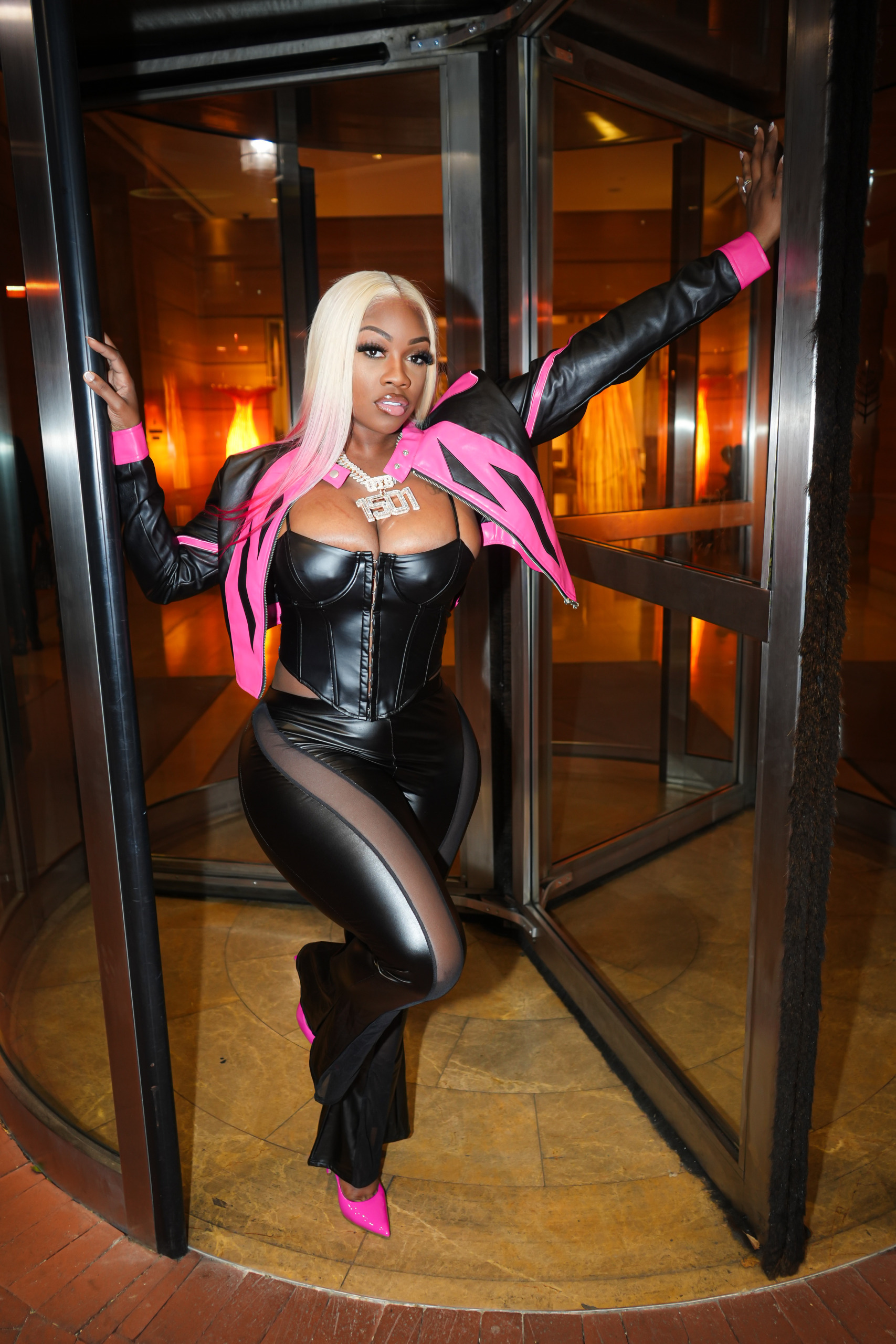
For Diamond The Body, a rapper who joined the cast after appearing on smaller platforms, the logic was straightforward. “My initial reason for doing reality TV was always to promote my music,” she said. “It’s not enough to just make music anymore. You have to be an artist. You have to be an influencer.” Watching other women leverage Zeus’ visibility into bookings, brand deals, and touring opportunities, Diamond made a calculated decision. “I figured, let me go on there, get the spotlight, and transfer everybody over to my music. And that’s exactly what I did.”
Both women agree on the mechanics. Where tension emerges is in how the cost of that visibility is absorbed. Behind viral fame is a less glamorous reality: money moves quickly, and disappears just as fast. Nunn points to financial illiteracy as one of the franchise’s biggest vulnerabilities. She recalls moments when cast members turned down lucrative appearances because the number didn’t feel high enough. “There were years when we had nothing,” she said. That memory shapes how she moves—and how she attempts to guide women who often arrive at success faster than they’re prepared for.
That dynamic has positioned Nunn as more than on-screen talent. She functions as executive producer, talent manager, and crisis handler, often simultaneously. “When something goes wrong, they call me,” she said. Over time, the weight of that responsibility became unsustainable. Nunn admits she stepped back this season after mounting exhaustion, describing the constant mediation, daily calls, and perpetual villain narrative as draining.
For Diamond, the labor becomes most visible during confessionals. “That’s when it really feels like a job,” she said. “Lights, camera, action.” Filming also surfaced something unexpected: social anxiety. Being placed in a house with strangers under constant observation triggered withdrawal that was often misread as attitude. The pressure of Baddies doesn’t just reward the loudest personalities—it reveals things people didn’t yet have language for.
Criticism of the franchise often centers on violence, particularly whether the show empowers Black women or exploits them. Both Nunn and Diamond compare it to wrestling—constructed conflict governed by rules, contracts, and limits. Nunn pushes back against the idea that violence is casually encouraged, noting that authenticity itself becomes labor when women are required to fight on camera and then immediately pivot into touring, hosting, and performing for ticket-buying audiences.
The show ultimately functions as a mirror, reflecting not just a niche version of Black womanhood, but America’s enduring appetite for spectacle. “They’re not watching because they hate us,” Nunn said. “They’re watching because they relate. Or they want to.” College campuses have even begun examining Baddies as a media business rather than a guilty pleasure.
Over time, the franchise has expanded into live tours, venue partnerships, and music, transforming cast members into performers rather than personalities. Music became infrastructure. What began as promotional tracks turned into demand, prompting Nunn to launch her own label rather than rely on traditional industry pipelines. The franchise logic is clear: rotating casts, spinoffs, touring, merchandise. Characters evolve. The brand endures.
Nunn rejects the idea that Baddies represents mindless exploitation. To her, much of the criticism feels rooted in respectability politics—punishing Black women for public conflict while ignoring how spectacle operates everywhere else in pop culture. Baddies exists where opportunity and risk overlap, where chaos becomes currency and visibility reshapes lives.
No, I don’t watch Baddies under the illusion that it offers moral instruction. I watch it because it is constructed entertainment that understands the language it’s speaking—and because it’s effective. The more interesting question isn’t whether Baddies is “good” or “bad,” but why so many of us keep watching anyway.