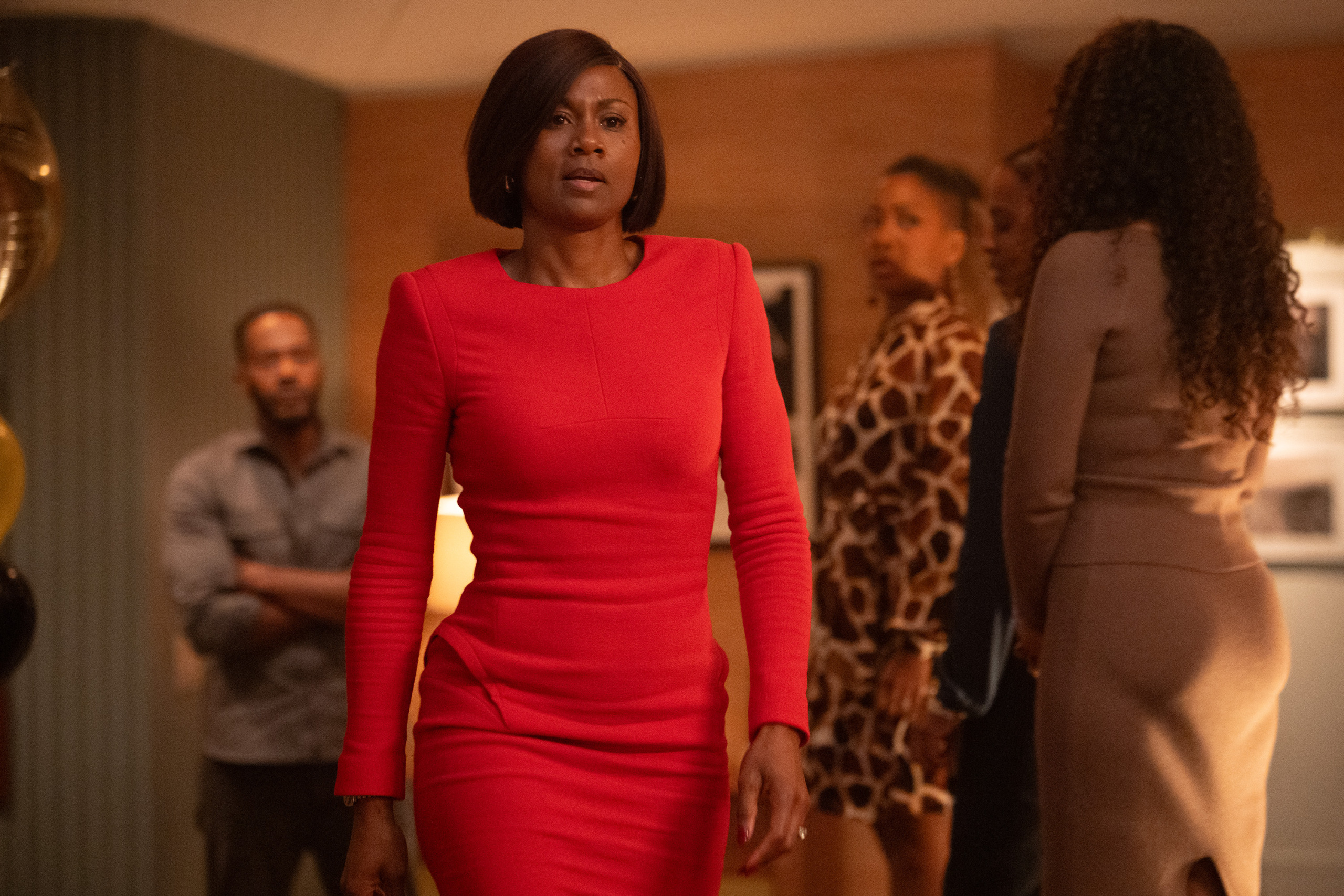
For four seasons of Reasonable Doubt, we have watched Jax Stewart be a bad ass, successful Black woman that takes everything on the chin. Similar to most Black women, she has managed to push through so much trauma in the midst of being a rock for her family and friends. As viewers, we have had a front row seat watching Jax unravel and get caught up in the continuous cycle of enduring tough circumstances. Now, the chickens have come home to roost. And there’s a heavy presence of online conversations disavowing the storyline of Jax’s addiction and wishing the show would wrap up the narrative sooner rather than later.
But the truth of the matter is that this evolution of the story is a natural progression of where Jax’s endured traumas have led her. Yes, she was shot but let us not forget the slew of other tragedies she’s faced throughout the series. Point and reason, this storyline is neither random or unnecessary, it’s a hard truth that is forcing us to reckon with what could happen when you combine ignoring the impact of traumatic events and the belief that vulnerability is for everyone except you.
Jax didn’t get here overnight
Let’s recap a bit of what Jax has experienced over the course of the 37 episodes we’ve known her. In season one she was dealing with a marital breakdown, reliving the trauma of being groomed and sexually assaulted by her alcoholic step father, was kidnapped by a lover she cared for deeply, which ended in with him committing suicide in front of her. Season two gave her a few months to cope, until she had to jump back into work to save her best friend’s life while realizing she was physically abused for years, right under her nose – oh, and her husband got his one night stand pregnant then the baby died. Season three, she ended up personally invested in her client Ozzie’s life, just for him to overdose in her house. In the aftermath of Ozzie’s death, she was shot by the woman who molested him.
That is more than three people can stand to endure, let alone one woman.
Now, Jax is trying to get back to “herself” or whatever is closest while carrying the load of her pain and trauma. While that isn’t an excuse for the pill addiction, it’s a look inside the series of events that have expectedly taken its toll. And of surprise to no one, Jax is tired of feeling the brunt of the pain.
Addiction has many forms, the Black community isn’t excluded
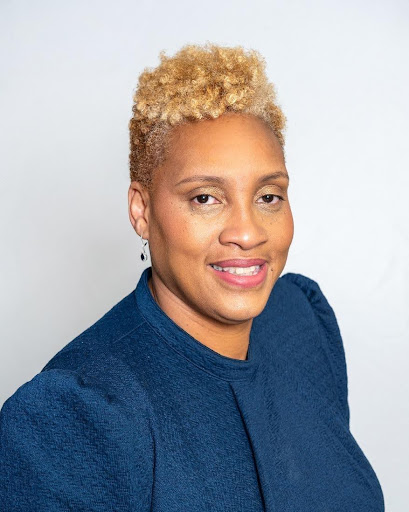
One of the many misconceptions about Black women, Black people, and the way addiction manifests for us is that it looks a certain way. Saeeda Dunston, CEO of Elmcor, a 60-year-old Queens, NY-based organization dedicated to identifying and addressing the needs of the community, but particularly people with a substance use disorder has a more nuanced take.
“We associate substance use disorders with a particular look, a particular socioeconomic feel, [and] a particular kind of rock bottom. All human beings are at risk of abusing or using and misusing substances, especially because all human beings do experience levels of trauma. And every time you experience a trauma, it changes the makeup of your brain. So, you try to medicate or, get your brain to calm down from what it’s experiencing. It’s not abnormal,” Dunston told EBONY.
She also shared pieces of her own experience with her father. He had a severe alcohol use disorder, and found himself in a very similar circumstance as Jax; high functioning. People who suffer from substance abuse disorders and are high functioning often find the most difficulty reckoning with needing treatment, because when everything looks good it’s nearly impossible to consider the alternative. However, according to a recent report published by Elmcor the numbers tell a story worth examining.
The report states that, “Between 2019 and 2021, opioid overdose deaths among Black Americans rose by 77%. Today, drug overdose is the leading cause of preventable death for Black adults, surpassing gun violence and car accidents.” That is a hard statistic to grapple with but it only further solidifies the point that drug addiction is a problem we cannot ignore. Pretending that it doesn’t exist, or limiting our perspective of what we think it traditionally looks like doesn’t help to address the issue at hand. People are suffering and dying.
Wrapping up the storyline robs us of reality
Where we’ve arrived in Jax’s story is the result of what happens when the person everyone expects to keep it together needs help. We cannot and should not wrap this up for the sake of dodging stigmas that are rooted in racism, misogynoir, and general discomfort. This is an eye opening example of art imitating life so closely that it’s rattling us collectively.
Dunston brought up a revealing question I hadn’t considered prior to our conversation: Did anyone ask for Ozzie’s story to be wrapped up when we watched him struggle? The short answer is no.
The more painful answer is that Ozzie received our pity when a lot of his pain can be seen in what Jax has also endured: sexual abuse and the responsibility of prioritizing the needs of everyone else. It’s often more intense for Black women. There’s more intolerance of seeing one of us struggle, even from us specifically. That’s how we were ingrained to think.
“One of the things that we have to respect about ourselves as black women, is we have to reclaim our ability to be vulnerable human beings – and it just simply be okay,” Dunston said. “We have to do that for ourselves and for each other and actually mean it.”
The intervention of it all
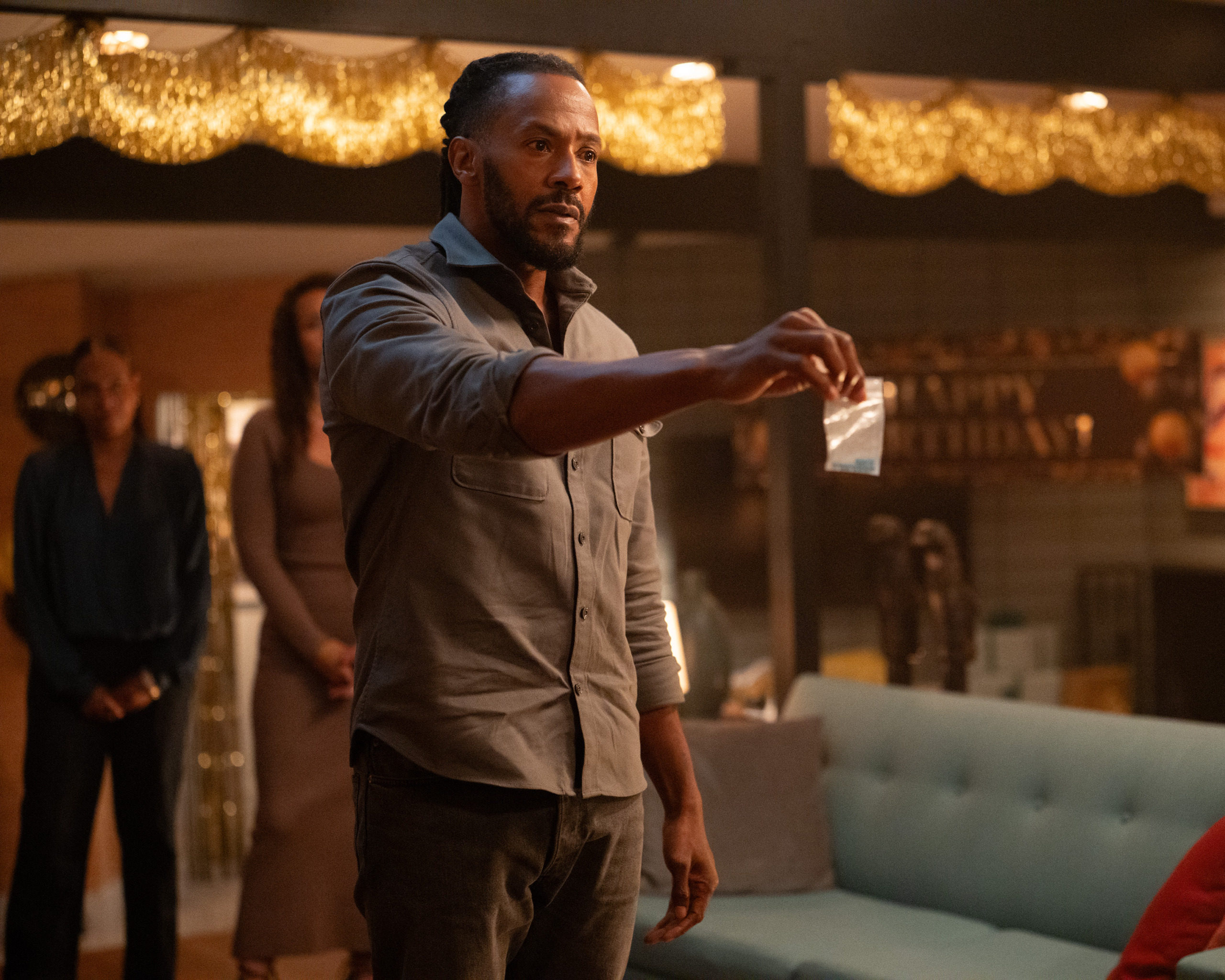
By now, most of us saw how the intervention unfolded. The characters put on a performance that entranced me, probably even you. But this is only the beginning and much of what we unpacked earlier played out in the seventh episode, appropriately entitled “Soon You’ll Understand.” Every person that matters most in Jax’s life watched as nearly everything she’s been struggling with was put on the floor. To say the intervention was ugly is an understatement, but in order for Jax’s character to rebuild on a solid foundation rock bottom was inevitable.
Now, we wait. As viewers and true supporters of the show we have to see what else is in store for us. But in the midst of waiting and watching, let’s keep in mind that grace is the least we can offer Jax, Black women, and people who find themselves battling a substance abuse disorder. So far, Reasonable Doubt has not let us down. It’s vital to remember that as we allow artists the space needed to emphasize what we’ve likely been hiding from ourselves.