“When I dare to be powerful – to use my strength in the service of my vision, then it becomes less and less important whether I am afraid.”
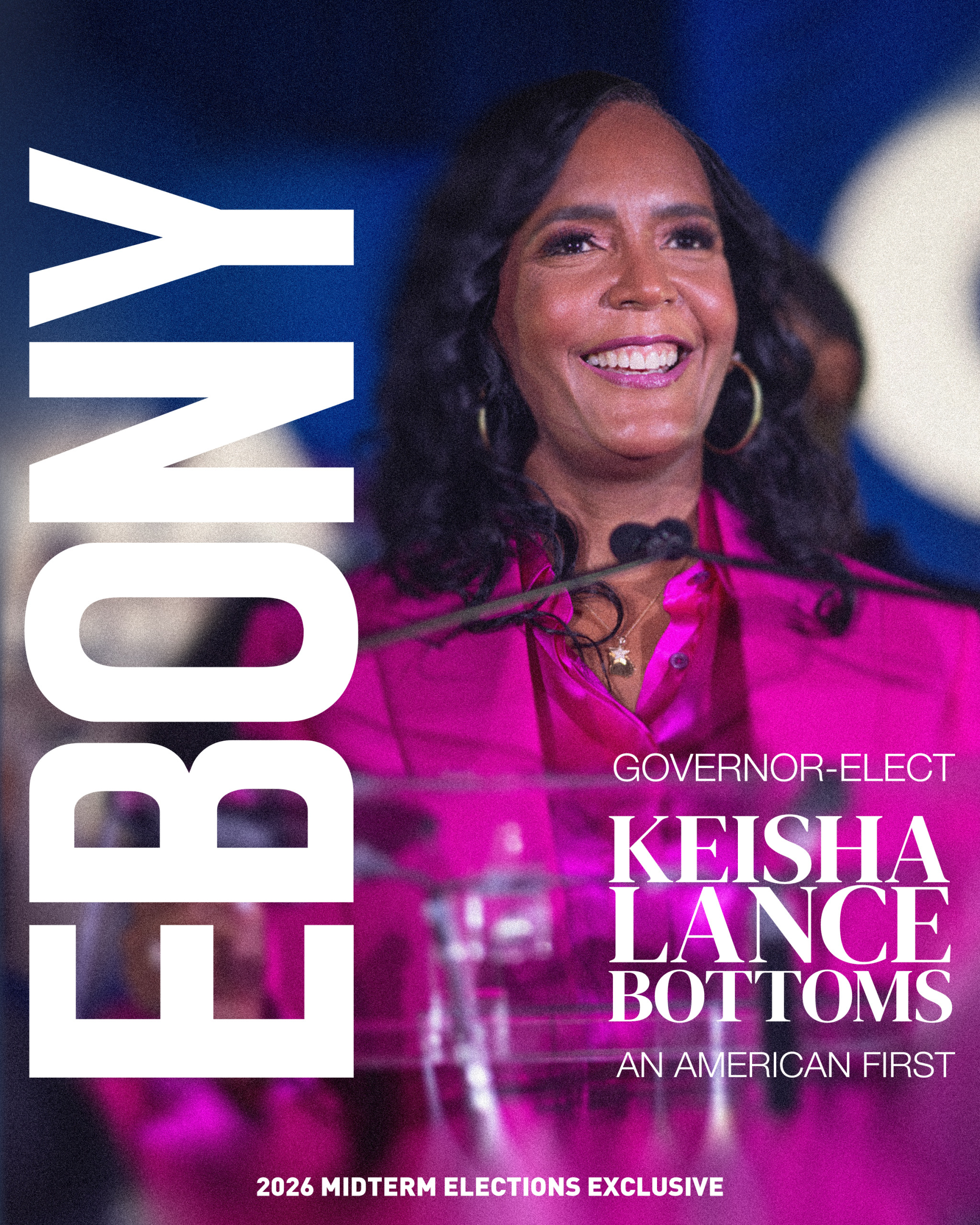
When this quote was written in Audre Lorde’s Sister Outsider, the type of history America experienced on November 3, 2026 had yet to be made. However, if you are reading this now, you’ve likely now entered a timeline where we’ve witnessed the rise of a Black president, vice president and now a Black woman elected governor.
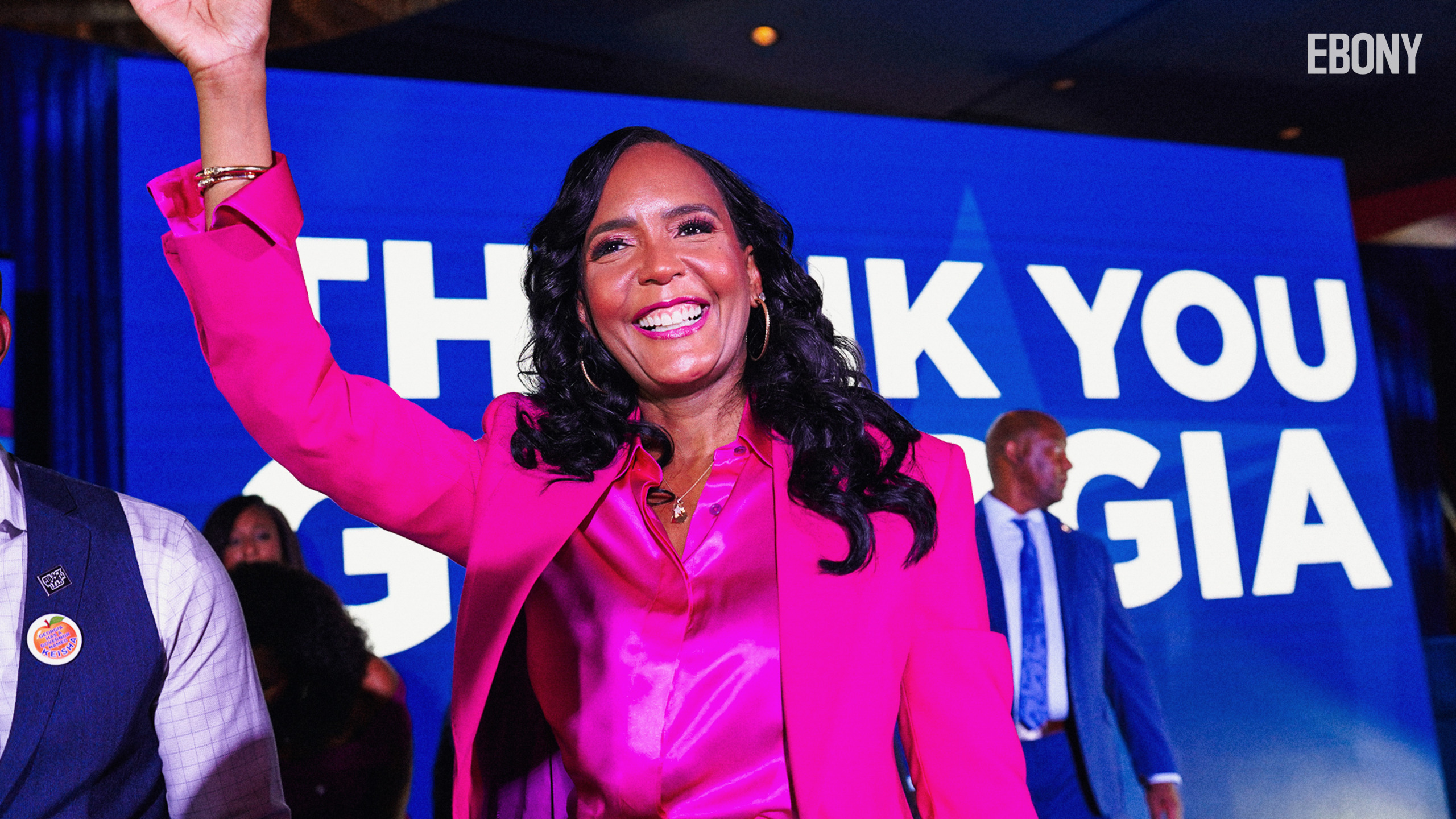
On this date, Keisha Lance Bottoms defeated Rick Jackson in the 2026 midterm elections, becoming the first Black woman elected governor of a U.S. state and the first Democrat to hold the office in Georgia in approximately 24 years.
Nothing is coincidental in this moment.
Each record-breaking vote cast, each stirring speech delivered and each outcome was evidence of a coalition that refused to be written off. Not only did we see a “blue wave” sweep the country this midterm election cycle, but we also saw a bevy of historic firsts across the board — the first openly gay man elected to the Senate, the first Black Republican governor in Florida, and in Georgia, a sweep of every statewide executive office.
Above all — arguably, the most powerful woman in American right now’s name is Keisha; a name of great affection and cultural relevance in our community. A name that reflects the kindred bond of sisters and friends whose love covered us. It’s so prevalent that it will forever go down in infamy as a colloquialism that symbolizes the presence of any Black girl and woman at any given time. Although, in 2026, it is still surreal that these firsts are still being made, they are still so crucial. This source of representation still carries weight for the Keishas of the past, the ones claiming space today and those who are yet to come.
In the day and a half since the results broke, there has been an almost immediate sigh of relief. It was as if room had finally been made for progress and justice for the first time in a long time. She stands on the shoulders of believers who had faith that she was duly prepared to step up to the plate for such a time as this.
Power, in this moment, is not the title. It is the inheritance: the 92 percent who stood ten toes down on what is right and fair, the members of Delta Sigma Theta Sorority, Incorporated, who have organized for over a century, the groundwork Stacey Abrams laid race after race so that the path could be walked. Being the first Black woman elected governor in American history is not so much a personal triumph as it is a debt repaid and a responsibility accepted: the seat exists because generations of Black women did the work long before there was a seat to claim. Even if this office was never the destination for Lance Bottoms— it was always meant to be a doorway that stays open behind her.
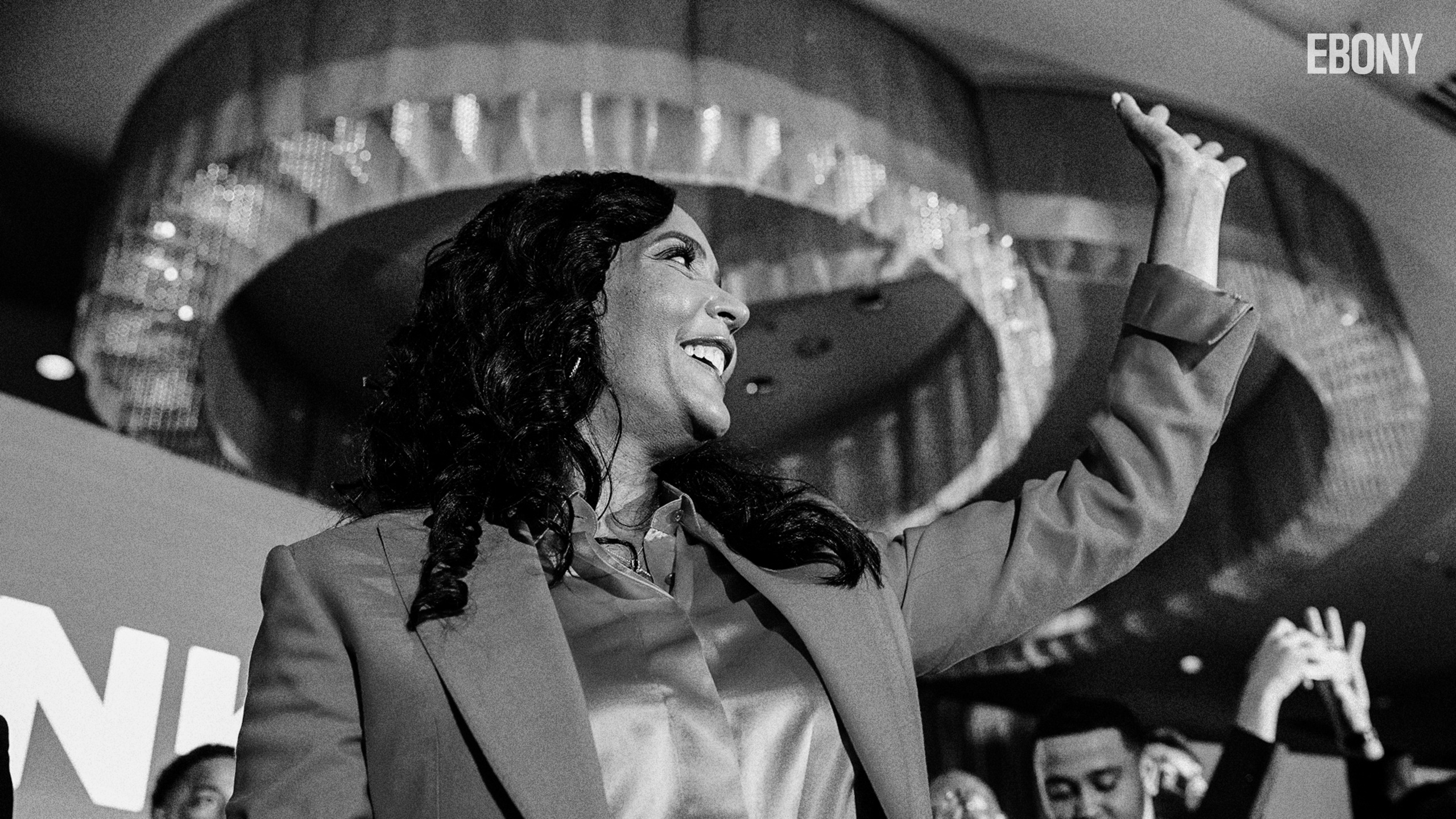
To the Gen Z, millennial and historically disenfranchised voters who turned out and turned the tide, the one thing not to forget is that their voices were never the problem — the barriers were, and this cycle proved those barriers can be broken. That is both the promise and the accountability: not gratitude offered once and then set aside, but a record in Georgia that reflects the people who took a chance on it. The excitement is well earned. So for now, we rejoice and celebrate. However, there is full knowledge that the real work continues in the proverbial morning.
EBONY secured the first written interview with Governor-Elect Lance Bottoms in the hours after her historic win as she imagines what the future holds for the state of Georgia and herself.
EBONY: You have served as a judge, Mayor of Atlanta, and senior adviser to the President of the United States. Now, you are the first Black woman elected governor of a U.S. state. In these first hours since your victory, what does power mean to you and what responsibility comes with it?
Governor-Elect Keisha Lance Bottoms: I am thinking about the distance between the lives my ancestors were allowed to imagine and the responsibility Georgians have now entrusted to me. I do not take that lightly. Power means being able to do something about the things that keep people awake at night. Whether they can afford to see a doctor. Whether their children are safe. Whether another year of hard work will finally leave them with something more than bills. I have held different titles, but the responsibility has always been to remember the person on the other side of a decision. Someone has to live with what you sign, what you fund, what you protect, and what you allow to go unanswered.
I am deeply proud to be the first Black woman elected governor of an American state. I also know that people need more from me than a place in history. They need a governor who will show up, make difficult decisions, and do the work. That is the responsibility I am preparing to carry.
Your Georgia roots run generations deep. What did your family and the communities that raised you teach you about leadership, and how did those lessons shape the woman Georgians have now elected governor?
My family’s story in Georgia reaches back at least five generations, including ancestors who were enslaved here. When I think about that history, I think about people whose names may never appear in a textbook, but whose lives made mine possible. I come from people who kept going with very little assurance of what tomorrow would bring. Their perseverance is part of my inheritance. So is the understanding that whatever opportunity you receive carries an obligation to someone beyond yourself. My family and my community taught me to work hard, to treat people with dignity and respect, and to remember where I came from. Those lessons and principles have stayed with me in every room I have entered.
Georgia is home. Its history is personal to me. Its possibilities are personal to me. And now I have the extraordinary responsibility of helping shape its future. I want to do that in a way that honors the people who came before me and expands what is possible for the children and future generations coming behind me.
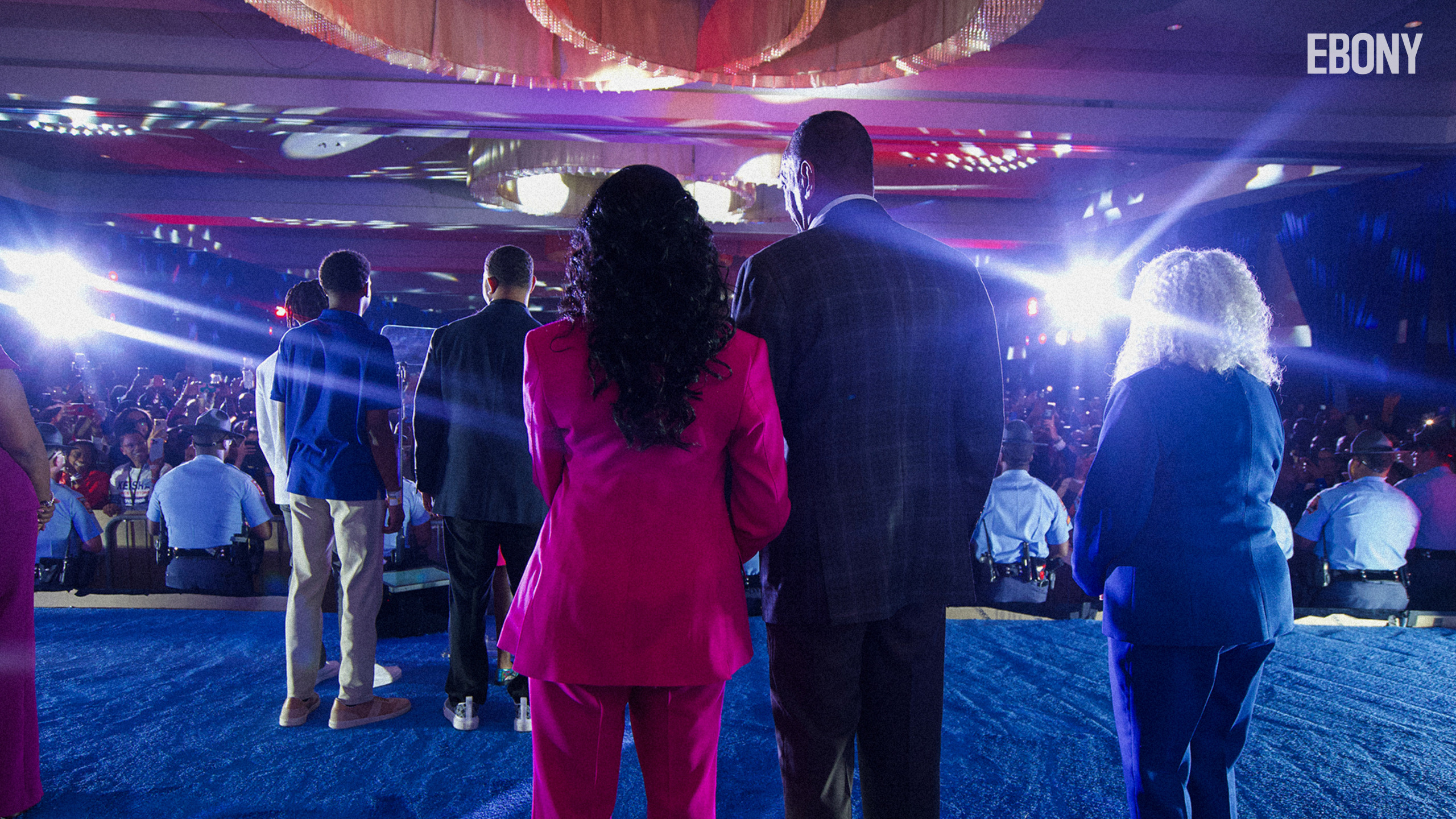
What is the defining promise you are making to Georgians and what will fulfilling that promise look like in their everyday lives?
My promise is that the everyday lives of Georgians will guide the committed work of my administration. People are working hard and still wondering how they will afford groceries, housing, childcare, or a prescription. They deserve a government that understands the urgency of those concerns and acts with that same urgency.
That means working to expand Medicaid so more people can get care. It means pursuing more affordable housing and giving children access to a strong start through pre-K. It means listening to communities across this state and making sure their needs are reflected in our decisions. Fulfilling that promise will look like a parent getting care before an illness becomes an emergency. A family having more room in its budget. A child walking into a classroom prepared to learn.
Some of this work will require legislation, negotiation, and persistence. I will be honest about that. Georgians should know what we are working toward, where we are making progress, and where we have more to do. They have entrusted me with this office. I intend to respect that trust every single day.
Throughout this campaign, you asked people to believe in your leadership and in what Georgia could become. What do you believe you understood about Georgians that helped you earn their trust?
I understood that people wanted to be heard, and they wanted to know that what they were telling me would matter after Election Day. Across Georgia, people have different experiences and different political beliefs. But so many of the concerns they shared were deeply familiar: caring for an aging parent, finding a home they could afford, keeping a business open, giving their children a better chance. I took those concerns seriously because I know that behind every issue is a person trying to make a life. I also trusted Georgians enough to be myself. I brought my personal experience, my convictions, and my humanity to this campaign. I was willing to answer difficult questions and explain why I believed I was prepared to lead.
The trust they have given me is profoundly moving. And it creates an obligation to keep listening, especially when the election is over and the decisions become harder. I want people to recognize the woman they elected in the governor who serves them.
You have led through crises at the city level and served as a senior advisor to the president. What has that experience taught you about making difficult decisions, bringing people together, and delivering results and how will you apply those lessons as governor?
Leading through a crisis teaches you very quickly that you cannot wait for a perfect set of circumstances to do what people need. As mayor, I had to make decisions when information was changing, emotions were high, and the consequences were immediate. Serving as a senior adviser to the president gave me another perspective on how decisions move through government and reach communities.
Those experiences taught me to listen carefully, ask difficult questions, and bring people into the room who will tell me what I need to hear. They also taught me that, after you have listened, you must be willing to decide and take responsibility for that decision. As governor, I will work with people who see things differently. Finding common ground requires patience and preparation. It also requires being clear about your principles and the people you are there to serve.
There will be difficult days. I know that from experience. I will bring steadiness, honesty, and a willingness to keep working through the problem. Georgians deserve to know that their governor will be present when it matters most.
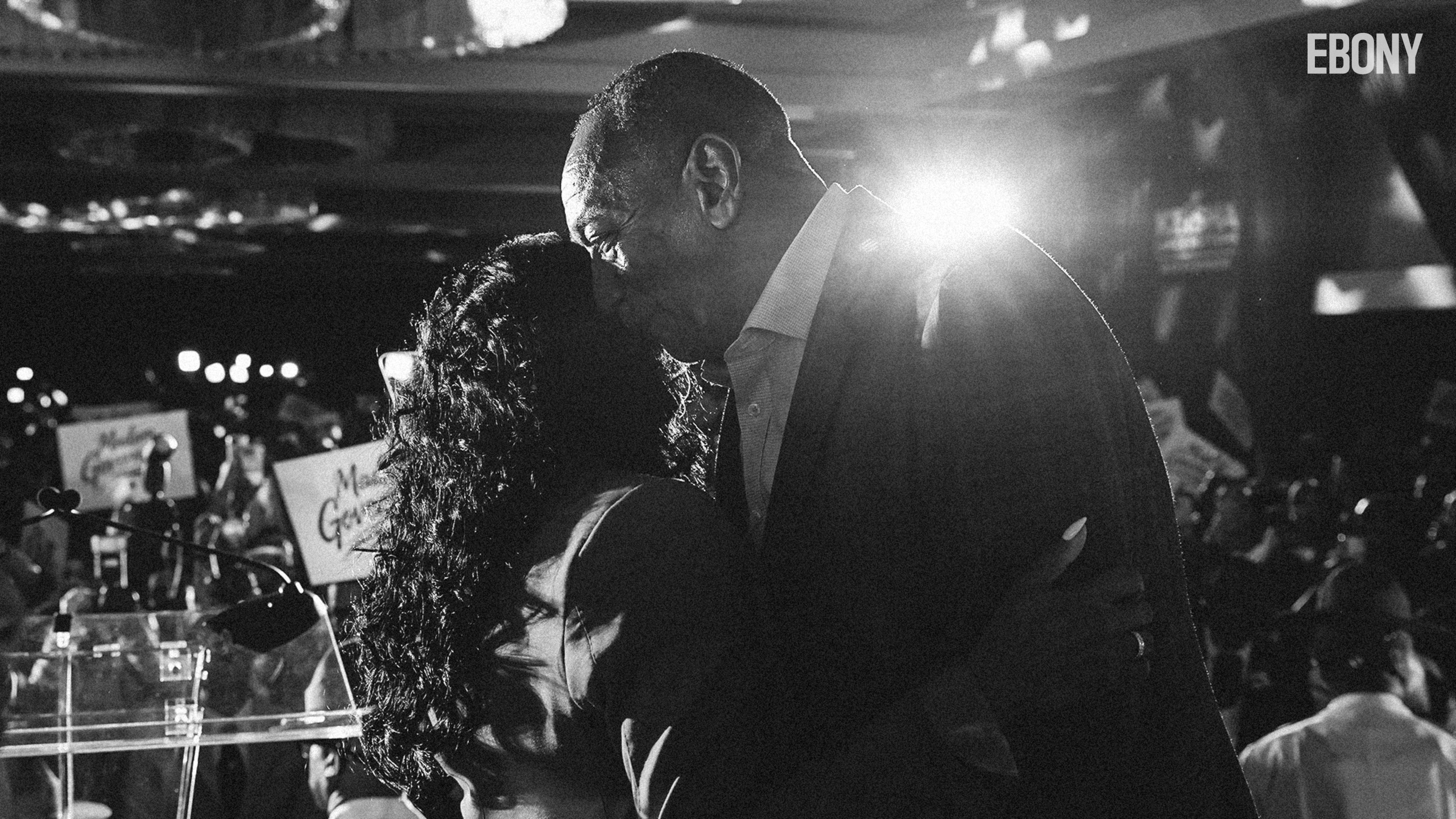
Your victory has drawn attention far beyond Georgia. As you prepare to govern, what do you want the country and the world to understand about your vision and the role Georgia can play in shaping the future?
I hope people looking at Georgia see a state with the courage to imagine its future and the talent to build it. I understand why this election has moved people beyond our borders. There is something powerful about seeing a barrier fall that has stood for generations. I hope a little girl watching, wherever she lives, allows herself to imagine something larger for her own life. My responsibility now is to turn the possibilities of this moment into the work of governing. I want Georgia to be a place where people can build a business, pursue an education, raise a family, and grow older with dignity. I want the opportunities that draw attention to our state to reach the people who already call it home. We have something to contribute to the country and to the world: our ideas, our creativity, our enterprise, and our experience. As governor, I want to help turn those strengths into lasting opportunity.
I am grateful that the entire world is watching and that people here in Georgia, across America, and on every continent are celebrating this moment and rooting for what comes next. Georgia is my home, and serving its people is the honor of my lifetime. My focus will be on giving Georgians reason to be proud of what they see and the world a reason to look to Georgia for what is possible.