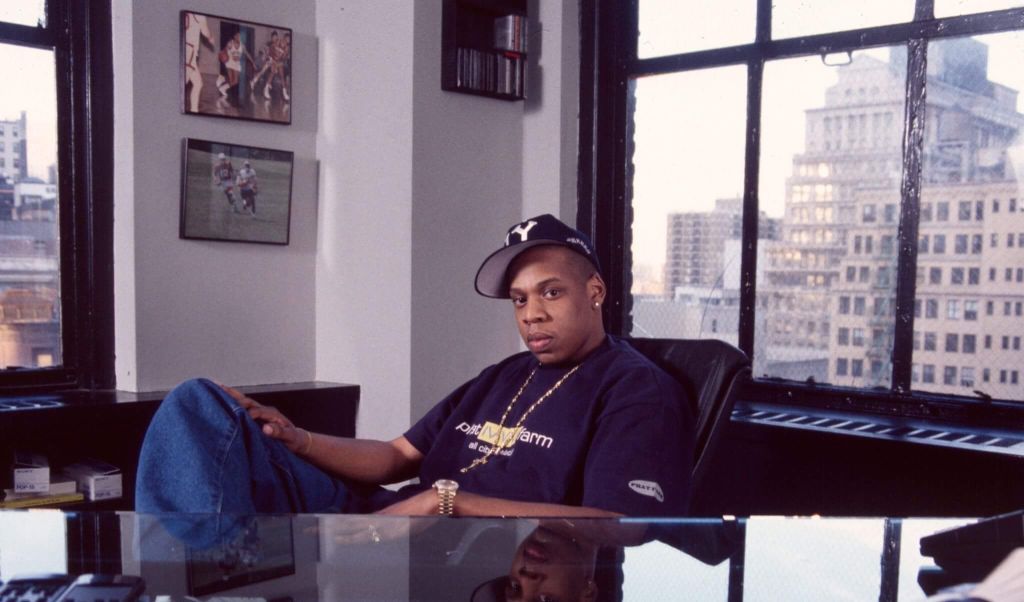
In hip-hop, independence is more than an attitude. It is a sustained business model. When traditional channels shut artists out, they built music labels, touring companies, media platforms, and brands that attracted audiences of their own. Jay-Z’s career shows how far that strategy can go. Before declaring, “I’m not a businessman. I’m a business, man,” he built ventures to make the claim real. His success is often measured through deals and the numbers that define them; after all, “men lie, women lie, numbers don’t.”
Over time, some of his businesses grew, while others shifted through sales or took a new direction. Together, this duality offers an authentic reality, rather than a story of triumph without trials. His journey reflects that business is a sustained series of decisions about ownership, timing, collaborators, calculated risks and how to pivot when opportunity changes shape.
Hip-Hop has always made entrepreneurship visible. Artists have turned community, language and style into brands, while challenging an industry that has often profited from their creativity. On “Izzo (H.O.V.A.),” Jay-Z mentions the Cold Crush Brothers and urges labels to “pay us like you owe us,” highlighting hip-hop’s fight for fair compensation. His career is also a story of leverage. The lessons that follow are not a blueprint for becoming Jay-Z. Instead, they examine decisions that built his influence beyond the mic, and those decisions are ones that entrepreneurs and creatives can apply on their own terms.
Build your own stage when the ones that exist won’t make room for you
In 1994, Roc-A-Fella Records gave Jay-Z a launchpad to release his debut album, Reasonable Doubt, at a time when major labels rejected him. Co-founded by Damon “Dame” Dash and Kareem “Biggs” Burke, the three helped Jay-Z usher into uncharted precedence, as Roc-A-Fella’s CEO and Most Valuable Player.
The lesson: Solve the distribution problem with the resources you have, even if it means building the platform’s infrastructure yourself.
Equity in the product is just as important as the product itself
Launched in 1999, Rocawear expanded the Roc-A-Fella brand into fashion. In its peak, the clothing brand generated $700 million in annual retail sales. In 2007, Jay-Z sold Rocawear’s intellectual property (IP) rights to Iconix Brand Group for $204 million in cash, with up to $35 million more in Iconix stock tied to performance. In 2019, Jay-Z fully repurchased the IP rights to Rocawear for $15 million as part of a settlement in a lawsuit with Iconix.
The lesson: Build a brand that can scale beyond personal notoriety, and protect the rights you may need to create what comes next
Protect the rights of residual earnings
Jay-Z negotiated for the return of his master recordings and publishing rights back in 2014. In what he described as a “fight of my life,” during an 2023 interview with CBS’ Gayle King, he says he wanted his kid to see and own his work. The sale of it is up to them. When the Brooklyn mogul became head honcho at Def Jam from 2004-2007, the negotiation of his masters was a part of the deal.
The lesson: Understand length, obligation, money and ownership (LOMO) in
Use credibility to create opportunities in adjacent industries
Roc Nation evolved from a music label, artist management and touring company to music publishing, sports and brand partnerships. By connecting artists and athletes with management and brand deal opportunities, Roc Nation helped turn cultural influence into real business value. The expansion showed how a company can use its expertise and relationships in one industry to create opportunities across many.
The lesson: Expand in areas where your reputation and skills solve a legit problem.
Partner for expertise or the reach you don’t have
Jay-Z’s business ventures consistently show the value in exceptional partnerships. Deals with Live Nation, LVMH, Bacardi, PUMA, the NFL and Block (formerly Square), have paired the Marcy mogul’s brand and cultural reach with companies that had scale or a set infrastructure in a different industry.
The lesson: A strong partner can accelerate growth, but the terms determine how much value you keep.
Specifically define the brands you create
Both Armand de Brignac (Ace of Spades) and D’USSÉ were marketed and positioned as premium spirits with distinct identities. Armand presents peak luxury, exclusivity and high-class celebration in the champagne and spirit space. D’USSÉ presents a distinct, unconventional spirits experience to Cognac aficionados worldwide.
The lesson: A brand needs a clear objective and audience, not just a famous name attached to it.
Cultural insight is a business advantage
Jay-Z’s business ventures often reflected his understanding of what audiences value, from music and fashion, to sports and nightlife. Rocawear guided the Roc-A-Fella brand into fashion. The 40/40 Club brought his sports and entertainment sensibility to nightlife, while Roc Nation’s NFL partnership brought its understanding of music and its audiences to show the future of the league’s live entertainment strategy. In each case, cultural insight shaped the concepts, strategy, effective execution and aligned business partners created a lasting business.
The lesson: Cultural fluency can help to identify demand, but it must be matched with precise execution.
Build with trusted collaborators
Roc Nation was built with longtime partners and experienced executives. As Chairman of Roc Nation, Jay-Z co-founded the company in 2008 alongside Desiree Perez (CEO), Jay Brown (Vice Chairman), Juan Perez (President of Roc Nation Sports, and Tyran “Ty Ty” Smith (President of A&R). Under their leadership, the company has become a driving force behind entertainment’s most cultural moments.
The lesson: Choose partners and collaborators based on complementary strengths, shared standards and trust.
Think beyond the first transaction
Jay-Z shows that a business sale can take different forms. In 2007, he sold Rocawear to Iconix Brand Group, with performance based stock options. In 2021, Block, Inc. (previously Square) purchased his music streaming service, TIDAL, with Jay-Z taking a board seat at Block. That same year he sold half of Armand de Brignac to LVMH, and in 2023 Bacardi acquired a majority stake in D’USSÉ. Those moves brought in powerful industry partners while allowing him to retain interest in the brands.
The lesson: Evaluate business ventures by the returns, what you retain and the next opportunities it creates.
Build for longevity
Roc Nation’s impact shows the creation of systems that can support talent, brands and new opportunities over time. Each new division can create more ways for clients to develop their careers. This method gives the company the pathway to grow alongside its clients, rather than relying on one hit single, one successful season or one defining moment.
The lesson: Lasting companies grow beyond one person’s status or popularity.
Lasting influence takes more than visibility. Jay-Z’s career shows ownership, strategic partnerships and the ability to turn cultural understanding into lasting business value. Though his celebrity and current access to capital make some opportunities difficult to replicate, the transferable lessons are the discipline behind the moves. Know your value. Protect what you build. Choose partners intentionally and choose markets where you can create something distinctive.