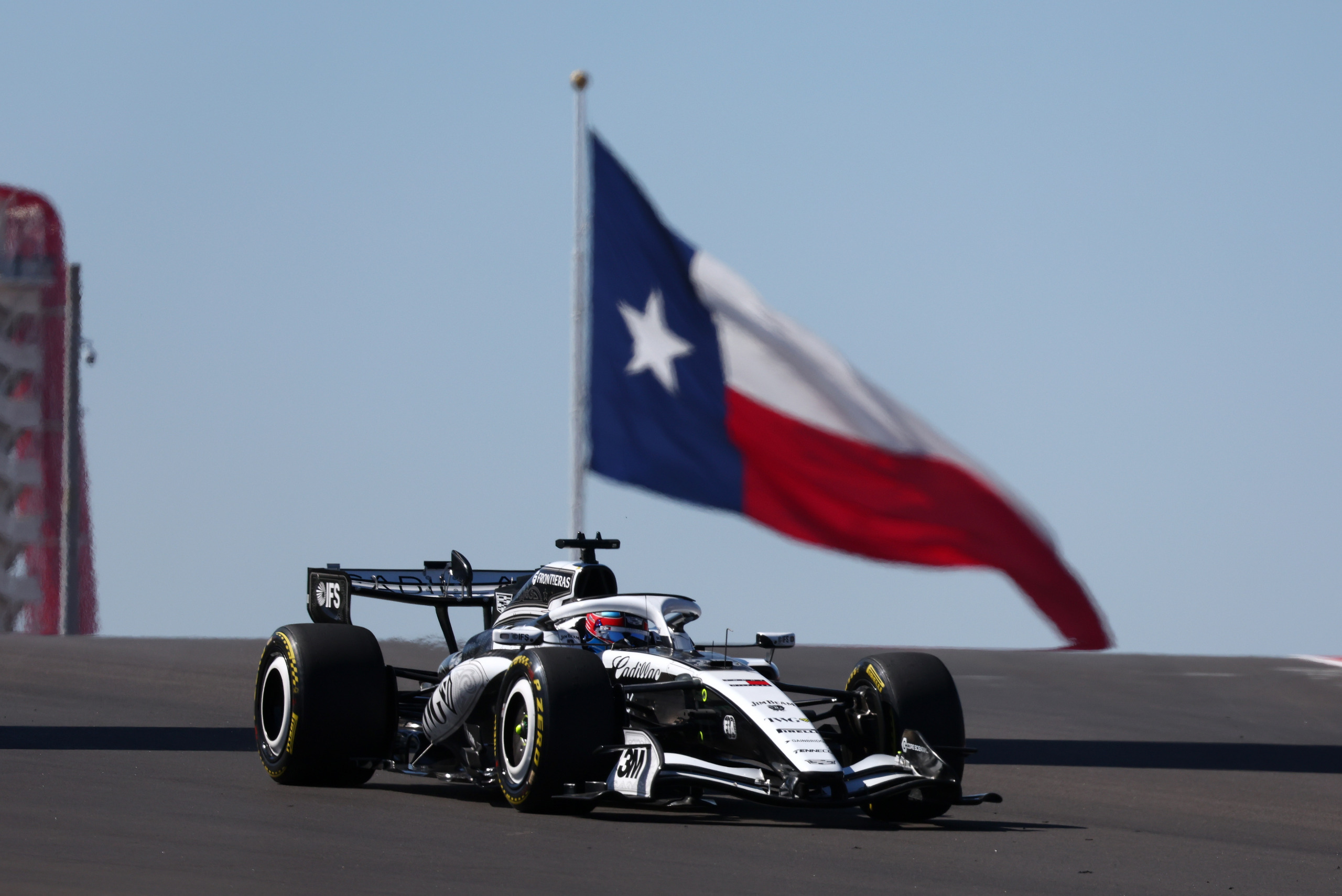
The United States Grand Prix has called Austin home since 2012. That makes Circuit of the Americas the original American stop on the Formula 1 calendar — it was here before Miami, before Las Vegas, before the sport became a cultural phenomenon in this country. For over a decade, Austin has hosted this race, and in that time, the event has grown into something that genuinely reflects the city around it: loud, proud, and unapologetically Texan.
I spent the 2026 USGP weekend as a guest of Jim Beam, the iconic bourbon brand and a marquee partner of the Cadillac Formula 1 Team. Cadillac is F1’s only American team, backed by General Motors, and this was their inaugural season on the grid. Together, Jim Beam and Cadillac built out a race weekend itinerary rooted in Texas culture — music, barbecue, community, and access that made the Paddock Club feel less like a velvet rope and more like a backyard. But before any of that started, the weekend introduced itself to me in my hotel room.
Waiting for me was a welcome gift curated from local Austin businesses — a mix of minority- and women-owned — including a scarf from The Fringe Ting, a handmade bola from Poppy Collective, and a handmade denim purse fromEric Lugo’s AMIRÉ. Before I set foot in a single event, Jim Beam’s gifting moment immediately set the tone for the weekend.
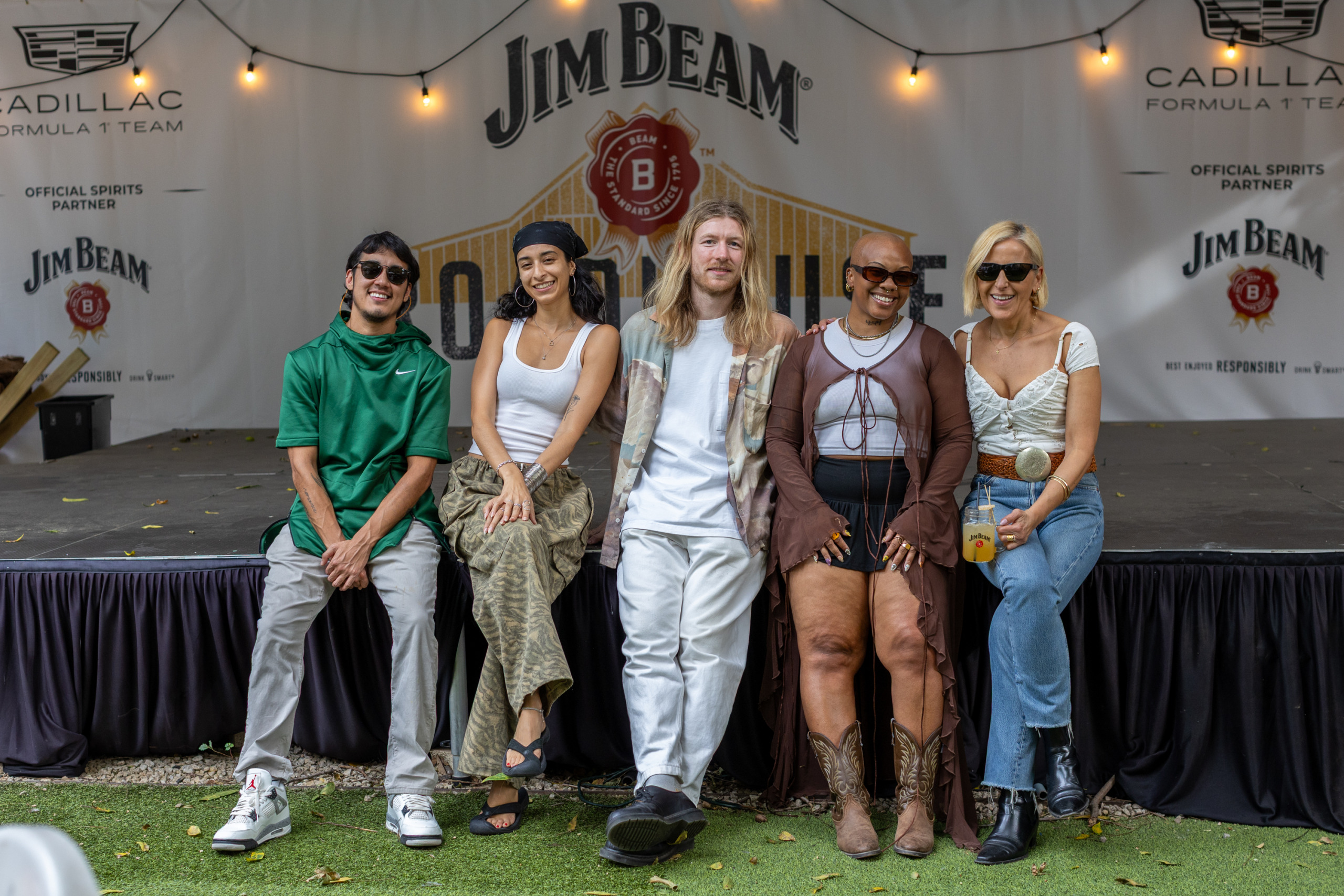
That intentionality has roots that go back nearly ninety years. James B. Beam used to drive his 1939 Cadillac home every night with a mason jar of his proprietary yeast in the front seat. That yeast is still used in Jim Beam bourbon today. Fred Noe, the seventh-generation master distiller, still drives a Cadillac. His son Freddie, the eighth generation, released a limited-edition co-branded bottle for Austin, featuring checkered-flag detailing, an F1 helmet bearing the Jim Beam name, and both logos side by side.
“To see these two American icons come together on a bottle is something special,” Freddie Noe said in a press release.
The Kentucky bourbon heritage, the Detroit automotive legacy; this is actual history, and now they’re in Formula 1 together, which feels like the most American thing that’s ever happened in this sport.
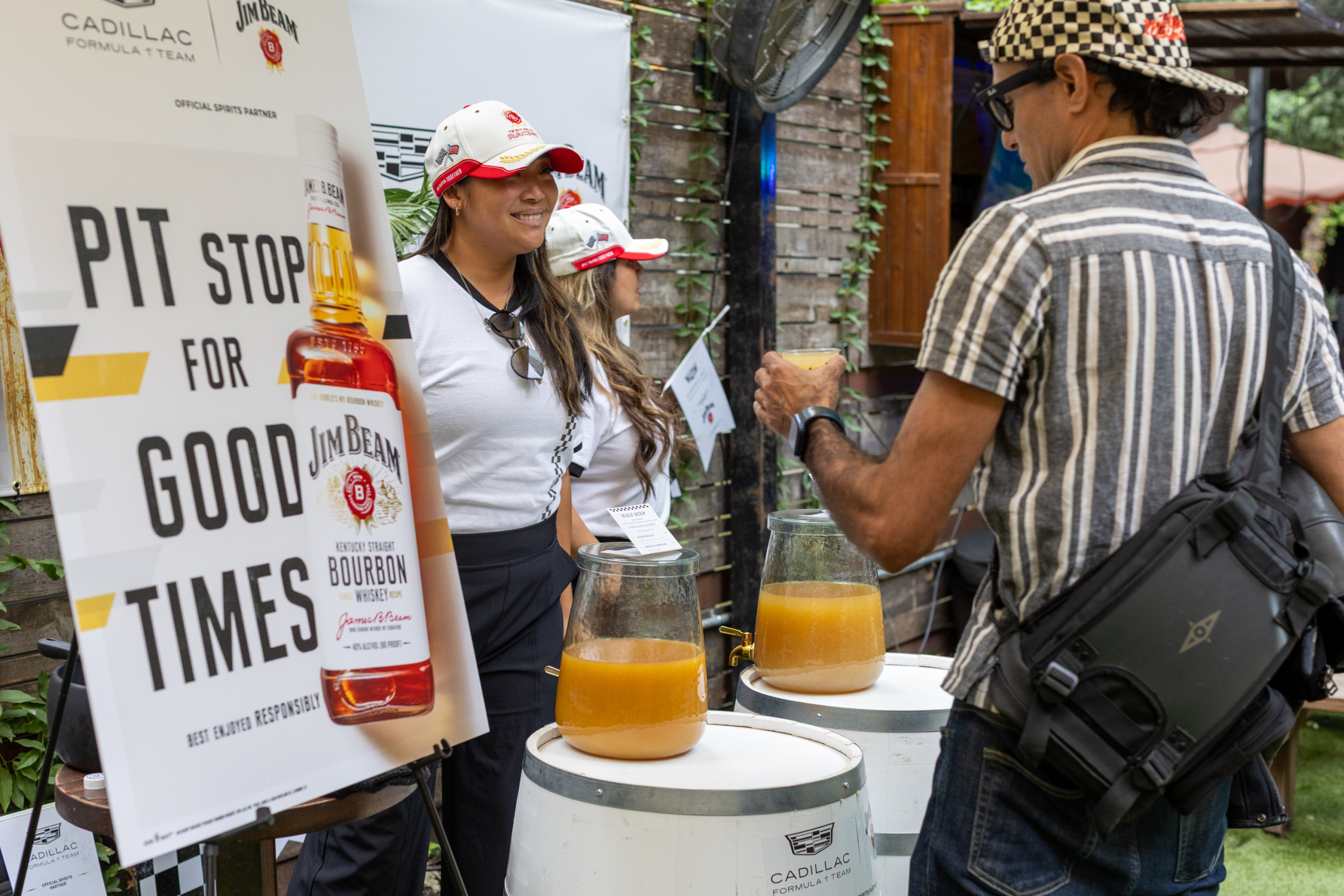
On Saturday, I got to see that partnership in action when I spent the day in the Paddock Club with both iconic brands. The Paddock Club is F1’s most exclusive hospitality tier inside a Formula 1 race weekend. This is not a space you stumble into. Invitations are selective, access is tightly controlled, and the people in the room are there because someone decided they belonged there. Cadillac’s dedicated space was decorated in its team colorway, with silver detailing throughout, and it even had a dedicated Jim Beam bar.
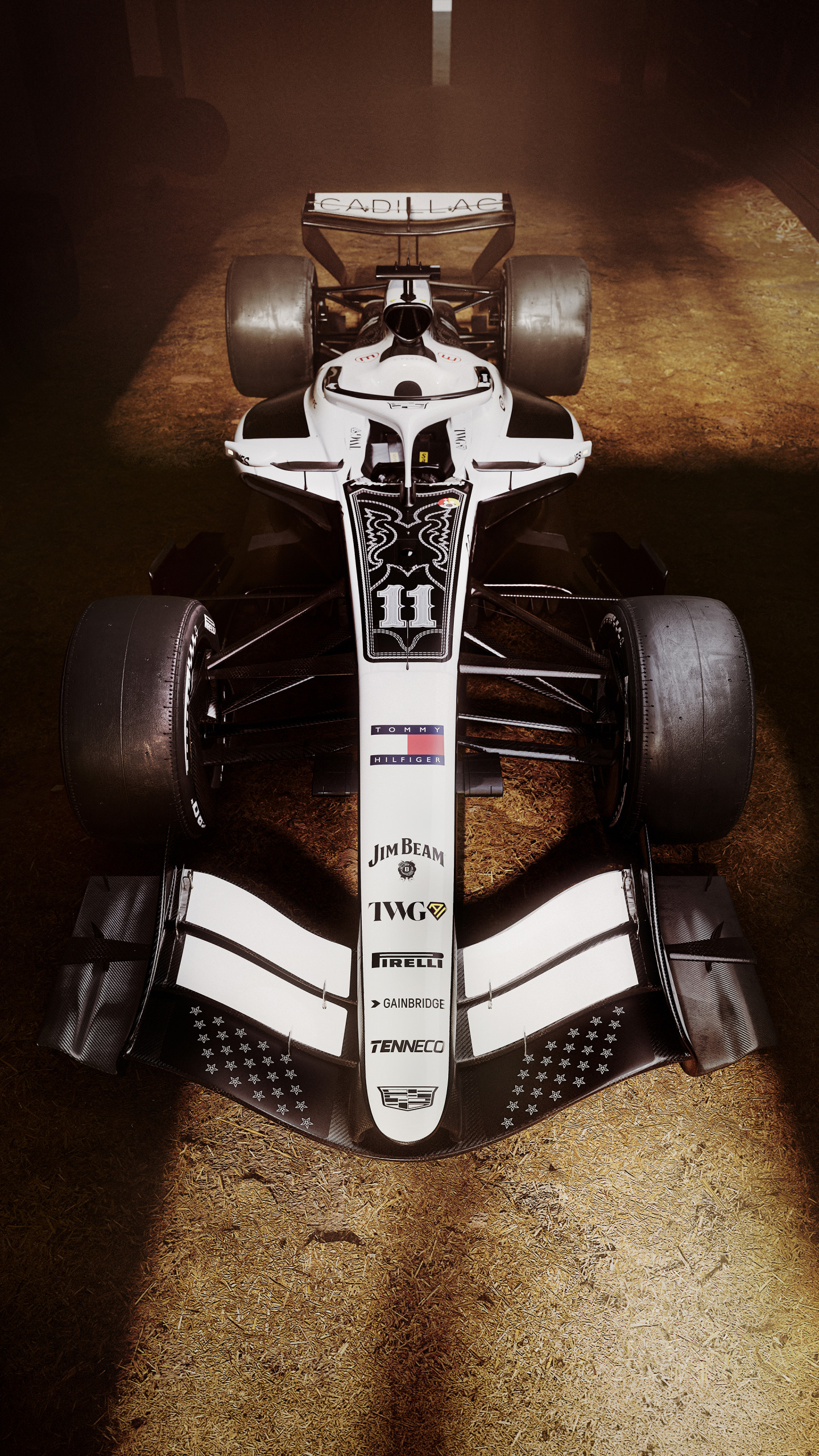
I’ll be honest about what I also noticed: there weren’t many people who looked like me in that room. But with Jim Beam and Cadillac’s hospitality, I never felt out of place. If anything, I spent much of the day as the person my peers turned to, explaining what was happening on track, providing context, breaking down the sport for people experiencing it for the first time. That’s a familiar position for Black women in spaces like this, and I’ve learned to wear it with pride. Being the one with the answers was its own kind of reassurance that I was exactly where I needed to be.
That evening, I joined an intimate roundtable with Cadillac F1 driver Valtteri Bottas, held exclusively for Jim Beam and Cadillac’s media guests. Bottas has spent years coming to Austin and genuinely loves the city. On the Jim Beam partnership, he got candid about how he feels about the liquor brand.
“I’m actually a whiskey guy,” Bottas said. “I do like whiskey after dinner, chill out every now and then.”
He visited the distillery in Kentucky earlier this year, and when asked about the Cadillac and Jim Beam pairing, he was straightforward about why it works.
“Cadillac and Jim Beam, they’re both two iconic American brands. So it really, really fits,” he said.
When asked to describe a Jim Beam whiskey made in the spirit of his personality, he answered with: “Smooth and resilient.”
What stayed with me this weekend wasn’t the access; it’s what the access represented.
Formula 1 has always had a diversity problem. The sport’s history is overwhelmingly white and overwhelmingly European, and its fanbase, for most of its existence, has reflected that. The American expansion — Miami, Las Vegas, Austin — has brought new eyeballs to the sport, but new eyeballs don’t automatically mean new communities. Representation at this level doesn’t happen by accident. It happens when brands make deliberate choices: about who they invite, what businesses they source from, and what culture they center in the rooms they build.
That’s the work Jim Beam did in Austin. A weekend that felt communal rather than exclusive. None of it solves F1’s diversity issue on its own; that will take sustained, multi-stakeholder commitment from teams, sponsors, and the sport itself. But it shows what’s possible when a brand treats inclusion as part of the experience. If F1 is going to grow in this country in a way that reflects all of America, more brands are going to have to do this work. Jim Beam and Cadillac showed one version of what that looks like. The rest of the sport is still figuring it out.