The 2026 midterm elections serve as a critical boiling point for American electoral politics. Now that the second Trump administration is well underway, this is the voters’ chance to let their legislators know how they would like the next two years to be carried out. After two years of watching the way that the branches of the U.S. government operate as is—from watching the fallout of historic Supreme Court rulings and an executive branch that is not afraid to shake up vaccine mandates, make a major investment in Immigration and Customs Enforcement or overall make a spectacle—the voters have the final say in the makeup of the legislative branch for the remainder of this presidential term.
With both the House of Representatives and Senate confirmed to be flipped to Democratic control, the ease with which the Republican party has been able to pass major legislation is potentially challenged. While representatives are often more open to collaboration with the other side of the aisle when their party controls the White House, a Democrat-controlled Congress may lead to gridlock in both the House and the Senate. This may generally feel like a loss overall as legislation may not be able to pass as efficiently (for better or for worse), this seems to be a risk that American voters are willing to take. They are unhappy with the results that they are currently receiving and are making that known through their vote.
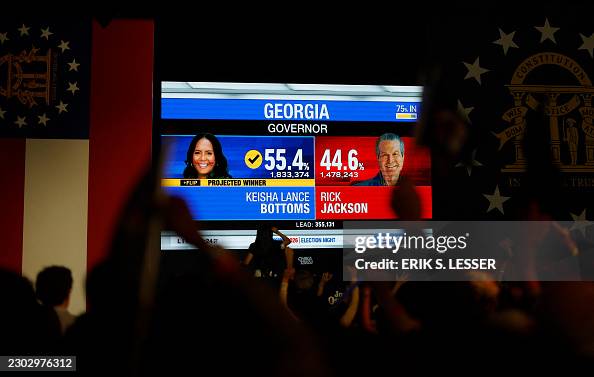
While turnout among voters under 30 has been an ongoing conversation, it is clear that sentiment on political issues has shifted dramatically among youth since 2024, with majorities voting for Democrats by margins wider than in the last election. This midterm election has garnered more attention than midterms of the past as key seats are seen to determine the future of the country: is this the year that we finally feel our votes make our voices heard? Is this the year that the vote feels like a meaningful tool for change again? Results like James Talarico becoming a Democratic senator in a notably red state like Texas and Keisha Lance Bottoms becoming the first Black woman governor seem to be a beacon of hope for our country. These are election results in wartime, when gaps between parties feel wider than ever, and voters feel increasing angst about the democratic process.
This election is important not because it determines the next steps for both our politicians and consituents. When people are unhappy with their representatives, they undoubtedly reserve the right to take to the polls for change. The political landscape of 2026 is vastly different to that of yesteryear; there are conversations happening both in person and online about the civic duty of citizens that were not as easily considered before the age of the internet. Voters can view the results of politicians across the country from their phones and make determinations on their own ballot based on what they see happening across the country. While Senate seats like Abdul El-Sayed in Michigan may be key seats for gaining party control of Congress, voting down one’s ballot has become a key part of the midterm conversation. We see folks in Los Angeles holding their mayoral candidates to the standard set by New York’s mayor. We see Texas electing a Democrat to its gubernatorial seat after loud dissatisfaction with an establishment Republican incumbent supporting the state’s redistricting. We see people across the country expecting more from members of their own party, whether Democrat or Republican.
The 2026 midterms represent more than “stopping” any one specific branch of our federal government; they represent a return of power to voters. If you don’t align with the people, you cannot represent them. This election represents a return to trust in the electoral process with added stipulations. We will vote, but we expect you to hold up your end of the bargain. Voters are ready for change; voters are ready for their power; voters are ready to help shape their world.