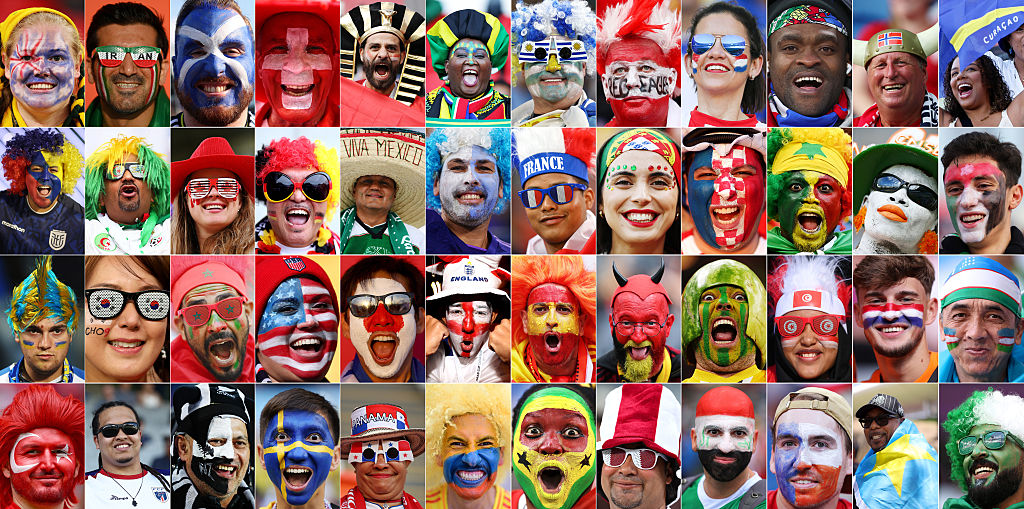
We’re a little over a month away from the biggest World Cup ever, and somehow things are still pretty complicated.
And I’m not just talking about the traffic on Spaghetti Junction in Atlanta.
On paper, the 2026 FIFA World Cup is supposed to be a celebration of scale: 48 teams, 16 host cities and more than 100 matches spread across the United States, Canada and Mexico. It is the world’s game finally getting the full North American mega-event treatment.
After all, the last time the U.S. hosted the World Cup, Outkast had dropped Southernplayalisticcadillacmuzik, Martin was on TV, and we all still rented movies from Blockbuster.
But the closer the tournament gets, the more it starts to look like the World Cup is being introduced to American sports economics — and American sports economics have never been shy about telling the majority of us to enjoy the experience from home.
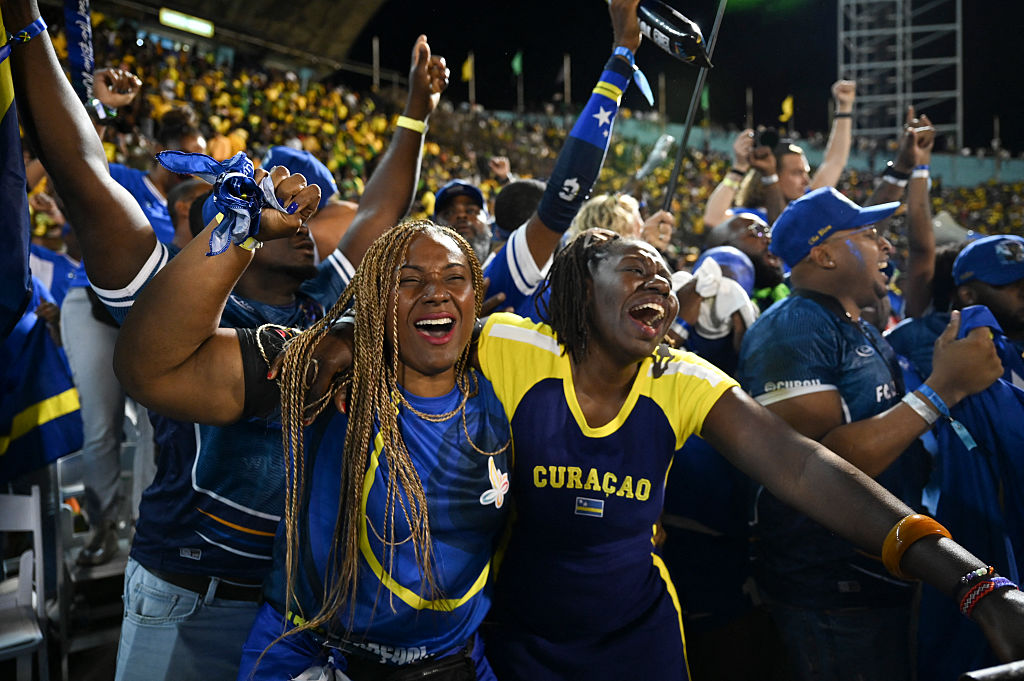
The World Cup is not supposed to feel like the Super Bowl. That is the whole point. We love the tournament because it is meant to feel massive and communal, but still within our reach. As fans, we cross borders, fill public squares, and follow our teams from city to city, turning the event into something closer to a global family reunion than a luxury getaway.
But once ticket prices start creeping into Super Bowl territory, parking starts looking like a car note and hotel rates start behaving like Coachella surge pricing, it’s only fair we start asking…
“Who exactly is this tournament for?”

Ticket prices are changing the conversation
Sports fans already understand that championship moments don’t come cheap. The Super Bowl has trained Americans to accept absurdity as part of the package: four-figure seats, five-figure resale tickets, and corporate suites filled with celebs and their not-so-famous friends. The Super Bowl is one giant televised reminder that the NFL is comfortable building an event most true fans will never be able to attend in person.
The World Series can get expensive, too, especially when major markets like the Los Angeles Dodgers or historic franchises like the New York Yankees are involved. But even then, the experience still feels somewhat connected to the everyday fan. There are multiple games, different price points, and maybe you had a chance to go to a game during the regular season. It was on a Monday, at 2 p.m., but you made it.
The World Cup is supposed to be different.
This is not just one championship game. It is a month-long tournament built on national pride, migration, family history and cultural identity. Fans are not simply buying tickets. They are buying access to moments they may have waited their entire lives to experience.
In 2022 at the last World Cup in Qatar, the most expensive standard final ticket was roughly $1,600, and today some of the highest-priced tickets have reportedly climbed upward of $30,000. Let’s not talk about secondary prices.
That is why the pricing conversation matters.
If the World Cup starts operating like a premium American sports product, it changes the very purpose of the tournament itself. The event stops feeling like the world’s game and starts feeling like another exclusive experience available mostly to people with disposable income and excellent credit.
And tickets are only the beginning.
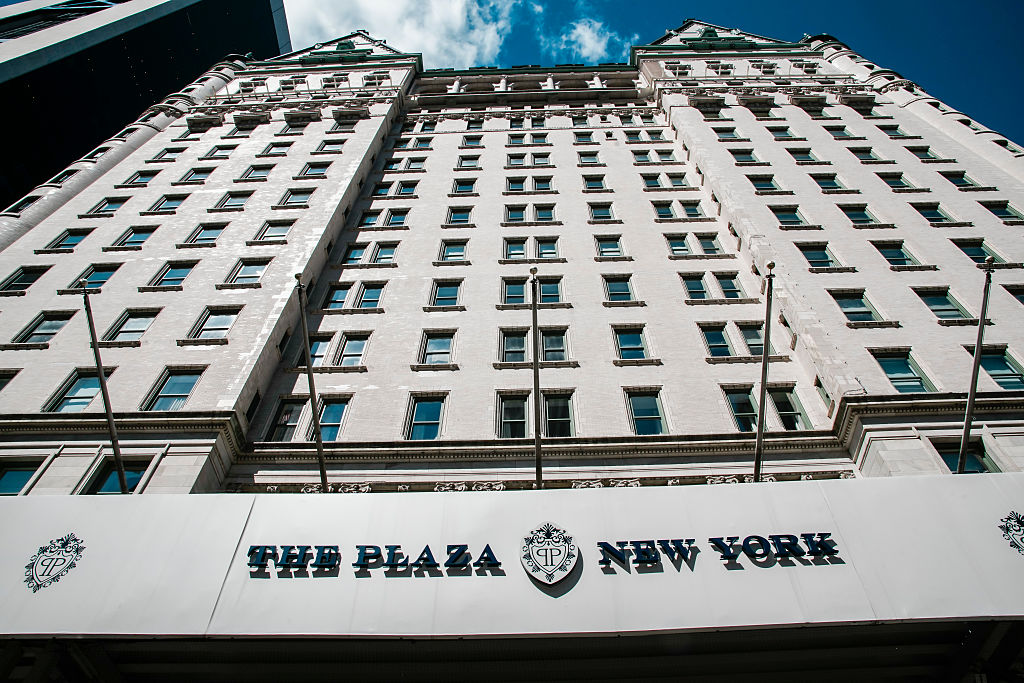
The trip itself may be the real luxury
For many fans, the real cost of attending the World Cup will be the accumulation: flights, hotels, rideshares, food, local transportation, parking and the possibility of repeating the process in multiple cities if your team advances.
That is where the comparison to events like the Super Bowl really falls apart.
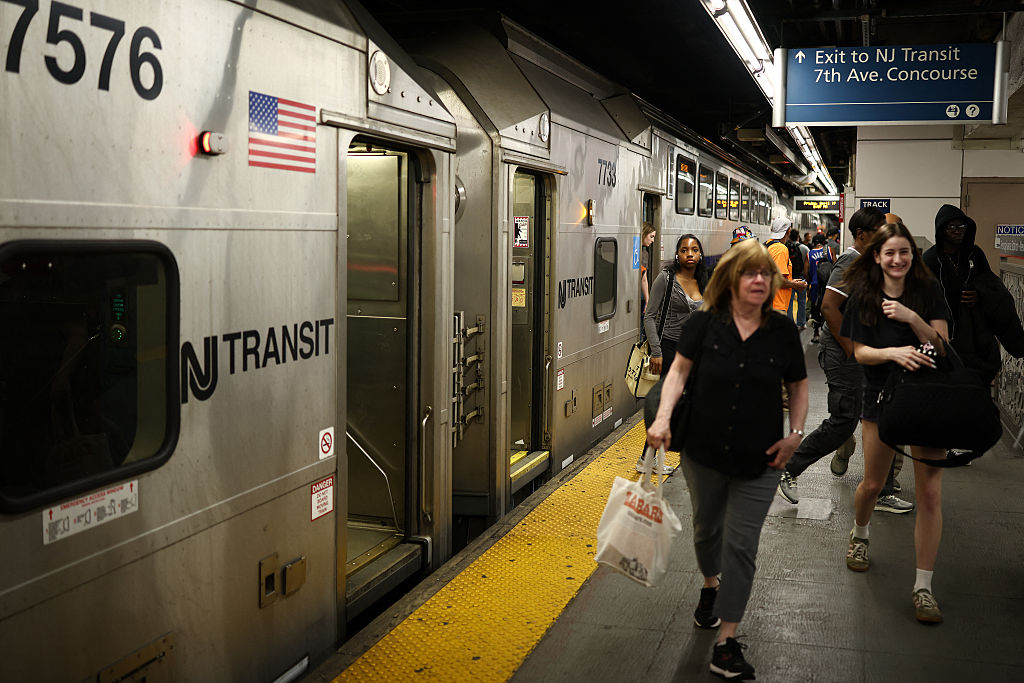
Speaking of comparison, the last World Cup was hosted in Qatar, and fans with match tickets could ride public transportation for free. In New Jersey, fans are being asked to pay World Cup-specific train fares costing $105.
A Super Bowl trip hurts your wallet once. The World Cup asks you if it can “hold sumtin’”
Hotels in host cities expected an immediate booking frenzy. Yet, multiple reports have pointed to hotels not filling their rooms as expected, with markets like Dallas and Philadelphia lowering room rates after demand failed to match some of the early hype.
That does not mean the World Cup will suddenly become affordable. While cities and businesses that were hoping to capitalize are correcting in real time, fans are left trying to determine whether they are planning a sports trip or participating in a giant live-action pricing experiment.
Who actually benefits?
The cost question does not stop with fans.
Host cities are spending heavily on transportation, security, emergency services, crowd management and infrastructure preparation. The promise, as always, is that tourism and global attention will make the math work.
Maybe it will.
But mega-events have a long history of selling cities on exposure while leaving taxpayers to sort through the bill later. FIFA controls many of the tournament’s biggest revenue streams, including sponsorships, media rights and the larger commercial machine surrounding the event. Cities are often left competing for indirect benefits like restaurant traffic, hotel rooms and whoever sells the best street meats.
That can work. But it never works out equally for everyone.
Workers power these events. Hotel staff. Stadium employees. Drivers. Security guards. Food service workers. Housekeepers. The people who make the spectacle function once the world arrive. If they are asked to absorb more pressure without seeing more stability, the economic impact starts to look a lot less inspiring.
The same goes for local businesses.
Every host city will hear that the World Cup is bringing opportunity. But corporate sponsorship zones, rising operating costs and event restrictions can sometimes leave small businesses competing for scraps while major brands dominate the most visible spaces.
In cities like Atlanta, Houston, Los Angeles, Miami, Philadelphia, New York and New Jersey, places with deep Black communities, immigrant communities that could benefit from the World Cup, find themselves pushed to the margins of it.
The money may come into the city. But it does not mean it reaches the people that power it.
Immigration and access are part of the story too
There is another issue hanging over the tournament. Access.
For a World Cup spread across the United States, Canada and Mexico, immigration policy and border enforcement are not just side conversations for those who still want to “build a wall.” They are central to how welcoming this event will actually feel for international fans.
Supporters will travel from all over the world. So will journalists, families, team staff and officials. For many of them, crossing borders into the United States may feel far less predictable than FIFA’s marketing campaigns suggest.
Also, let’s not forget we’re currently at war.
A global sporting event built around inclusion and international connection cannot completely separate itself from the political realities of the world.
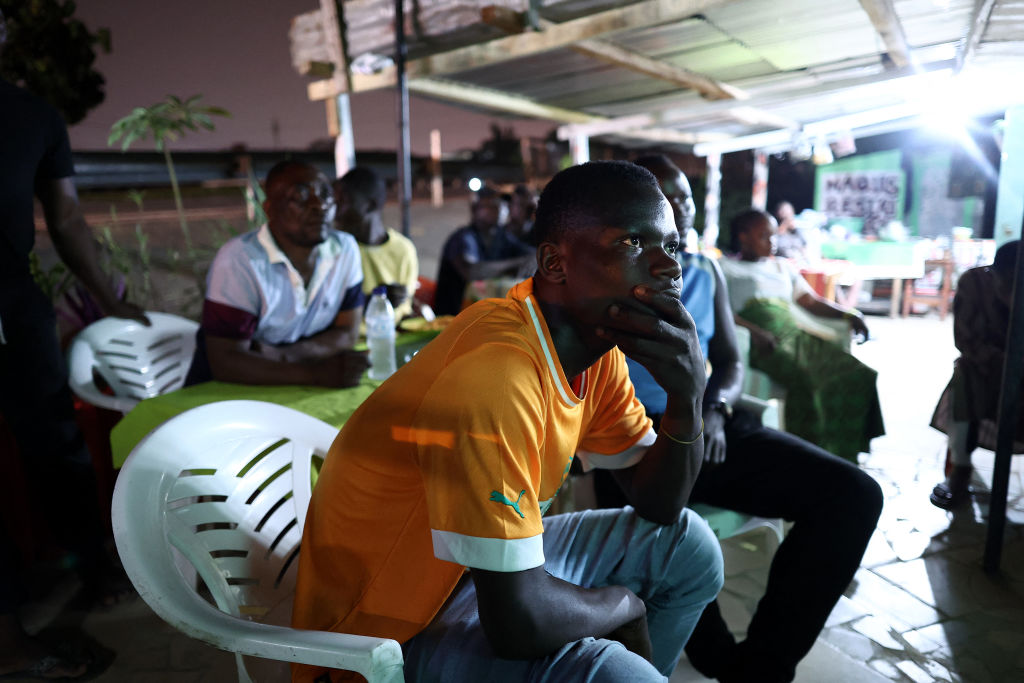
This year’s World Cup is supposed to be historic for Africa, with a record 10 nations from the continent qualifying for the tournament. That should mean more flags, more drums, more of the diaspora pride showing up in the stands. But for those traveling from African countries facing tighter U.S. visa restrictions or possible visa bond requirements, the dream doesn’t even get a chance to soft launch.
This is a reflection of how power, money and access move through society, and the World Cup may end up showing us exactly how North America handles all three when the whole world is watching.
The World’s Game Meets the American Price Tag
None of this means the tournament will fail.
We’ll see cheer on our favorite sides. There will be unforgettable goals and even better saves. There will be packed crowds and the cameraman will probably linger a little too long at a beautiful woman in the crowd.
It’s these moments that remind people why soccer remains the most emotionally connective sport on the planet.
It also asks the question whether the world’s game can survive being packaged like an American luxury experience.