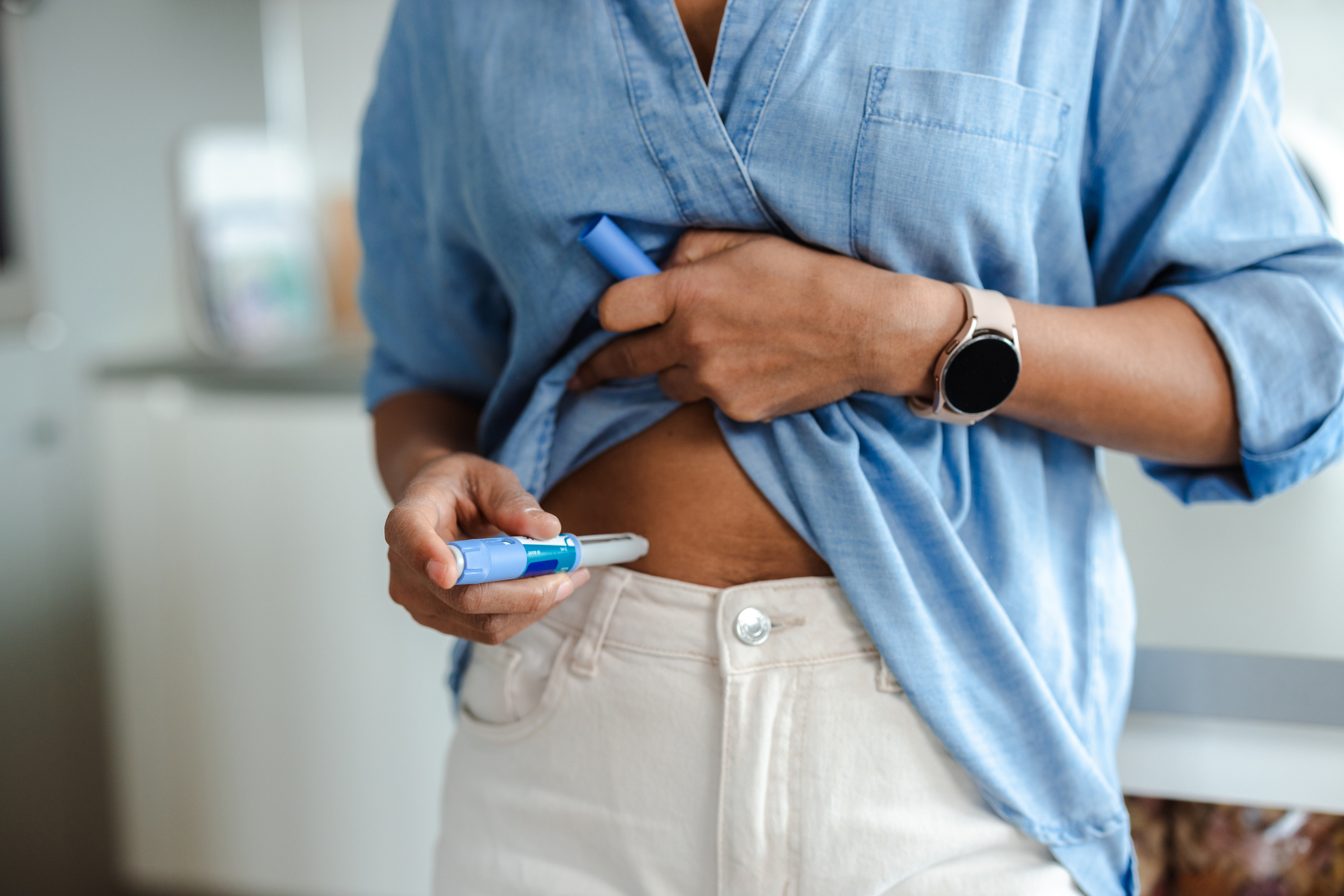
When it comes to the world of GLP-1 research, the updates are endless as people continue to navigate new information. More recently, evidence is beginning to mount that suggests popular weight-loss drugs have potential for treating addiction, according to CNN. Ozempic, Wegovy, Mounjaro, and Zepbound were approved to treat diabetes and obesity and are used by millions of Americans.
They’ve exploded in popularity over the past few years and, so far, are showing a lot of promise. They’re named for the hormone they mimic and help people lose weight by working in the gut and brain on digestion, insulin, appetite, and quieting food noise. They have also been successful at improving cardiovascular disease, heart failure, sleep apnea, and kidney disease. The next frontier of study for what these drugs can do is addiction.
“If these drugs turn out to be safe and efficacious for treatment of substance-use disorder, because they are so broadly used for other reasons in our society, they would just automatically, de facto, become the most widely prescribed pharmacotherapy for addiction,” Dr. W Kyle Simmons, a professor of pharmacology and physiology at Oklahoma State University who studies GLP-1s in addiction, told CNN. “We don’t have all the data yet, but it’s sure trending in the right direction, and that is a hopeful sign.”
This work has helped to uncover how they might act on reward systems in the brain. There have also been several studies assessing the impacts on addiction when it comes to real-life use of the drugs, as well as people’s personal anecdotes. There have also been some smaller clinical trials that have added to the drugs’ promise in areas of substance-use disorders related to alcohol, cannabis, cocaine, opioids, nicotine, and more.
One study, from the US Department of Veterans Affairs at the Washington University School of Medicine in St. Louis, reviewed outcomes among more that 600,00 people with type 2 diabetes. They were treated with either GLP-1 medicines or another class of medicine known as SGLT2 inhibitors. That study found that the people who were using GLP-1s were less likely to develop substance-abuse disorders or to have bad outcomes like overdoses or hospitalization if they had already been diagnosed with a substance-abuse disorder.
“We’re talking about a diabetes and obesity drug; we’re not talking about an addiction drug here,” said Dr. Ziyad Al-Aly, a clinical epidemiologist and chief of the Research and Development Service at the VA St Louis Health Care System, who led that study. “What’s surprising is the breadth and consistency of effect across all of these different substances.”
As the drugs continue to grow in popularity, there will be continued investment in clinical trials over the next couple of years to comfortably confirm it potential effects. If you are interested in trying a GLP-1, remember that there is also a risk of side effects and that it’s important to talk to a medical professional who can provide the necessary guidance and education.