
At some point, if you have close friendships, you’ll probably be asked to be a bridesmaid, but perhaps you should take a beat before accepting the invitation right away. While weddings typically are a joyous time for brides and their bridal parties, no one ever talks about how taxing the wedding experience could be for bridesmaids, who usually commit themselves to several tasks, costs, and even performances to honor their friend’s big day – leaving them emotionally and financially depleted, wondering what they signed up for and what they’ve gotten themselves into.
Luckily for future bridesmaids or women contemplating if it’s a responsibility they should take on, author Ruhama Wolle has a solution – her newest bridal survival guide, which touts a comprehensive list of everything that actually comes with bridesmaid duties (including potential costs). The book also offers a list of beneficial prompts to future bridesmaids, and those approached with the “will you be my bridesmaid?” question to use if they become overwhelmed with the responsibilities of the role, don’t agree with the bride, or can’t continue with their bridesmaids’ duties, while respecting, upholding, and keeping the relationship.
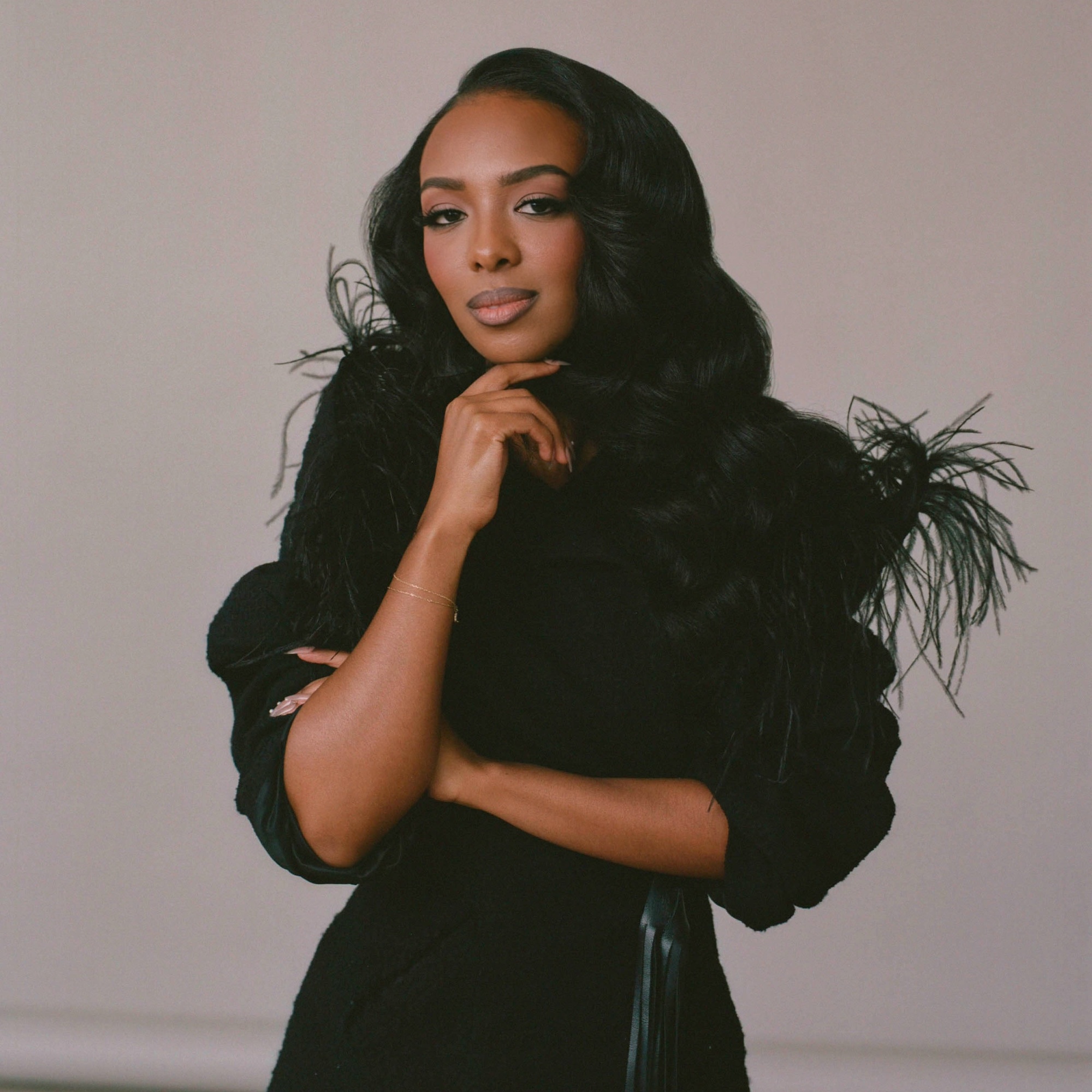
I Hope You Elope: A Bridesmaid Survival Guide serves as a new feminist manifesto, encouraging women to have autonomy around making decisions that are good for them, while strengthening their sisterhood bonds from someone who’s been there before. Wolle has been a bridesmaid before, and since those experiences, she’s decided to opt out of ever being one again. Although she loves celebrating her friends’ special moments, she’s not willing to continue spending thousands of dollars or to sacrifice her sanity.
What started as a grippingly honest op-ed for Glamour Magazine titled “To All My Friends, This Is My Bridesmaid Resignation Letter,” which cost her some friendships, became a book. Wolle hopes to help others make a sound decision surrounding weddings that’s best for them. EBONY spoke with the new author about her book, boundaries, and the importance of upholding sisterhood. View the conversation below.
EBONY: You first explored this topic in your Glamour article, “To All My Friends, This Is My Bridesmaid Resignation Letter.” What made you expand that into a full book?
Wolle: I had done three weddings back to back within 18 months at a time when I was an assistant, probably making $65,000 in New York City. So I was very much financially in a tight fit, and I think that was the biggest frustration of it all. I do like to reiterate that I didn’t have any crazy Bridezilla situations, but some moments didn’t sit well with me. I remember having a conversation with my editor at some point about wanting to write an op-ed about what I was experiencing as a bridesmaid. I was exhausted, frustrated, and it was shocking to me that it felt hard to speak up in real time. I think that says so much about weddings. The culture of it, the intensity of it, the way everything becomes so emotionally loaded so quickly. I think even naming that discomfort to my friends or my family felt like betrayal. And so for me, that was essentially the red flag and turning point of not being a bridesmaid anymore.
Did you experience any fallout privately in your relationships from that op-ed?
I did. I ended up losing one of my best friends, so of the three weddings, it just didn’t sit well with her that I wrote the piece. And I mean, it was one of those things where you look back at it, and it was like, ‘Could we have resolved it first before it went into writing?’ Yes, I think it was cathartic for me to process it in writing.

Throughout the book, you spoke a lot about wedding culture and capitalism, and how they shape certain behaviors. Speak a bit about that.
The biggest thing about weddings and bridesmaid culture, specifically, is that no one knows what it means to be a bridesmaid until after we go through that experience. I wanted to create a book brides could give to their bridesmaids to help them grapple with the decision. The goal is to help women come out of this with their sanity, their peace of mind, and their finances intact, because money is also a conversation in this.
My entire premise with the book is to showcase all that could potentially be asked of you if you became a bridesmaid. It might not all be asked in this one particular wedding or role, but at least understand. Then understand what all those costs could potentially be, and then set your boundaries, have those conversations early on.
That’s a perfect segue to the boundary setting, because it’s hard to set boundaries that also honor yourself. I did appreciate the prompts you gave in the book to give the bridesmaid or someone some relief.
Money can be a hard conversation. As women, we also forget that we don’t have it so often with our female friends, too. I’m excited to see what comes out of the conversations around this, because you said it from the beginning: I am encouraging women to take a beat before they say yes. There’s so much that comes with the role, especially financially, that your friends should truly also give you the grace to be able to determine if you have the capacity to show up for them in the way that they are expecting.

In addition to finances, what’s also the emotional fine print that comes with saying yes that we don’t talk about enough?
I think people also forget that emotional toll of just not getting the same love reciprocated, sort of showing that we have gone both ways in a normal sense of friendship. I think that’s a layer that people don’t think about. I think no matter what, the financial stress adds that emotional layer as well, especially when you’re spending more than you have. I think we need to have more conversations about saying yes, when you want to say no, time and time again, the resentment builds with that.
What would be your solution?
What I say plainly in the book is that the biggest obligation for being a bridesmaid is really attending the wedding weekend, right in the way she needs you for support that weekend. Outside of that, everything should be optional, including the bachelorette, bridal shower, etc. We want to show up for our people, but we need a real conversation, especially when folks no longer live in the same state as their friends. We’re all more scattered out than we were decades ago. Now there’s a book with the language someone might need as a bridesmaid, so brides can encourage their friends about the expectations of the role and potential obligations before they say yes.