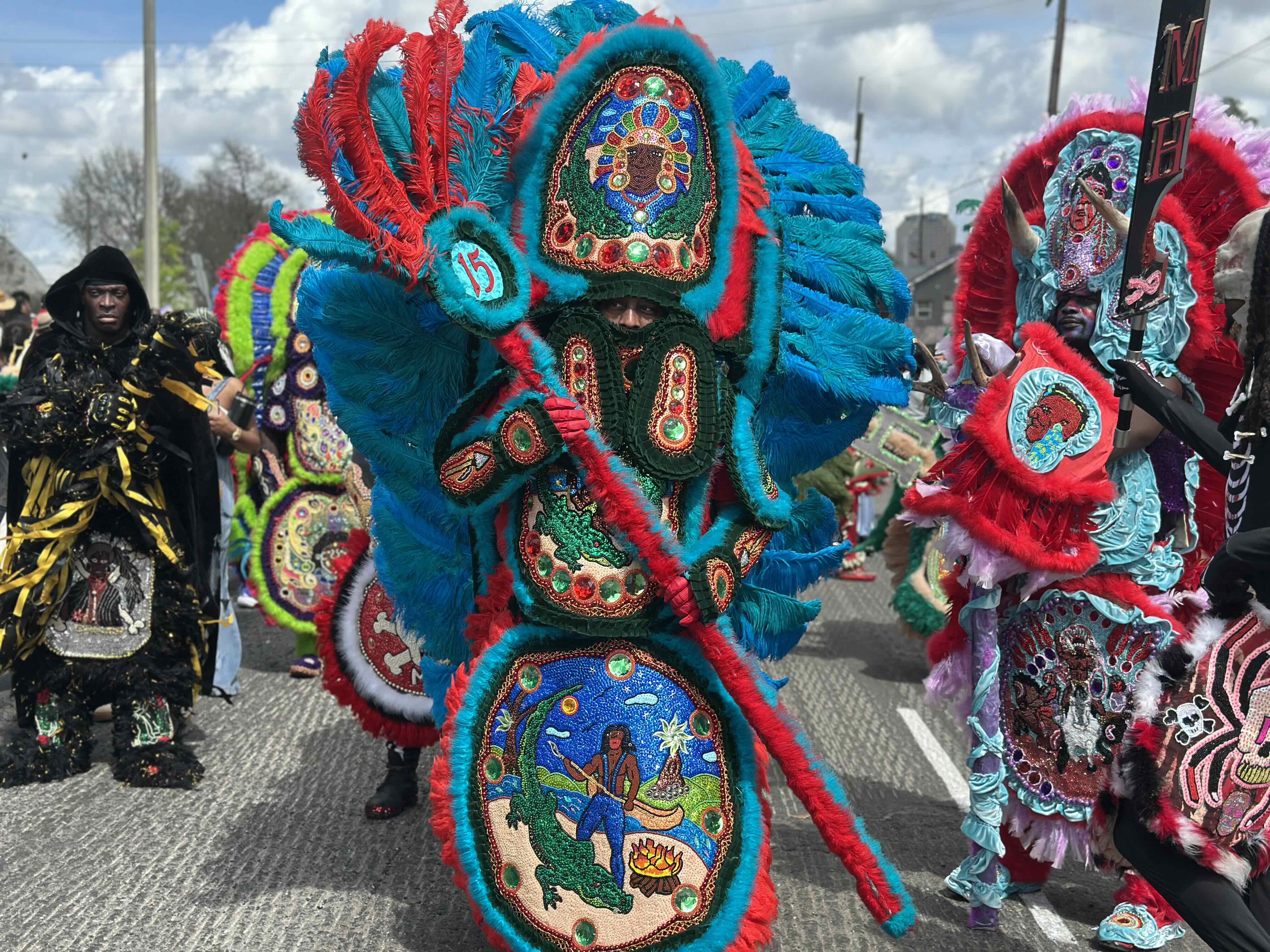
New Orleans is a special place. A swamp city built on the receding banks of the Mississippi River. A resilient community that survived Hurricane Katrina. When the levees broke, many fled. Some returned, and others moved in to help rebuild this sleepy town revered for its global appeal. Twenty-one years after the storm, tourists from around the world are descending on the iconic, oak-lined streets of New Orleans for food, music, architecture, cocktails, and culture. And they’re coming in droves.
Jazz Fest, Mardi Gras and the historic French Quarter have been attracting in-the-know travelers for decades. Last year’s Super Bowl LIX, headlined by Kendrick Lamar, brought over 100,000 visitors and generated $1.25 billion for the local economy. But since Katrina, a new wave of voices have injected new life into NOLA’s DNA. A fresh edge felt in spaces across town that honor the African, Caribbean, European and Indigenous cultures that came before, and shaped the city’s distinct identity.
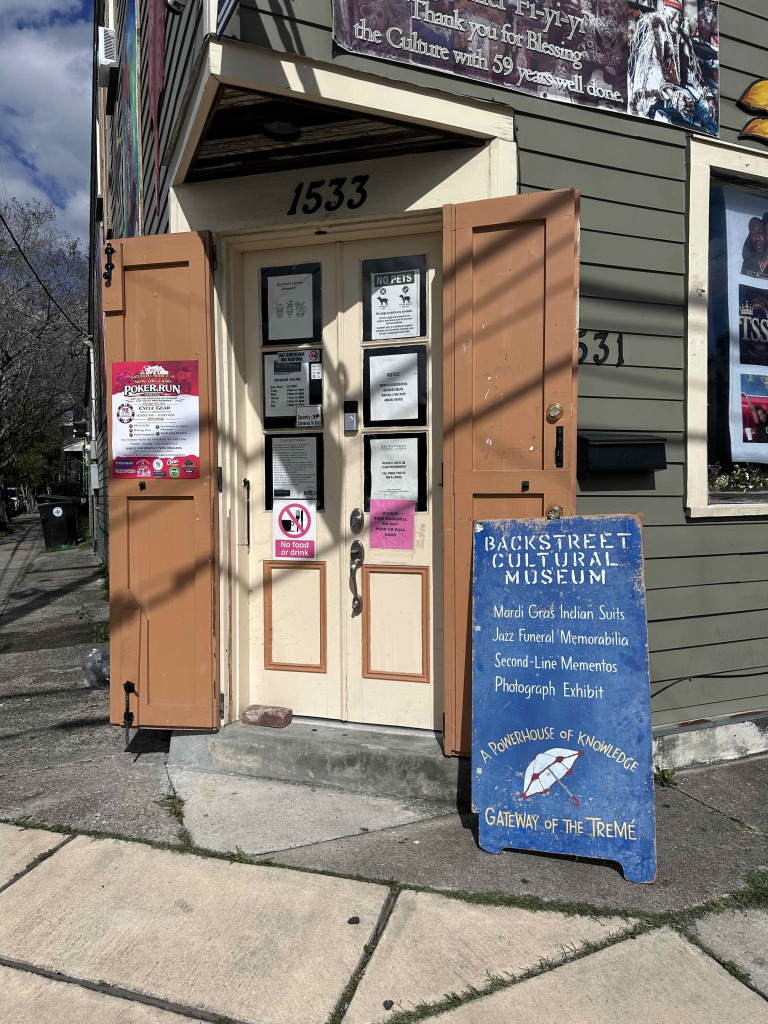
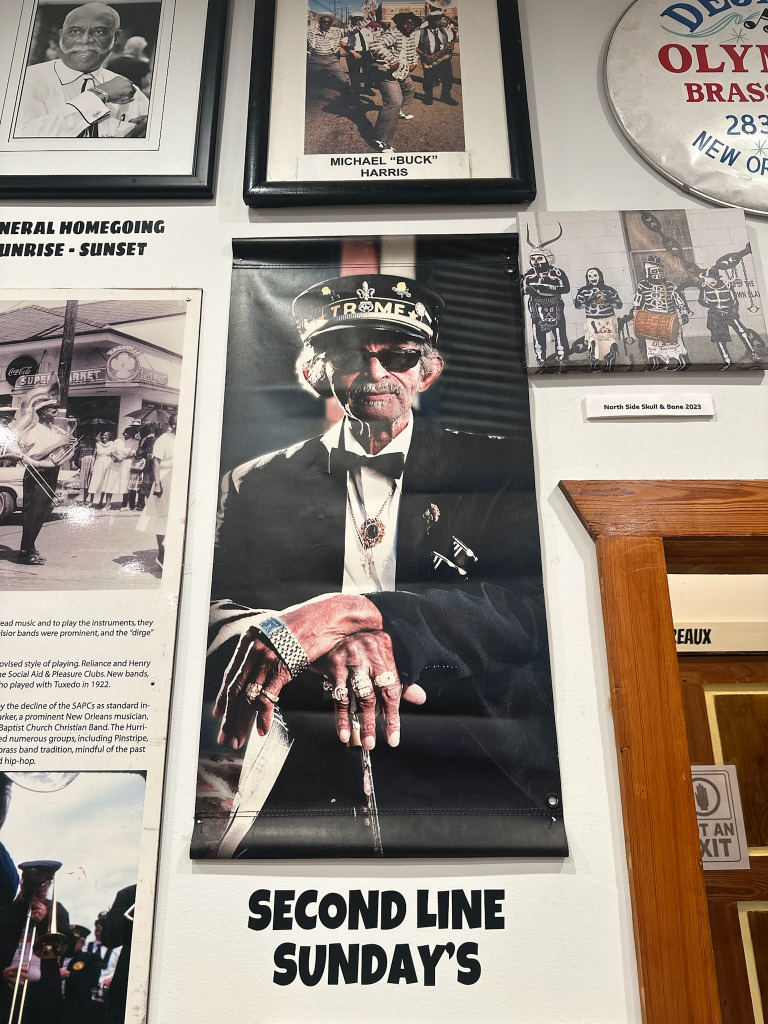
In Tremé, the oldest African American neighborhood in the country, the BackStreet Cultural Museum houses an impressive archive of beaded and feathered suits worn by Black Masking Indian Tribes, a tradition that emerged from these colorful Creole roads.
Just a few miles away on Elysian Fields Avenue in Marigny, literature is used to inspire social justice and to encourage young people to read at Baldwin & Co., a coffee shop, bookstore, and intellectual community hub founded by New Orleans native, DJ Johnson. Uptown on the water near Audubon Park is a 10-acre public green space with live music and mobile bars. But for more than a century, this stretch of riverfront sat behind fences as a working marine yard. And before that, The Batture was a source of major controversy as Louisiana shifted from the French and Spanish to an American colony.
Whether you’re visiting for the first time or returning for jambalaya and jazz, read on to learn how to discover the magic tucked under the city’s skin.
Stay
The Garden District is known for its historic architecture, and Hotel Henrietta brings charming elegance to the first new hotel on St. Charles Avenue in over thirty years. If you’re looking for a comfortable place to unwind that’s low-key and aesthetically pleasing, this five-story boutique accommodation, with its oversized balconies and minimalist guest rooms, delivers. Plus, the streetcar route is steps away from the thoughtfully designed lobby, giving you easy access to explore most of NOLA.
Further downtown on Carondelet Street in the Warehouse District, a neon “hotel” sign welcomes you to The Barnett, a restored Art Deco building with spacious suites and a rooftop pool. If you’re around on a Saturday morning, align your chakras with Amethyst Moon Yoga, a local wellness group that hosts weekly classes in the second-floor courtyard. Seaworthy is a modest must for oysters, shrimp and grits, and crawfish rolls—when the crustaceans are in season. The restaurant is set in a historic 1832 Creole cottage, a few buildings down from the hotel.
Experience
Super Sunday
This annual procession and celebration is worth planning your travel around. The Super Sunday parade is an epic affair where Black Masking Indian Tribes move through the streets around A.L. Davis Park in hand-beaded and feathered suits, displaying their elaborate creations in a friendly style-off to determine who’s fit’s the flyest.

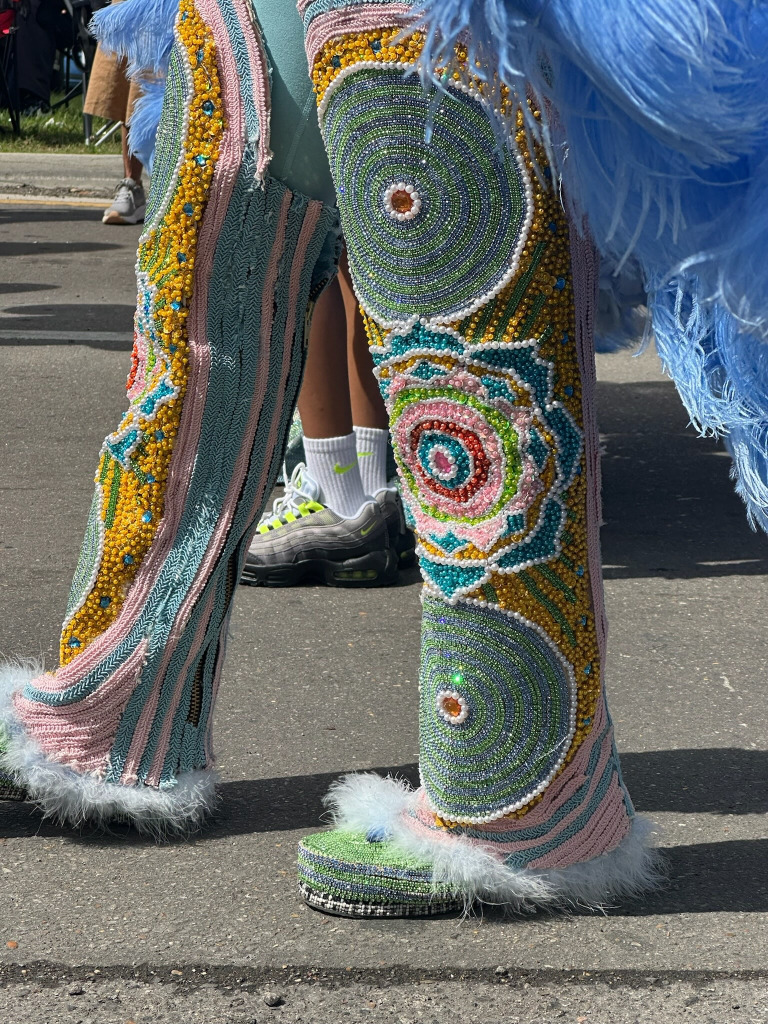
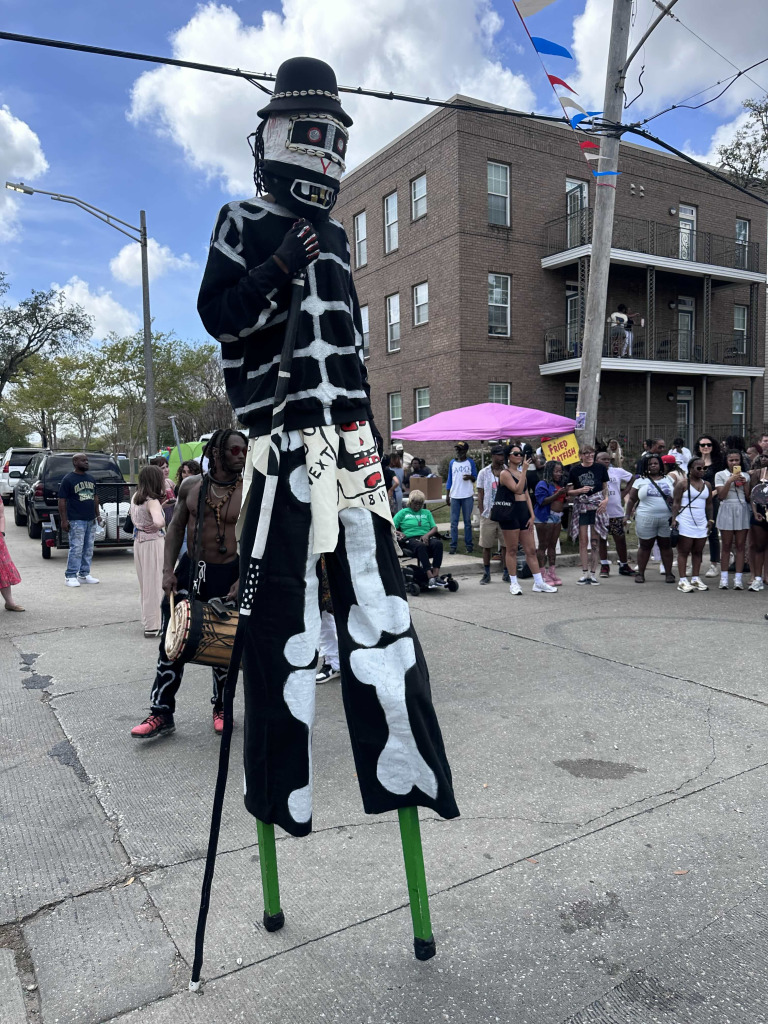
In the early 1800s, Indigenous communities offered refuge to runaway slaves, inspiring the tradition of masking to acknowledge their alliance. Today, these suits embody a lasting commitment to preserve and honor their native ancestors.
Take a Cooking Class
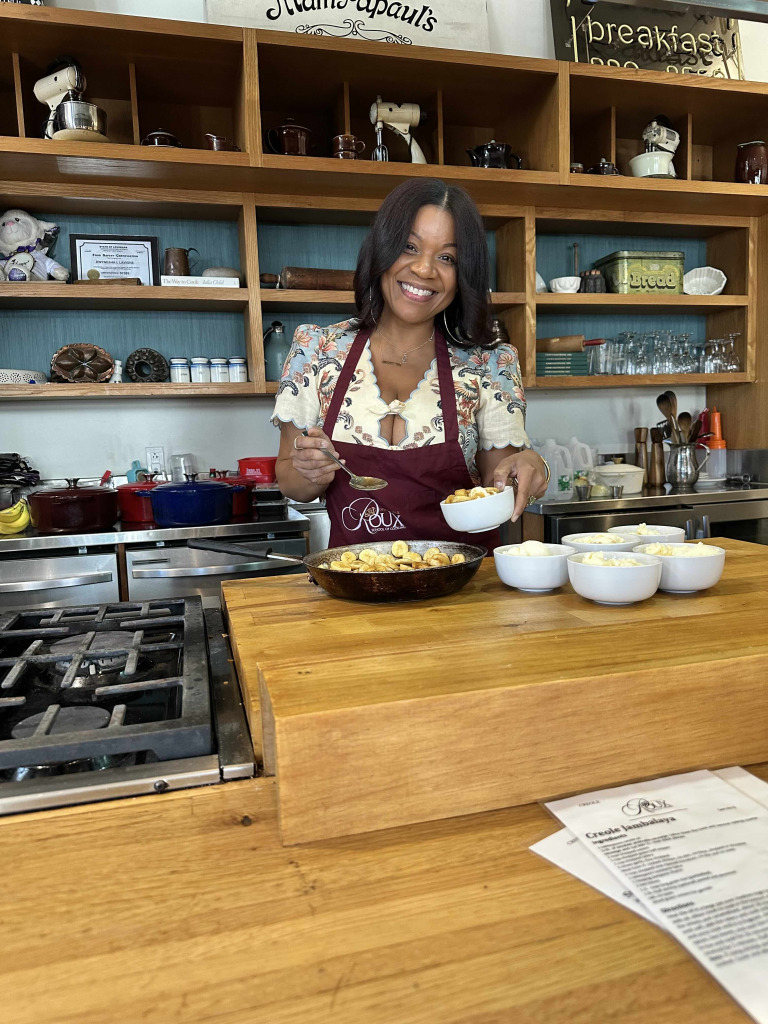
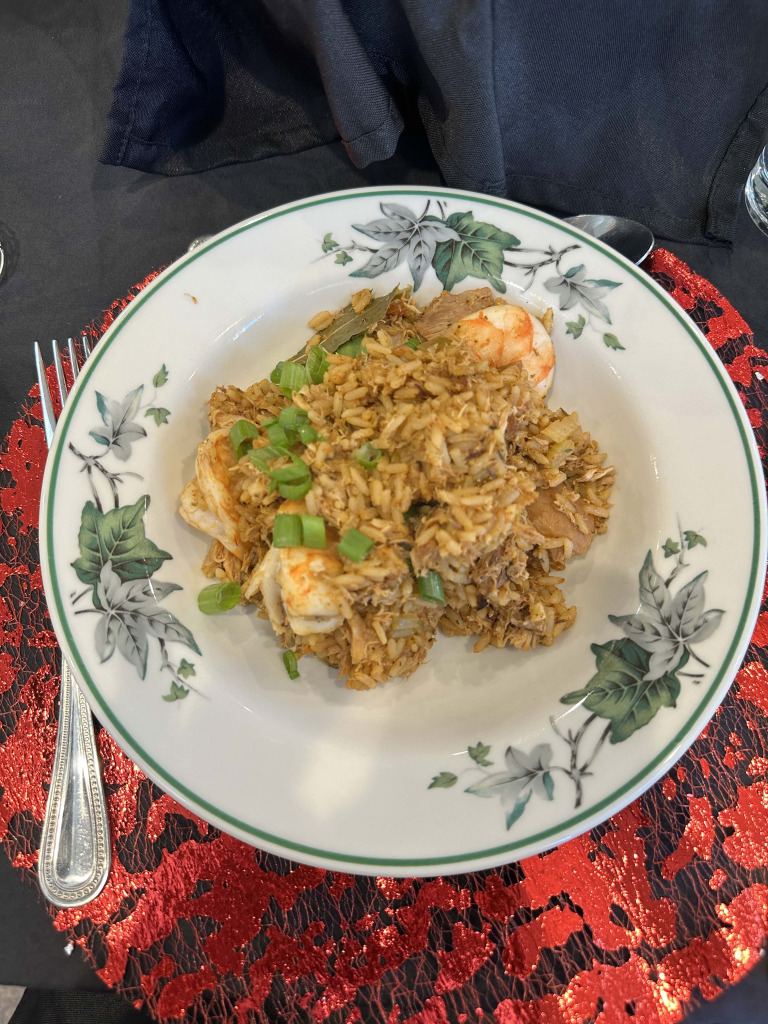
New Orleans is a world-renowned culinary capital. While you’re in town, learn how to prepare traditional Creole cuisine at Chef Dee’s Delightful Roux School of Cooking. Located in a sunlit room in the back of the Southern Food & Beverage Museum, Dee Lavigne, a Crescent City native, hosts hands-on cooking classes that offer guests an immersive exploration into Southern culinary history. Jambalaya and Smothered Okra are on the menu.
Hear Authentic New Orleans Jazz
Go to Le Bon Temps Roule on a Thursday night to jam out to The Soul Rebels, a high-energy brass funk band that’s been playing at this neighborhood spot for twenty years. For a taste of authentic New Orleans Jazz, catch a set at Preservation Hall. The space is as intimate as it is iconic: hour-long performances, seven days a week, featuring legendary musicians committed to upholding the essence of this authentic, century-old musical genre. Leroy Jones and The Preservation Jazz masters are phenomenal.

Eat
Neyow’s Creole Café
Quality creole cuisine and homestyle cooking in a warm atmosphere that makes you feel like you’re feasting with family. Plus, the char grilled oysters are the best half shells in town.
Monday
Larry Morrow & Lenora Chong bring their one-of-a-kind dining experience to Mid-City in this open-air eatery that reimagines Southern classics.
Pralee
The deep-fried salmon lives up to its reputation at this Frenchmen Street hole-in-the-wall that does comfort food right.
Loretta’s Authentic Pralines
Light, flaky and stuffed with sweet and savory fillings like praline cream, crab meat and peanut butter & jelly, Miss Loretta’s beignets are next-level.
Metanoya Z. Webb (@gtstilleto) is an avid travel and lifestyle writer.