The women who came before Ajiri Aki—specifically her mother, aunt, and grandmother—set the tone for her in homemaking and hosting. “Our house was always full of fellowship and joy,” said Aki, founder of the lifestyle brand Madame de la Maison. “I didn’t realize how much it meant to me until my mom passed away when I was 12, and that slowly all ended.”
She started dipping into interior design and hosting in her 20s, she told EBONY, but when she moved to Paris from the States 15 years ago, that’s when she took it to another level and “became much more intentional” about cultivating a home and entertaining. “Being far from my family made me want to create a home that represents who I am,” she said. “I wanted a comfortable place to raise my family and feel grounded. When you’re far from family, gathering people at your table is how you build it. Hosting is how I’ve made new connections and created a real community here. I’m always having people over.”
Though many might call what she does a form of “homemaking,” Aki admitted that the term doesn’t sit well with her. “It can take me back to a time when women were expected to keep a perfect home for everyone else while silently struggling. I think of what I do more like what Zadie Smith described as ‘creating an architecture for life.’”
This tension makes sense. After all, the phrasing is rooted in antiquated beliefs and gender roles that limited women, particularly Black women, to forced labor. The act of cultivating and creating a home simply for pleasure was an indulgence that Black people were widely excluded from. And if we were a part, we were relegated to cleaning and maintaining homes that weren’t ours, preparing food we didn’t get to eat, and setting tables where we weren’t allowed to sit.
Still, over the decades, Black lifestyle gurus and entrepreneurs, like the late, legendary Barbara “B.” Smith, worked to reclaim that narrative. She, along with those who came before her and her counterparts, blazed trails so vast that now, women aren’t the only ones a part of this new Black vanguard in the home, hospitality, and lifestyle spaces.
Alvin Wayne, an interior designer and lifestyle content creator, agrees that homemaking is being reclaimed “as something deeply powerful and culturally significant,” he told EBONY. “Black homemakers have always been cultural architects, even when that work was not formally recognized. The way we curate our homes tells stories about legacy, resilience, joy, and aspiration. In today’s culture, being intentional about our spaces is powerful because it pushes back against the idea that beauty, rest, and luxury are not meant for us.”
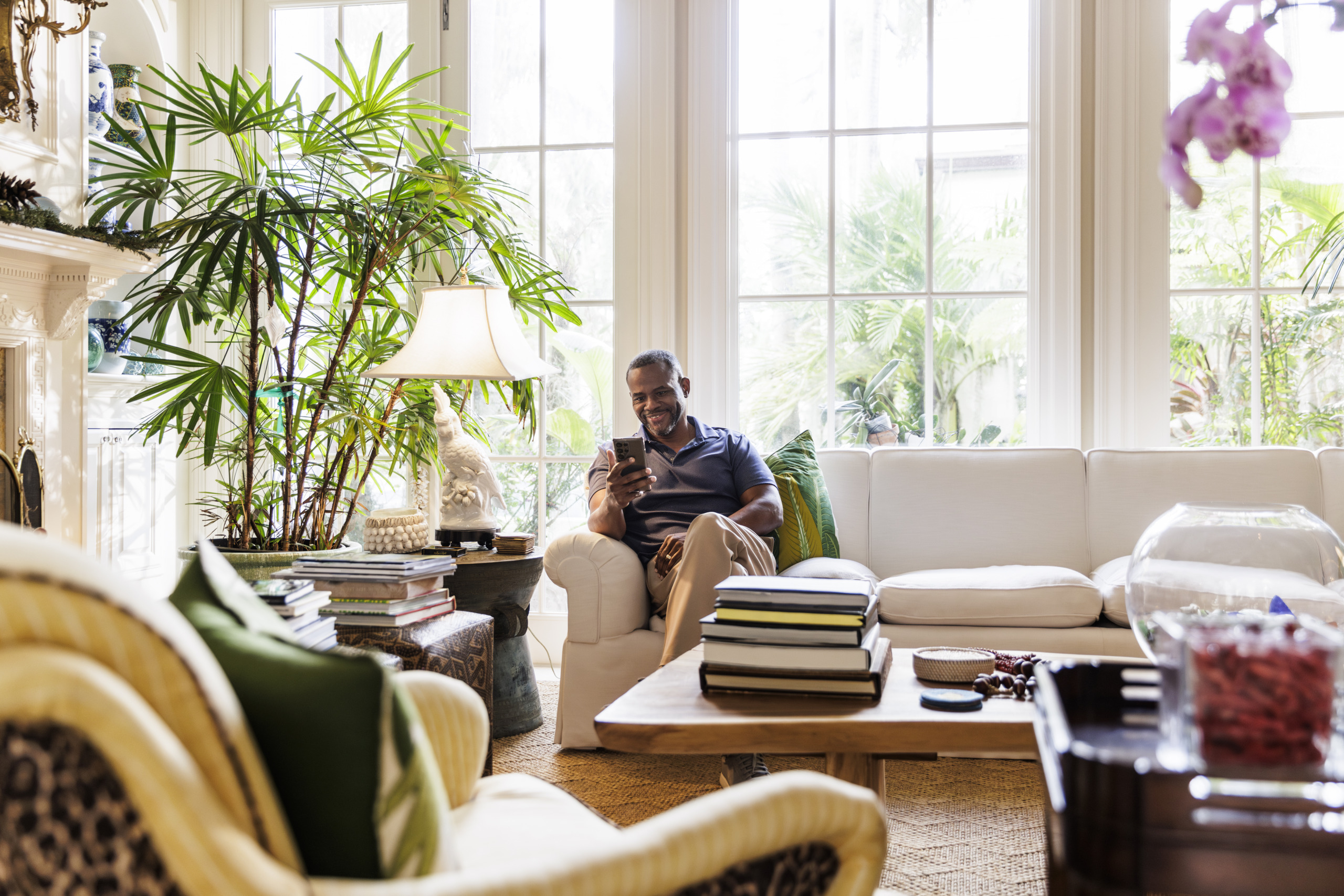
With Black men being the newest additions to this conversation, Demetrius Robinson, a lifestyle expert and tastemaker behind the brand formerly known as At Home With Saavy, wants Black men to know that living well at home is “reserved for them” as well.
“There’s nothing feminine about wanting your space to feel good,” he said. “It’s about expanding what it means to be a man who is fully present in his life, and about taking ownership of your environment the same way you do other areas of your life. It takes awareness and courage to care about how you live, not just what you achieve. A lot of us Black men were never given permission to see it that way. We were taught how to provide, how to push forward, how to make something out of nothing, but not always how to enjoy it once we got there.”
Wayne echoes this sentiment: “Black men deserve spaces that support softness, restoration, and self-expression. I always encourage Black men to see their homes as extensions of their identity and their well-being. When your environment supports you, it changes how you move through the world.”
As more Black people continue to allow themselves creative expression in their personal sacred spaces. One thing remains true: community and joy will always be at the center of it all. Making a home a personal safe space continues to tell future generations they are allowed to feel these moments of peace and happiness within their home.
“A lot of us didn’t grow up seeing homemaking modeled as something expansive or expressive,” Robinson said. “It wasn’t about mood, experience, or design. It was about making it work, making it through, and making sure there was enough. Every time I create a space that feels intentional, warm, and elevated, I’m reinforcing the idea that we belong in these experiences, too. That we can live with beauty, with care, with attention to detail, without having to justify it.”