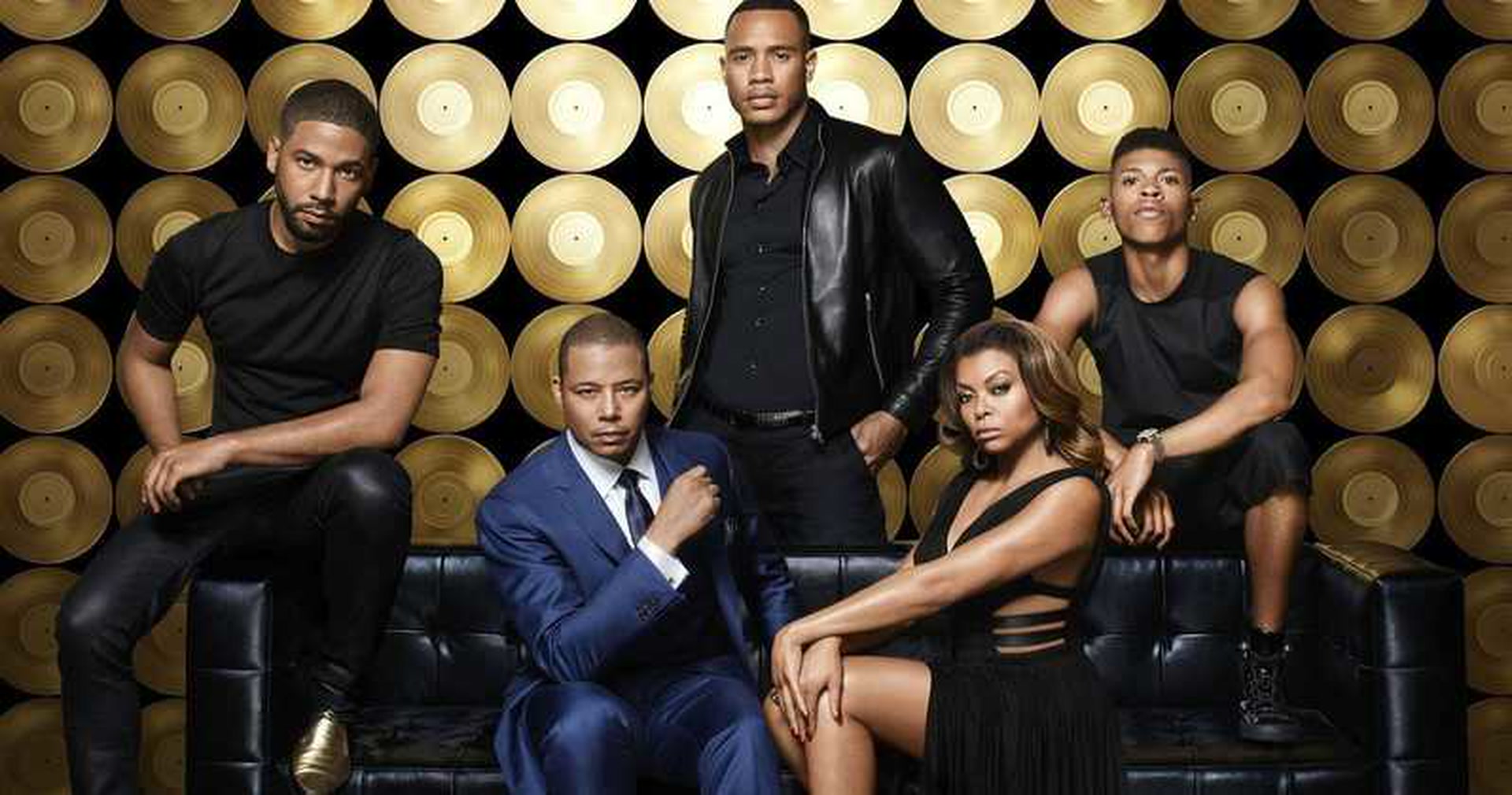
Before we could scroll TikTok and see the fabulously rich lives of Black influencers, audiences turned to their TV sets to see examples of Black wealth. Today I can stream Empire and Bel-Air, or reel back to Girlfriends and, well, the original The Fresh Prince of Bel-Air to see rich Black characters flaunting their fortunes, but it wasn’t always this way.
The 1970s hit Sanford and Son was all about the working class, but this father and offspring owned and operated their home-based junk and antique business in Los Angeles, showcasing that we could claim our piece of the American Dream. And then there was The Jeffersons, which premiered on CBS on January 18, 1975. George Jefferson owned a successful dry-cleaning chain, so he and his devoted wife, Louise, moved to a “deluxe apartment” in the sky, showcasing one of the first Black families to have wealth as the norm.
From the 1970s onward, more networks began to air shows centered on Black characters, and their fictional bank accounts started to get bigger. As I look back at the family sitcoms my Gen X parents grew up with and stream new series that keep me clicking through fan pages, I’m reminded of the journey it took to get to rich Black families being the norm on TV.
The Cosby Show (1984)
As the world advanced into the 1980s, so did the kinds of Black families broadcast into millions of U.S. homes. Even today, I scroll past clips of The Cosby Show on my Instagram explore page with comments praising the show’s reflection of a cozy Black upper-middle-class life.
The Huxtable family carried on the idea of a “full Black family” that the 1970s hit Good Times had set in motion, but this time the family lived in a spacious Brooklyn brownstone. The kids wore fashionable clothes and went to expensive schools like Princeton University. When audiences looked at the screen, two Black professionals making good money—corporate attorney Clair Huxtable and doctor Cliff Huxtable—reflected back at them (we can thank Camille Cosby, Bill Cosby’s wife, for her influence on the character’s lifestyle).
The Cosby Show realized that “movin’ on up” meant having a combination of money and education. It’s safe to say the sitcom set the bar for the types of Black wealth audiences would see in the next decade.
The Fresh Prince of Bel Air (1990)
Things were scaled up a notch in the 1990s. I can’t have this conversation on Black wealth without including TV’s most memorable (and my personal favorite) affluent Black family, the Banks family, from The Fresh Prince of Bel Air.
The sitcom showed a life that was no longer defined as “getting by” or even just “comfortable.” Philadelphia-native Will Smith is thrown into a world that is the very definition of opulence at the start of the show; lawyer-turned-judge Uncle Phil and Aunt Viv have pockets deep enough to afford a white-column mansion, a pool, and a sharp-tongued butler in a black tux. Will’s cousin Hillary spends money on shopping sprees as if it grows on trees.
Black audiences, whether through its original air date or through reruns years later, got to see the Bankses live a rich lifestyle in an even richer California area code, becoming the era’s blueprint of Black wealth and success, and a whole new generation would discover the Will and Banks family through its dramatic reintepretation, Bel-Air, in the 2020s.
Living Single (1993)
The ‘90s also brought audiences a lot more variety in the kinds of jobs Black characters could have and be successful in. In Living Single, being a Black professional didn’t just mean becoming a medical professional or a lawyer. I was personally inspired by Khadijah James running Flavor magazine independently. While the main ladies weren’t fabulously flaunting stacks of cash, audiences saw financial stability without being part of a traditional family unit or marriage.
While yes, the girls did share an apartment in a Brooklyn brownstone, they still lived a comfy life in that incredible New York City duplex while chasing their dreams. The living room and bathroom were as big as their career aspirations. Khadijah was decked out in gold necklaces and cute hairstyles while still making things work as a creative entrepreneur, and her cousin Synclaire James was finding her way as an actress.
Shows in the 2000s would follow in its footsteps, being unafraid to show a version of Black success and comfort beyond a traditional family life.
Black-ish (2014)
Jumping forward to the 2010s, we came back nearly full circle to the vibes of The Cosby Show when Black-ish debuted. The Johnson family patriarch, Andre, is an advertising exec, and matriarch Rainbow is in the medical field. The four children attend good schools and live in a larger-than-average home.
But unlike The Cosby Show, the Johnsons’ wealth manifested itself in a house in white suburbia, which meant the show dove into the sticky conversations of what it means to be wealthy while holding onto Black identity and community in a white space. What does wealth and success mean when you struggle to build a community that relates to you? Those are the kinds of questions creator Kenya Barris built into the show decades after we saw Black characters on the come-up pop up on network after network.
Empire (2015)
The primetime dramas of the time gave us some of TV’s boldest portrayals of Black power and wealth. The Lyons built their success from nothing, transforming their talent and determination into a multimillion-dollar music company. Lucious flaunted that wealth through his lavish lifestyle and his children, and, much like William Shakespeare’s tragedy King Lear, had his three sons competing for control of the family business. And then there was his wife, Cookie, newly released after 17 years in prison, whose wardrobe screamed, “I’ve always owned 51 percent of this, honey.”
The Lyons family represented the kind of Black wealth created through ownership. Empire Entertainment gave the family access to mansions, political influence and generational opportunity. But it also showed that wealth does not guarantee stability. While powerful and aspirational, the series tapped into the conflicts that arise around money, family and past discretions, painting a picture that the grass isn’t always greener just because you can afford landscaping.
All American (2018)
The teen shows of the late 2010s hold a special place in my heart for all their edginess and grit. Pivoting away from the popular sitcoms and comedies that came to define the evolution of Black wealth on TV, my generation also had shows like the CW’s high school drama All American.
All American represents a different reality of the way Black wealth is built, one that many of us recognize as true. A clear way out of the paycheck-to-paycheck life that South Crenshaw native Spencer James lives is through playing sports, specifically football, at a fancy Beverly Hills high school. His coach’s large house is an example of someone who moved up in life thanks to playing in the NFL.
While All American wasn’t an example of an aspirational family, it reflected a path many Black Americans have viewed as a way to build their finances: excelling on the field, getting noticed by recruiters, and signing a multi-million-dollar contract out of a working-class life.
Beauty in Black (2024)
We’ve officially transitioned into the streaming era, where Black creatives have taken rich Black characters to new heights by creating stories around family dynasties. Audiences have been clamoring for more, with shows like Tyler Perry’s Beauty in Black reaching 1.42 billion minutes viewed on Netflix in March.
Beauty in Black is the latest example of Black creatives being unafraid to explore the devious side of wealth, where securing the bag by any means necessary has become the norm for dramas. At the center of the show are the Bellaries, a family of beauty moguls who have built wealth not just from hard work but from a seedy underground operation, and Kimmie, who has joined the family from modest means and may be the one who finally makes it pay for its sins. Its third season, which dropped its latest trailer yesterday, promises to keep the Benjamins moving.