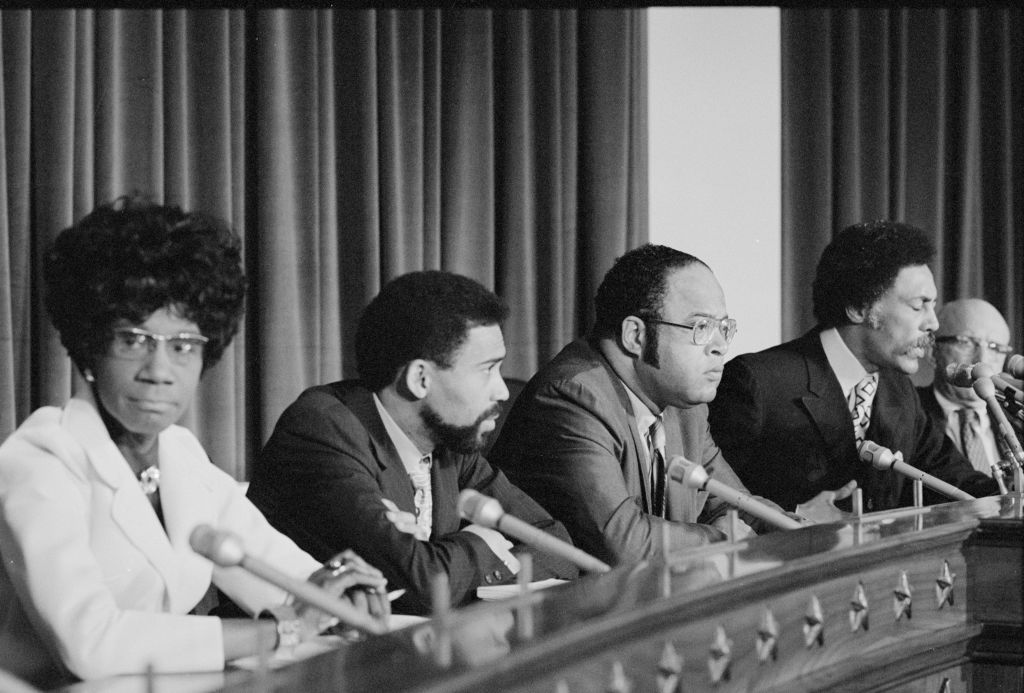
As momentum for the 2026 midterm election cycle continues, we are reminded of the strides that advocates for representation and rights within the Black community have made. This includes those of the Congressional Black Caucus (CBC) and its existence today.
What started as a need for communal support in Congress quickly turned into hands-on work from day one after the CBC made the decision to boycott that year’s State of the Union Address after President Richard Nixon refused to meet with them in 1971 to implement provisions in support of the African American community.
Its founders include Rep. Louis Stokes, Del. Walter E. Fauntroy, Rep. Robert N.C. Nix, Sr., Rep. Parren J. Mitchell, Rep. Augustus F. Hawkins, Rep. Charles C. Diggs, Jr., Rep. John Conyers, Jr., Rep. Charles B. Rangel, Rep. Ralph H. Metcalfe, Rep. William L. Clay, Sr., Rep. George W. Collins, Rep. Ronald V. Dellums, and Rep. Shirley Chisholm. Many of them made their own individual civic contributions to society, including running for higher office, authoring pieces of literature, and introducing new legislation, to name a few.
Today, the CBC has continued its work of advocating for the Black community in rooms where they are not always represented. Both in policy and larger decision making, they’ve been able to contribute to causes such as anti-apartheid legislation for parts of South Africa, pushing through the official dedication to honor Dr. Martin Luther King Jr. as a federal holiday, and even helping to enact the George Floyd Justice in Policing Act that the United States is still under today.
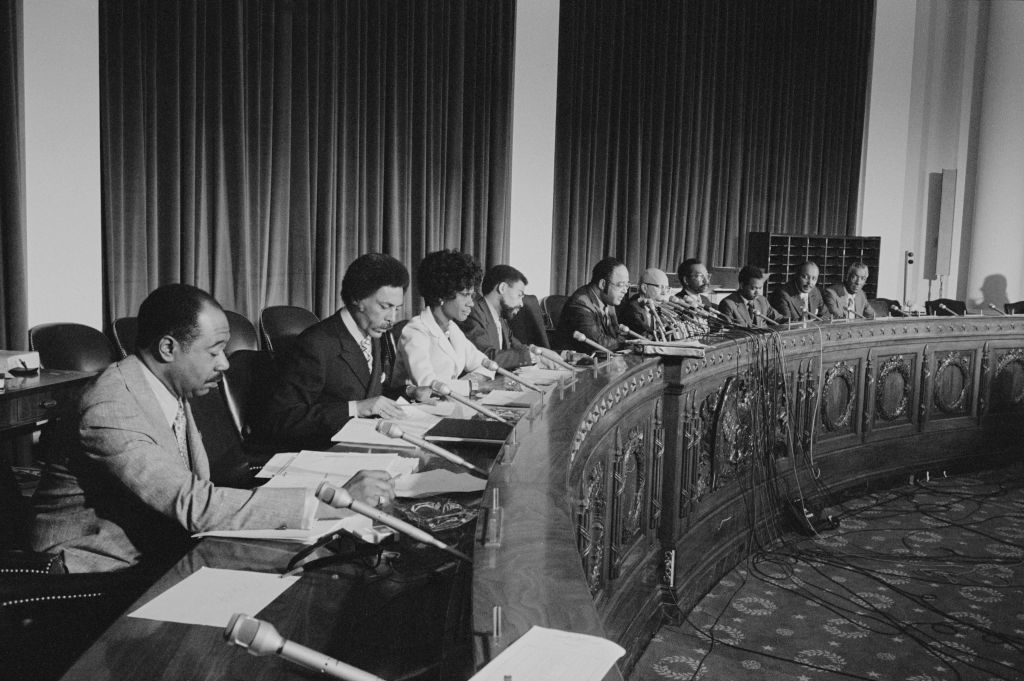
Their societal impact has gone beyond civic participation to span across climate change reform, educational equity for students of color, healthcare and medicine, police accountability for public safety, and addressing the unemployment rate for Black people across the country. In comparison to other historic organizations that have helped to catapult the Black community in the rights that they sit in today, the CBC has continued throughout each organization to remain and grow their impact in more ways than one. From setting a precedent of meetings between CBC members to the Oval Office to making history with former President Barack Obama becoming the first and only member to date of CBC to hold the position, the organization has continued to be in the boardroom and on the ground ensuring civic advocacy and equality remain constant.
The prevalence of the organization decades after the Civil Rights Movement is because while representation of Black people has increased in Congress, the direct address or community issues and legislation that impacts the community is still a lower amount than what’s accounted for. They also continue to have Congress members as members of their organization that help to push forward minority advocacy. As of today, the CBC has a total of 58 members in the U.S. House of Representatives.
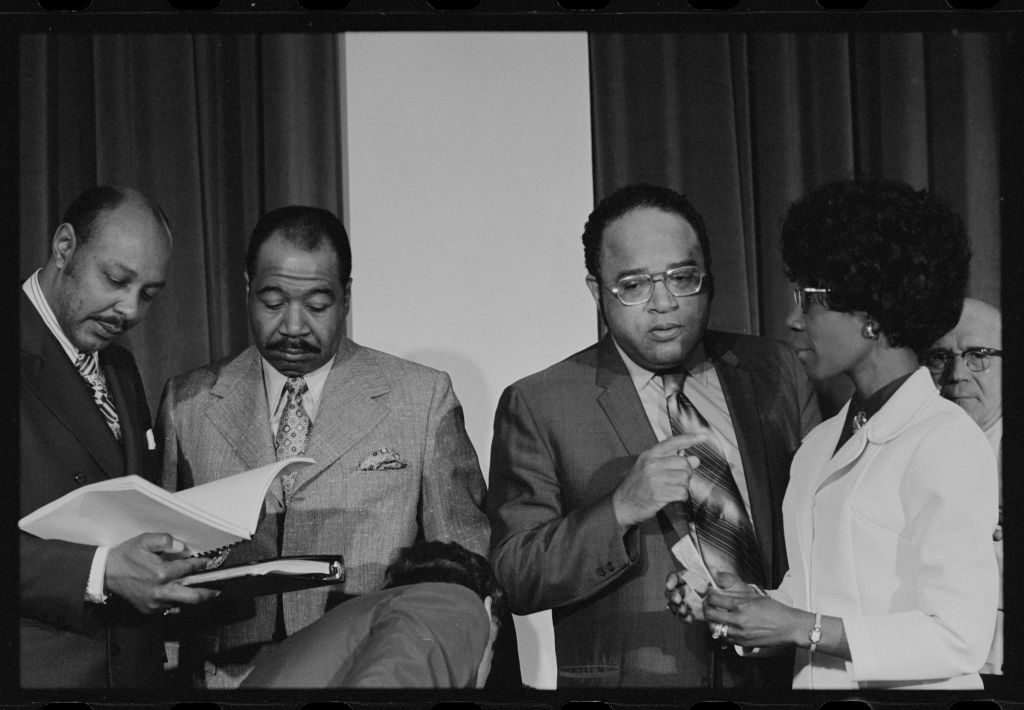
With one of the organization’s focuses being on voting rights, their efforts ahead of the midterm elections have included a webpage called 2026 Midterm Watch: The Status of CBC dedicated to real-time tracking of this election season for each representative that is a part of the collective. With the recent districting in southern states after the Supreme Court decision to overturn the Louisiana v. Callais case, which supported race-based district drawing to support minority communities in voting. CBC members and voters alike have been keeping a closer eye on how to best navigate voting efforts for themselves along with others. The tool gives a person-by-person breakdown of how each representative has been impacted by redistricting.
Last month the organization’s nonprofit extension also rolled out their “SO VOTE” campaign dedicated to boosting voter participation and mobilization. The campaign strategically has taken to the streets to connect with other local organizations, churches, Divine Nine sororities and fraternities, content creators, and other Black-centric entities to spread voting awareness.
To learn more about the Congressional Black Caucus and the work they’re doing both for the upcoming election and beyond, you can visit their website here.