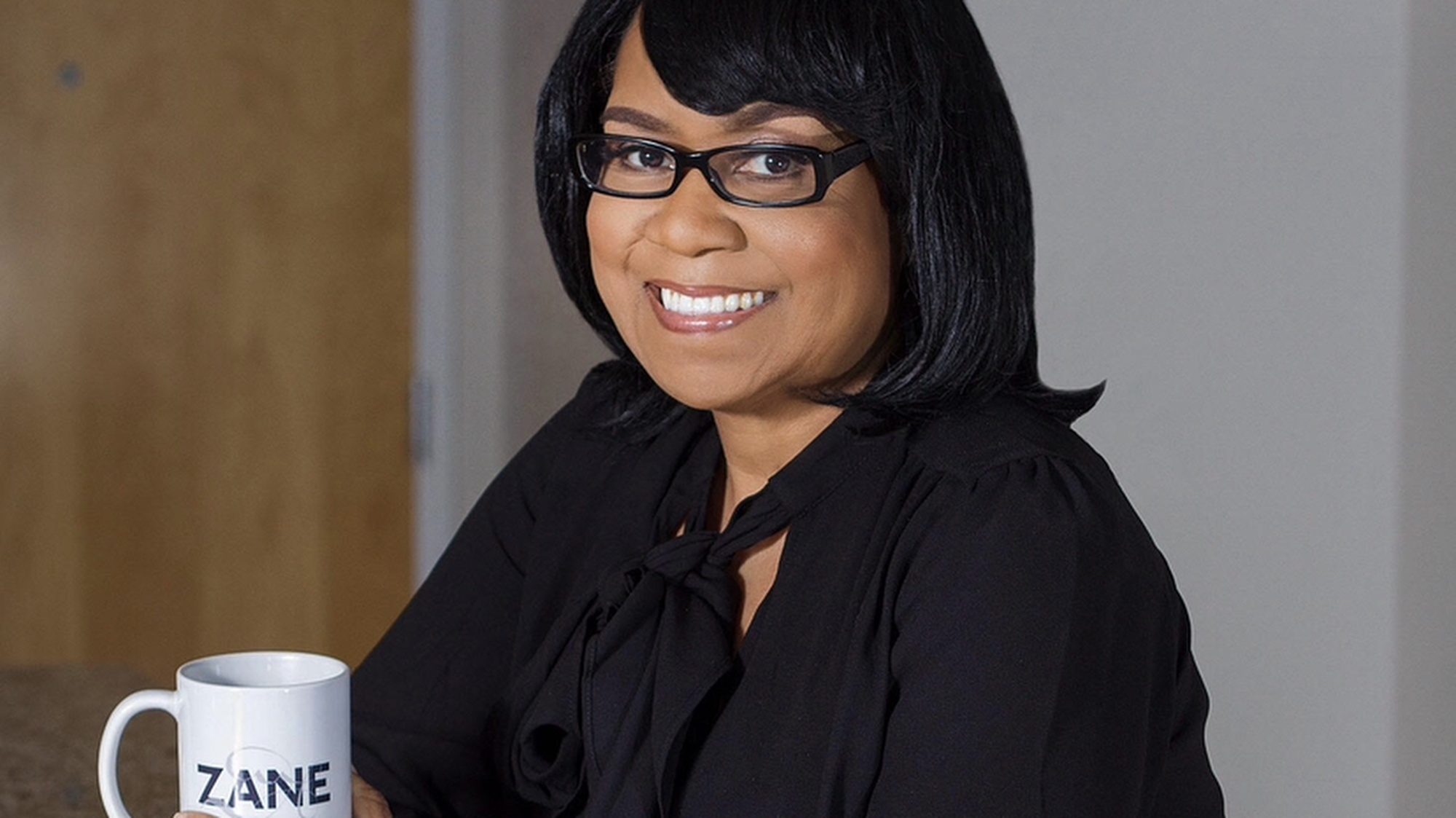
Kristina Laferne Roberts started writing short stories out of boredom during the early age of the internet. Using AOL chat rooms and its mailing list for reach and recognition while remaining incognito, Roberts’ “crazy imagination” gained her a following of loyal readers who indulged in her spicy, fictionized lore. Her newest escape became her superpower, transforming Roberts into her new moniker, Zane. “Ain’t nobody in my real life knew that I was doing this. I really led a double life for five years. I felt a safe space doing that because I figured if I do this, I can always walk away from it,” Roberts told EBONY. “I knew there was going to be a lot of backlash, which I also thought was comical. I was surprised that people had such an issue with women expressing their sexuality.”
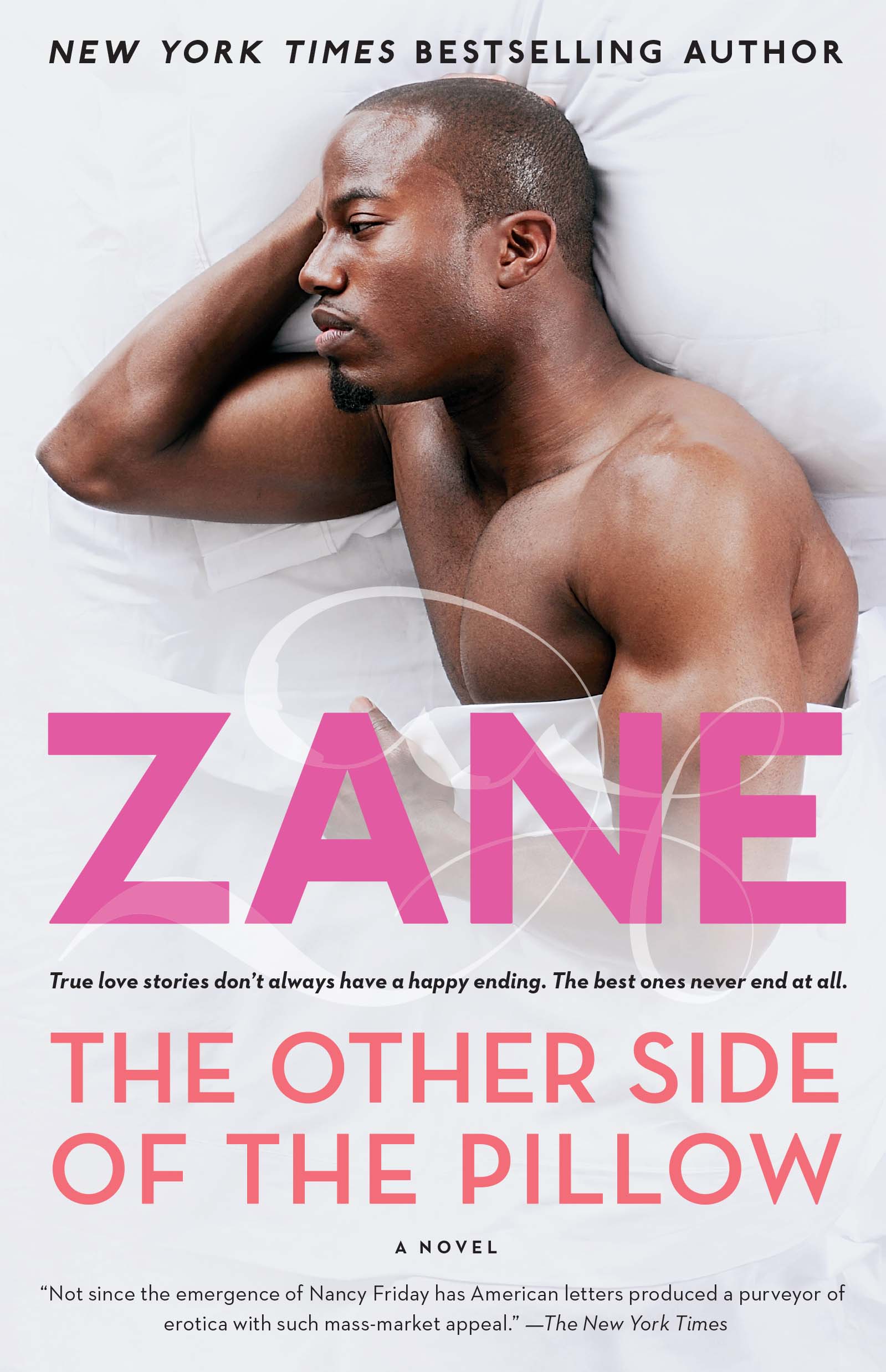
Driven by misogyny and traditional expectations, she started her newsletter on her site, “eroticanoir.com,” which became the blueprint behind her impact. Since there was a buzz, publishers mistook her juicy pieces for a book and contacted her about deals, but to her dismay, they wanted to play tone police, suggesting she write “a typical Black romance novel.” Through unsolicited advice from book distributors and a slight bout of imposter syndrome about whether her first book would flop, Roberts defied the outside noise and published Sex Chronicles: Shattering The Myth.
Even though Roberts overcame censorship, her cultural impact in the late 90s to mid-2000s literacy scene was a hurdle. She revealed that publishers were seeking a replica of the novelist, and certain Black-owned bookstores were reluctant to include her in their inventory—an act she still refuses to book a signing for, out of their belittlement. “Some of the bookstores that initially said they wouldn’t sell my books. By the next year, a few of them were thanking me for keeping their lights on,” she said.
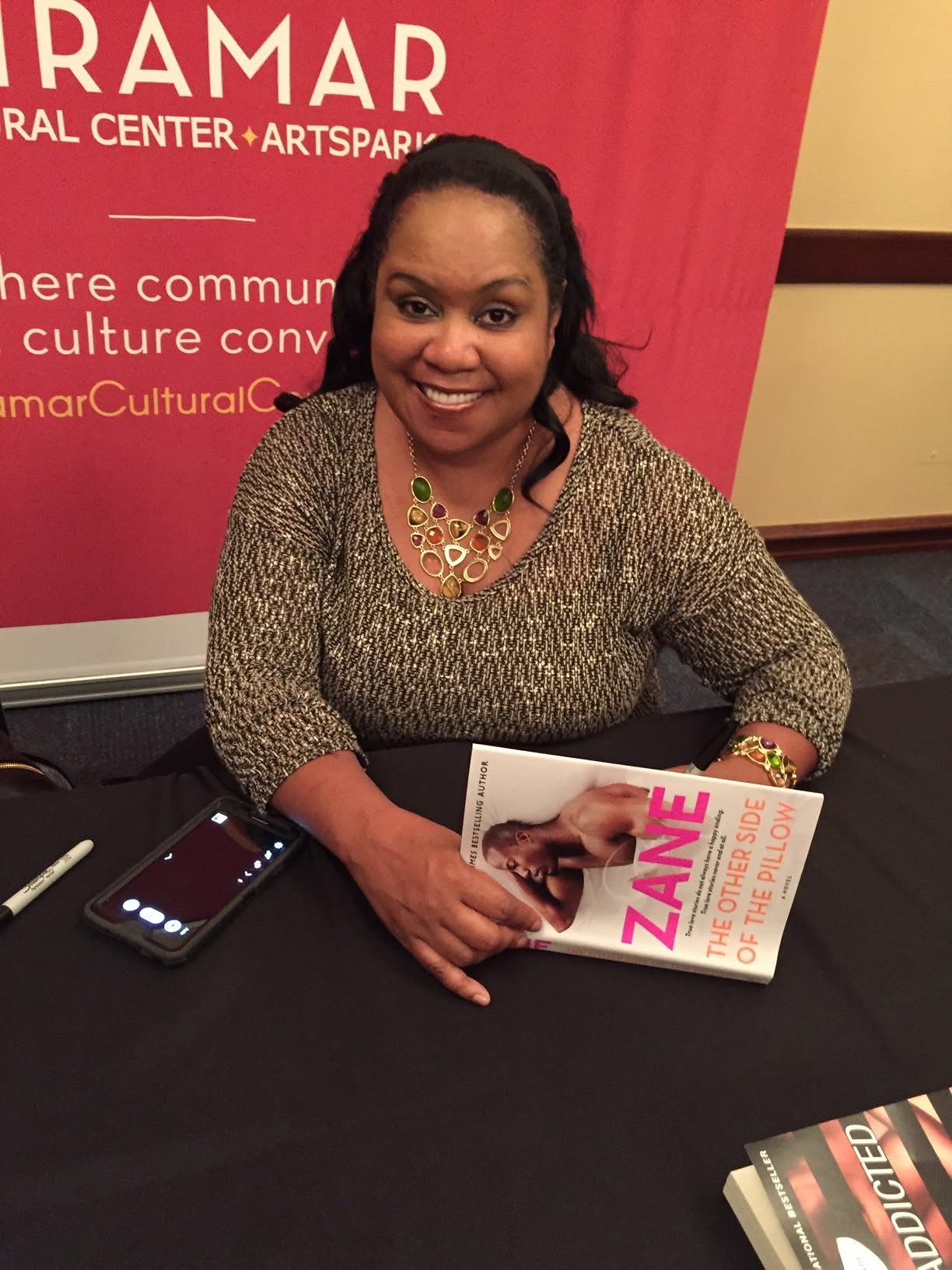
While the author didn’t think erotica was a genre synonymous with her work, as she still doesn’t read much erotica or contemporary romance authors, she believed her character development and detail-oriented dialogue contributed to her achievements. Consequently, her explicit tales of love-making are woven through every sentence. “I don’t believe in calling stuff like ‘his tool’ or ‘my flower.’ That’s not how I actually talk. I called it what people call it,” she said.
In her bestsellers, the vivid characters were drawn from her experiences and those of her peers. Roberts encapsulates Black bodies enjoying each other’s seductive escapades as she envisions her characters—beautifully crafted, imperfect individuals whose actions are relatable and cinematic in her mind. The novelist centers Black women as a universal force within her orbit. She often unpacks their sexual desires, but believes embracing their sensuality in her books helps women become autonomous. Roberts adds that many women are uncomfortable with being in control. Whether she was questioned on how to be in the “riding position,” learning mutual pleasure was taboo to women since appreciating their bodies became unheard of without the presence of a man.
“Understand what turns you on, what turns you off, being able to communicate that to another person and being able to be the aggressor in a situation, instead of sitting there waiting for a man to reach out and touch,” she told EBONY. “Now I’m not saying a woman has to go out and hang from chandeliers, but if you’re with somebody that you should feel extremely comfortable. You shouldn’t feel ashamed to be yourself and to express your desires.”
From writing notable novels to shooting her steamy TV dramas, Roberts’ display of “being freaky” varies across her artistry. She reminisces about her series The Jumpoff, which centered on men balancing intimacy with women they cherished versus situationships that remained casual—a commonality that persists in dating today.
Roberts’ transition from renowned author to publisher—a daunting and exhilarating experience she bowed out from in 2018. Succeeding as a publisher became taxing once distribution and bookstore operations ceased, creating deplorable optics. Also, Roberts didn’t feel appreciated by certain writers under her imprint, who felt she wasn’t credited for granting advances and selecting books for publication, which left her feeling “nonexistent.” The novelist praises David Valentine Bernard and Stephen King for their in-depth writing and for making fiction appear photographic. With Substack serving as a hub for fiction and romance writers, Roberts challenges those willing to take a page out of her book to simply remain resilient.
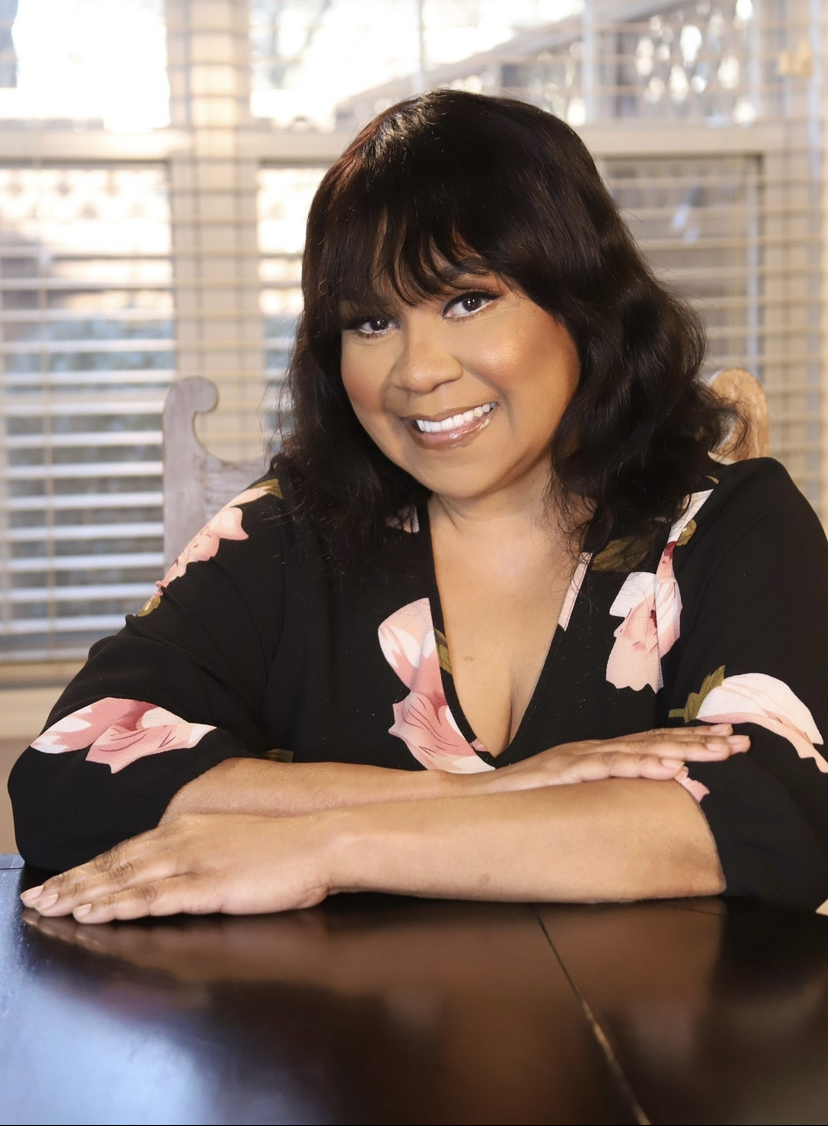
When she first started, making dialogue sound relatable became her greatest adversary. Now, her signature and provocative exchange enunciates more clearly than any audio. She reflects through writing, using it as self-entertainment, pouring every emotion into every sentence. Roberts says she writes books she wants to read and challenges prospective writers to keep a separate file for characters, and to decipher their writing style while staying disciplined, stating that writing should be treated as a profession rather than a hobby. “You should find your own voice. You don’t have to be great to start, but you have to start to be great,” she said.
Roberts still pushes her pen. Her awaited project, Nasty Work, is set for release next year. The archivist confesses her favorite novel is always the one that’s currently in production. When she completes a book, she releases her characters and the journey that culminates in their evolution. Her goal is always to outdo herself with any new material. Aside from tugging at her readers’ heartstrings, Roberts decided to teach film and theater at Camp Jewell House Performing Arts School, where her mentorship helped one of her students star in a movie. Roberts always showered her community. Now the legend wants to proclaim to others that dreams do not need external validation.
“You’re entitled to your own dream. There may be times where you feel burnout, and it’s okay to shift gears, but try to keep as motivated as you can,” she told EBONY. “I chose my own lane and it wasn’t based on people trying to be puppeteers in my life.”