
Some of the most important lessons Black fathers and father figures taught us had nothing to do with words. They were taught through routine. Through care. Through the quiet rituals that happened before church on Sunday mornings, family reunions, graduations and first days of school. They happened while watching a father iron a shirt until every crease disappeared, lace up a pair of polished shoes or stand in the mirror adjusting a tie one final time before walking out the door.
For many Black children, style was one of the first languages our fathers and father figures spoke to us. Not because they cared about labels or trends, but because they understood something deeper. They knew presentation could open doors. They knew confidence often begins with preparation. And they knew that in a world that didn’t always extend grace to Black people, showing up looking your best was a way of protecting your dignity before you even spoke.
Long before social media turned personal style into content, Black fathers and father figures were teaching entire generations how to carry themselves. They reminded us to tuck in our shirts. They taught us the difference between everyday sneakers and the pair reserved for special occasions. They handed down watches, showed us how to knot ties and insisted that looking presentable wasn’t about impressing other people. It was about respecting yourself.

The lessons often started early. Maybe it was being woken up on Sunday morning to the sound of an iron hissing across a church shirt. Maybe it was hearing someone remind you that wrinkles were unacceptable once you stepped outside. Looking presentable wasn’t about vanity. It was about pride. For generations of Black families, getting dressed was connected to something much bigger than clothes. It was about self-respect, discipline and showing up for yourself no matter what challenges the world placed in front of you.
Then there were the cologne collections.
Every Black household seemed to have at least one man with a signature scent. The bottles lined up on a dresser like trophies. Some swore by aftershaves. Others rotated fragrances depending on the occasion. One scent for work. Another for date night. A special bottle reserved only for church, weddings and family reunions. You weren’t allowed to touch them, but you definitely remember them. Years later, one whiff of a familiar fragrance can instantly transport you back to childhood.
The same could be said for watches. Receiving your first watch wasn’t simply about telling time. It was a rite of passage. A signal that you were growing up. Whether it was a gold-tone department store special, a hand-me-down from your grandfather or the watch you earned after graduation, it carried meaning. It represented responsibility. Maturity. Achievement.
And then there were the rituals we all recognize.

Watching a father knot a tie without looking in the mirror. Seeing an uncle spend twenty minutes getting the crease just right in a pair of slacks. Learning that there were everyday jeans and then there were the “good jeans” reserved for special occasions. Every family seemed to have a version of the good jeans, tucked away in a closet waiting for church, birthdays or holiday dinners.
Of course, not every style lesson came from a biological father. For many Black Americans, father figures helped fill those spaces. An uncle who made sure you looked presentable before leaving the house. A grandfather who taught you how to polish your shoes. A coach who reminded you that discipline starts long before game time. A barber who asked about your grades while perfecting your lineup. In Black communities, fatherhood has often extended beyond bloodlines. The men who invested their time, guidance and attention helped shape how many of us learned to move through the world with confidence.
No conversation about Black style would be complete without acknowledging the barbershop. The lineup has always been more than a haircut. It’s confidence. It’s preparation. It’s transformation. A fresh cut before picture day, prom, graduation or a first date wasn’t optional. It was essential. The barbershop has long served as a gathering place where young people absorb lessons about appearance, community and manhood all at once.
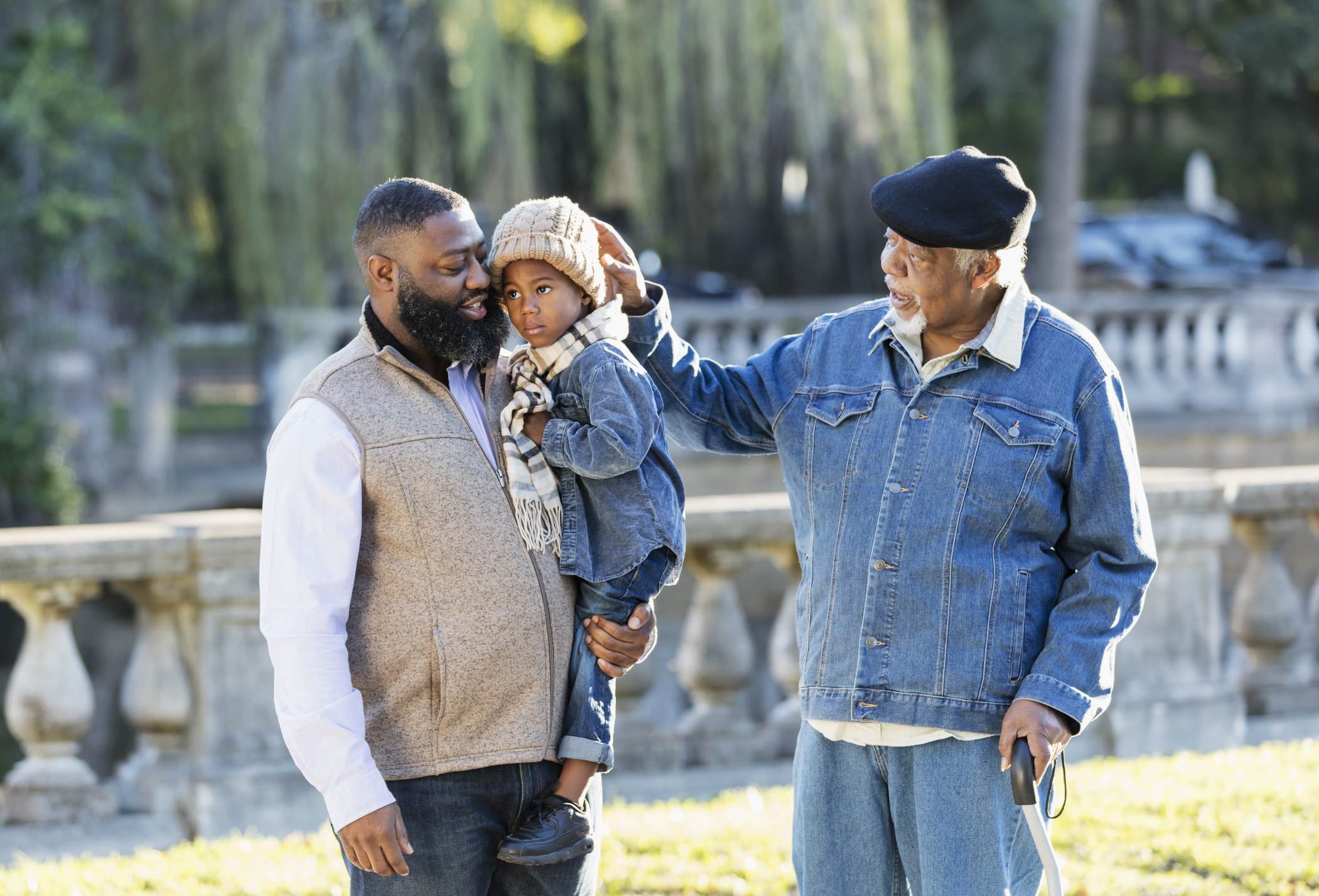
Black celebrities often tell similar stories. Athletes, actors and musicians regularly credit fathers, grandfathers, mentors and neighborhood elders for teaching them how to carry themselves. The lesson was never solely about clothes. It was about presentation. About understanding that how you show up in the world matters.
This Father’s Day, it’s worth celebrating the fathers and father figures who helped shape us. Some taught us how to tie a tie. Others taught us how to walk into a room with confidence. Some passed down watches, favorite colognes and Sunday morning routines. Others simply showed up, offering guidance when it was needed most.
That’s the true legacy many Black fathers and father figures leave behind. Not just a sense of style, but a sense of self. Every polished shoe, every crisp collar, every fresh lineup and every bottle of cologne sitting on a dresser told the same story: You matter. Carry yourself accordingly.
And for many of us, that’s a lesson we’ll carry forever.