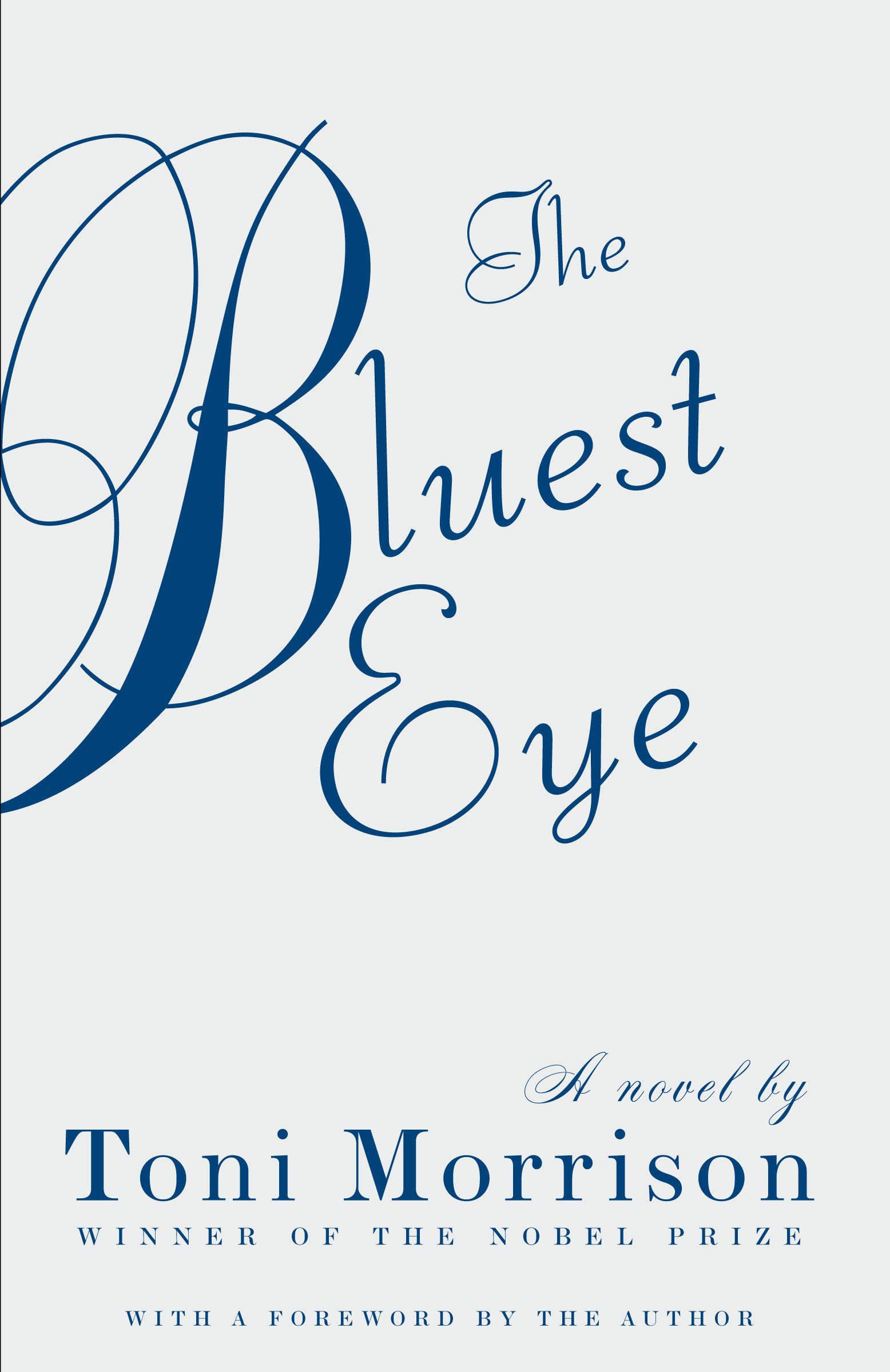
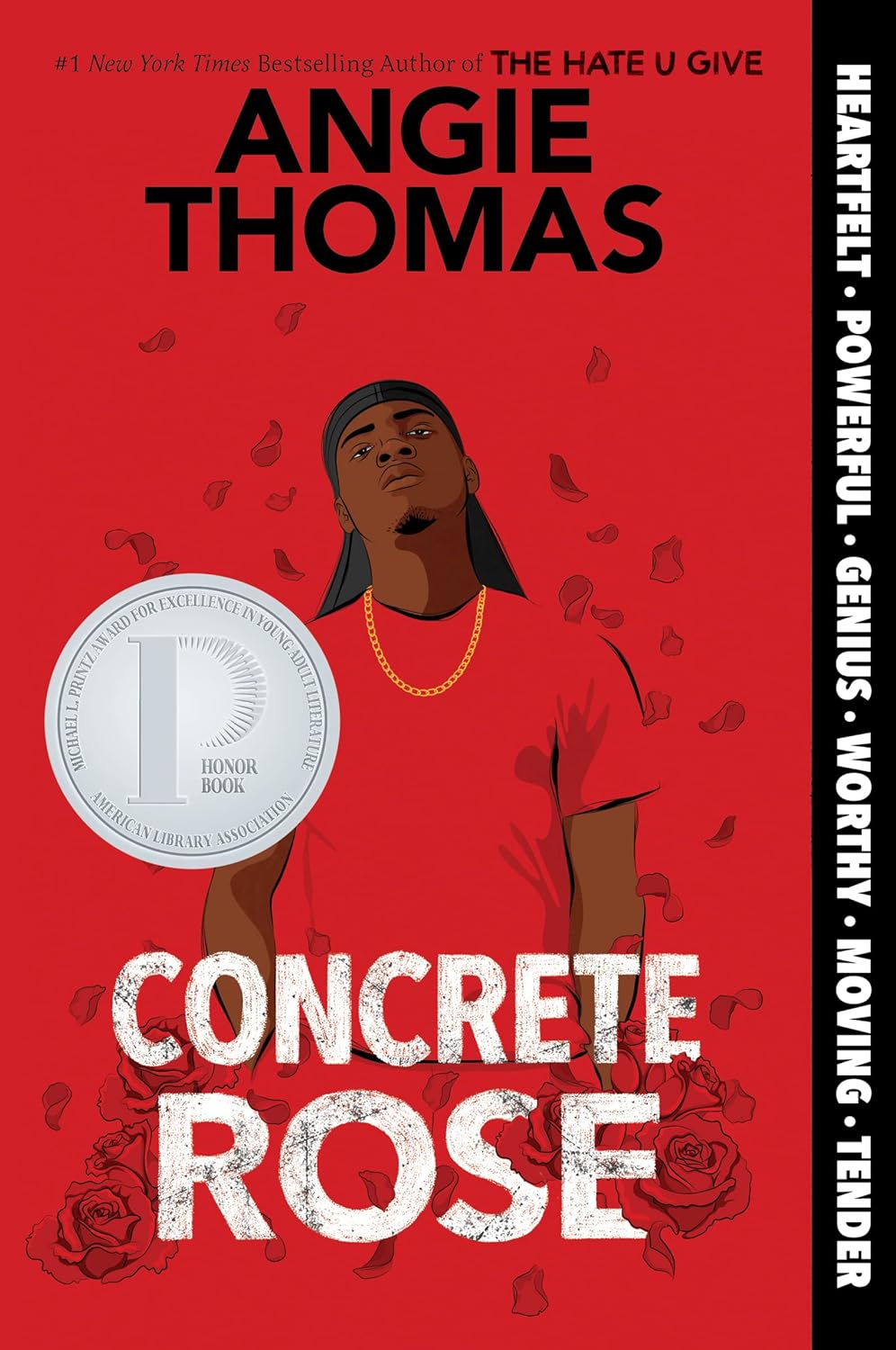
Black stories are still being pushed off school library shelves. Florida’s latest school-year removal report, highlighted by PEN America, includes Angie Thomas’ The Hate U Give, Tiffany D. Jackson’s Grown and Toni Morrison’s The Bluest Eye. Whatever the stated justification, the result is fewer opportunities for students to encounter Black lives in all their complexity.
For Thomas, the stakes extend beyond her books. In a statement on her website, she explains that books can be a part of the resistance. “I look at books as being a form of activism. Sometimes they’ll show us a side of the world that we might not have known about,” she shares.
That resistance extends to social media. After a British school removed The Hate U Give from a reading list, publisher Walker Books shared an open letter on LinkedIn in 2025, defending the novel and opposing censorship. Its response emphasized the importance of stories that help young readers confront uncomfortable truths. It’s a reminder that protecting children should include equipping them to understand the world they inhabit.
Organizations and advocates are also pushing back to defend authors’ freedom of expression and our freedom to read their work. Banned Books Week begins October 4. On October 5, the second annual Save Our Stories supper, hosted by Penguin Random House, will bring the fight against censorship into focus at the New York Public Library.
Librarian Mychal Threets, Ibram X. Kendi, representatives of the James Baldwin and Vonnegut estates, and others will attend to celebrate the power of stories and the freedom to read.
PEN America is also preparing its annual accounting of school book bans, documenting which stories students are losing access to and why protecting them remains urgent.
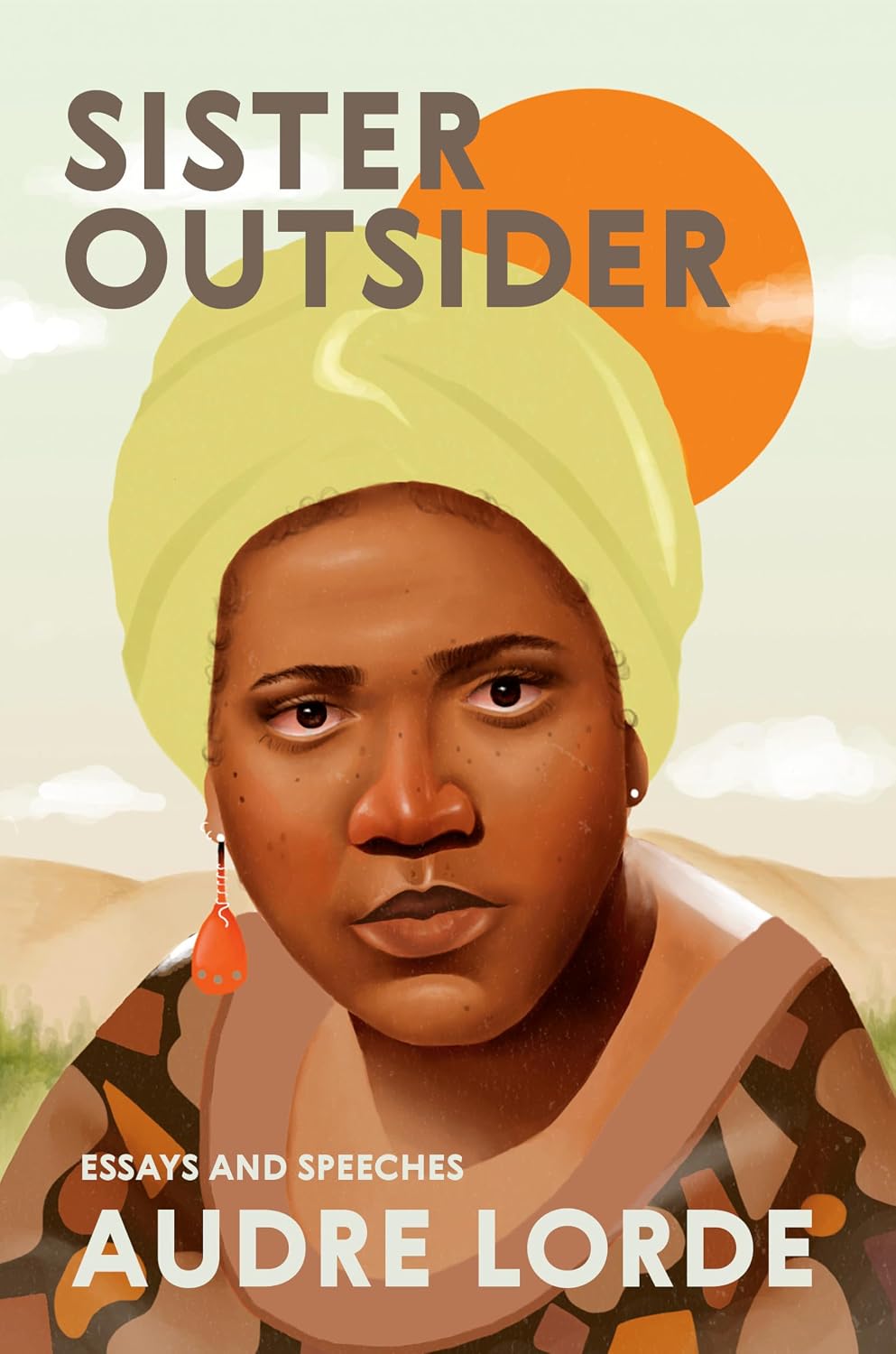
Here is our annual roundup of banned books that belong on your shelves to read, reflect on and understand why our stories should never be silenced.