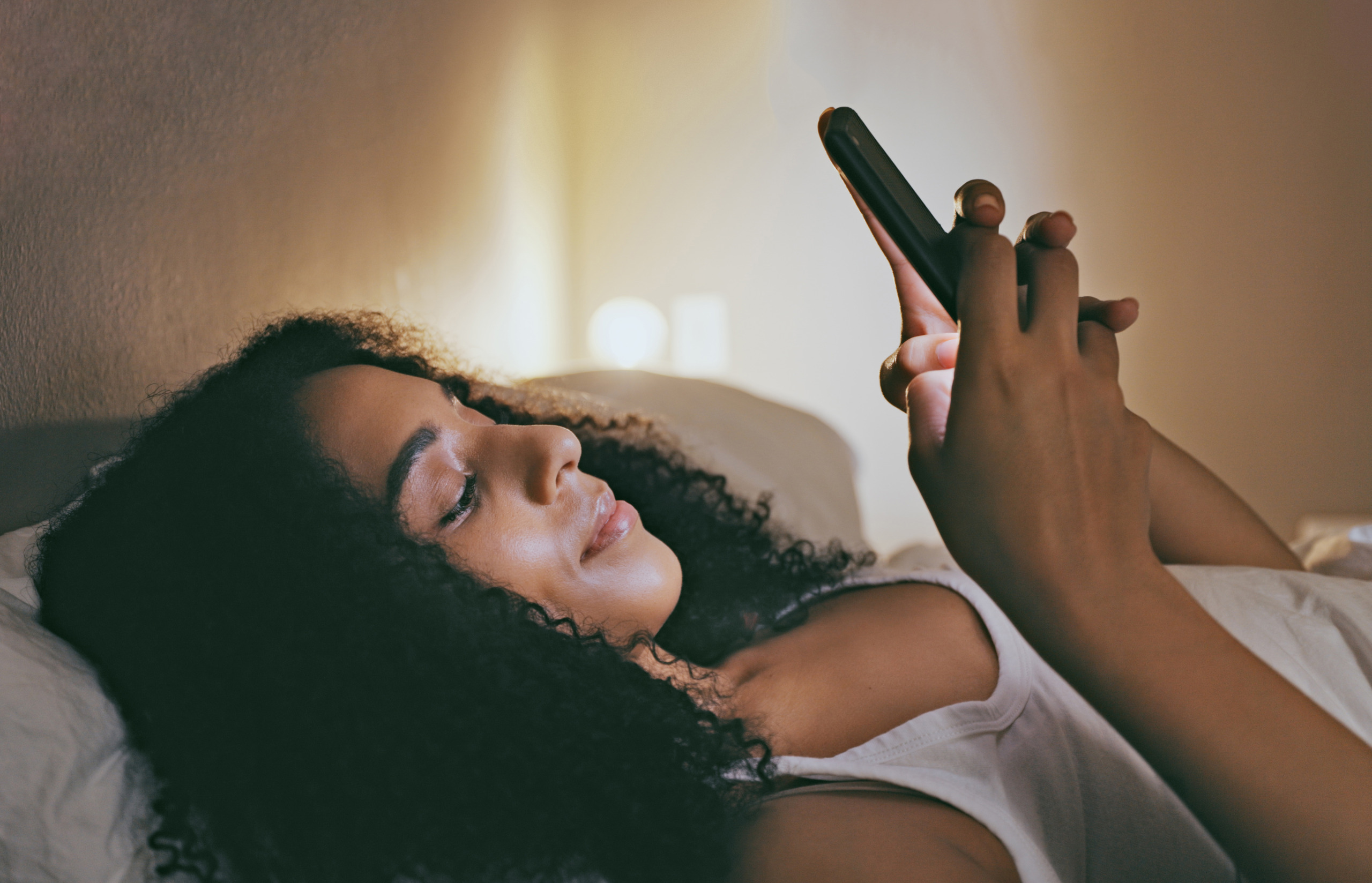
Only the sun setting in the early afternoon and the brisk fall weather can bring a familial emotion that cuffing season can only answer. One might add that a few dating sites, a couple of scrolls, and a double tap can manifest a special comfort during these cooler months, but only if that person has the perfect body, porcelain teeth, is career-oriented with over six figures, is well-traveled, and is an avid hobbyist who hopefully embodies their curated aesthetic. If those criteria don’t apply, it’s simple—swipe no. However, why dismiss this individual without a conversation, better yet, why is it so easy?
“There is this sort of framing that psychologists describe as a paradox of choice. It’s when we perceive that we have an endless number of options. Then we become more focused, essentially, on finding the best possible choice, and less willing to truly invest and take the time necessary to discern whether a connection actually has potential,” said Dr. Cashuna Huddleston.
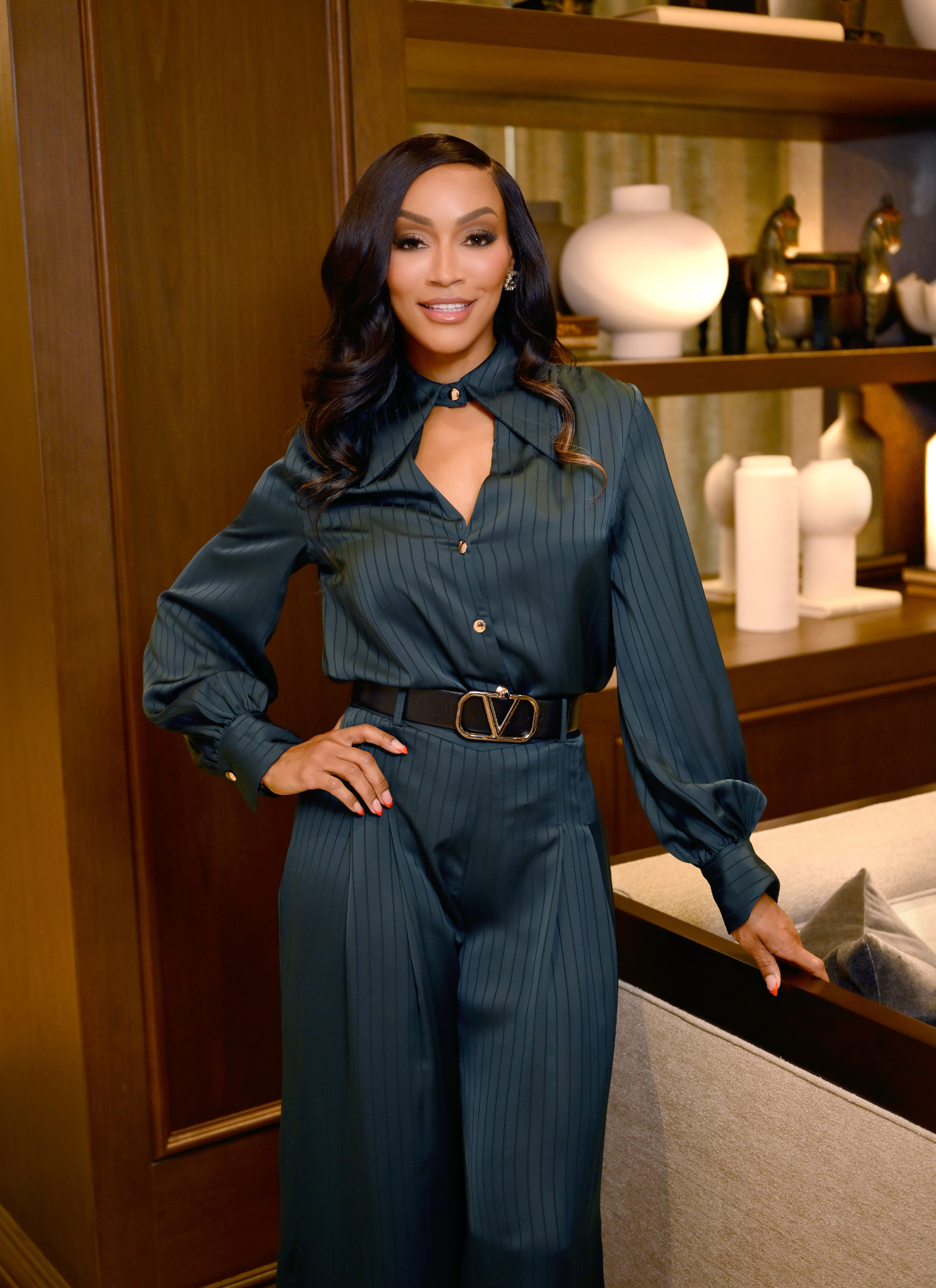
She adds, “Small things that we might have overlooked or explored even further if we met the person just organically at the local coffee shop can quickly become reasons for people to swipe left and move on to the next person or just completely ghost you.”
With her work as a licensed psychologist and assistant professor of psychology at Texas Southern University, Huddleston believes dating apps admit a broader view of companionship. She adds that dating apps offer a positive way to explore a new environment and meet people, but believes these platforms make daters critical of potential partners.
“I think these dating apps encourage us to evaluate people on a checklist. Height. He’s too short. She’s too tall. Career. He didn’t go to college,” she told EBONY. “I think you have to give a little bit more room to meet people and really get to know them.”
Huddleston says swiping to the next becomes easier to negate the emotional labor and vulnerability. She claims the real work happens outside the app for a promising bond. The educator advises those in larger cities not to be discouraged, to use discernment, and to give potential romance a fair chance.
Cameron Hope became a Tinder user when he enrolled in college. Almost ten years later, the 26-year-old explains he occasionally uses the apps but prefers to meet his potential beaus in person since he believes online dating is for “accessibility purposes.” Hope admits the swiping left or right technique made him picky—a concept that accompanies the territory of online dating. Hope believes it’s challenging for individuals to connect with reality and with those in proximity. As he navigates connections as a Black gay man, he recognizes the parallels of being the rejector and rejected—part of which could feel isolating.
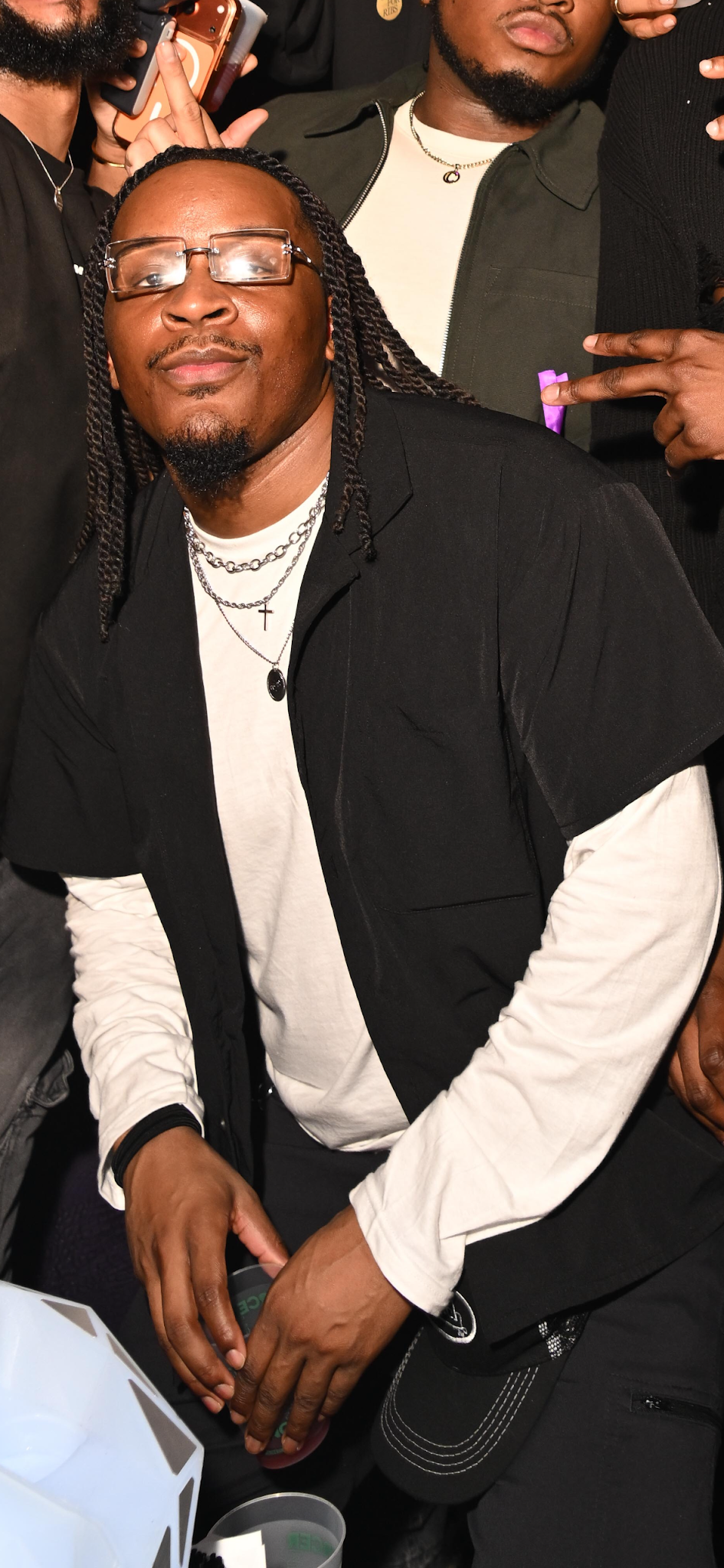
“Sometimes it can be something as simple as them saying no, or they could ghost you or block you,” he told Ebony. “Sometimes it sucks, but you know you learn to take it to the chin and keep pushing. No shade.”
Though he says the apps can have a hypersexual connotation, he doesn’t shy away from expressing his needs despite the current state of online dating. If necessary, Hope allows himself a mental health check-in and gives himself time to adjust.
He reiterates that those who have standards should maintain a balance that doesn’t go against one’s judgment, but should question which values are worth negotiating, especially where potential partners are deemed disposable. To him, his standards are aligned mentally, physically, emotionally, and spiritually. Despite his journey, Hope remains lighthearted and persistent with his dating experiences.
Trenton M. Alford prefers online dating since in-person interactions require him to “spit game” and “put effort”. From Alford’s perspective, he recognizes that women exude a blasé attitude when men try to converse with them in social settings—causing a rift between one’s true intentions and expectations. Though Alford appreciates a challenge when pursuing women, he says on the apps that charisma sells itself.
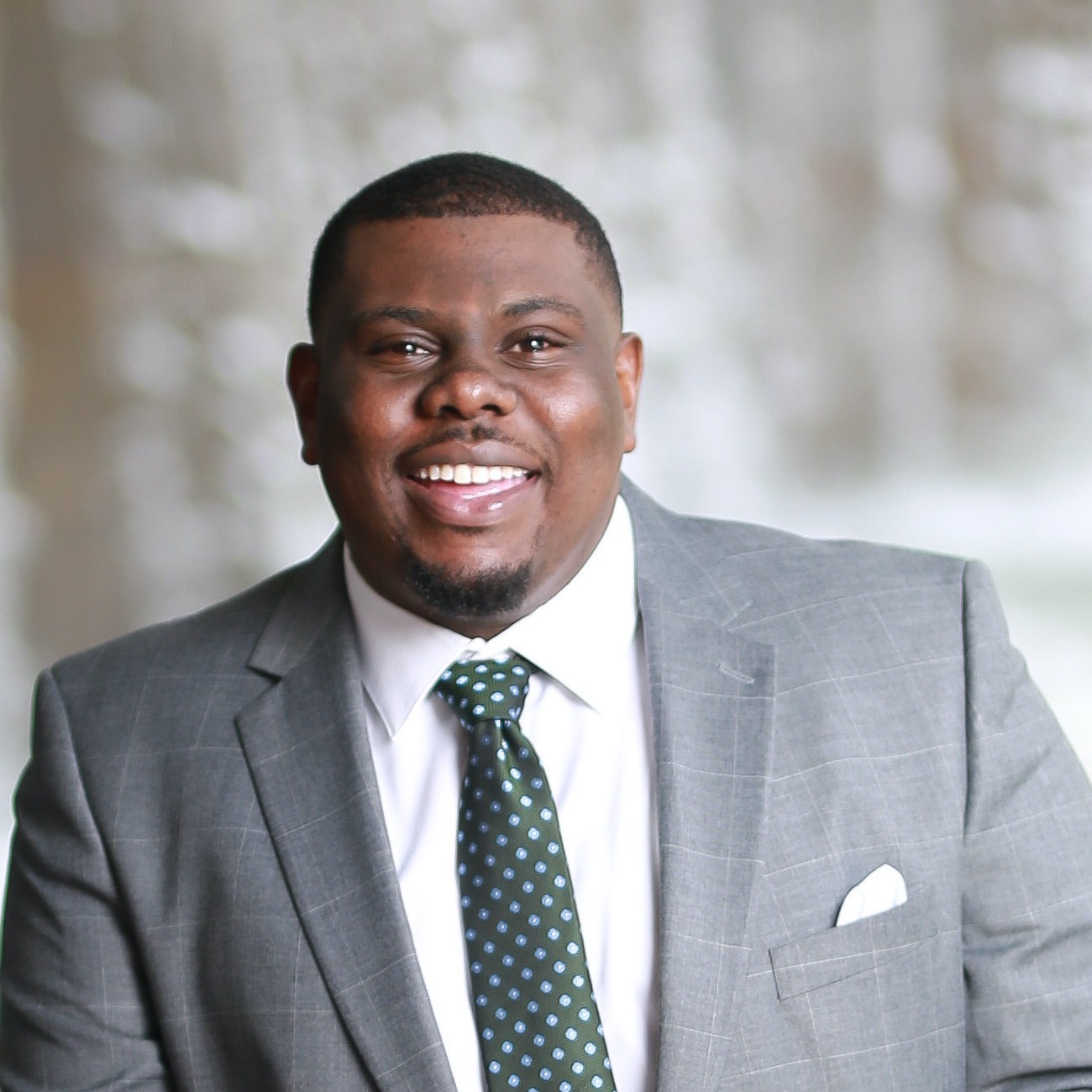
“If I’m in a room with 15 other people, I may not be the one who’s dressed the flyest or looks the best. Now I’m competing, especially if the young lady’s attractive—with all these other men who are similarly interested in her,” he told EBONY. “[With online dating] I can be like, ‘Hi, my name’s Trenton. I have two degrees,’ which I do. The minute sells itself because nine times out of 10, the majority of men on Hinge or Tinder might not have two degrees, or much ambition or charisma via conversation than what I’m going to have,” he says.
Delving into his version of masculinity, dating apps became a playground for his personal pleasure. Early in his dating life, he sometimes sought physical connection, using charm to gain access. Now, at 34, he recognized that behavior was toxic and used the analogy of a club closing to dating—at his age, it’s late, and it’s time to get serious about dating.
“It’s more about being honest, upfront, intentional, and not selling the dream, but selling the truth and letting the truth be what they’re interested in, not letting them be interested in what could be,” he said.
As a reformed online dater, he acknowledges that apps disturb one’s psyche. Recently, Alford broke off most of his connections, which, to his surprise, was well received. After receiving a kidney transplant, it was a sensitive time when he had to share his diagnosis with women while being unemployed and healing from surgery, hoping their connection would remain fruitful.
“If you’re willing to wait a little bit for me to heal, and if you’re willing to wait a little bit for me to get a job, we can definitely make this shake. If you’re willing to wait, I’m willing to give you the world,” he told EBONY. “A lot of women were like, ‘Okay, I’m willing to see where this goes because you’re nice, you’re sweet, you’re interesting.’ The more I learned to be vulnerable, the more drastic changes I started seeing in Hinge.”
Lifestyle content creator, podcaster, Masionoo, is somewhat a stranger to online dating—with very few times using Instagram as a buffer to genuinely connect with women and using their shared adoration to potentially meet offline. To him, traditional apps seem systemic, and he says they take the genuine nature out of how love and relationships are supposed to exist. The 26-year-old believes online dating becomes a digitized cycle in which romance is caught in its abyss.
“It’s an online thing. This is where you met this person. This person is watching and judging your every move, and it becomes so internet to the point where it never gets off the internet and never becomes a dynamic where you can eliminate the internet from [your] dynamic,” he told EBONY. “If you are gonna meet somebody on the internet, your job, if you’re actually trying to take somebody serious off of the internet, is to eliminate the internet, because all it’s gonna do is bring unnecessary turmoil to something that could be genuine, beautiful, and worthwhile.”