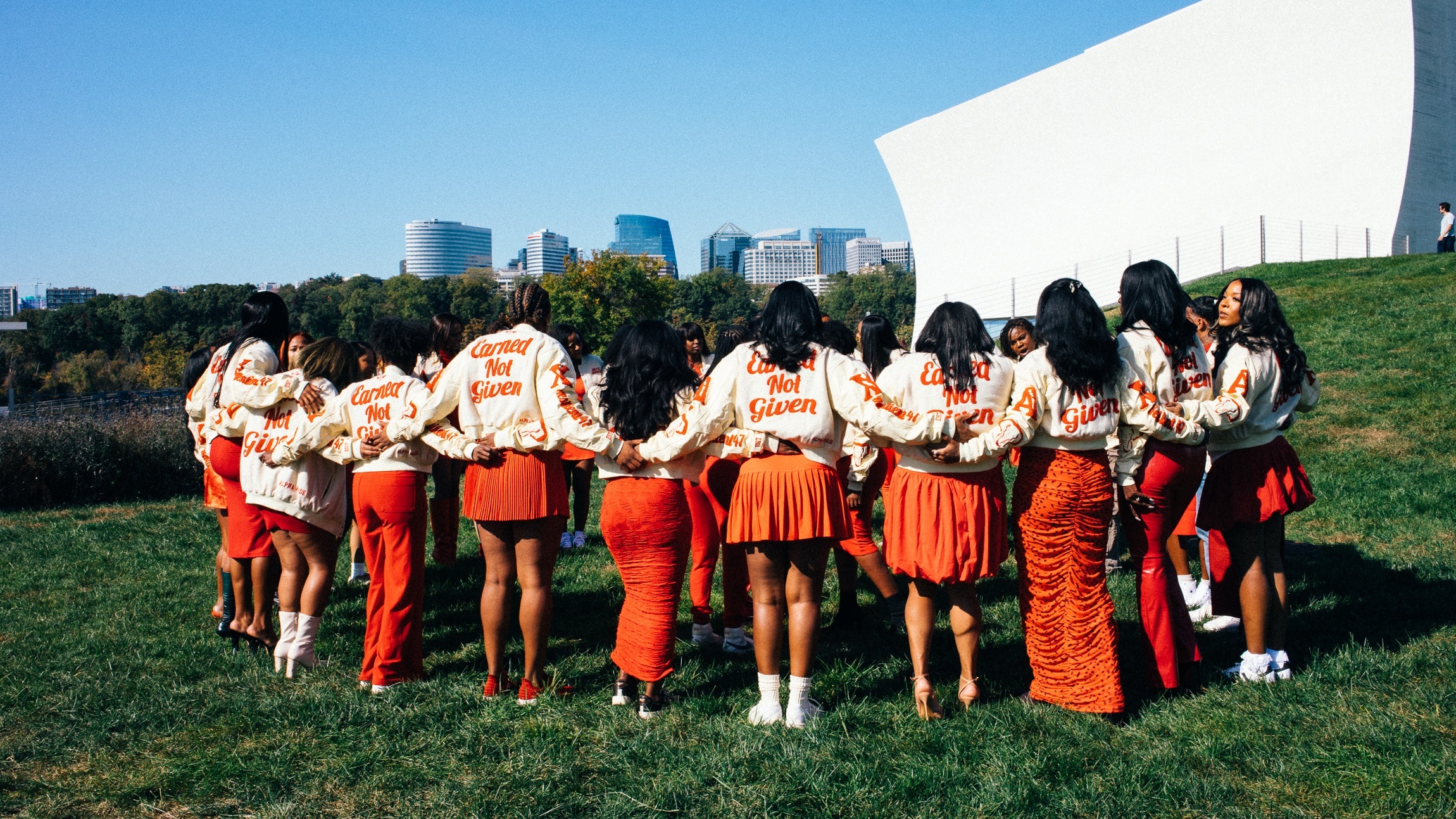
On November 4, the day after the midterm elections, every member of Delta Sigma Theta Sorority Inc. I knew, had on a piece of paraphernalia to celebrate the victories of our sorors Keisha Lance Bottoms and Stacey Plaskett. Dressed in a cardigan embossed with my sorority’s crest, I smiled as other members of the Divine Nine laughed in prideful recognition. These elections remind us that membership is about more than songs, chants, and color-coordinated outfits.
From the gubernatorial victories of Bottoms and Plaskett to Mississippi Senator-elect Scott Colom, a member of Alpha Phi Alpha Fraternity, Inc., the Divine Nine’s presence in public leadership is undeniable. The ideals that unite the Divine Nine: scholarship, service, leadership, and community uplift take center stage during Founders’ Day season. As the women of Sigma Gamma Rho Sorority, Inc. celebrate November 12 and the men of Omega Psi Phi Fraternity, Inc. celebrate November 17, our timelines and communities will display Greek paraphernalia through mid-January.
But for the record, our established deference order is as follows; Alpha Phi Alpha on December 4, 1906, Alpha Kappa Alpha on January 15, 1908, Kappa Alpha Psi on January 5, 1911, Omega Psi Phi on November 17, 1911, Delta Sigma Theta on January 13, 1913, Phi Beta Sigma on January 9, 1914, Zeta Phi Beta on January 16, 1920, Sigma Gamma Rho on November 12, 1922, and Iota Phi Theta on Sept. 19, 1963.
This Founders Day Season, members of Divine 9 organizations must recommit to the servant leadership upon which our organizations were established.
The founders of the Divine Nine remind us that leadership titles aren’t necessary to change our communities. Between 1906 and 1963, Black college students and educators established nine organizations because they believed Black people deserved greater opportunities, protections, and a better quality of life. They used limited resources to build enduring institutions.
Our founders didn’t wait for permission, political appointments, or degree conferment to serve. They recognized a need and organized to meet it.
Across the country, thousands of students took matters into their own hands with “Blackout” and “March to the Polls” protests. The women of Delta Sigma Theta famously walked during the 1913 Women’s Suffrage March fighting to get women the right to vote.
Civic leadership through coalition building remains a hallmark of Divine Nine culture.
When former Vice President Kamala Harris, a member of Alpha Kappa Alpha Sorority, Inc., launched her 2024 presidential campaign, it wasn’t just her sorors who answered the call. More than 44,000 Black women joined a virtual organizing call that raised over $1.5 million in approximately three hours. Members of other Divine Nine organizations participated, demonstrating how our networks can mobilize resources and people when the moment demands it.
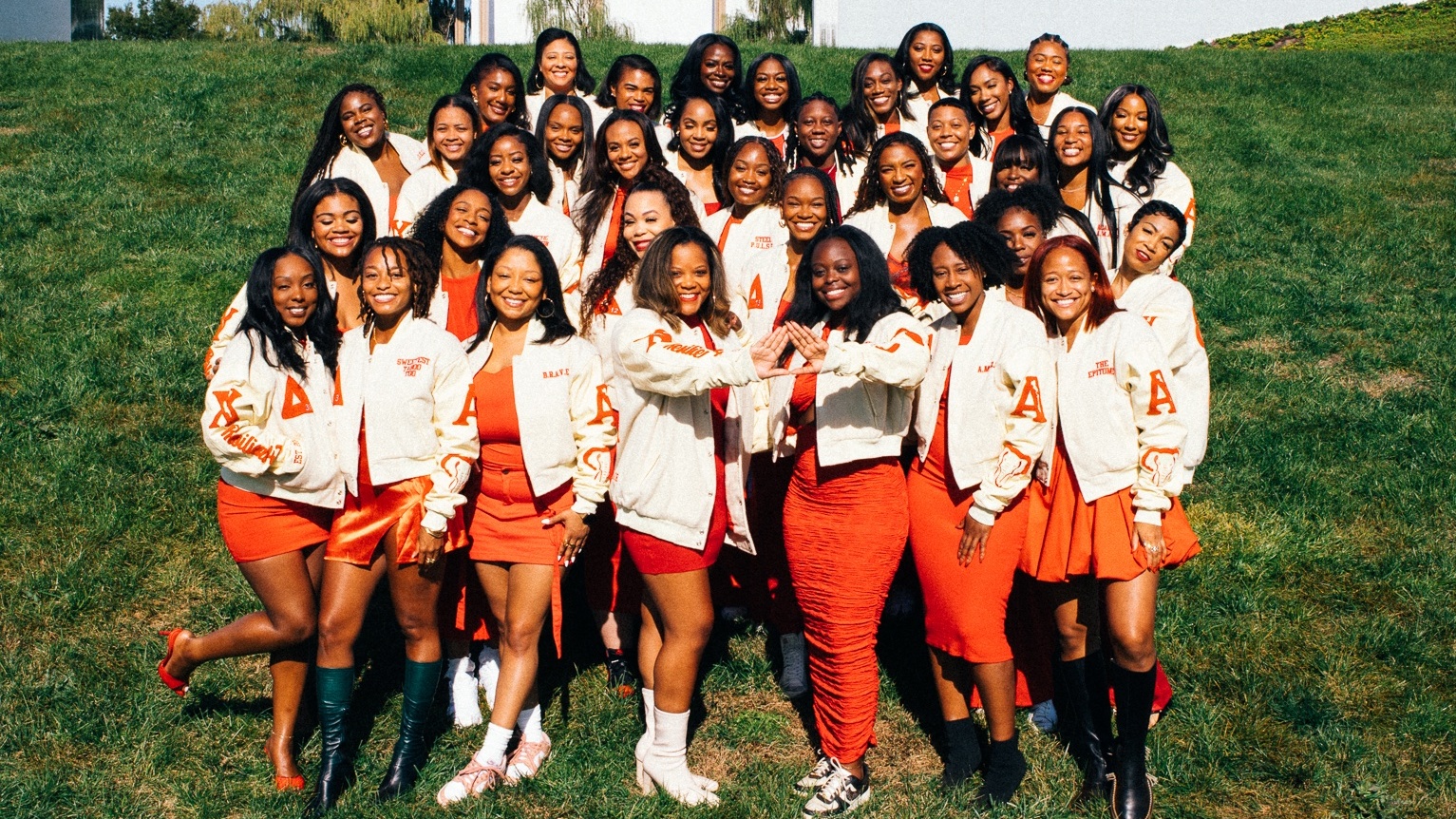
Though our organizations maintain distinct identities, our collective responsibility to Black communities outweigh our light-hearted rivalries. Our power isn’t simply in how many elected officials wear our letters. It’s in our ability to organize communities, advocate for their needs, and hold those officials accountable.
Recently, Iota Phi Theta Fraternity, Inc. partnered with the NAACP to expand voter registration, civic education, and election protection efforts, demonstrating how our organizations continue to build Black political power beyond individual campaigns. Through Phi Beta Sigma Fraternity, Inc.’s Civic Center and Zeta Phi Beta Sorority, Inc.’s Get Engaged initiative, the constitutionally bound brother and sister organizations continue their shared legacy of building Black political power through voter education, civic engagement, and grassroots mobilization.
Education remains equally central to our legacy. Each organization has longstanding commitments to scholarship, achievement, or educational advancement, and that work extends beyond our membership; Sigma Gamma Rho’s Operation BigBookBag provides educational resources to children facing barriers to academic success, Omega Psi Phi’s Talent Hunt encourages young people’s artistic development, Kappa Alpha Psi’s Guide Right Program has mentored generations of young people, helping them pursue academic achievement, develop leadership skills, and prepare for college and careers.
These investments matter because Black political power requires more than access to the ballot. It requires generations of educated, empowered people equipped to advocate for themselves.
Yet celebrating our legacy also requires confronting the ways we’ve fallen short of it.
Recent hazing allegations and deaths have raised serious questions about the safety and sincerity of Black Greek-letter organizations. The death of Southern University student Caleb Wilson during an alleged fraternity hazing ritual in 2025 should force every member in every organization to understand this is not who we are called to be. We’ve also witnessed members publicly denounce their organizations, arguing that their rituals contradict their Christian beliefs.
Additionally, many community members speak about Black elitism that sometimes develops between members and nonmembers. Our letters should never make us believe we’re better than the people we pledged to serve. Nor should the pursuit of prestige, popularity, or organizational recognition replace the relationships and responsibilities that give our membership meaning.
Our founders did not establish these organizations not to create another hierarchy within Black communities but to build institutions to challenge the hierarchies that already existed. The confidence our organizations instill should empower us to uplift others, not convince us that our membership makes us superior to them.
If we’re serious about honoring their legacies, we must also be willing to challenge the stigmas we reproduce ourselves.
As we celebrate Founders’ Day season, I hope we remember that our founders were ordinary people who recognized extraordinary responsibilities. Their greatest accomplishments weren’t the letters they created, but the lives their work continues to transform.
Decades later we have all inherited their colors, their traditions, and their organizations. This season, renew your dues and reclaim your role in the community.
Julienne Louis-Anderson is a member of Delta Sigma Theta Sorority, Inc. She writes about the intersection of Black culture, Black history, and Black politics. She can be found on social media platforms @juliennelouisanderson.