I remember the moment I realized my mother, who had been diagnosed with Grade 4 glioblastoma, an aggressive form of brain cancer, was nearing the end of her life. The doctors could do little, and the reality felt suffocating. In October 2023, I sat in her hospital room as she lay in an induced coma, unable to communicate or advocate for herself. I watched over her until two end-of-life doulas quietly entered the room and asked whether I was prepared to decide to remove her from life support.
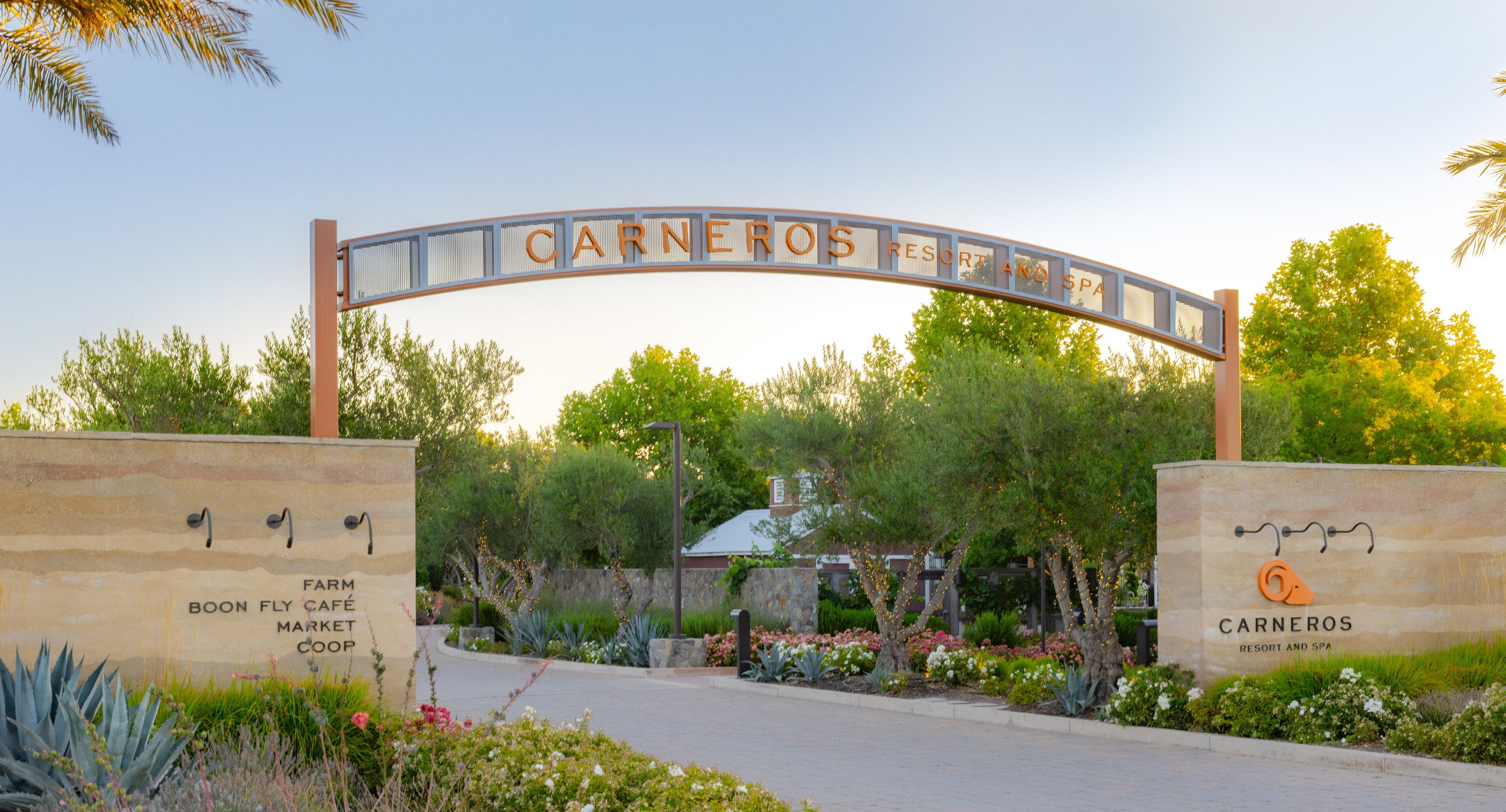
I couldn’t bring myself to make that decision in that moment. Overwhelmed, I needed somewhere to process what was happening, somewhere familiar where I could think, reset, and find a semblance of peace. So, I retreated to one of my favorite places in Northern California: Napa Valley, where I lived at the time, specifically Carneros Resort and Spa.
I knew I needed a soft place to land. I booked a last-minute stay, leaving the hospital feeling defeated, angry, and emotionally undone. I had no idea what would happen next, but I knew I needed space to breathe. Three years later, my life looks significantly different. My beloved mother, Adrienne Murphy, is no longer here, and I am still learning how to navigate a world without her. Throughout the three years, I’ve learned that grief doesn’t follow a schedule, and even as life moves forward, I still find myself picking up the pieces all over again.
That’s what made returning to Carneros Resort so meaningful. I wanted to revisit a place tied to one of the most painful chapters of my life and see whether I could experience it differently, not simply as a reminder of what I had lost, but as somewhere I could feel present, cared for, and alive.
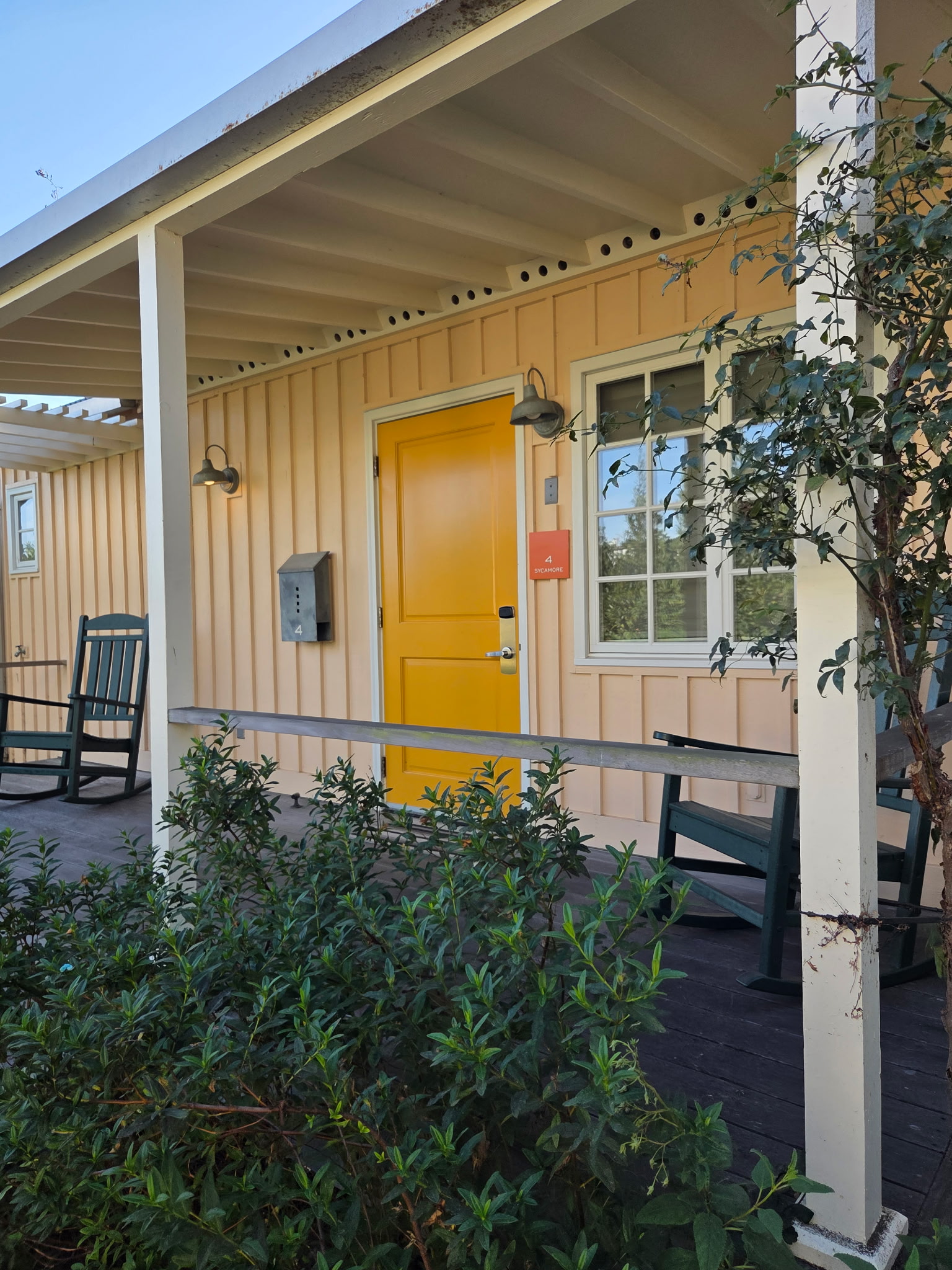
During my first visit in October 2023, I stayed for five days. I cried, bedrotted, contemplated the decisions ahead, and tried to make sense of a reality I wasn’t ready to accept. Ultimately, I decided not to remove my mother from life support. I wanted her relatives, who planned to travel from New York City, to have the opportunity to see her and spend time with her in her final days. I also wanted to leave room for faith and the possibility that God would have the final say.
I don’t think I could have approached that decision with the clarity I needed without stepping away, even temporarily, to collect myself. Being at Carneros gave me something I desperately needed: distance from the immediate chaos and permission to sit with my emotions without having to explain them.
Set across 28 acres in Napa Valley’s Carneros region, Carneros Resort and Spa offers a countryside-inspired retreat with standalone cottages, private gardens, and thoughtfully designed indoor and outdoor spaces. Its farmhouse-inspired architecture, fireplaces, outdoor showers, and quiet surroundings create an atmosphere that encourages guests to slow down.
During that first stay, I wasn’t necessarily looking for luxury or an elaborate itinerary. I needed stillness. I needed somewhere I could exist without being expected to make decisions, answer questions, or hold everything together. Looking back, that five-day stay became an important part of my journey through my mother’s final chapter. It didn’t change the circumstances, but it gave me the space to navigate them.
Losing my mother changed the way I understand time, relationships, and what it means to rest. As someone who has spent much of her life navigating difficult circumstances independently, I’ve learned that resilience doesn’t always mean pushing through. Sometimes, it means giving yourself permission to pause, reflect, and acknowledge when you need support.
Grief can be isolating. It can affect your ability to be present, maintain relationships, take care of yourself, and recognize when you need a break. Sometimes, the expectation to keep moving forward makes it difficult to acknowledge just how much you’re carrying.
For me, learning to live with loss has meant recognizing that healing isn’t linear. Some days I feel grounded; others, a memory, milestone, or anniversary brings everything rushing back. The month of my mother’s passing remains particularly difficult. Returning to Carneros during that season was intentional. I wanted to acknowledge the grief rather than avoid it, while also granting myself to experience something beyond it.

A few weeks ago, I returned to Carneros Resort and Spa. This time, I approached the journey differently, driving up from San Francisco International Airport in a Volvo XC90. The chance to take the scenic drive through Northern California let me ease into the experience. The vehicle’s driver-support and active safety technologies made the journey comfortable, while its massage features added another layer of relaxation. Even the drive became an opportunity to slow down and prioritize comfort.
When I finally arrived, I felt relief. I wasn’t sure what emotions would surface upon returning to a place that had held me during one of the darkest periods of my life. But something about being back felt comforting.
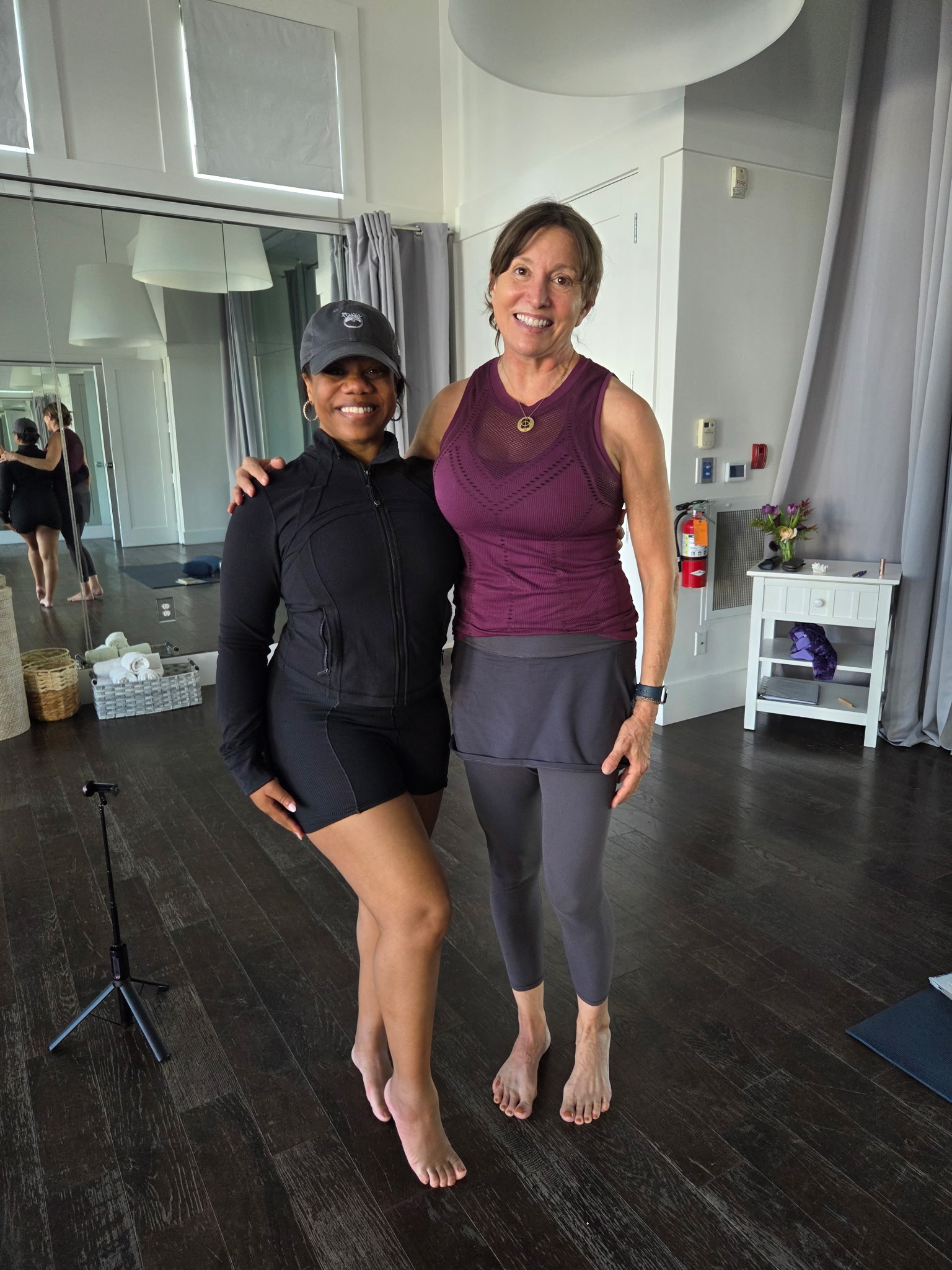
Instead of filling my itinerary with activities, I made a conscious effort to prioritize my well-being. I booked a massage and signed up for a Meditation and Movement class, which encouraged me to reconnect with my body through breath and intentional movement.
Throughout the class, I became increasingly aware of how disconnected I had been from something as simple as my breathing. I was so accustomed to moving through life in survival mode that I hadn’t fully considered what it meant to slow down and be present. That realization stayed with me. I began thinking about how often we postpone rest until everything else is taken care of, as though we must earn self-care.

What Restorative Travel Can Teach Us About Rest
For Black women, the conversation around rest carries particular significance. We are often celebrated for our strength, resilience, and ability to navigate challenging circumstances. But constantly being the person who holds everything together can come at a cost. Learning to prioritize rest means recognizing that our well-being deserves the same attention and care we so often extend to others.
Restorative travel can help interrupt that cycle. It doesn’t necessarily require an extravagant vacation or a faraway destination. Sometimes, it means creating the physical and emotional distance to reflect, reconnect with yourself, and acknowledge what you need in a particular season of life. It can be an opportunity to step away from everyday responsibilities and allow yourself to simply be.
For me, returning to Carneros wasn’t about recreating my first visit or expecting a destination to resolve my grief. It was about recognizing that I could return to a place associated with profound sadness and still make room for joy, reflection, and care. Three years ago, I arrived desperately needing somewhere to fall apart, privately. This time, I returned with a different understanding of what it means to hold myself together and, more importantly, when I don’t have to.
Returning to a place that held me during my deepest grief allowed me to recognize just how much I’ve changed. Grief doesn’t disappear simply because time has passed, but it doesn’t have to keep me from experiencing life. I returned to Napa expecting to revisit one of the most painful chapters of my life. Instead, I discovered that a place can hold two versions of you: the person who arrived desperate for refuge and the person who eventually returns ready to receive it again.
And perhaps that’s one of the most important lessons I’ve learned about rest: You don’t have to stop grieving to start caring for yourself.
Here Are Three Ways to Practice Restorative Travel:
Give Yourself Permission to Disconnect: Consider a weekend getaway, a solo overnight stay, or a nearby destination where you can step away from everyday responsibilities without an elaborate itinerary. Limit screen time, avoid overplanning, and allow yourself the freedom to be present without feeling obligated to curate and document every moment.
Create an Experience Around Your Well-Being: Be intentional about incorporating activities that nurture your mind and body. Whether it’s booking a massage, taking a meditation or yoga class, spending time in nature, or enjoying a leisurely morning without an agenda, prioritize experiences that help you reconnect with yourself.
Travel With Intention, Not Expectation: You don’t have to return from a restorative trip feeling completely renewed or expecting to have everything figured out. Allow yourself to travel through difficult seasons without pressuring yourself to heal on a timeline. Sometimes, the greatest benefit of getting away is having the space to acknowledge what you’re feeling and determine what you need next.