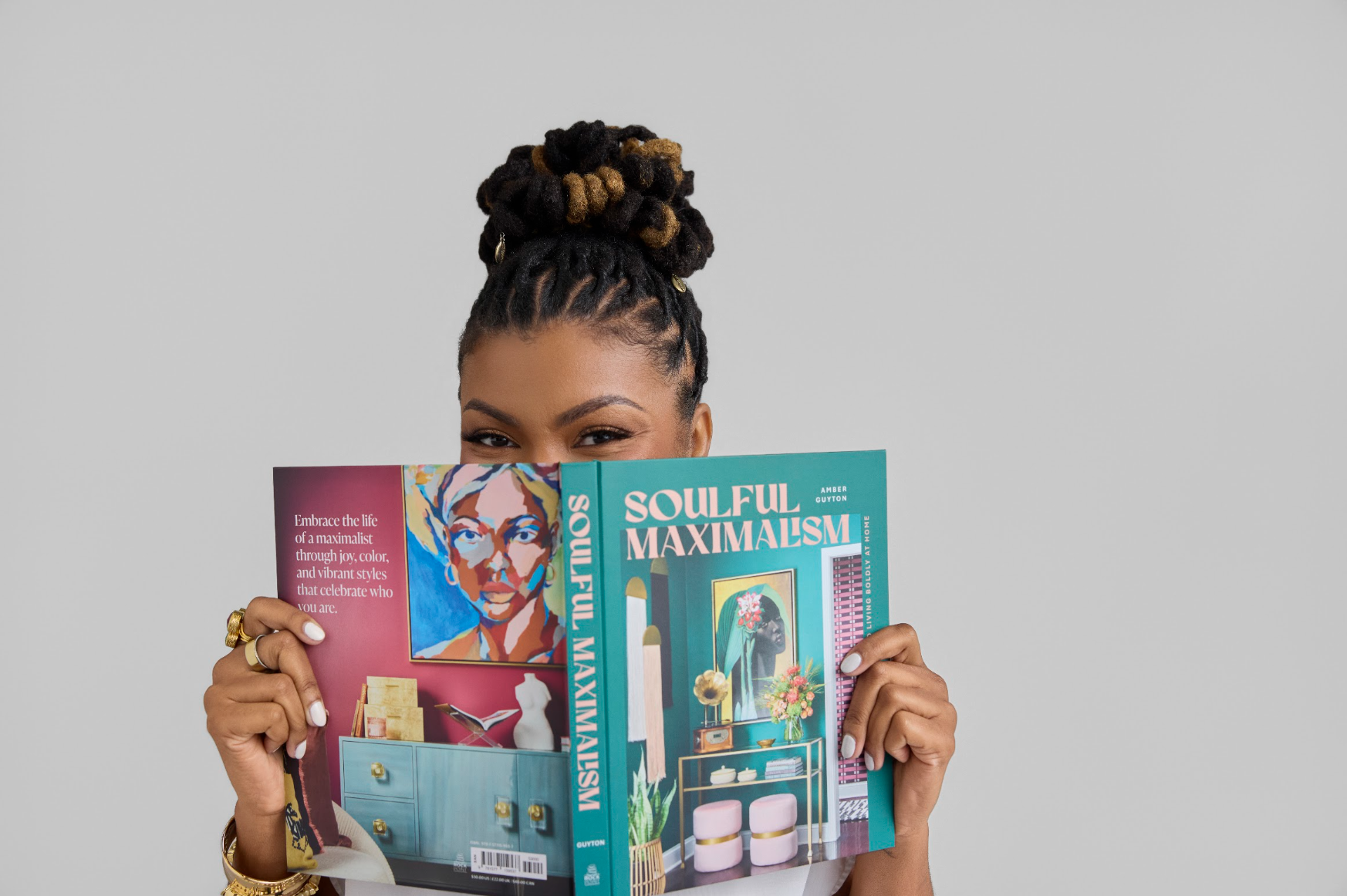
Amber Guyton believes a home should feel like a love story you write to yourself. The Atlanta-based designer left corporate America for Blessed Little Bungalow, a brand that grew out of a blog about decorating her own home, and she has spent a decade proving that spaces layered with color, culture, and memory can be as intentional as they are bold. Now, with her debut book, Soulful Maximalism: A Colorful Guide to Living Boldly at Home, and a place as the only Black designer on Architectural Digest’s New American Voices of 2026 list, she is reflecting on what it takes to build a career around joy. In this conversation with EBONY, Guyton opens up about honoring Black heritage at home, designing on a budget, and the burnout that can creep in when a passion becomes a paycheck.
EBONY: You spent years in corporate America before decorating your own bungalow sparked what would eventually become a full-time career in interior design. Looking back, what did that transition teach you about recognizing your passions and giving yourself permission to pursue something beyond the path you originally envisioned?
Amber Guyton: You are allowed to change your mind. From the pillows on your sofa to the career path you pursue, nothing is permanent. I never dreamed that after earning my MBA, the entrepreneurship class I took and a blog I created about decorating my home would lead to building my own business and brand. Changing careers isn’t irresponsible; it’s brave and inspirational! This journey taught me that it’s okay to have multiple interests and pursue them at your own pace, and that every step along the way is preparing you for what’s next.
Your debut book, Soulful Maximalism: A Colorful Guide to Living Boldly at Home, encourages readers to embrace color, culture, memory and joy in their spaces. What does soulful maximalism mean to you, and how does it differ from simply following a particular design aesthetic or trend?
I define Soulful Maximalism as an interior design style rooted in joy, culture, layers, and intention, focused on creating spaces that celebrate who you are and what you love. It’s the idea that your home should feel like a love story you write to yourself. Full of meaning, memories, and pieces that actually reflect your life. I want Soulful Maximalism to empower readers to give themselves permission to stop playing it safe, trust their instincts, and build a home that unapologetically reflects who they are.
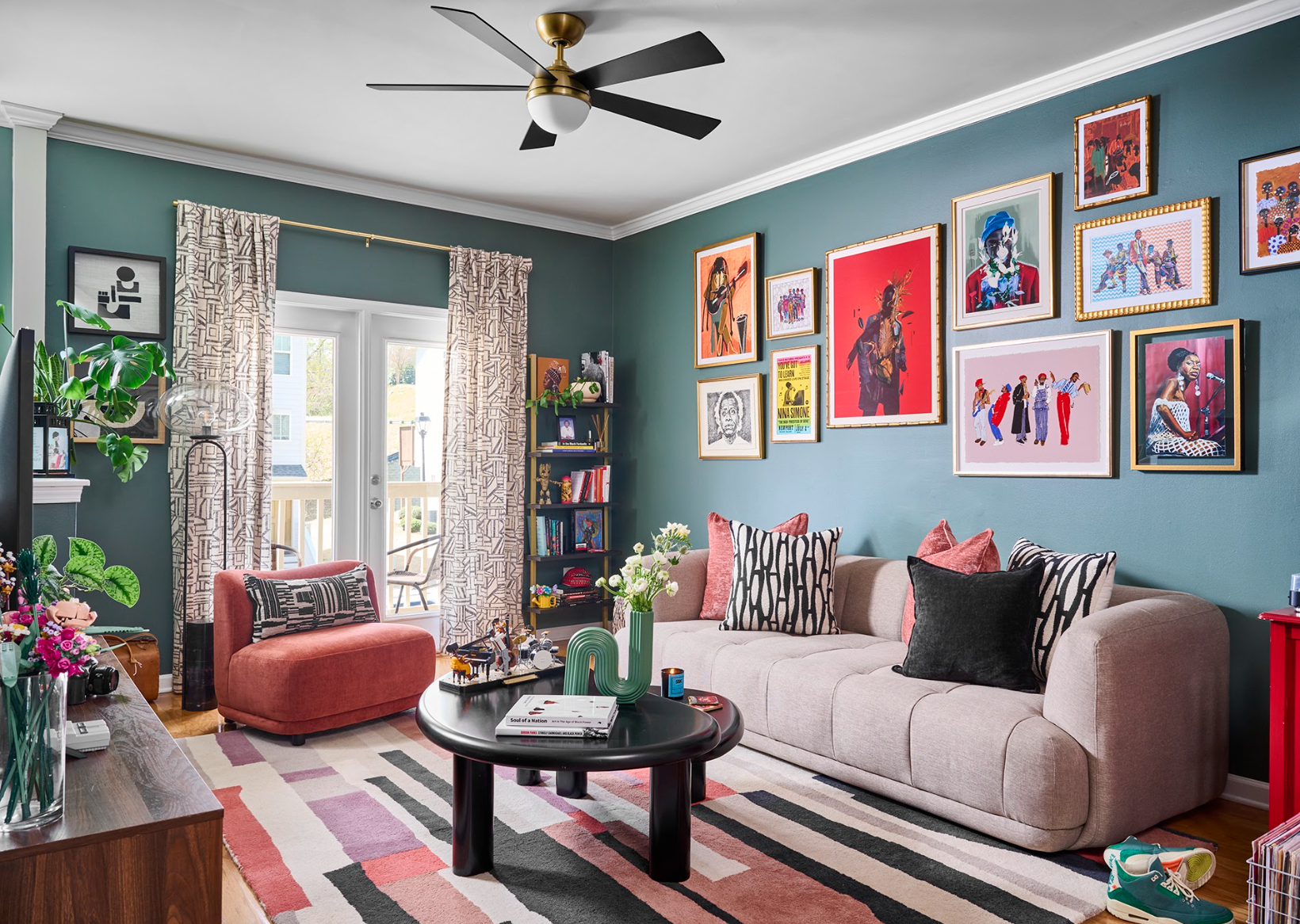
You’ve spoken about the importance of creating homes that tell our stories rather than simply reflect what is popular. What do you believe our living spaces can reveal about our identities, and how can people begin incorporating more of their personal histories into their homes?
I believe our homes are living organisms that grow with us over time. They are autobiographies that reflect what we value and what makes us feel seen and safe. Everything from the books on the shelves, art on the walls, clothing in the closets, and dishes in the sink are whispers about us. Whether it’s displaying family photographs, incorporating heirlooms, or collecting art and objects from our travels, these personal touches help tell our stories.
You were recently named one of Architectural Digest’s New American Voices of 2026 and are the only Black designer recognized on this year’s list. What does this recognition mean to you personally, and what does it reveal about the opportunities and challenges Black designers continue to navigate within the interiors industry?
I’m incredibly proud and humbled to be selected by AD for this prestigious new list. I see it as both an honor and a responsibility, especially as someone who doesn’t have a degree in interior design and has often been judged because of that. So if I’m going to be here with a seat at the table, I’m going to pull out a chair in front of, beside, and behind me for others. Because we are talented, worthy, and deserve our flowers, even if we only receive them from ourselves.
Interior design can sometimes feel inaccessible to people who associate beautiful spaces with expensive furniture, large homes or professional designers. How do you encourage people to approach their homes creatively within their existing budgets, and what are some ways they can make a space feel more personal without starting from scratch?
I encourage people to start by investing in the foundational elements of a room. You spend most of your time at home sleeping in your bed. Make sure you’re investing in a good mattress. Test out a few sofas for comfort before you commit. Select a dining table that can grow with your family and stand the test of time. Also, don’t be afraid to start small. Shop your own house. And most of all, ask yourself, “Does this add value to my life? Does this bring me joy?” That’s what makes you rich.
As you introduce readers to Soulful Maximalism, what do you hope they reconsider about the relationship between home, identity and self-expression? Ultimately, what would you like someone to feel or understand differently about their space after reading your book?
I hope and pray that Soulful Maximalism helps liberate readers to fall in love with where they live and arms them with the inspiration, tools, and motivation to make changes to their homes for the better. I want them to embrace color, pattern, and culture in their homes with the same boldness that surrounds us in this world. And beyond the practical tips and decorating advice I share in the book, I want every person to feel safe, seen, and celebrated where they live.
If you’d rather have the condensed answers total 100 words, or want me to restore a specific line you like better, I can redo any of them. Also, check #5. The second half of her answer on the lack of Black representation on these lists is a strong point I had to cut for length.