For decades, television trained viewers to expect one version of the Black male action hero. He was stoic, indestructible … and emotionally sealed off. Pain was part of the deal, absorbed without an outlet. Feelings were liabilities, and showing them was a hard pass. Unfortunately, this wasn’t just a TV trope; for many, this was a real-life mandate.
A new generation of Black male action heroes is emerging, featuring characters who still fight, protect, and endure. But they also grieve, doubt, and reckon with their personal lives. Strength no longer requires a person to erase their feelings. Vulnerability is no longer a narrative weakness.
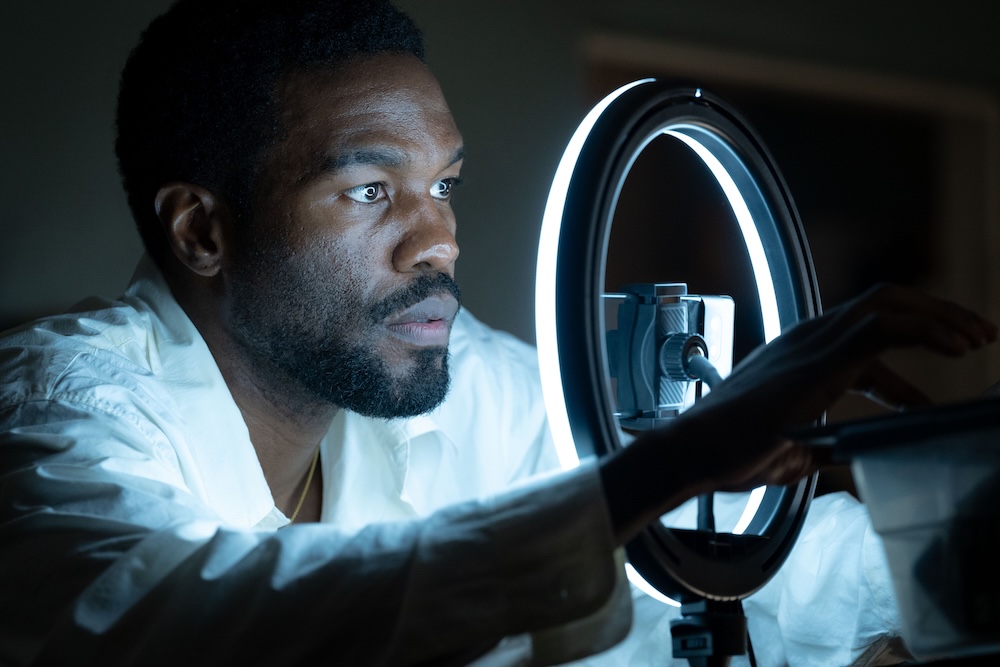
Wonder Man, the Marvel mini-series which premiered on Disney+ last night, introduced us to Simon Williams, an actor driven by his meticulous character studies, even for bit roles. Throughout the eight episodes, we learn that this man, who is hiding his enhanced human capabilities, has been wrestling with identity, legacy, and self-worth his entire life.
“Simon’s process feels, oh my goodness, that’s very stressful,” declared Yahya Abdul-Mateen II, who plays the role. “I would never want to work like that. But at the same time, I am familiar with it.” It’s in this struggle, as Simon tries to achieve as much control as he can over his onscreen personas to offset how out of control he feels when his extraordinary strength takes over, that we get to lean deep into his vulnerability.
“We need to be able to see Black men represented in all the facets of how we actually are in real life: emotional and all the variants,” Abdul-Mateen II stated. Simon’s strength is inseparable from his uncertainty. It reframes his actions and reactions as more than just heroic or destructive, but part of his emotional makeup.
A Shift in Emotion
Black men remain disproportionately affected by mental health stigma in the United States. According to the National Institute of Mental Health, Black adults are less likely to receive mental health treatment than white adults, despite similar rates of mental illness. Cultural expectations around masculinity, combined with racism and economic stress, often discourage openness. Television, long a mirror and a megaphone, is beginning to challenge that silence.
The groundwork for this transformation actually traces back to 2018’s Black Panther. Ryan Coogler’s film showed T’Challa wrestling with grief, doubt and the weight of leadership, a stark departure from traditional superhero stoicism. The film’s exploration of generational trauma, particularly through Michael B. Jordan’s portrayal of Killmonger, opened the door to more nuanced portrayals of Black male pain and healing. Its massive success proved audiences craved complexity, not just spectacle.
What Black Panther began on the big screen, television now expands and deepens. Streaming platforms leverage episodic storytelling to explore mental wellness with a depth impossible in two-hour films.
Amazon’s Cross, led by Aldis Hodge as detective Alex Cross, pushes that idea further. Cross is brilliant and physically capable, but also emotionally exposed as a widower, a father, and a man haunted by loss. Season one emphasized that intelligence and empathy are as central to his effectiveness as brute force.
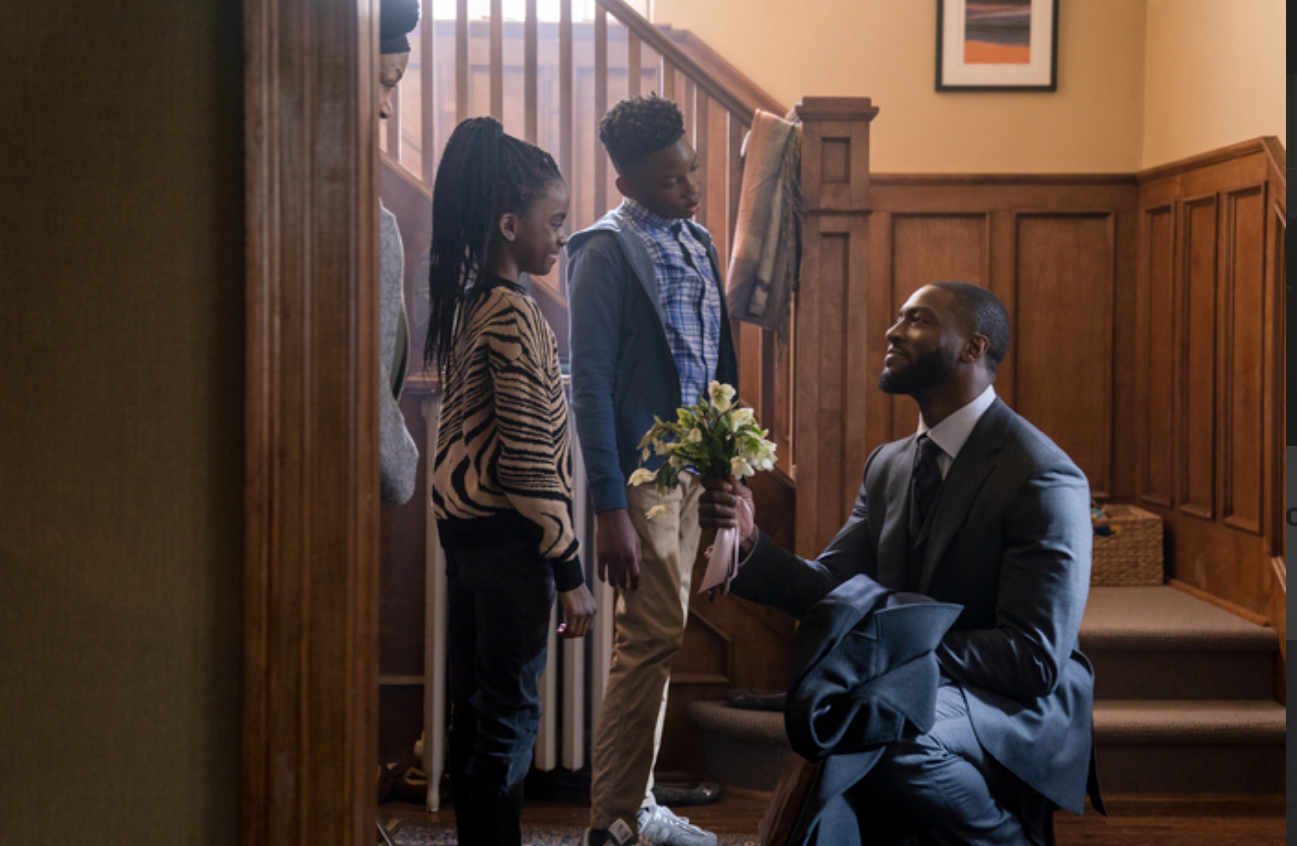
As the series moves toward a second season, Cross stands as an action protagonist whose emotional intelligence is not incidental but essential.
Perhaps most symbolically, HBO’s Lanterns positions Aaron Pierre as John Stewart, one of DC Comics’ most iconic Black heroes. Stewart, a former Marine, has often been written as disciplined and unyielding. Recent interpretations, however, lean into his emotional complexity: a man shaped by trauma, responsibility, and moral weight. In a franchise built on cosmic spectacle, Stewart’s humanity grounds that myth.
Even outside traditional action frameworks, shows like Apple TV+’s Severance complicate how Black male authority and interiority are portrayed. Tramell Tillman’s unsettlingly composed Mr. Milchick is not an action hero, but his character underscores a broader trend: Black men on TV are no longer limited to emotional extremes. They can be restrained, conflicted, calculating, and psychologically rich.
This shift reflects broader cultural changes. The post-2020 era forced public conversations about race, masculinity and mental health into the mainstream. Therapy language entered everyday speech. Younger audiences, particularly Gen Z, demand authenticity from the stories they consume. Invincible heroes feel outdated in a world defined by burnout, surveillance and uncertainty.
A Black Man Feels
For the industry, the trend signals a recognition that Black audiences are not a monolith, and that Black men, in particular, deserve narratives that reflect their full humanity. These characters are not symbols. They are people.
Television has not solved the crisis of Black male mental health. A handful of nuanced protagonists cannot undo generations of stigma. But stories shape norms. When vulnerability becomes visible, it becomes permission, especially for characters who are often defined solely by their power.
The new Black male action hero does not just save the world. Much like Simon, he survives himself. And on television right now, that may be the most radical act of all.