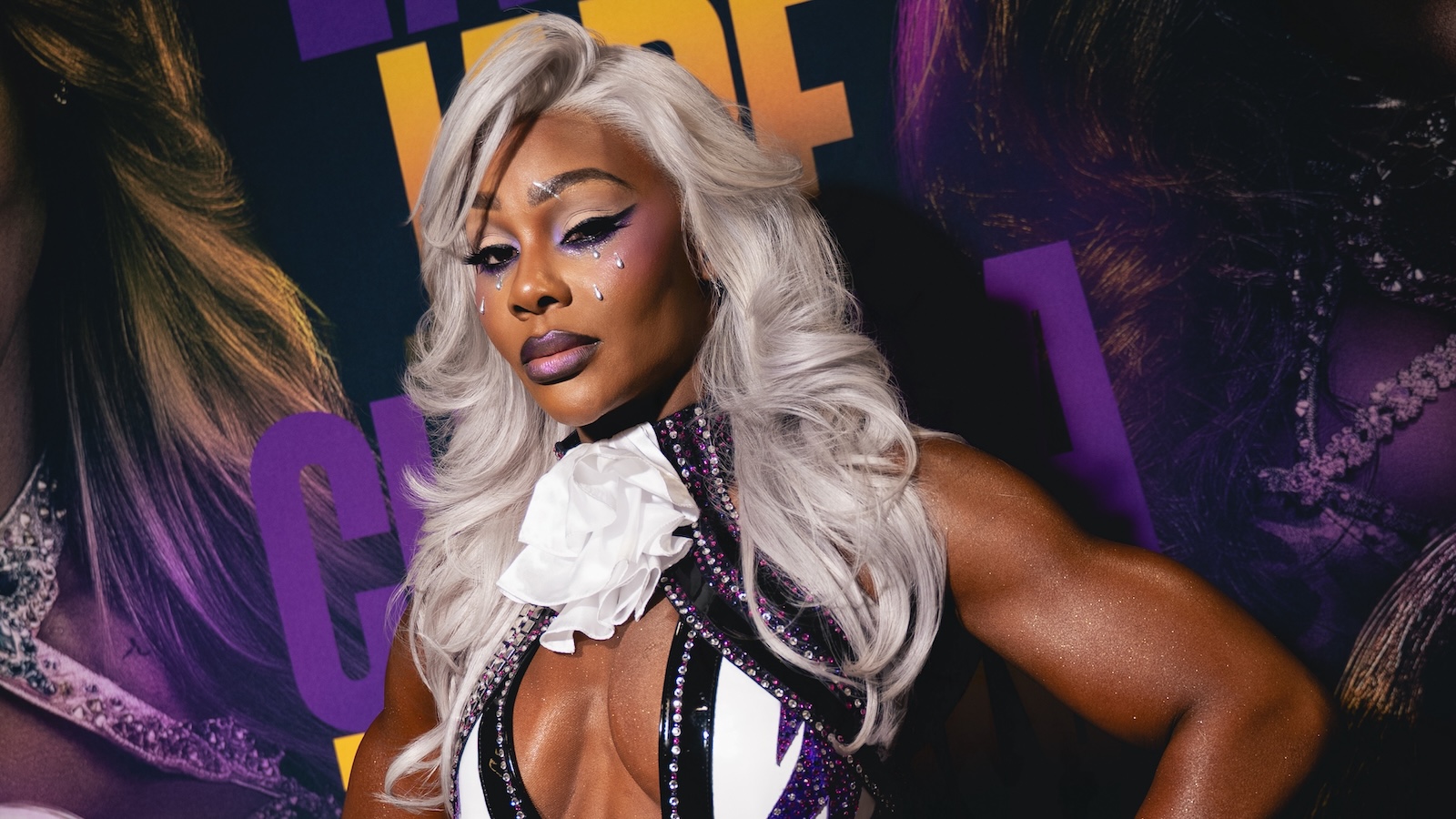
Before the internet had the full story, it already had an opinion. Millions watched the moment Jade Cargill’s wig came off mid-match during a WWE broadcast, turning what could have been a fleeting wardrobe malfunction into the latest social media spectacle. But for Cargill, the viral clip wasn’t simply about wrestling. It exposed a much larger conversation about Black women’s hair, protective styles and the exhausting expectation that our beauty choices must always come with an explanation.
For Jade Cargill, the moment her wig came off in the middle of a WWE match wasn’t the end of the story. It was the beginning of a conversation Black women have been having for centuries.
Black hair has always carried more than style. It has signified lineage, community, spirituality and survival. Long before European beauty standards attempted to flatten its meaning, intricate braids mapped villages across West Africa, cornrows carried stories, and sculptural styles became living archives of identity. Today, whether it’s a silk press, knotless braids, a sew-in, locs or a lace-front installed to perfection, Black women continue to innovate one of the world’s most influential beauty languages. Yet somehow, we’re still asked to defend it.
Long before timelines dissected every frame of the viral clip, Cargill was focused on something much simpler: finishing the match. Looking back now, she says she surprised even herself. What she once believed would be her worst nightmare became one of her proudest moments, not because the mishap happened, but because she refused to let it stop her.
“I was very proud of myself for persevering through the storm and keeping it going,” Cargill tells EBONY.
As the clips spread across social media, she realized the conversation had very little to do with wrestling. Instead, it became another referendum on Black women’s beauty, exposing how little many people understand about the realities of protective styling.
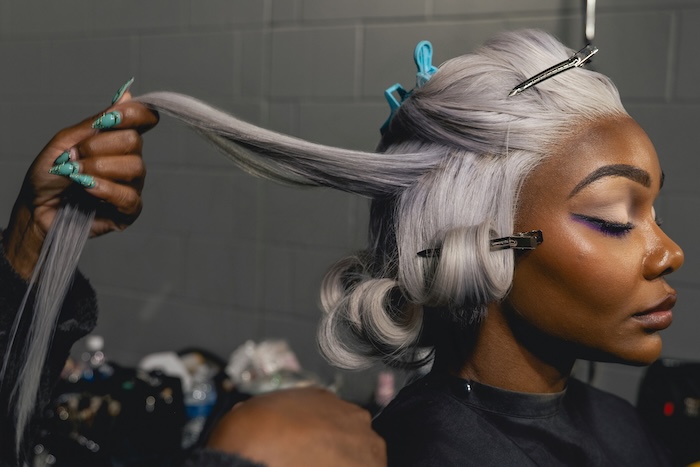
“I would love to wear my real hair,” she says. “I wore my real hair during my wrestling tryout and when I was initially training. But with the amount of sweat, makeup, heat and traveling we do, it just isn’t possible.”
For Cargill, protective styling isn’t rooted in insecurity. It’s athletic performance. WWE superstars spend nearly the entire year on the road, moving between arenas, television tapings and international tours with virtually no offseason. Hair is subjected to relentless heat, sweat, styling and impact. In that environment, wigs become less about transformation than preservation.
“Everybody wears wigs, extensions or clip-ins,” she explains. “But when it comes to Black women, it becomes a deeper issue.”
That distinction matters because Black beauty has always been judged differently. From the boardroom to the classroom, from Olympic podiums to red carpets, Black women continue to navigate conversations about whether their hair is “professional,” “appropriate” or “real.” The irony, of course, is that the very trends dominating global beauty—from baby hairs meticulously laid across foreheads to frontal installs, braided artistry and edge control routines—were perfected inside Black salons long before they appeared on luxury runways or TikTok mood boards.
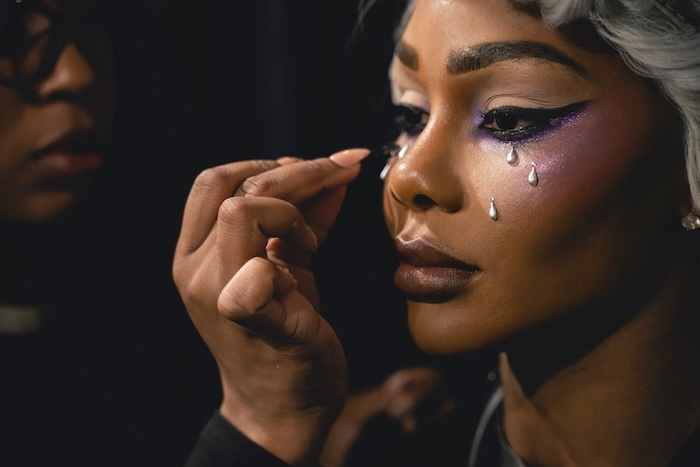
Cargill has never hidden behind her wigs, nor has she pretended they were anything other than protective styles. Instead, she sees them as another extension of performance, no different than ring gear, entrance music or championship attire.
Beauty, after all, is part of the character.
Every hairstyle is intentional. Every manicure, every beat face and every piece of custom gear contributes to the woman audiences see beneath the arena lights. Together with her hairstylist, each installation begins with a conversation rooted in storytelling rather than aesthetics alone.
“We go through a whole narrative rooted in high fashion and storytelling,” she says. “Expressing myself through my gear, through my nails, through my hair, through my makeup, through the themes of outfits, it means a lot to me.”
That philosophy feels unmistakably Black. Beauty has never existed separately from fashion in our culture. It’s why the sculptural glamour of the late André Leon Talley could command a room as effortlessly as a couture gown. It’s why the editorial imagination of icons like Pat McGrath and the legacy of trailblazers such as Madam C.J. Walker continue to shape the global beauty industry. Hair, makeup and fashion have always moved together, each one completing the story of the other.
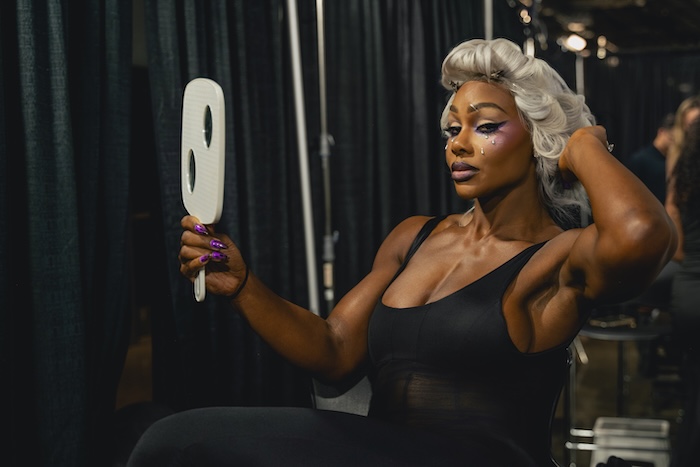
Behind the scenes, however, the routine is rooted in maintenance rather than glamour. Monthly deep-conditioning treatments, restorative masks and protective braids prepare her hair before every installation. Once she’s home, the wig comes off almost immediately and recovery begins. Cécred’s Sacred Drops have become part of that ritual, nourishing her edges after weeks beneath a unit. It’s a regimen she now shares with her daughter, reinforcing that healthy hair and protective styling are not opposing ideas but complementary ones.
Equally intentional is the way Cargill protects her peace.
She limits social media, leans on family and friends outside wrestling and reminds herself that her identity extends far beyond the squared circle. Before becoming one of WWE’s biggest stars, she studied psychology, played collegiate basketball and built a life grounded in purpose. Today she’s also a mother and business owner, roles that remain untouched by viral discourse.
“I have to protect my peace not only for myself but for my family and my child,” she says.
That confidence is exactly what she hopes young Black girls take from this moment.
“I want her to know that her hair is special. As Black women, we are creative. We can do whatever we want with our hair.”
Ultimately, Cargill refuses to let a viral clip become the defining image of her career. Instead, she has reclaimed it as an act of authorship.
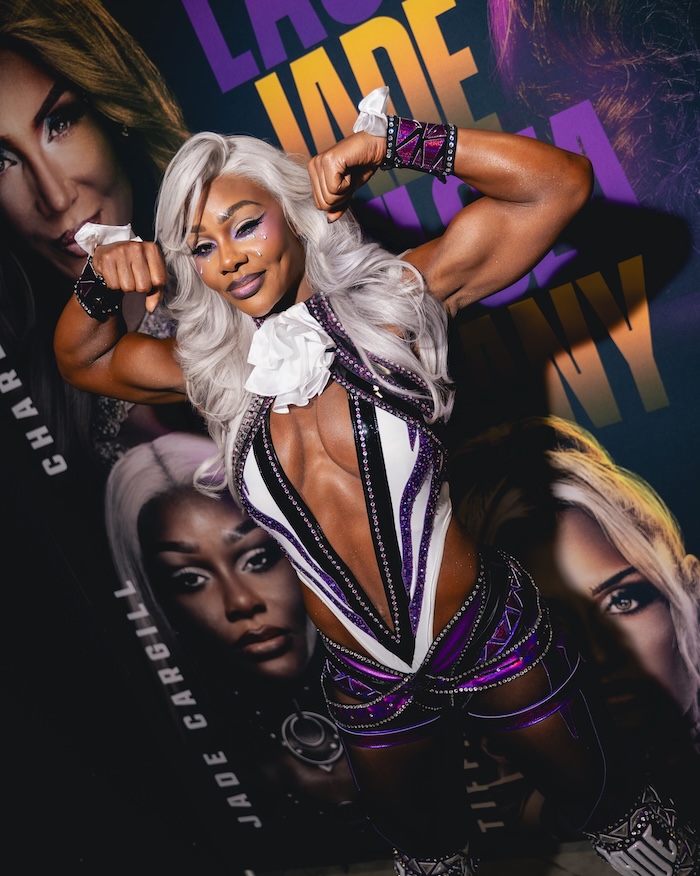
“People think they know me and make assumptions about my wig,” she says. “I’m going to tell you what this wig means to me. I’m going to let you know what my hair means to me. I’m going to let you know what my culture means to me.”
Perhaps that’s the real story. The internet saw a wig come off. Jade Cargill saw centuries of Black beauty resilience reflected back at her. In a culture that continues to interrogate Black women before celebrating them, she transformed a fleeting mishap into something far more enduring: a reminder that our beauty rituals have always been equal parts protection, performance, artistry and inheritance.