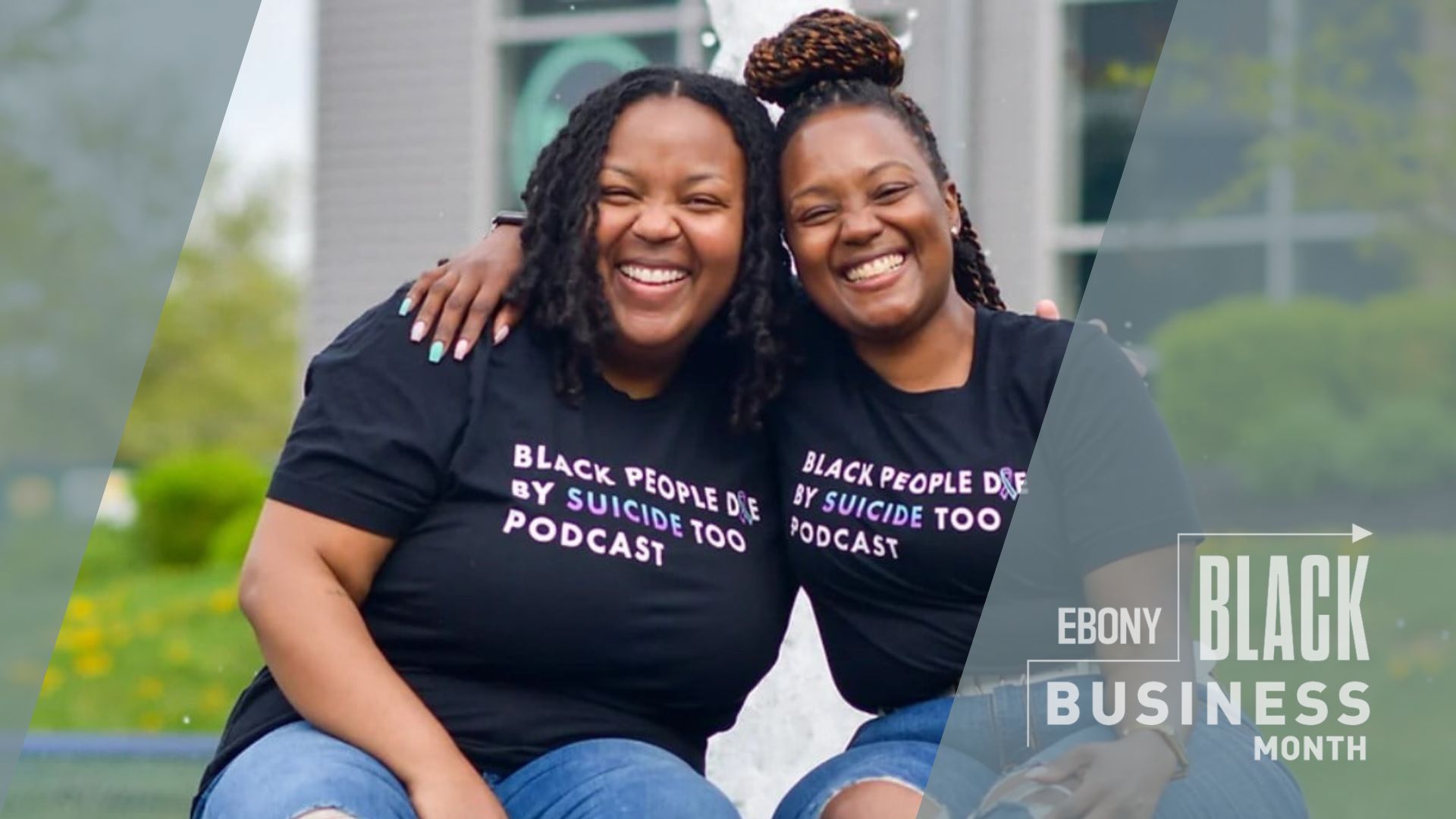
T-Kea Blackman and Jordan Scott want you to know that Black people die by suicide too. Through their Maryland-based nonprofit organization Black People Die By Suicide Too (BPDBST), they have not only clarified that sentiment, but they’ve also created space for the Black community to be equipped with resources and education.
The founders met in a psychiatric hospitalization program, and their friendship served as a launching pad for their mission to save Black lives. Since the inception of BPDBST, Blackman and Scott have implemented various supports within the community through the support group The Black Peer Healing Circle, suicide prevention and safety planning workshops, and their podcast. EBONY spoke with Blackman to learn more about the organization’s work, efforts, and how suicide is a reality we should be paying attention to.
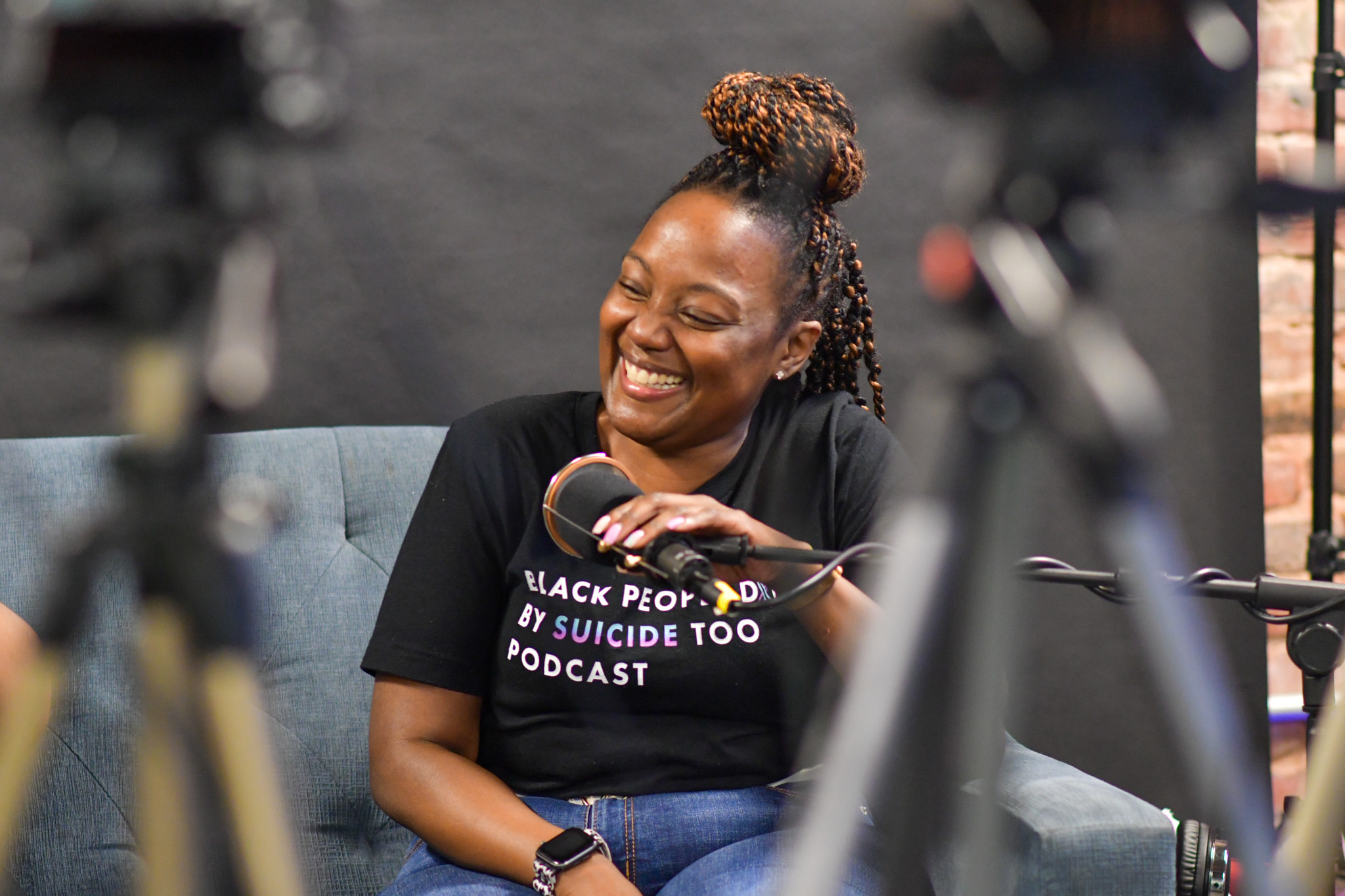
EBONY: What was the personal motivation behind the inception of Black People Die By Suicide Too (BPDBST)?
T-Kea Blackman: It’s many reasons. I think the first reason was because of my own lived experience. I am someone who started struggling with thoughts of suicide in middle school. I didn’t really feel like I had anyone to go to, not because people in my community didn’t care, but as I’ve watched what happened in the community, and also what I’ve seen in the media, mental health was portrayed as white people experience. As I matriculated through high school, college, getting my masters, I was still struggling with these thoughts, but I really couldn’t tell anyone for fear of being judged. I was twenty four when I attempted suicide.
[Then] I lost my 13-year-old cousin to suicide. I started looking at the public health data, and saw that black people had the fastest-growing rates of suicide. I remember talking to my co-founder (Jordan Scott), and both of us were struggling with our mental health. We wanted to make sure that black people had safe spaces to say, not just, ‘I’m not okay,’ but also ‘I don’t want to be here’ in a space without fear.
How is BPDBST working to dismantle the ideation of shame and denial around Black suicide?
One of the ways we do that is through our Black Healing Circle, a peer support circle, where we offer Black people the opportunity to talk about their thoughts on suicide. Some people may not be ready for therapy, or are hesitant because of the stigma associated with it. But they’re more comfortable talking to somebody they feel has gone through it. For some people, it’s an entry point into therapy, because anytime I’m leading a support group, I’m talking about the benefits of therapy. A lot of times people will come to our support groups, and we refer them to a partial hospitalization program, intensive outpatient program, or a therapist in the community.
People have joined our groups from Canada, the United Kingdom, and Brazil, and that made me also realize that Black people are ready to talk about this right globally. This is not just a limited issue to being in the United States. Black people are struggling all over. We also offer support through our mental health literacy and suicide prevention workshops. There’s a workshop that we have called Not A White Thing: Black People Die By Suicide Too, and we talk about the specific systemic issues that impact Black people.
Does BPDBST work with all ages? How is the support tailored?
Yes, we cater to all ages. We have partnered with community organizations in schools that work directly with children. For instance, we partnered with Prince George’s County Public Schools and the sheriff’s office, where we went and led a workshop on self-care with a pop culture twist for middle schoolers. Giving them the language to talk and understand what signs and symptoms of mental health challenges are to get them thinking early about what mental health means to them, how they need to take care of it, what resources are available and how they go to a trusted adult. While we don’t have specific programming for youth, we prioritize partnering with organizations that have youth programs.
What kind of hands-on initiatives does BPDBST offer communities?
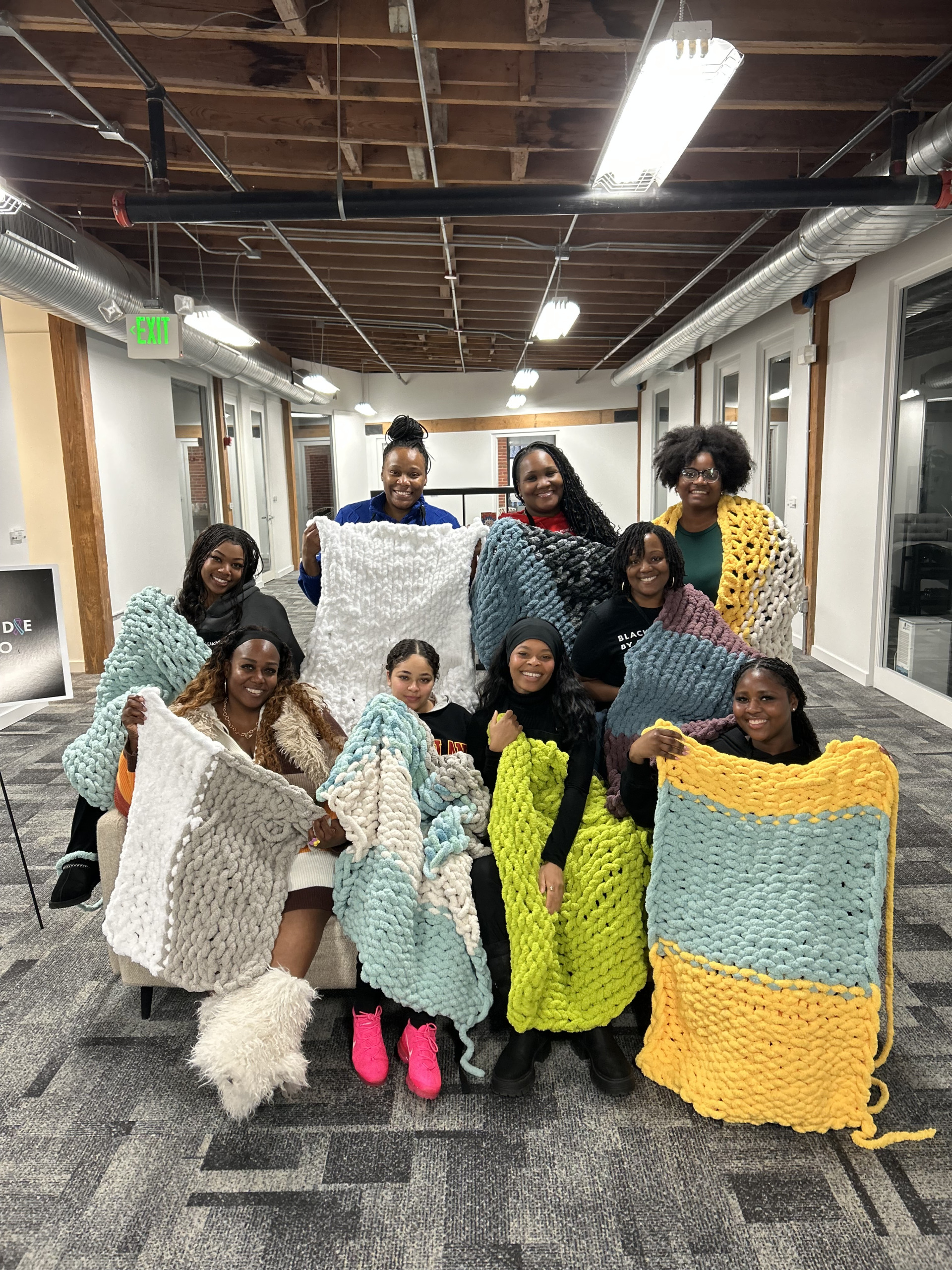
Our Light After Loss retreat is an event that’s done in person. We’ve had some support groups in person, while most of them have been done virtually. One of the support groups is called Cozy Conversations. The reason why we started was that we realized that there are some people who actually want to be in person. Cozy Conversations is an opportunity for a support group, but we actually give people activities to do within a support group instead of sitting in a circle that can be anxiety-inducing. It’s been very successful, and we are in the process of partnering with the University of Maryland to host conversations and continue conducting research on the benefits.
How can people get involved with the organization?
One way to support us is through our Black mental health awards or by volunteering at our events. We’re always open to volunteers. People can also join as board members. We also have to sustain ourselves as a nonprofit, but it takes money to do the work that we’re doing as well. So people can donate monthly, quarterly, or annually. Even just ten dollars a month can make a difference. We’re just three years old, so we’re in the process of looking for additional grants and funding to ensure that we can continue to provide the services and the support to the community.