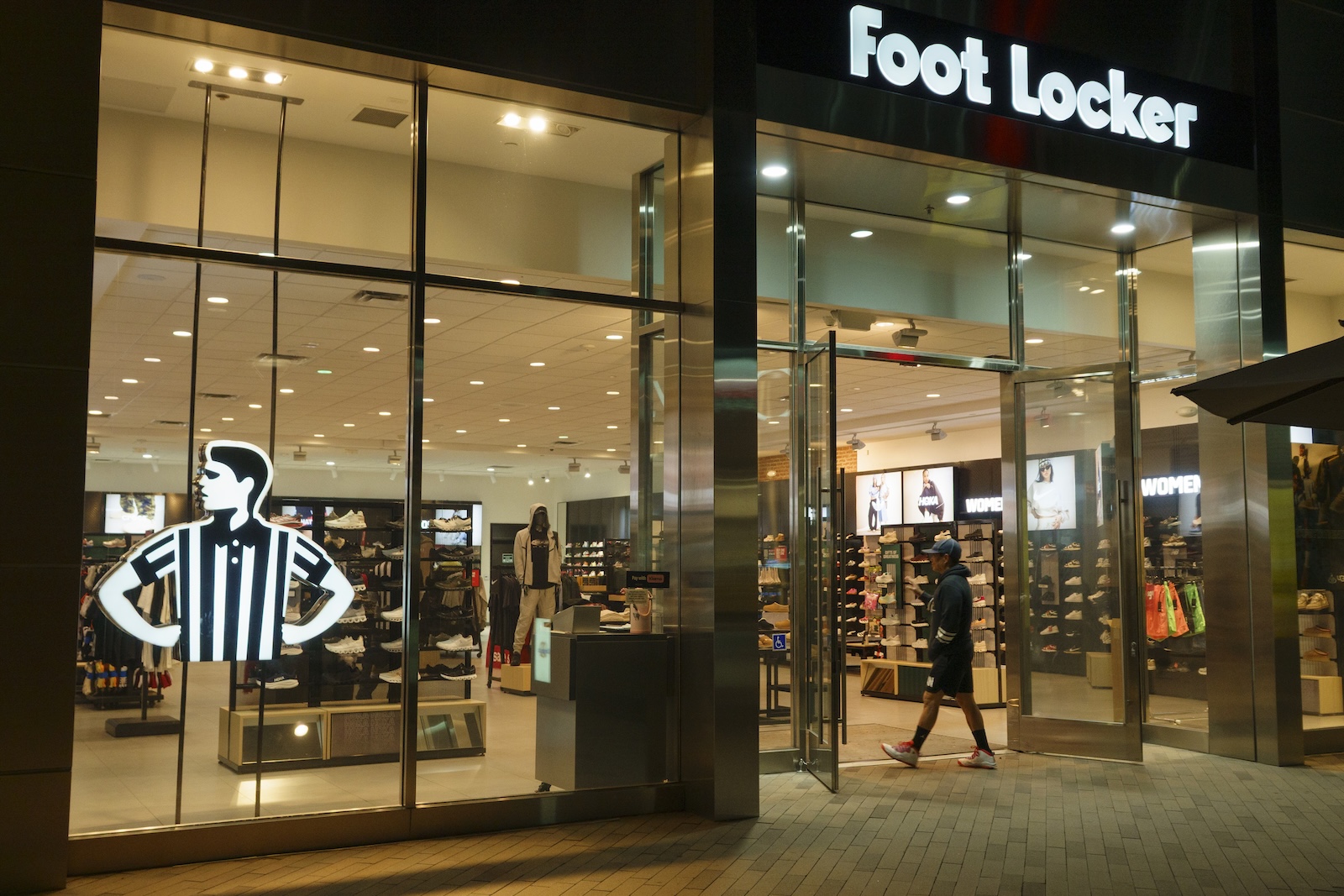
Foot Locker’s latest wave of store closures feels less like a business update and more like an obituary for mall culture. Every few months, another retailer pulls the plug, and the dominoes keep falling: Express shuttered a hundred stores; Forever 21 filed for bankruptcy — again — and closed its doors for good. Brands that once defined tween and teen identity like Limited Too, Justice, Wet Seal, and Delia’s are now ghosts or fossils. Foot Locker joins the list, and the writing on the wall is painfully familiar.
Malls used to be the testing ground for figuring out who you were becoming. A safe space with a soundtrack: Beyoncé on the overhead speakers, a pretzel stand fueling you through three hours of laps with your friends, a teen’s first whiff of independence.
But today’s kids do not have the same entry point into culture. When Forever 21 went bankrupt, it signaled the end of something more subtle. It was the end of the impulsive joy that only came from seeing something, trying something, becoming something, all in real time.
Of course, nostalgia isn’t the only casualty—economics play a role too. You cannot send a kid to the mall with ten dollars anymore and expect them to come home with a full stomach and a cute accessory. A decade or two ago, ten dollars could get you a slice of pizza, a lemonade, and maybe a clearance tank from Wet Seal. Today, it barely buys parking. Mall culture depended on small allowances stretching far, giving teens a place to wander without having to spend big. But with prices climbing in every direction, the mall is no longer designed for kids. When the money dries up, so does the magic.
The other part is access. Millennials grew up in a world where reaching your friends required effort. Maybe one or two people in the group had a cell phone, and even then, you had to wait until after 7 pm for free minutes. Everyone else had a house phone. You called, hoped they were home, and prayed their older sibling did not hang up on you. Meeting up at the mall was not just socializing. It was community building, the only space where everyone converged without needing WiFi or a ride-share app.
Kids today do not long for that kind of meetup because their entire social circle lives in their pocket: texts, FaceTime, group chats, shared location. There is no anticipation, no ritual, no reason to spend three hours roaming a food court when you can talk to all your friends from bed.
As Foot Locker shutters stores and more casualties pile up, we are losing more than commerce. We are watching the shrinking of adolescence. Today’s teens have fewer built-in safe spaces — not on television, not in music, and increasingly, not even in public. Not on television, not in music, not in public. And now, not even in the mall. The places where we once learned confidence, camaraderie, and style are disappearing, and what’s left behind is a generation navigating adolescence without a map.