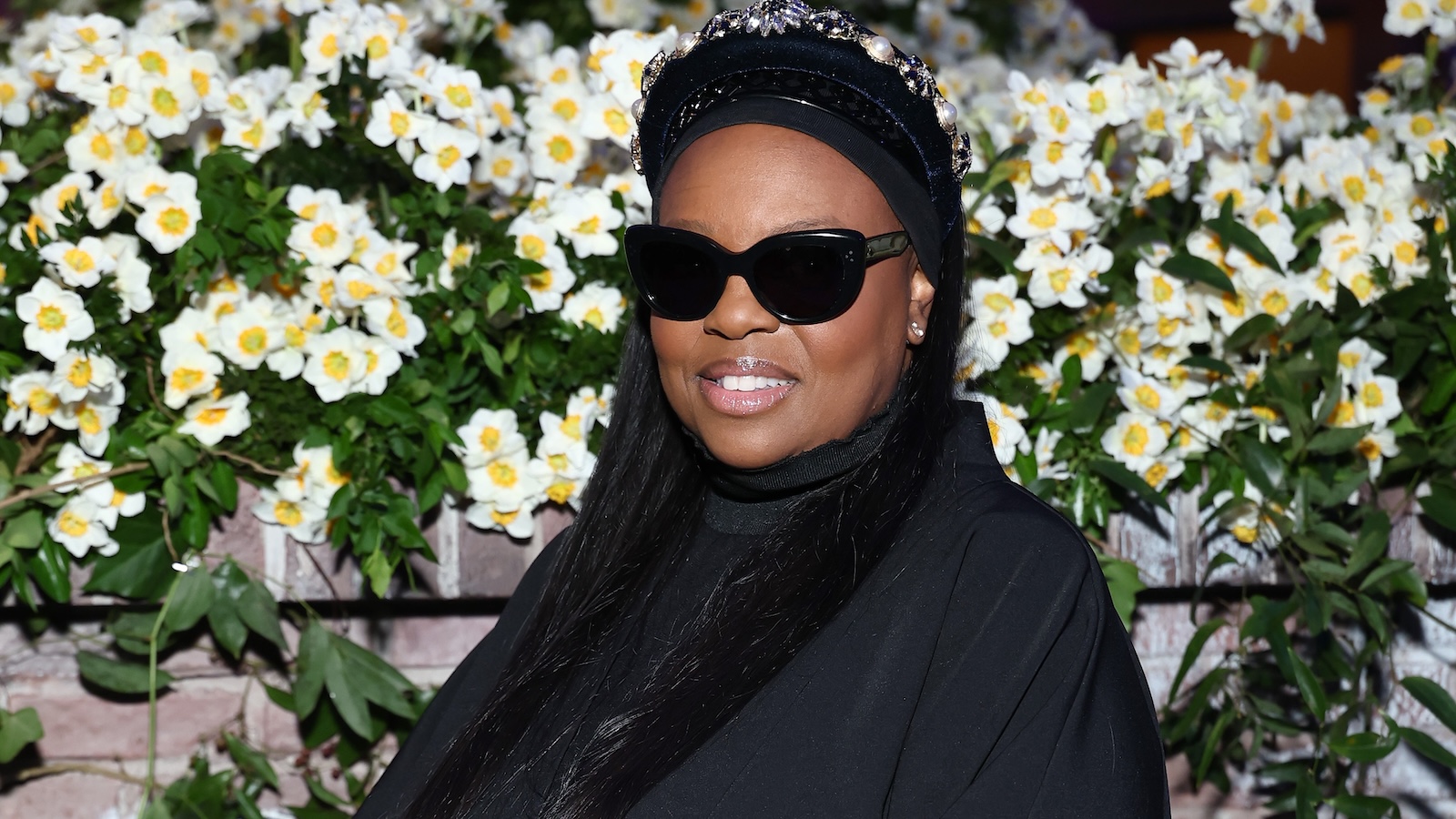
When news began circulating that Pat McGrath Labs’ assets were being put up for sale, it landed with a familiar thud. Not shock exactly, more like recognition. Another Black-founded beauty brand that once represented the ceiling is suddenly staring at the floor. Another reminder that visibility, virality, and cultural dominance don’t always translate into protection when the business math stops mathing.
Coming on the heels of Ami Colé’s closure earlier this year, the timing feels less coincidental and more like a pattern demanding interrogation. These aren’t fringe brands. These are companies that shaped modern beauty conversations, shifted shade ranges, redefined marketing language and made space for Black consumers to feel seen without apology. And yet here we are, again, asking why Black beauty founders so often end up backed into corners their peers never seem to reach.
Pat McGrath Labs is not just a brand. It’s a cultural institution built on the artistry of a woman who literally rewrote the rules of backstage beauty and luxury makeup. To see its assets potentially changing hands doesn’t erase that legacy, but it does force a hard conversation about how fragile even the most celebrated Black-founded brands remain once they scale beyond hype into infrastructure-heavy territory. Manufacturing, distribution, debt, investor expectations, retail pressures. None of it is glamorous. All of it is unforgiving.
Ami Colé’s quiet exit earlier this year felt similarly instructive. Beloved by editors. Supported by consumers. Frequently cited as a case study in “doing it right.” And still, the brand couldn’t outrun the realities of operating in a beauty market that demands constant growth while offering little grace for recalibration. Black founders are often expected to build community-driven brands while competing in systems designed for volume, not values.
What makes this moment especially uncomfortable is how often Black beauty brands are framed as exceptions rather than enterprises deserving of long-term investment and patience. They’re launched with fanfare, praised for storytelling, then quietly abandoned when they need capital, operational support, or simply time. Meanwhile, white-founded brands are allowed to pivot, pause, sell, restructure, and fail forward without their legitimacy being questioned.
So, what does this moment mean? It means the industry has to stop pretending representation alone is enough. It means asking who gets access to patient capital, who gets written off as a “risk,” and why Black founders are so often forced to choose between creative control and survival. It means acknowledging that cultural impact doesn’t shield you from an ecosystem that still undervalues Black ownership once the Instagram buzz fades.
None of this erases Pat McGrath’s influence or Ami Colé’s contribution. If anything, it sharpens their importance. These brands changed beauty forever. The tragedy is not that assets are being sold or doors are closing. The tragedy is that the industry still hasn’t built a system where Black excellence is allowed to endure without constant threat.
And until that changes, this won’t be the last headline that feels less like news and more like déjà vu.