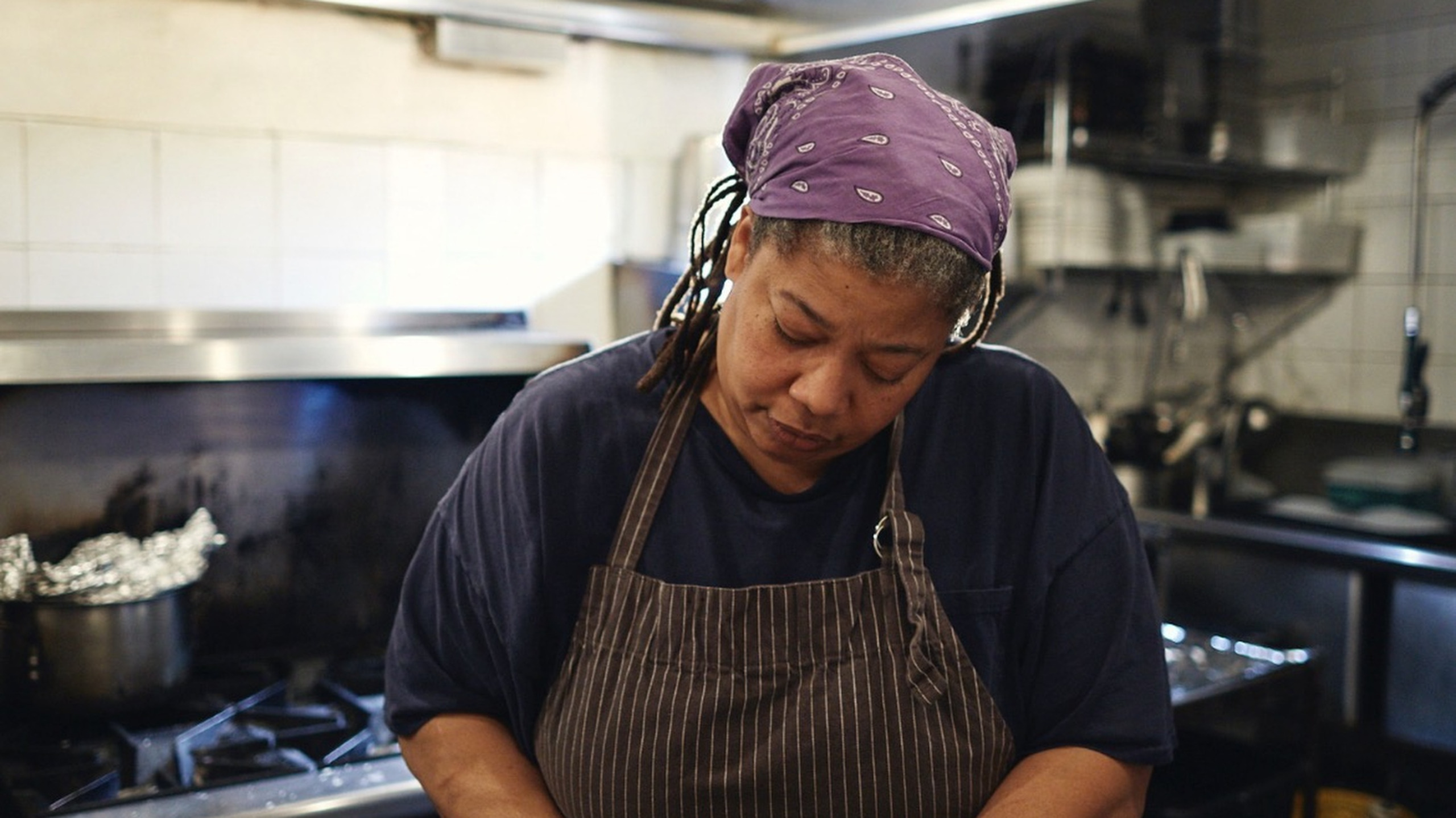
Whenever I move into a new neighborhood, one of the first things I do is explore the local restaurants. I’m always hoping to find that one place I’ll keep coming back to. And for those who know, when you do, it becomes something special. A favorite restaurant becomes more than somewhere to grab a meal. It becomes part of your routine—a place where you’re greeted with love, celebrate life’s biggest moments, or simply find comfort after a long day. It becomes a safe space.
So when the owner announces, “We’re closing our doors,” the loss can feel personal. That’s exactly what many loyal customers of Cheryl’s Global Soul in Brooklyn experienced. For 20 years, the neighborhood restaurant has served far more than soul food. It has become a gathering place for generations of families, celebrations, and everyday moments.
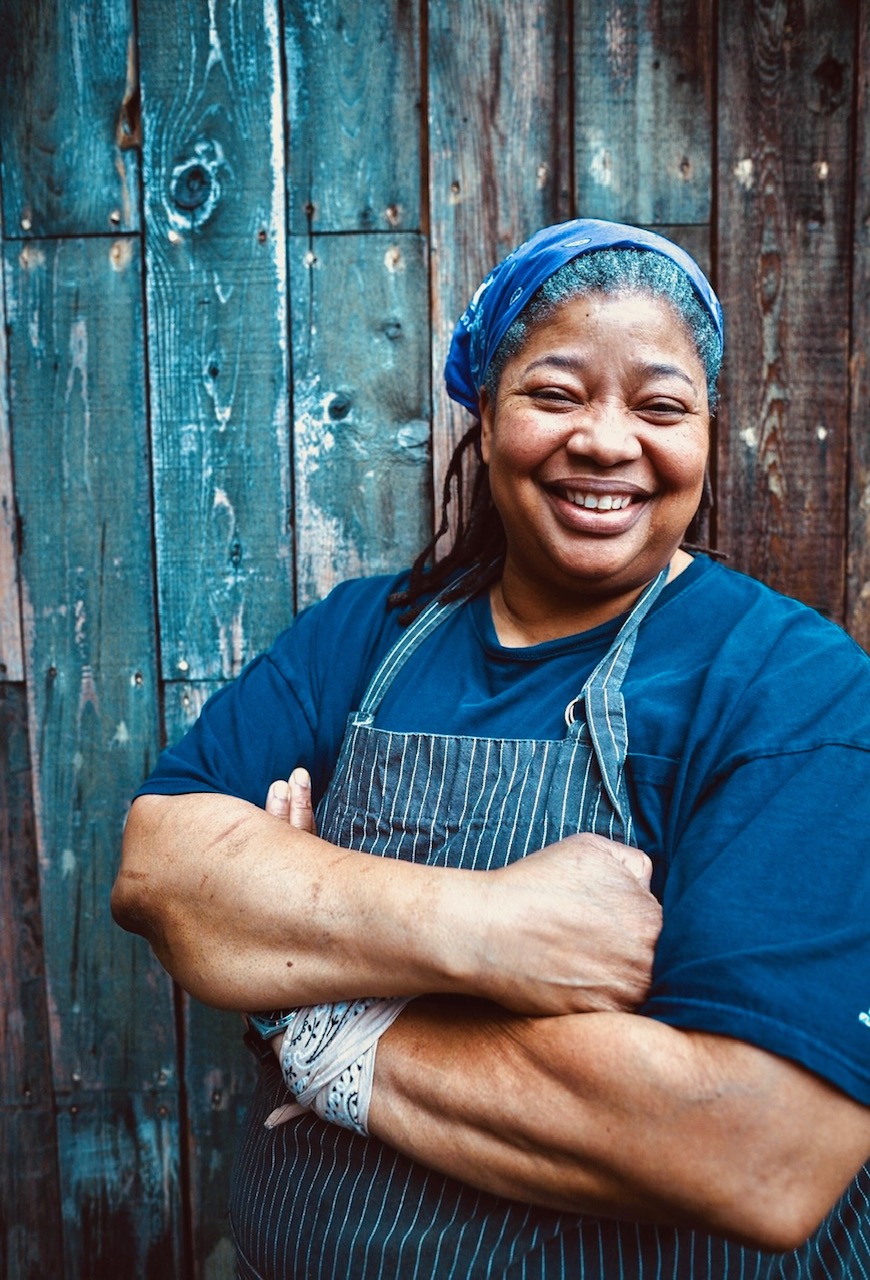
“I believe that people form this deep emotional connection to places like Cheryl’s because it’s a welcoming environment,” said owner Cheryl Smith. “You feel taken care of, you’re not rushed, and even when dining alone, you are one conversation away from making a new friend.”
Cheryl’s Global Soul isn’t alone when it comes to closures. Brooklyn seafood restaurant The Crabby Shack recently announced it, too, would be closing its doors. Owners Fifi Bell-Clanton and Gwen Woods say the decision ultimately came down to mounting debt and cash flow. “Like many independent restaurants, every dollar we made went right back into keeping the business running—paying vendors, payroll, rent, utilities, insurance, and taxes,” they said in a statement to EBONY. “Over time, there simply wasn’t enough left to keep up with everything.”

Why Losing a Favorite Restaurant Feels So Personal
As beloved neighborhood restaurants continue to close, many customers are left grieving spaces that helped shape their lives. According to therapist Najamah Davis, LCSW, LCADC, those emotions are completely valid.
“We don’t just grieve people—we grieve places, routines, and experiences that helped shape our lives,” says Davis. “A favorite restaurant often becomes part of our personal story. It’s where birthdays were celebrated, difficult conversations happened, first dates began, or Sunday dinners brought family together. When it closes, we’re not just losing a building—we’re losing a space that holds meaningful memories.”
In Black communities especially, Davis says neighborhood restaurants often serve as emotional and cultural anchors. “Restaurants are often emotional anchors. They create a sense of belonging, comfort, and connection,” she explains.
“They’re gathering spaces where culture, family traditions, and community are passed down. Losing them can feel like losing a piece of home and history.”
What Business Owners Lose When They Close Their Doors
While customers grieve the loss of a favorite restaurant, owners are often left navigating difficult financial realities long before they make the decision to close. Bell-Clanton and Woods say they began noticing warning signs as customer traffic slowed, particularly during the winter months. Like many small businesses, they relied on credit cards with the hope that summer sales would help them recover. Although business improved, it wasn’t enough to erase months of debt while keeping up with sales tax, payroll, vendors, and everyday operating costs.
Another challenge, they say, was the growing dependence on third-party delivery apps. “Customers love the convenience, but many don’t realize restaurants often absorb the cost,” they shared. “Between commissions, required promotions, discounts, and marketing fees, those platforms can take up to 30% of an order.”
Smith says customers also don’t realize that a busy dining room doesn’t necessarily mean a restaurant is thriving financially. “I would like customers to understand that the challenges in operating an independent restaurant have increased,” she says. “It’s the unpredictable nature of product availability, energy cost increases and licensing that has changed so much over the years, it’s landlords who believe you’re so busy that they raise rents beyond what our four walls can generate.” She also says the misconception runs deeper than most customers realize. Brunch might be packed, but that’s only two of the seven days she needs customers to show up. The rest of the week, tables are rarely full, she explains.
Looking back, Bell-Clanton and Woods say there’s one lesson they hope other restaurant owners take away from their experience. “Know your numbers, and don’t let pride keep you from making hard decisions early. Raise your prices when you need to, ask for help before you’re drowning, and remember that being busy doesn’t always mean you’re profitable. Passion will keep you going, but profit is what keeps the doors open.”
How to Honor The Memories After The Last Meal
Grieving the closure of a favorite restaurant is hard for everyone and it can be painful. Davis encourages people to embrace their emotions instead of minimizing them. “Allow yourself to acknowledge that the sadness is real. Visit one last time if possible, take photos, share stories with loved ones, recreate a favorite meal at home, or support the owners in their next chapter. Grief doesn’t always require a funeral—sometimes it simply asks us to honor what mattered.”
She also recommends that people should try not to compare or dismiss their grief. “Try not to dismiss your feelings or let someone else tell you they’re “too small,” Davis adds. “If the closing brings up intense sadness or reminds you of other losses you’ve experienced, it may be uncovering grief that’s been sitting beneath the surface.”