
Take What You Can by Naima Coster, which hit shelves on August 4, gets at a very real kind of friendship: loving someone deeply while still not knowing how to let them show up for you.
College friends Val and Milly are both navigating first-time motherhood without their own mothers to lean on, a shared absence that should bring them closer but instead exposes how fiercely independent they’ve learned to be. They’re quick to support each other, yet struggle to receive that same care in return. That push and pull gives the novel its emotional tension, asking what happens when survival mode follows you into adulthood—and whether accepting help can be its own kind of strength.
When the two decide to merge their lives by living in the same city after several years of occupying opposite sides of the East Coast, getting acclimated proves difficult. Building a close-knit familial structure—something that neither has intimately experienced—was the intent, but navigating the process of creating community through vulnerability wasn’t at all what they bargained for.
They live within minutes of each other, close enough to walk to the other’s house, yet they are being driven further apart by the day due to fear; fear that the delicate balance they have existed in may be snatched away from them if they give in to the possibility of allowing themselves to be vulnerable with one another.
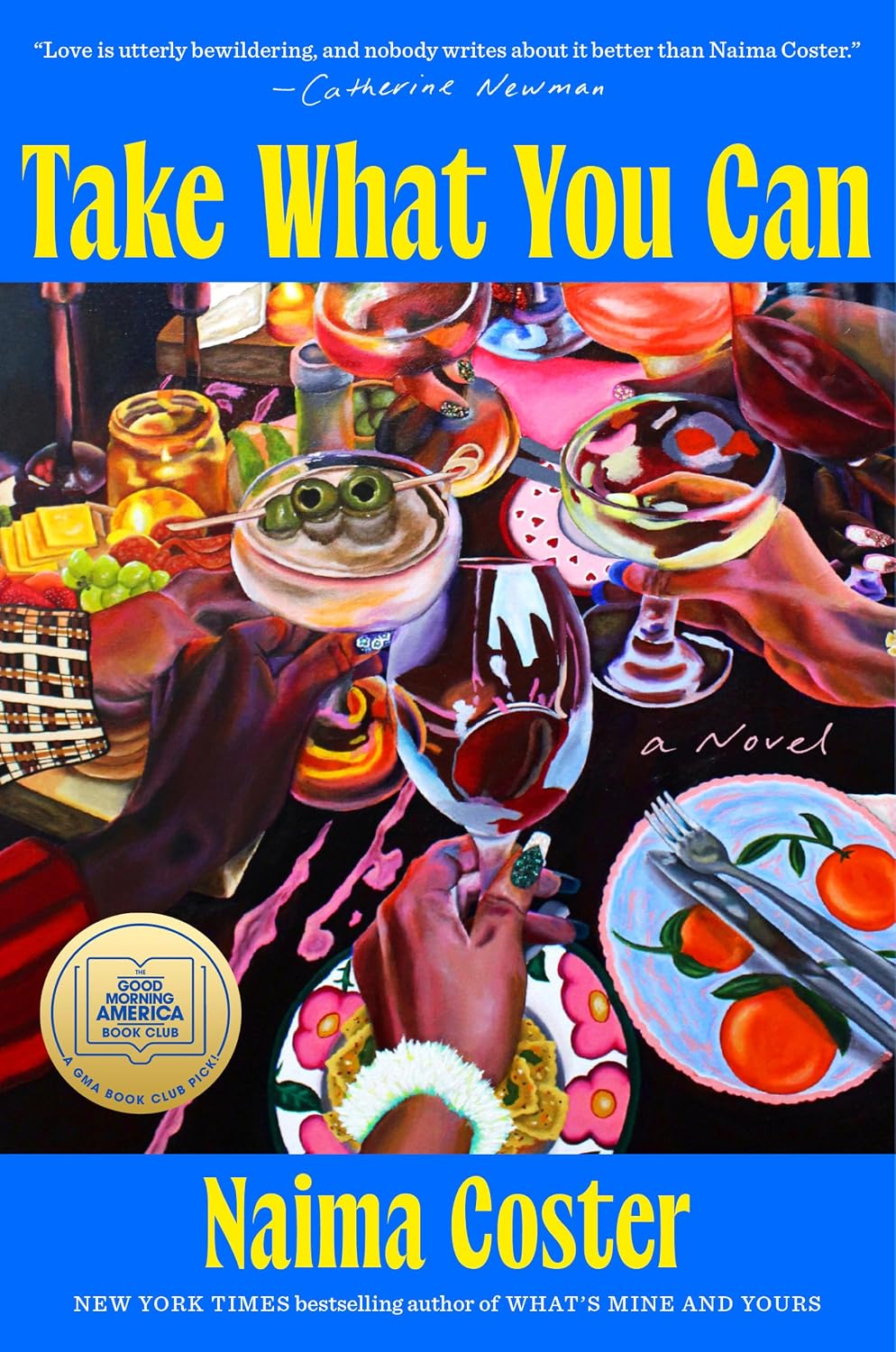
Themes of first-time motherhood, abandonment, and creating familial connection through untraditional tactics are explored throughout Coster’s narrative. As a reader, I appreciated each character for the nuance they contributed to the story. I think everyone has tendencies that mirror each of them; to some capacity, I could relate to both.
What proved more difficult was my inability to fully connect with Val and Milly, and what prevented me from becoming fully enthralled was the characters’ stagnation. Throughout the book’s entirety, they continue to struggle with the same singular issue. An issue that is important, yes, but one that leaves room for additional nuance.
Val is biracial, and Milly is Afro-Latina, yet we only receive glimpses of what those identities have meant for them. Beyond Val’s mother being arrested for a DUI and Milly’s pain not being taken seriously during labor, the novel rarely ventures deeper into how those experiences shaped their emotional worlds or reinforced their shared belief that no one is coming to save them. The story simply continues when those moments feel as though they are inviting further exploration.
There were several scenes where it felt like we were on the brink of learning exactly why Val or Milly were the way that they were, but the closer the opportunity became, the quicker the moment ended. It felt like receiving an invitation to explore just for it to get rescinded a few paces after walking in. Most readers read for the intricacies that exist in the details, and those were the moments where the novel felt most restrained. Rather than digging deeper into the emotional aftermath of pivotal experiences, it often moved forward before fully allowing readers to sit with them.
That restraint also made the characters’ growth difficult to measure. There was no certifiable or tangible evolution for either woman, leaving a craving for either a longer novel or additional detail to address the gaps. In narratives, it won’t always be a favorable journey or ending. To go into reading anything is to understand that the story does not belong to you; it is simply an invitation to witness a story that aims to inform or challenge your perspective. Unfortunately, I don’t feel that I was able to fully experience either.
I understand the value of interpretation and of giving characters room to exist without the pressure of completing a one-hundred-eighty-degree transformation, but progressive narratives that encourage readers to be altered by the story often offer characters who arrive at some meaningful shift or take an impactful stance. Neither felt abundantly clear.
Even so, Take What You Can offers an opportunity to experience how the weight of carrying an unspoken load can unravel any relationship. Coster raises compelling questions about motherhood, abandonment, friendship, and chosen family. I only wished the novel had lingered longer in the emotional spaces it introduced, allowing its characters and readers the opportunity to uncover what lay beneath the surface.