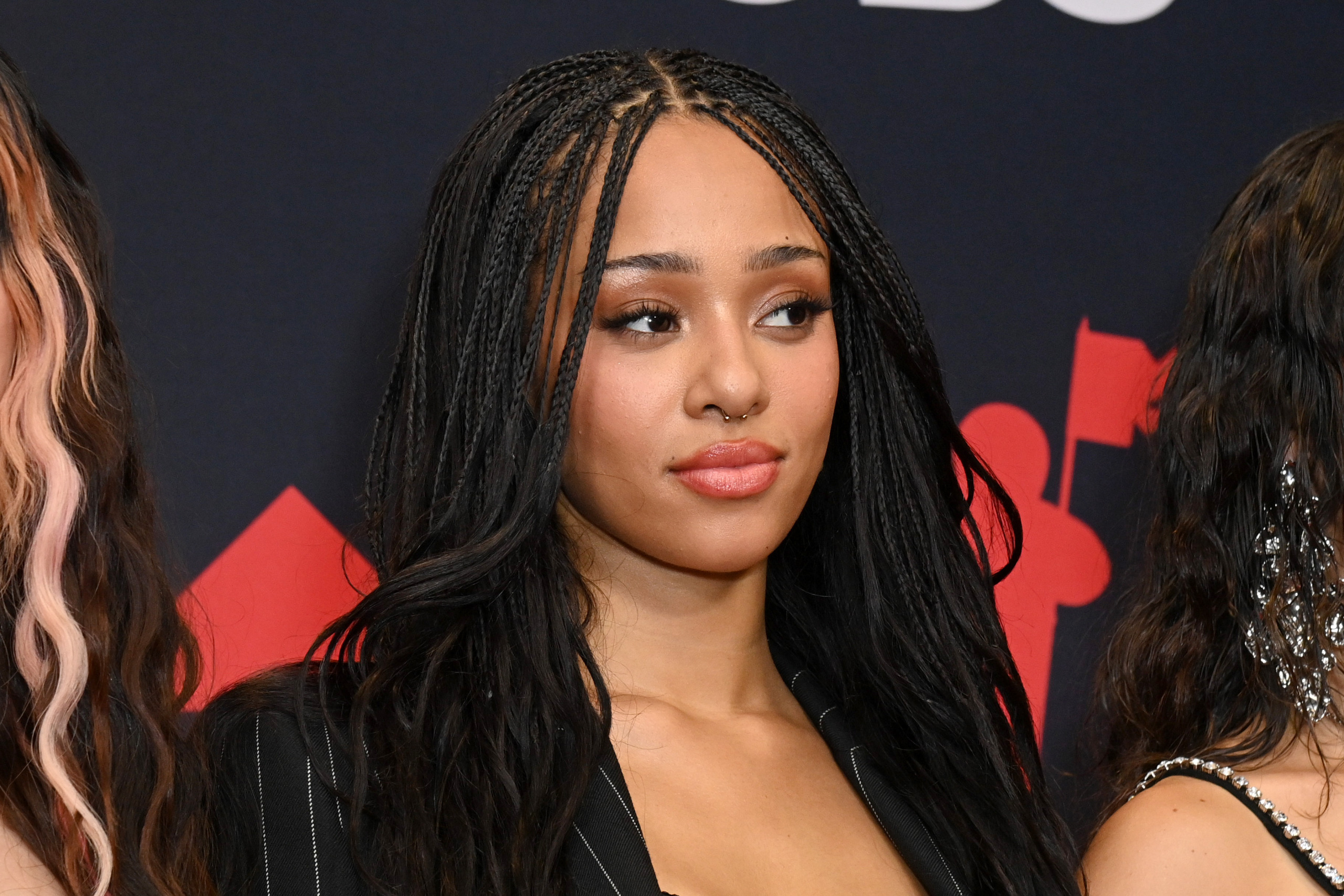
On Friday, HYBE and Geffen Records announced that KATSEYE member Manon Bannerman would be taking a “temporary hiatus from group activities to focus on her health and wellbeing,” which has opened the floor for a larger conversation that fans and industry peers are rallying around to advocate for her.
The 23-year-old joined Daniela Avanzini, Lara Raj, Megan Skiendiel, Sophia Laforteza, and Yoonchae on Netflix’s Pop Star Academy: KATSEYE. A reality competition series that debuted the group in 2024 and was the first joint venture between K-pop entertainment company HYBE and Universal Music Group’s Geffen Records. Bannerman’s pause didn’t just interrupt a promotional cycle; it set off a domino effect, highlighting a reality many Black women know intimately: the exhausting weight of being the only one.
“Hi, friends. I want you to hear this from me: I’m healthy, I’m okay, and I’m taking care of myself,” Bannerman said via Weverse. “Thank [you] for checking in! Sometimes things unfold in ways we don’t fully control, but I’m trusting the bigger picture. Thank you for standing by me. I love you endlessly and can’t wait to see you again.”
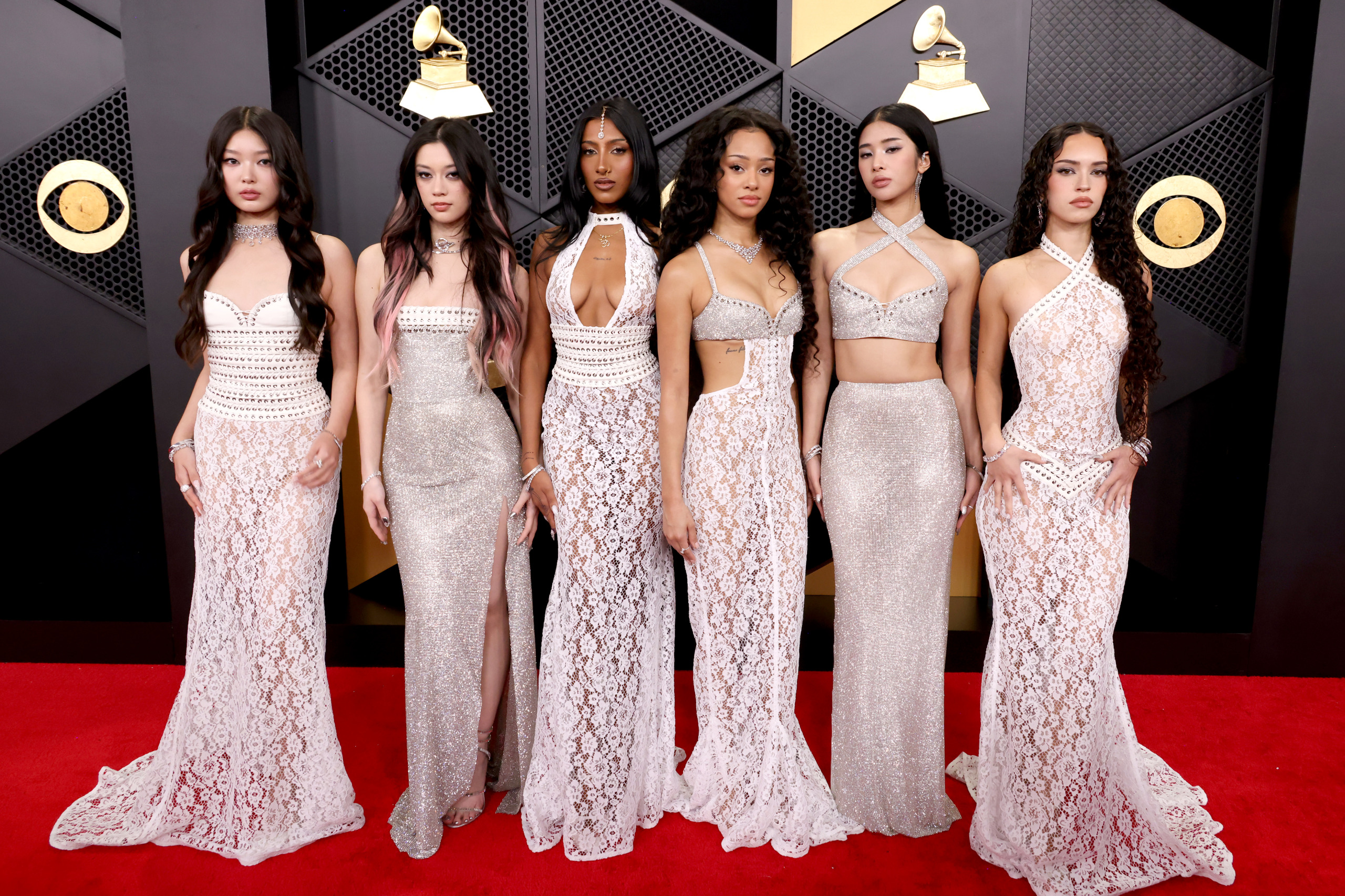
Image: John Shearer/Getty Images for The Recording Academy
In girl groups, representation is often celebrated as progress. A single Black member can symbolize diversity, representation, and, overall, give young girls who look like them a sense of hope. Yet that visibility can quickly morph into a target on their backs; we’ve seen it with Normani Kordei from Fifth Harmony and Leigh-Anne Pinnock from Little Mix, and unfortunately, the list goes on. The only Black girl is expected to embody that star quality while maneuvering microaggressions without disrupting group harmony. The hard truth stands: it’s extremely difficult to remember the dream when you’re hit with constant criticism and double standards by not only stans but also the labels and corporations.
Social media continues to intensify this dynamic. On one end, you have fans who rally around Black members with protective energy, but the harsh reality is that labels and stan culture can also reproduce the very hierarchies it claims to resist. Comparisons about performance and vocal ability often carry coded language rooted in racism. “Being called lazy, especially as a Black girl, is not fair,” she said in her interview with The Cut. “Now I feel like I always need to put in extra work to prove something, even though I really don’t.”
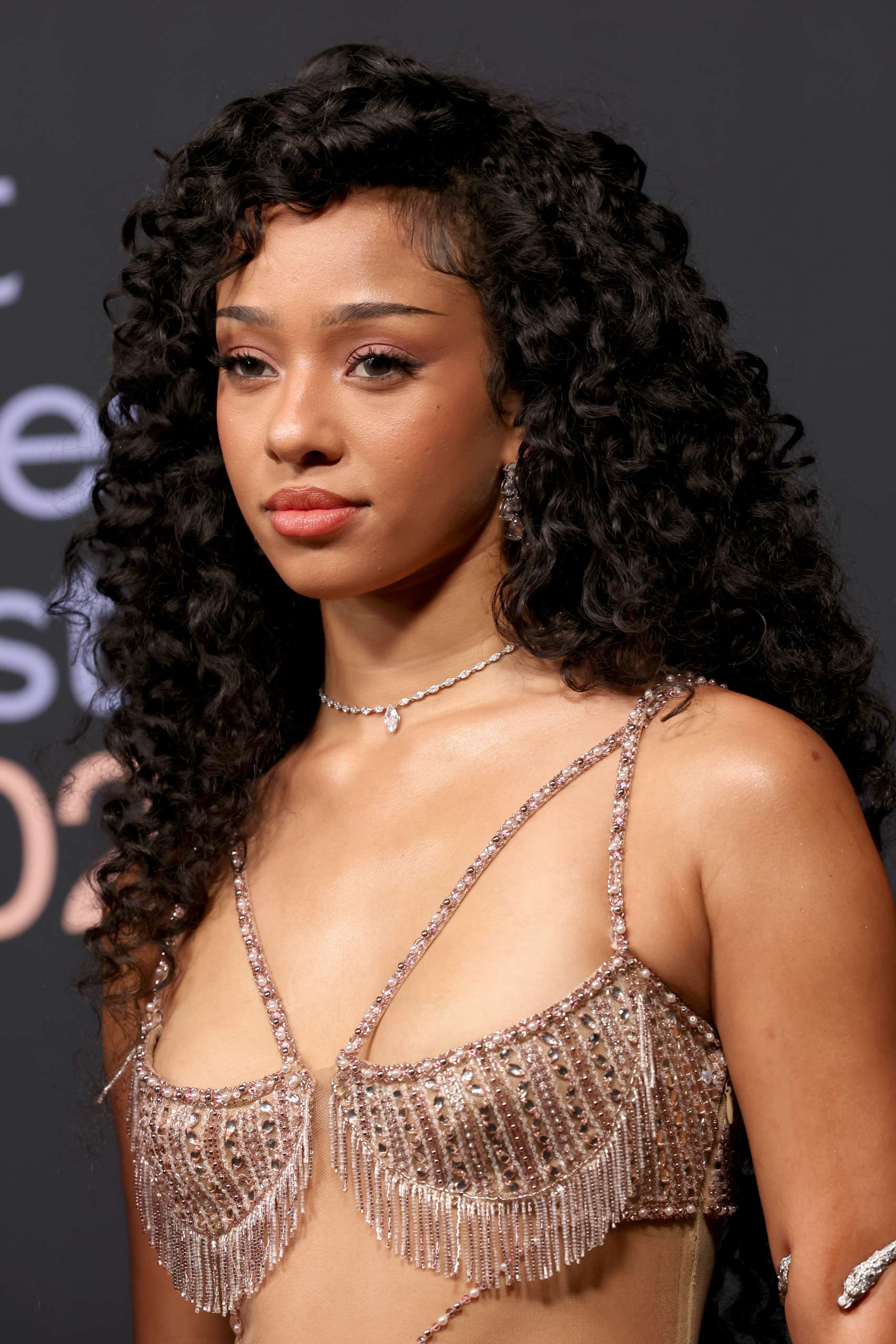
For the artist like Bannerman at the center, the discourse becomes an unrelenting mirror reflecting alienation and over-self-analysis. Still, Bannerman’s hiatus also fits within a longer industry pattern. Being the only Black girl often means serving as more than a performer. It requires constant self-monitoring, whether you’re deciding when to speak up, when to let comments slide and how to maintain professionalism while protecting personal dignity.
What feels different now is the audience response. Fans are raising awareness that Black artists should not have to face such massive scrutiny to fulfill their dream of performing and making music. Support for Bannerman has centered on empathy rather than speculation, with virtual support from artists like Normani, Leigh-Ann Pinnock, Kehlani, and more, signaling a cultural shift toward protecting Black women’s humanity as fiercely as their talent.
Ultimately, Bannerman’s hiatus is a challenge to the industry to reconsider how tokenism and anti-blackness in girl groups should be handled, not just through branding, but through equity, emotional safety, and genuine care. Representation alone cannot carry the burden of inclusion. As conversations sparked by her hiatus continue to unfold on the timeline, the hope is clear: that future girl groups will allow Black women to exist not as symbols or exceptions, but as fully supported members whose voices, rest and joy are integral to the group’s growth and success.