The Rock & Roll Hall of Fame has spoken, and several iconic artists are joining the ranks of those who have defined music as we know it.
From Fela Kuti to Sade, these artists, chosen through a mix of industry voting and historical inroads, are recognized for their longevity (one criterion is that their first commercial release happened at least 25 years ago), influence, innovation, and cultural impact.
This year sees a robust blend of genres, including R&B, hip-hop, and global music, redefining rock and roll—a sound pioneered by Rosetta Tharpe—and recognizing the expansion of artistic influence.
Here are all the Black artists who made this year’s list…and a few who should have.
The Performer Honorees
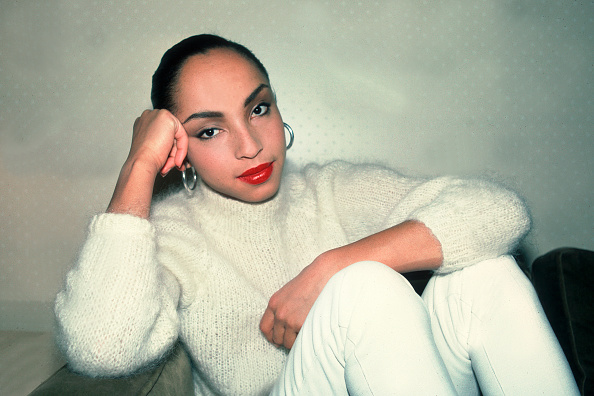
Sade
Fusing soul, jazz, and sophistication, Sade Adu and her band created a new sound in pop. From “Smooth Operator” to “No Ordinary Love,” their smoothness was the perfect backdrop to a glass of good wine with a special someone. Never overexposed, they still influenced generations of R&B minimalists and alternative soul artists.
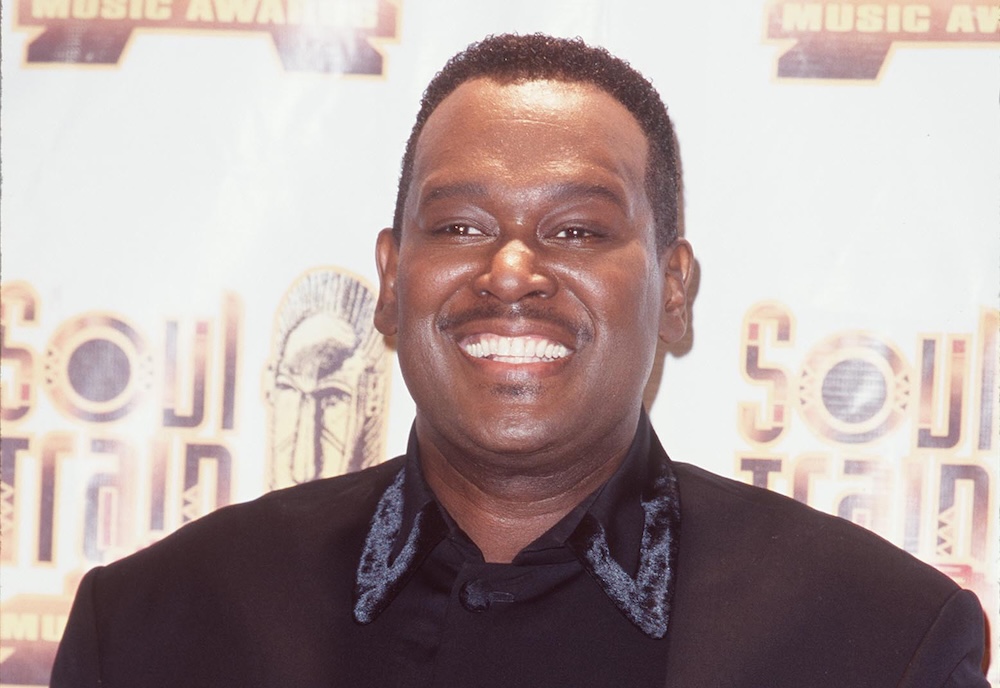
Luther Vandross
Love songs were an out-of-body experience in Luther Vandross’ hands. That silky smooth voice could hit vocal runs like nobody’s business. Ballads like “Never Too Much” and “Here and Now” were emotional powerhouses. But Vandross was more than just the vocals—he was a master arranger and producer whose work in the R&B realm influenced those who followed to master “the sound.”
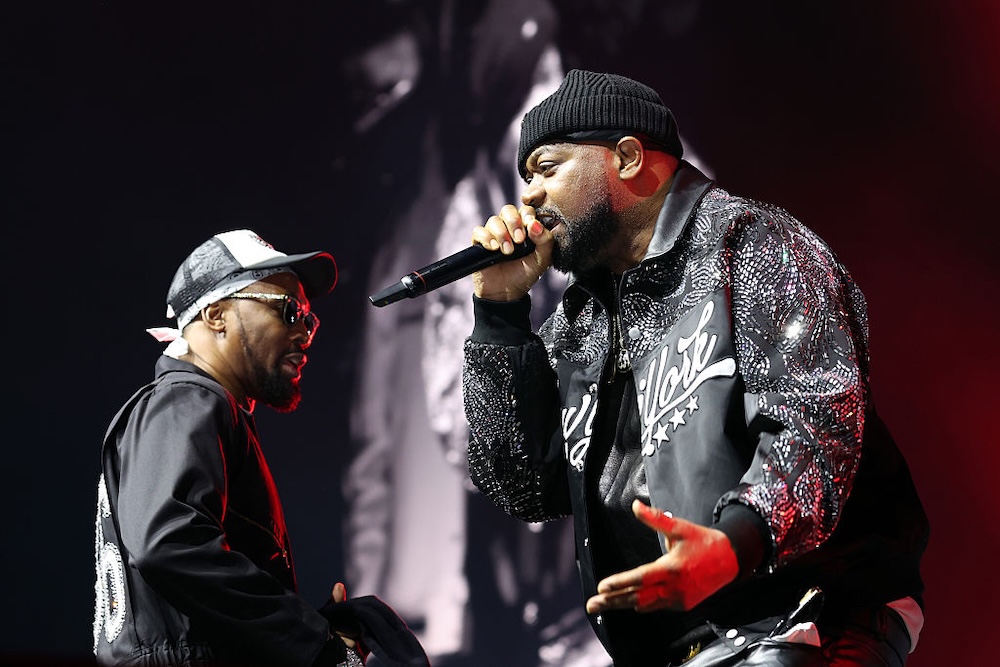
Wu-Tang Clan
Simply put, the Wu-Tang Clan rewrote the rules of hip-hop in the ’90s. Collectively, RZA, GZA, Method Man, Raekwon, Ghostface Killah, Inspectah Deck, U-God, Masta Killa, and the late Ol’ Dirty Bastard blended martial arts mythology with hard-hitting street narratives, converging on a style that was gritty, raw, complex, and all their own. Members like RZA and Method Man went on to build solo empires, but they still maintained a collective identity, taking hip-hop from New York’s Staten Island to across the globe.
Early Influence Award Honorees
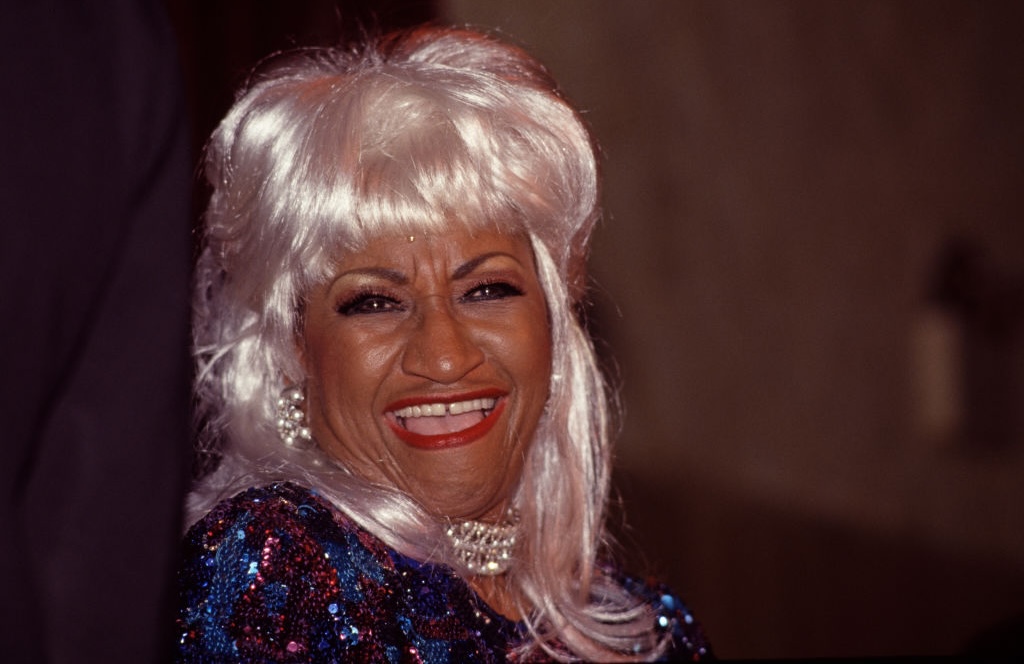
Celia Cruz
Afro-Caribbean rhythms were global-stage gold in the hands of Celia Cruz. From “La Reina de la Salsa” to her explosive performances and signature “¡Azúcar!”, Cruz helped cement salsa as a dominant musical force, bridging Latin music and Black identity, and influencing artists and listeners across genres.
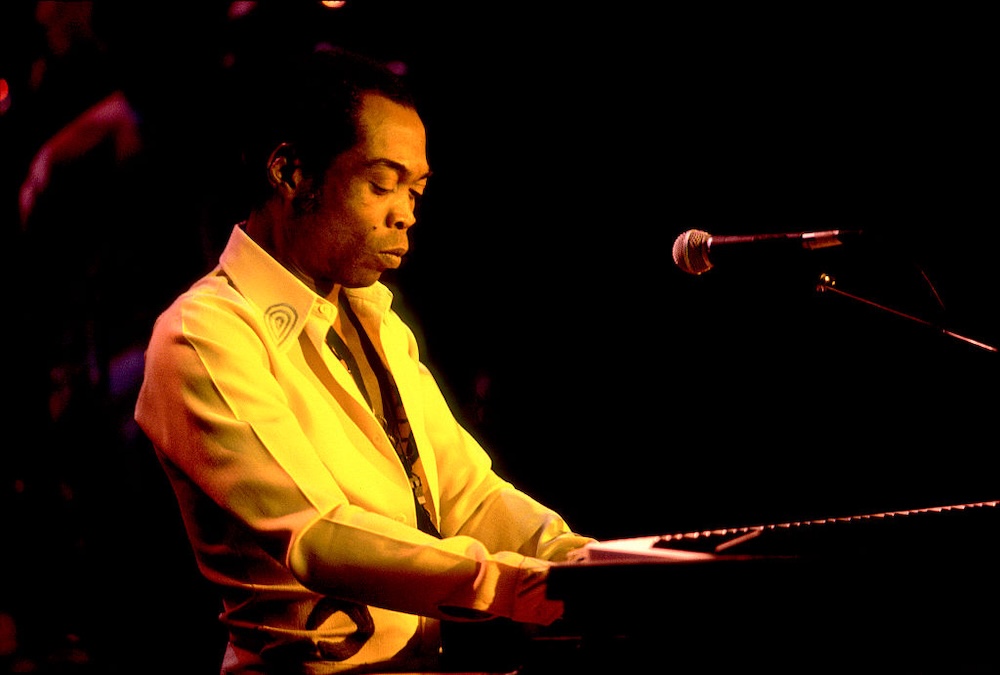
Fela Kuti
Afrobeat was more than an 8-count for Fela Kuti. Blending jazz, funk, and traditional Nigerian rhythms, his music became protest anthems against Nigeria’s corruption and colonial legacy in the 1970s and ’80s. His hypnotic, defiant epics have been a masterclass for African artists like Burna Boy, as well as global jazz and hip-hop innovators.
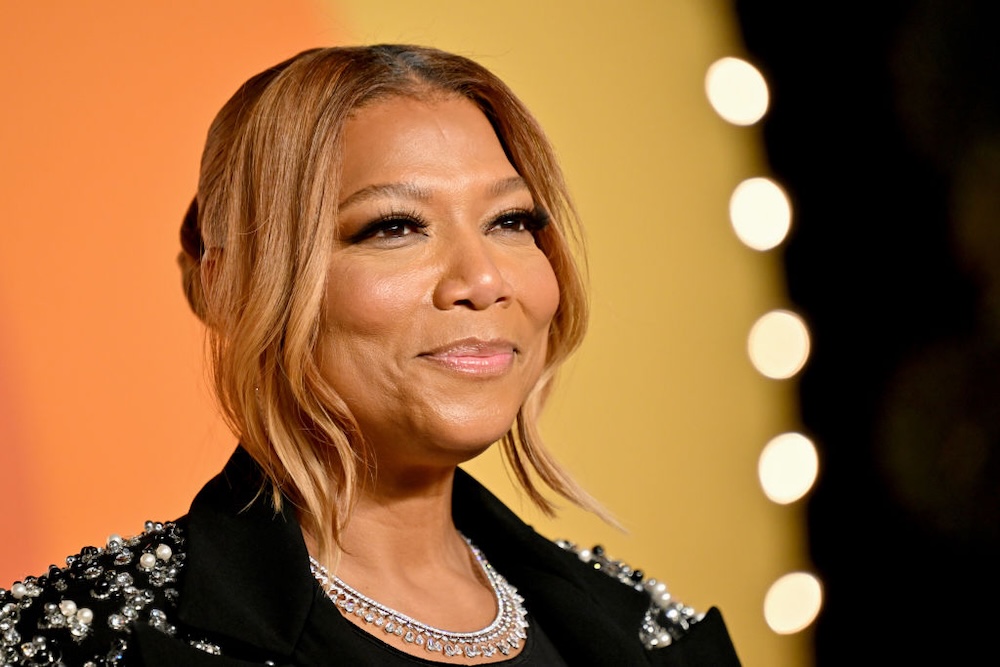
Queen Latifah
Just call Queen Latifah the voice of feminist hip-hop. Tracks like “U.N.I.T.Y.” were all about arming women with the respect they deserved. Behind the scenes, she expanded women’s voices in rap. She would move on to film and television, but never forgot the music or her initial mission statement.
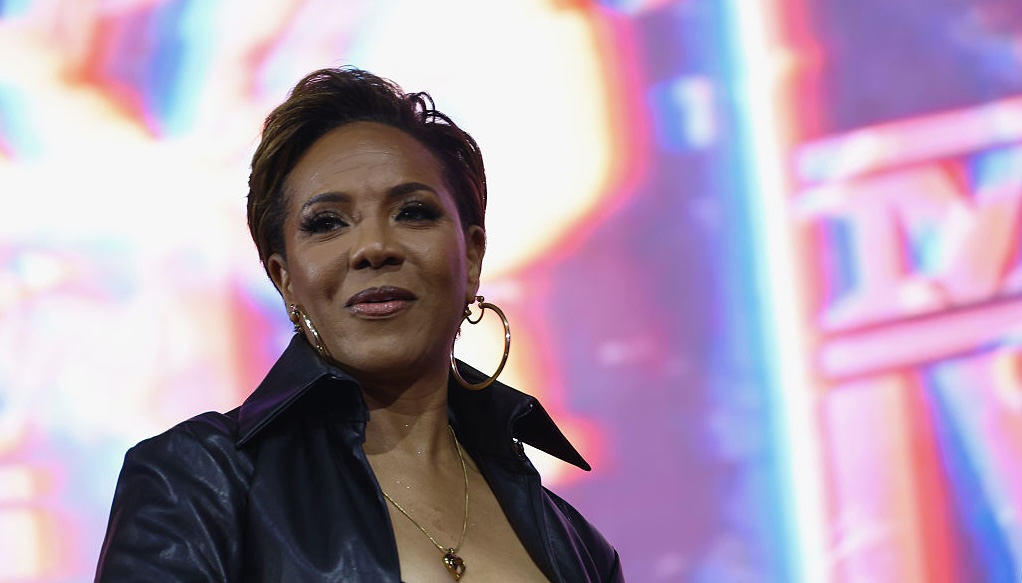
MC Lyte
MC Lyte is one of hip-hop’s first elite lyricists, with a record that can’t be overstated: she was the first solo female rapper to release a full-length studio album, Lyte as a Rock, in 1988. Her bars were sharp and authoritative, setting a standard for women in rap to have something to say.
Who Else Should Have Been Included?
Here are a few artists who should have made this year’s list.
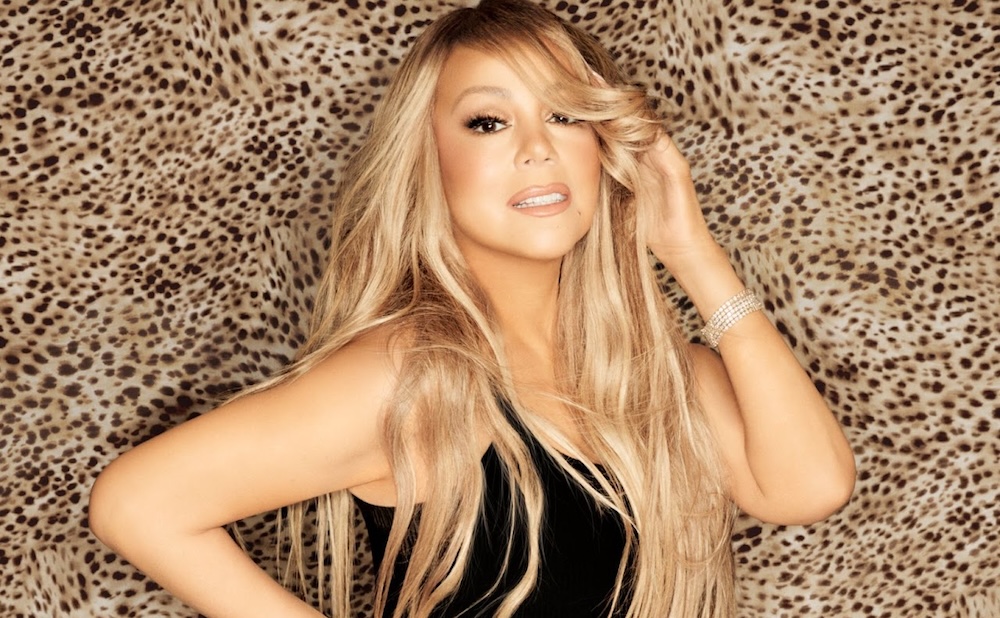
Mariah Carey
As the reigning solo artist with the most No. 1 singles in Billboard Hot 100 history, Mariah Carey is a strong contender for the Hall’s recognition. Though she has been submitted for induction consecutively for the past three years, she has yet to be selected, with the 2026 class announcement marking her third consecutive year not making the final list.
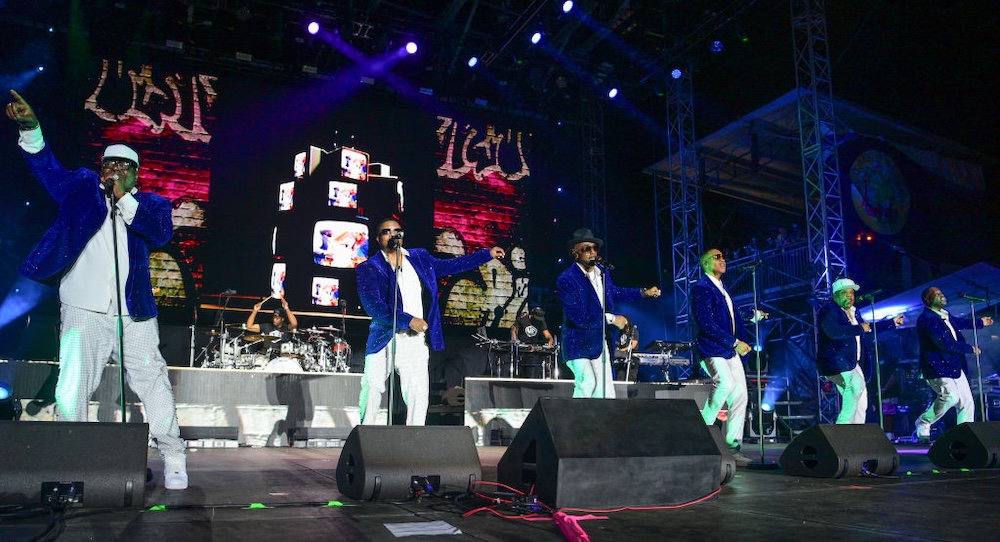
New Edition
New Edition is the blueprint for every boy band that came after them. With No. 1 Billboard R&B chart hits like “Cool It Now” (1984) and “Can You Stand the Rain” (1989), they gave us a catalog that still lives at cookouts, weddings, and in group chats to this day. Not to mention their successful reiterations, solo careers, and a sold-out reunion tour. Add to the fact that they had the Hall’s fan favorite vote on lock in 2026. When it comes to the criteria—influence, longevity, and cultural impact—New Edition has already checked every box.
For these stars and others still waiting their turn, it’s not a question of if; it’s when. Their time is coming—we’re just waiting on the Hall to catch up.