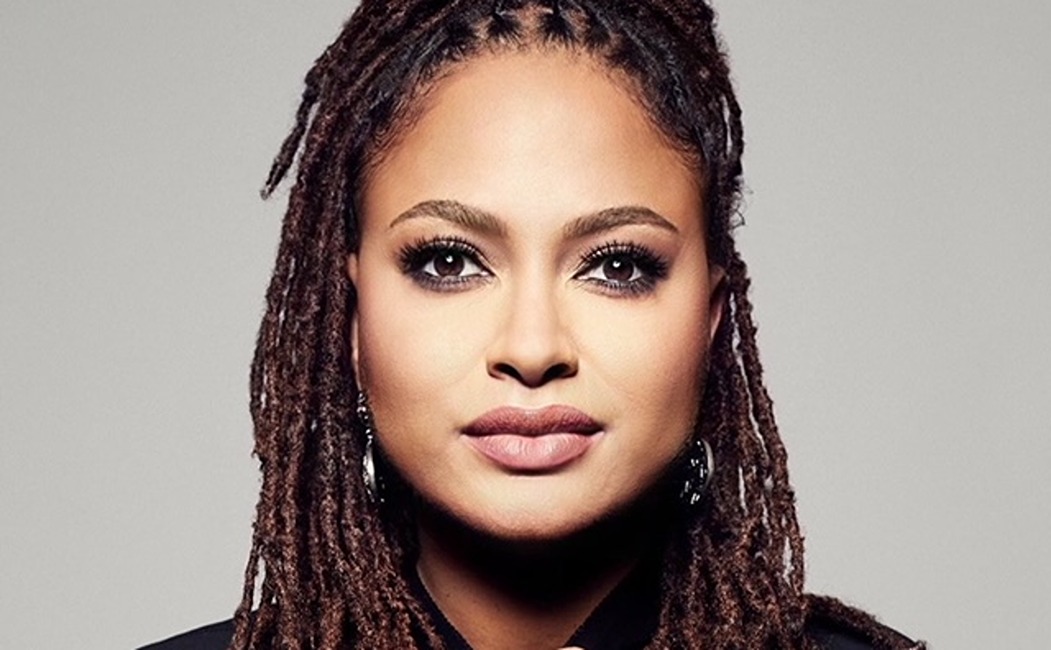
Directing legends Ava DuVernay and Lee Daniels, along with some of Hollywood’s biggest stars, are appearing in a new documentary revolving around The Negro Ensemble Company. Considered one of the most important Black theater institutions in American history, the film centers on actor, producer, and activist Robert Hooks, who was instrumental in shaping the company’s vision and securing its initial funding. Hooks received the American Black Achievement Award from EBONY in 1979.
Responding to a time when Broadway really felt like the Great White Way, Hooks and fellow founders Douglas Turner Ward and Gerald Krone launched The Negro Ensemble Company in New York City in 1967. It quickly became a pipeline for Black artists and stories, from actors and writers to directors and designers. A trailblazing organization for Black artists, it set the stage for figures like Phylicia Rashad, Samuel L. Jackson, Denzel Washington, Angela Bassett, Laurence Fishburne, and many more who trained and/or worked with its productions.
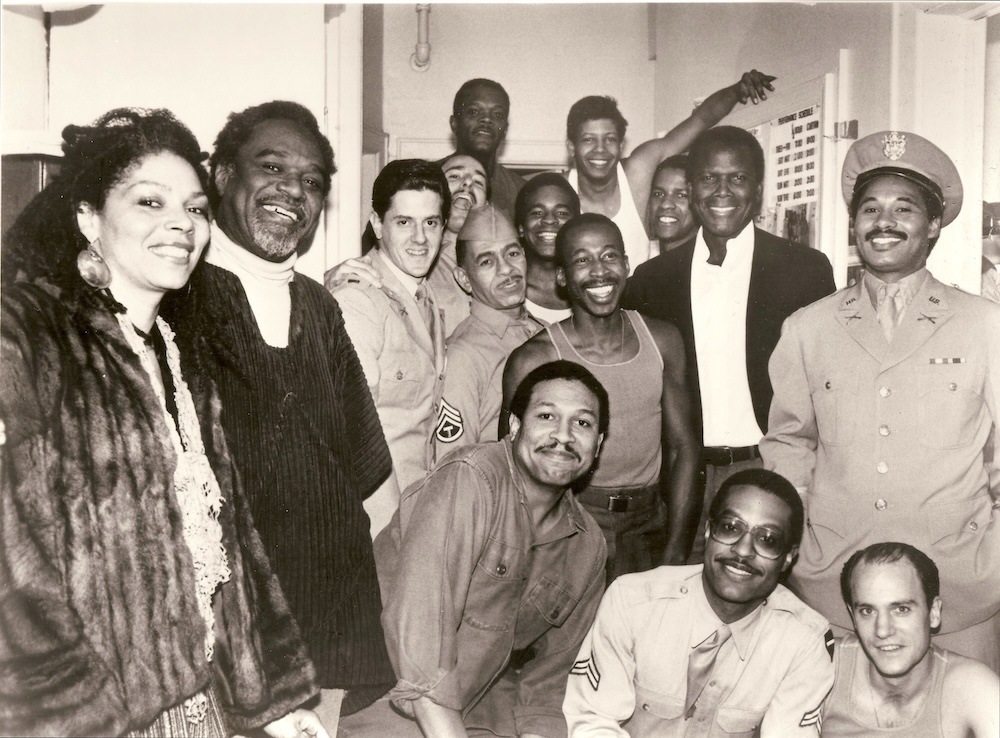
The documentary also features interviews with Colman Domingo, Blair Underwood, Clarence Jones, Clarke Peters, Clifton Davis, Denise Nichols, Glynn Turman, Irene Gandy, Julius Tennon, Kenny Leon, Mario Van Peebles, Ruben Santiago-Hudson, Wendell Pierce, Leslie Uggams, and more.
The Negro Ensemble Company was launched from a tuition-free acting workshop for inner-city youth that Hooks created while he was starring in Amiri Baraka’s play Dutchman. That one-night showcase evolved into a successful producing career, prompting the Ford Foundation to create Hooks’ vision of the ideal Black theatre institution. The Negro Ensemble Company would go on to present a body of original works that would serve as the canon for Black theatre, paving the way for the likes of August Wilson.
Lobbying for equality on stage and across media in the early seventies, Hooks put his own career in peril. The documentary includes tributes written by his lifelong friends and contemporaries Sidney Poitier, Maya Angelou, Douglas Turner Ward and Quincy Jones, read by industry notables.
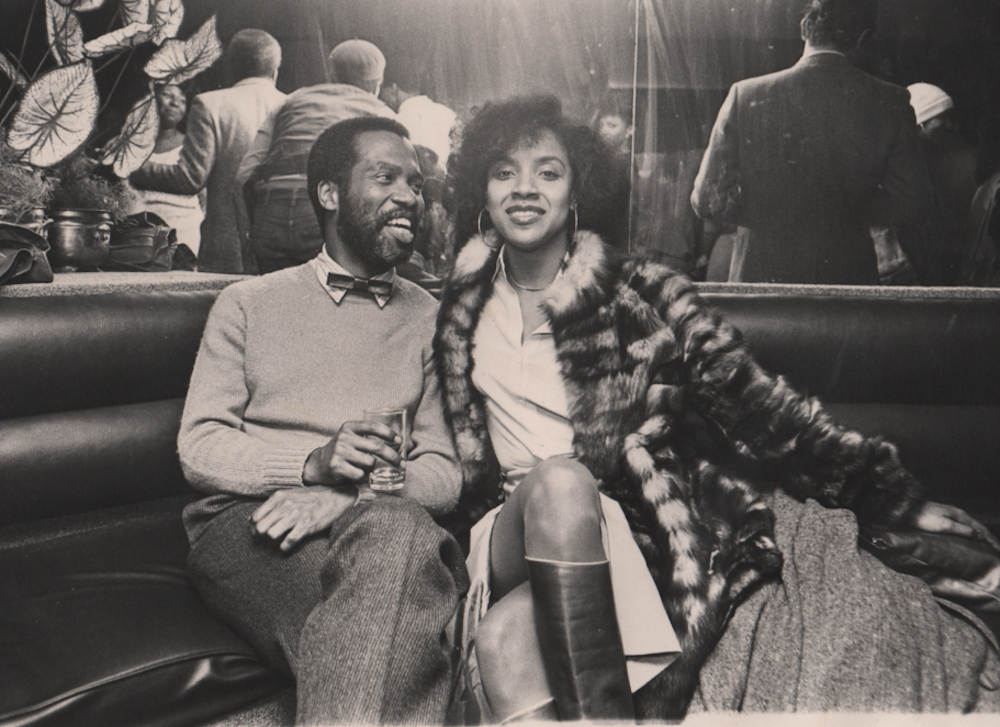
“I’ve been blessed to do the work I love alongside extraordinary people, and to use that work to open doors where none existed,” Hooks stated.
“At a time when opportunities for Black artists were limited, we didn’t wait for permission. We built our own spaces, where our stories could be told authentically, with dignity and pride, and be seen and heard. Seeing how that work has carried forward into new generations has given my journey its deepest meaning.”
The film is produced in partnership with Winter State Entertainment.