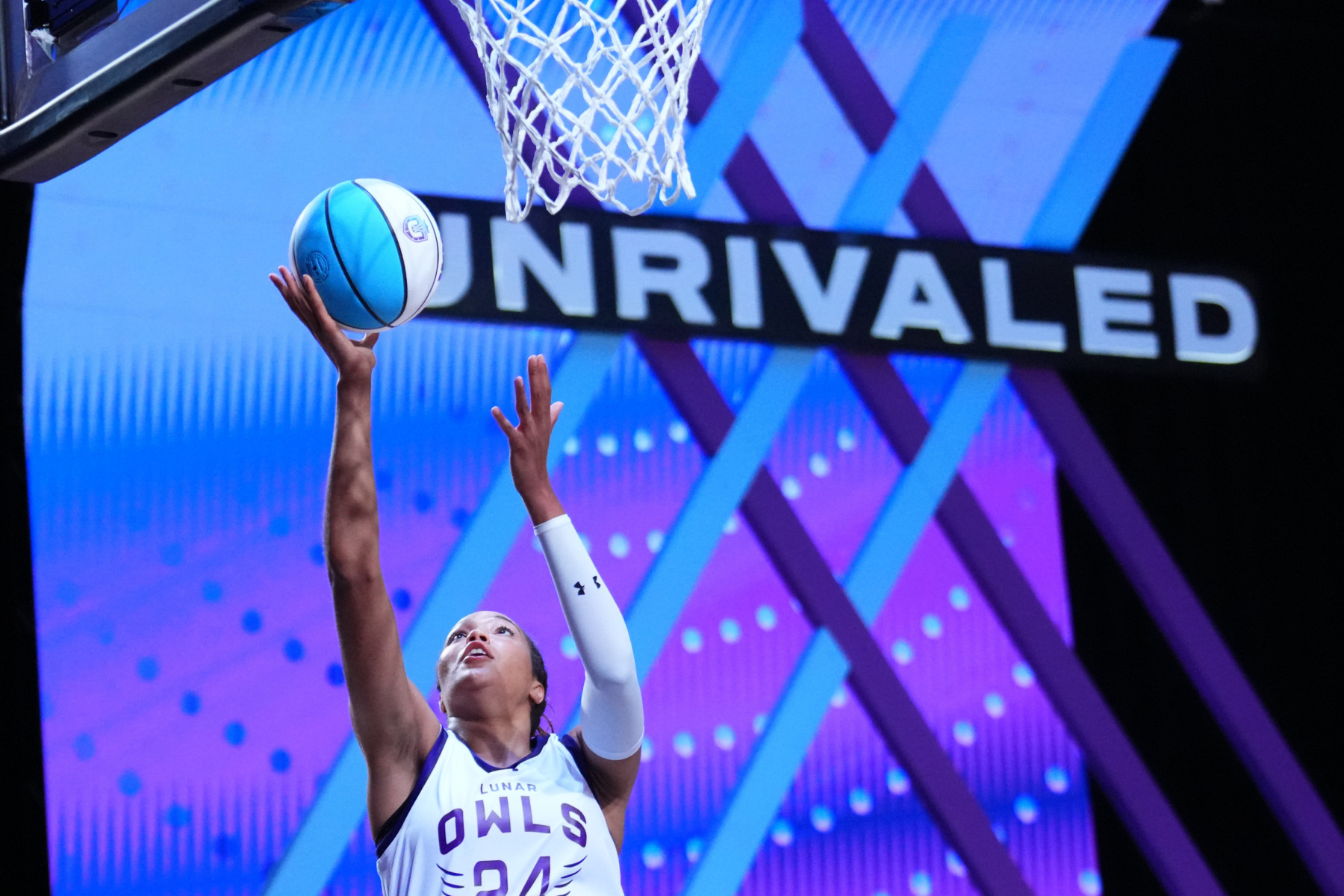
When you think of 3-on-3 women’s basketball, there’s a good chance a bourbon brand isn’t the first connection you’d make. However, Maker’s Mark and the Unrivaled Basketball League feel less like a business partnership and more like a perfectly timed lob—an alley-oop that goes down smooth: clean setup, easy finish.
Unrivaled’s fast, intimate format is pulling fans into the building and breathing new life into live basketball, while Maker’s “Perfectly Unreasonable” platform signals a bet on craft, culture, and the kind of bold entrepreneurship that actually fits what Unrivaled is building.
Now, this isn’t just a feel-good story about the advancement of women’s sports. It’s a money story—in the most basketball way possible.
In women’s basketball, the offseason has never been fully off. We all watched Monica in Love & Basketball grind it out in Barcelona before she got her shot in the newly formed WNBA. And IRL? For a lot of players, when the season ends, the next move isn’t Cancun, it’s another contract in another country. Sometimes it’s for the reps. Sometimes it’s for the role. But a huge part of the reason is simple: the math. Sometimes it’s the role. But a huge part of the reason is simple: the math.
As of 2025, the WNBA minimum salary was $66,079, and the supermax was $249,244. That’s progress. But it’s still not always the kind of money where every player can step out all offseason without checking the bank account and feeling, “I’m good. I’m good.” Careers are short, contracts aren’t forever, and your body is literally the business.
Meanwhile, overseas pay can be, how do I say… persuasive. ESPN has reported that salaries in Turkey for top players have been in the $300,000–$400,000 range. And this isn’t some rare side hustle a handful of players do for fun. Reporting has noted that almost half of the league’s 144 players go overseas in the offseason.
But then there’s the cost that doesn’t show up in the box score — specifically, the mental and emotional part. Time away from home, away from partners, kids, community. More wear-and-tear. More travel. More constant adjusting. How many Duolingo subscriptions can one person go through?
And recently, the overseas landscape has gotten more complicated, with fewer options in certain places due to geopolitical realities and safety concerns. Ask Brittney Griner if she plans on playing in Russia anytime soon.
These are the issues Unrivaled is trying to solve—not just with mission statements on heavy stock letterhead, but with an actual alternative.
Unrivaled is co-founded by players Napheesa Collier and Breanna Stewart, and that matters. Where some leagues are built around players—by people guessing what players need—this one is built by two stars who’ve lived the trade-offs and decided to create a stateside option with real leverage behind it.
And the money isn’t theoretical. Players earned an estimated average salary of $222,222 in Unrivaled’s inaugural season—and all received equity in the league. If you’re keeping score, that average is right in the neighborhood of top WNBA compensation, and the equity part is a different kind of flex.
That equity piece is the quiet revolution. Salary says, “We’ll pay you well.” Equity says, “If this grows, you share in the upside you helped create.” In pro sports, that’s rare. In any business, that’s rare. In a brand-new league? That’s a statement.
It’s also why Unrivaled feels like entrepreneurship on the playground. Collier and Stewart aren’t just starring in the product and picking up a check—they’re building an alternative economy around it.
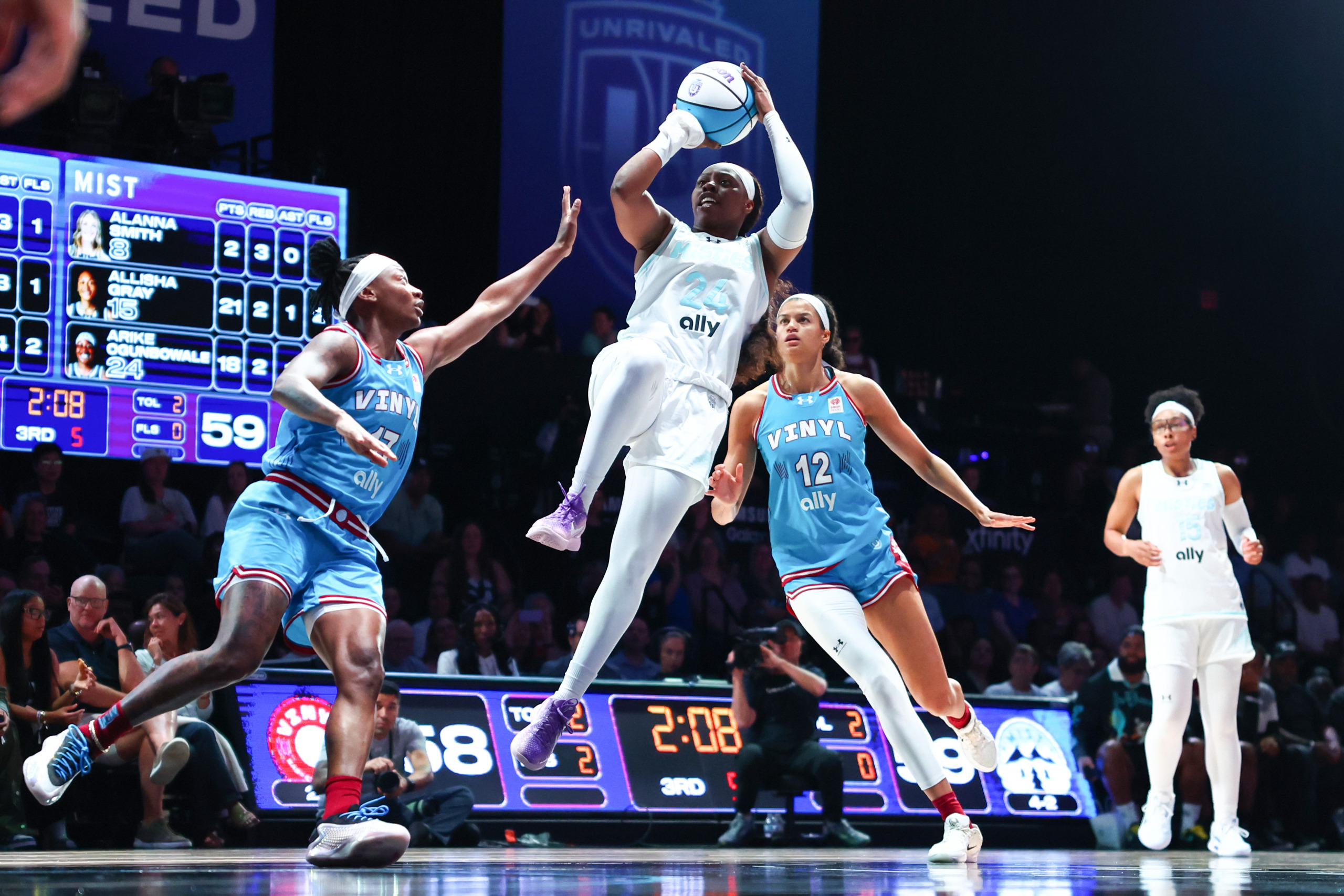
And here’s the good news: the game is good enough to carry all of this.
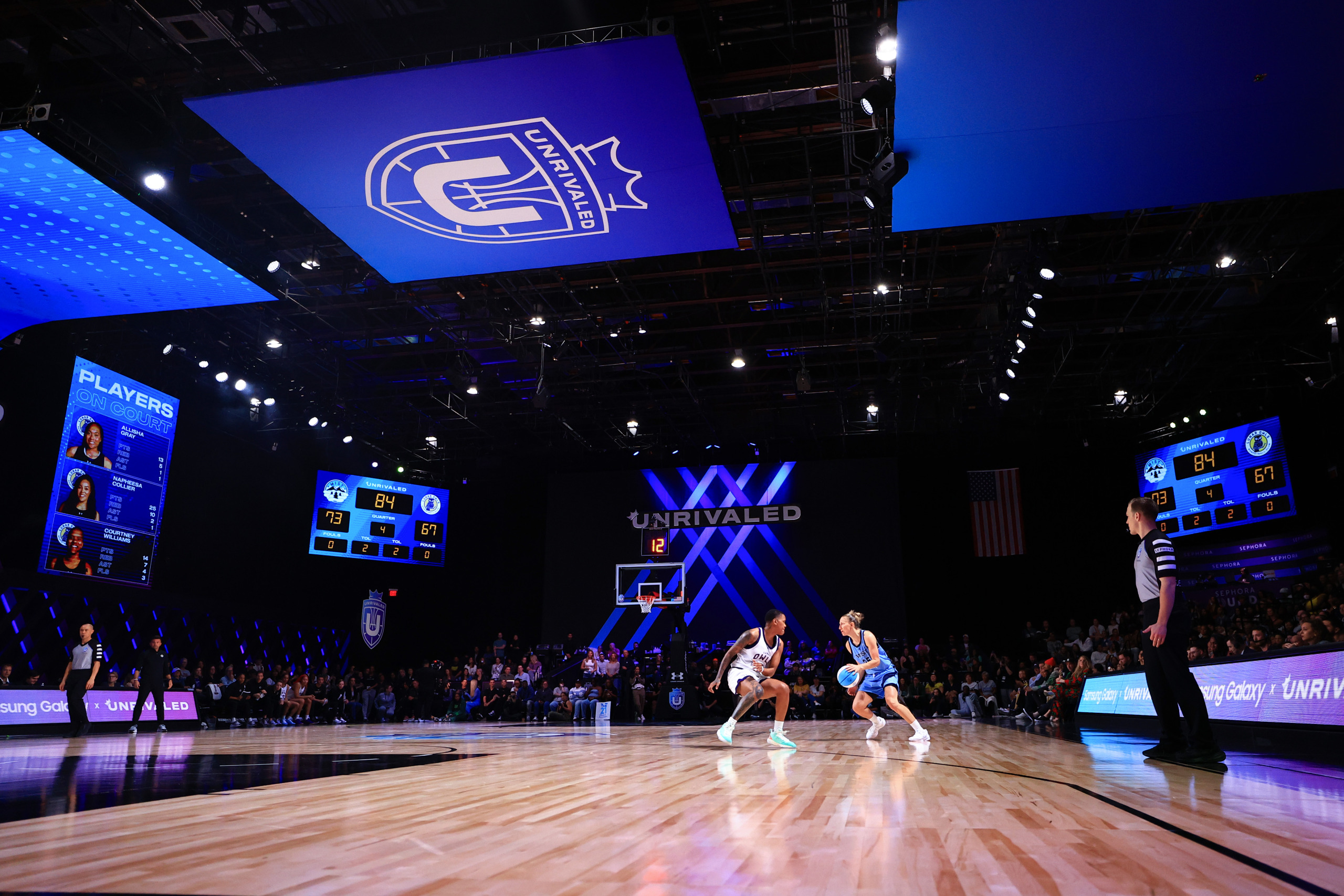
It’s fast. It’s loud. It’s intimate. It’s like the league took the best part of pickup, hired a DJ, put it on TNT and truTV (and streaming on HBO Max), and gave it a real budget.
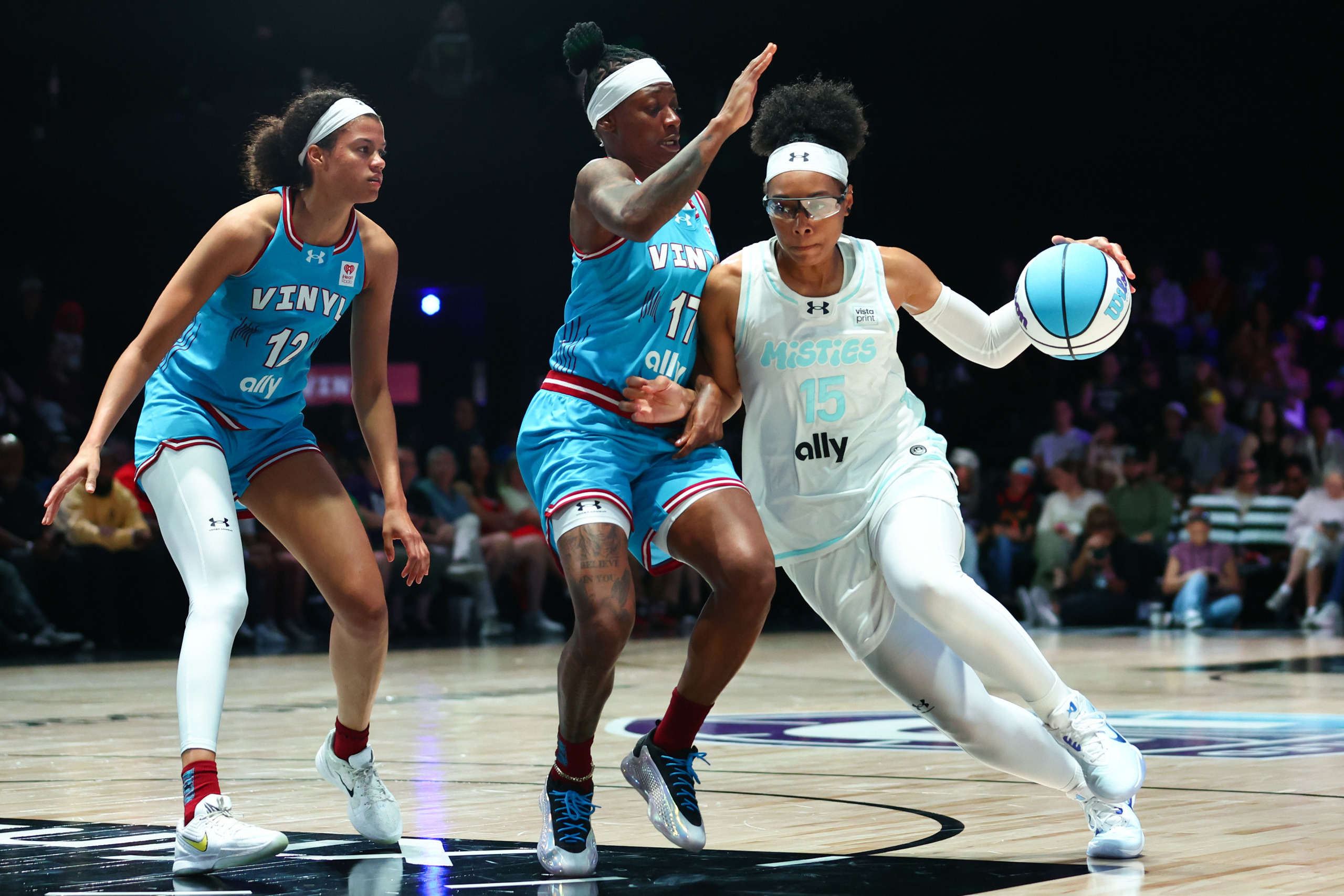
In person, it moves—quickly. There are no long, slow starts where you can show up late or wander mentally and come back when the fourth quarter gets interesting. With fewer players on the floor, there’s nowhere to hide and no time to overthink. The spacing is cleaner, the reads are faster, and “shooters gonna shoot” isn’t just a slogan. Everybody is getting buckets. Then there’s the fandom twist—one of the most interesting parts of the whole experience.
In season one, the games were in Miami. And in season two, Unrivaled is taking its first tour stop: two games in Philadelphia on January 30, 2026, at Xfinity Mobile Arena. That matters because you’re not rooting for a team just because it represents your city. You’re picking a squad based on your favorite players, or because you like a uniform colorway, or you’re doing something that feels almost illegal in American sports culture: rooting for everybody.
There are no ready-made city rivalries. No forced storylines. No Angel Reese vs. Caitlin Clark-style discourse machine needed to keep people tweeting. It’s just an audience that loves ball and wants to watch a game where the action doesn’t take a possession and a half to arrive.
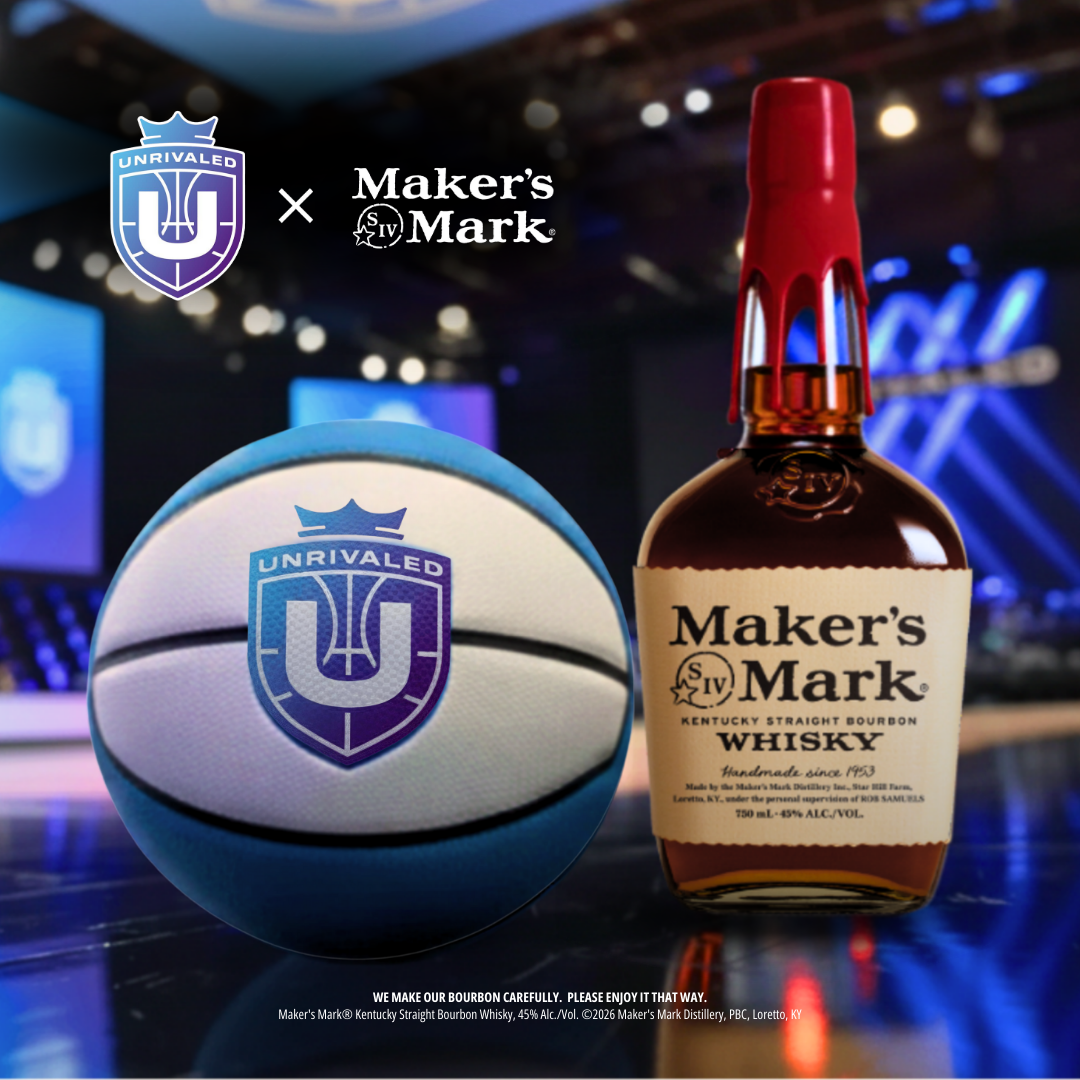
So where does Maker’s Mark fit into all this? Briefly: as a brand that’s betting on the same thing Unrivaled is betting on—builders. Maker’s is the league’s first Official Spirits Partner, and the “Perfectly Unreasonable” framing lands because Unrivaled is, in the best way, a perfectly unreasonable idea: build a league that pays, keeps your best players stateside, gives them equity, and still delivers a product so good you catch yourself sitting on the edge of your seat.
Unrivaled isn’t asking you to care out of obligation—or some performative allyship to women’s sports. It’s giving you a reason to care on merit, while quietly changing the economics that have shaped women’s basketball for decades.
Perfectly unreasonable? Maybe.
But honestly, it feels perfectly overdue.