Recovery was never something I made time for, no matter how much I trained. I’d get to it if I had energy left after a workout, and most of the time I didn’t. I’m even embarrassed to admit how much I stretch on my own, given how often I work out (often twice a day, multiple times a week).
That changed when I started training for Nike’s After Dark Half Marathon. I’d run before, of course, and I have put my body through HYROX three times now, but this training block has been unlike anything I’ve done before. At this big age of — well, we won’t get into the exact age — my legs feel it in ways they never have before. I learned fast that if I wanted to keep showing up for every run, ignoring recovery wouldn’t work anymore. It had to become as intentional as the training itself. So I started testing nearly everything marketed to athletes and runners, and by now I know exactly which ones are worth booking (or buying) again and which ones I’d skip.
Let’s start with the ones that didn’t make the cut.
IV hydration therapy is the treatment everyone swears by right now, and I get the appeal. It feels productive in the moment, and like you’re finally giving your body the deep reset it’s been asking for. I’ve tried it more than once, waiting to feel the difference everyone else keeps posting about. I never felt a difference I could point to. On top of that, these drips aren’t FDA-approved, and that alone makes me hesitant to recommend it to anyone. If the ritual of it appeals to you, that’s your call. But as a recovery tool worth repeat visits, I’m not convinced.
Float therapy gets the same verdict from me, though for different reasons. I wanted to love the sensory deprivation tank experience the way so many people describe it. People swear it leaves them feeling like a different person by the time they get out. What I got instead felt like a long, salty bath in the dark (not kidding). I was bored out of my mind, and I couldn’t tell a difference. Maybe it’s just me, and I just can’t sit still that long without my mind wandering, but either way, it’s not something I’d spend money on again.
Once I let go of what everyone else was hyping up and focused on what my body actually needed, a handful of treatments became part of my routine almost immediately. Here’s my tried-and-true list.
Contrast Therapy
SweatHouz changed my life, and I’m not exaggerating when I say that. Contrast therapy alternates between hot and cold exposure (usually sauna and cold plunge) in a structured cycle that pushes your circulation to work overtime. I usually do 15-20 minutes in the sauna, then jump into the cold plunge for 1-2 minutes and then repeat 3x. That shift between extremes is what helps flush out inflammation and speeds up how quickly your muscles recover after a hard effort. SweatHouz has locations across the country, so no matter where you’re based, chances are there’s one near you. If you’re serious about recovery and you haven’t tried contrast therapy yet, this is where I’d point you first.
Assisted Stretching
As we get older, we should stretch every day, even if it’s just five to ten minutes. The problem is, I don’t. That’s part of why I started going to Go Stretch, a Black-owned studio here in D.C. that’s now part of my weekly routine. Assisted stretching means someone else is doing the work, and they can guide your body through a deeper range of motion than you’d ever reach on your own. I’ve tried stretching by myself for years and never came close to how I feel after a session where a trainer actively pushes and holds each stretch. If you’re not in the D.C. area, national studios do the same thing. StretchLab and Stretch Zone are two worth looking into.
Compression Boots
I’ve been using the Nekteck Air Compression Leg Massager at home after my long runs, and the difference in how my legs feel the next morning is dramatic. It uses four sequential air chambers to deliver targeted compression, which helps with circulation and muscle fatigue in a way I could feel almost immediately after using it. Being able to adjust the intensity depending on how beat up my legs are after a given run actually changes how sore I feel the next day. It’s also built to fit snugly no matter your leg size, so I can put it on and forget about it while I just sit there and work. This has become one of the most reliable parts of my recovery, and I don’t have to leave my home to use it. Plenty of other brands are on the market too, so if this one isn’t for you, a quick Amazon search will show you plenty of options.
Sports and Deep-Tissue Massage
My calves and hips take the brunt of every long run, and no amount of foam rolling touches what a massage therapist can find and work out. I’ve started booking it the same week I book my long runs, so it’s part of the plan before the soreness even sets in.
Red-Light Therapy
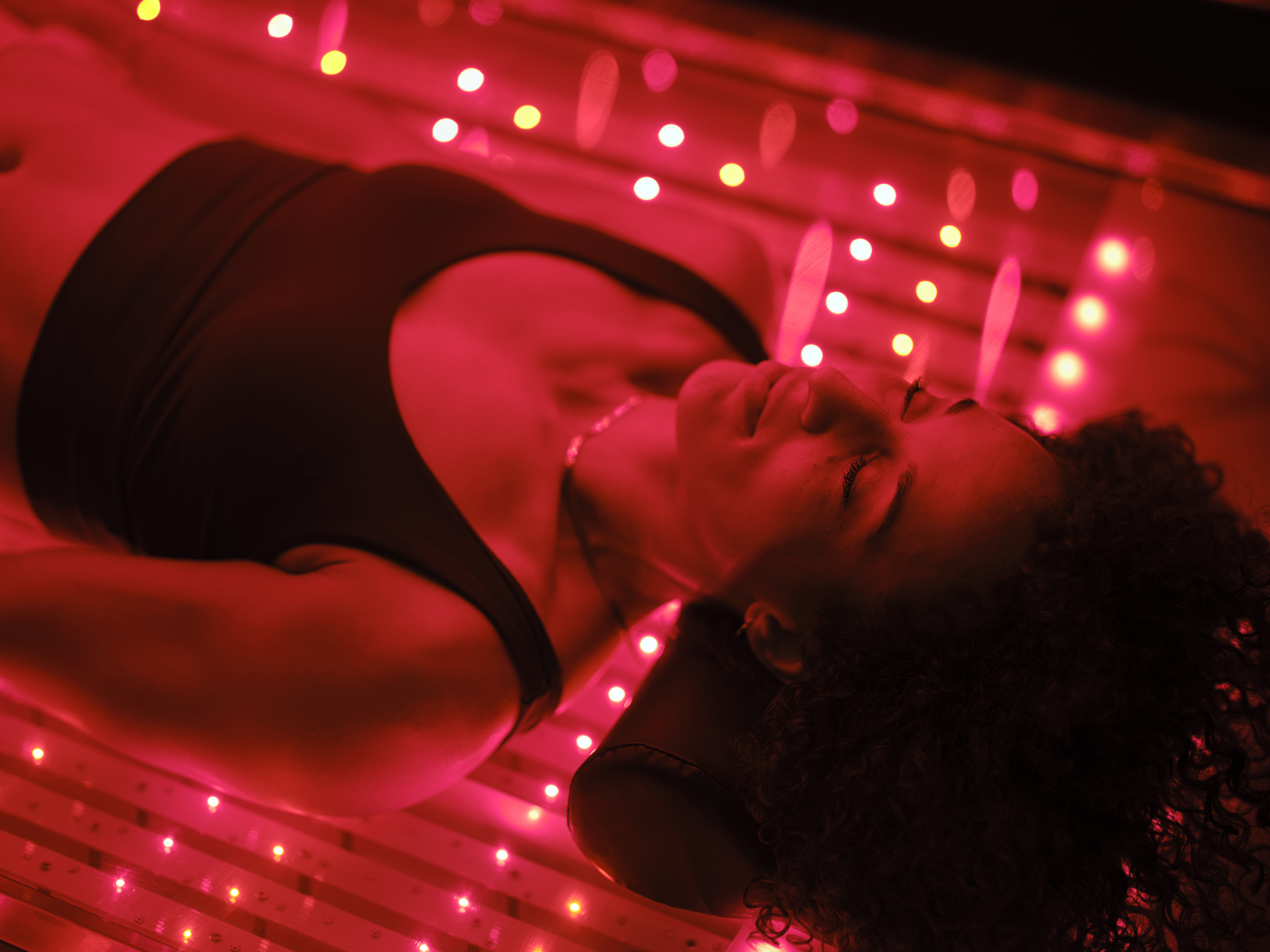
I was skeptical about this one at first, mostly because everyone on my feed was suddenly obsessed with it. Once I looked into the research, my opinion changed. Studies have shown that specific red and near-infrared wavelengths can reduce inflammation and support tissue repair at a cellular level, and what I’ve noticed lines up with that. My swelling goes down faster after hard efforts, and I sleep better on the nights I use it. After trying studios like The Ora Method, I decided to bring the treatment home with the MitoPRO 300X Red Light Therapy Panel so I could use it more regularly. Having it in my own space made it so much easier to stay consistent, and I use it way more often now than I ever did when I had to book a session somewhere.

Sauna Blanket
The first time I used a sauna blanket, I sweated more in twenty minutes than I do during most workouts. Sauna blankets work by using infrared heat to raise your body temperature from the inside, which increases circulation and helps your muscles release tension the same way a traditional sauna would. Higher Dose is the one I use, and it’s become part of my at-home recovery on days I can’t make it to a studio. It’s an easy way to get some of the benefits of a sauna without leaving my living room. I literally lay it on the floor and watch TV (or scroll on my phone for 30 minutes to an hour).
Cryotherapy
Is this the highest on my list? No. But do I think it works? Yes, especially after the heaviest training days. Most sessions run about two to four minutes in a chamber set between negative 110 and negative 160 degrees Celsius, which sounds brutal until you realize how short the exposure actually is. The cold exposure reduces soreness and helps me recover faster than I otherwise would. It’s not comfortable in the moment, but I always leave feeling more energized than when I walked in.