If I Go, Will They Miss Me? tells the heartfelt story of a young Black boy coming of age. The indie film is a success, surpassing $1 million at the box office by putting Black boys front and center — something TV and streaming have seemed to bypass in the past few years.
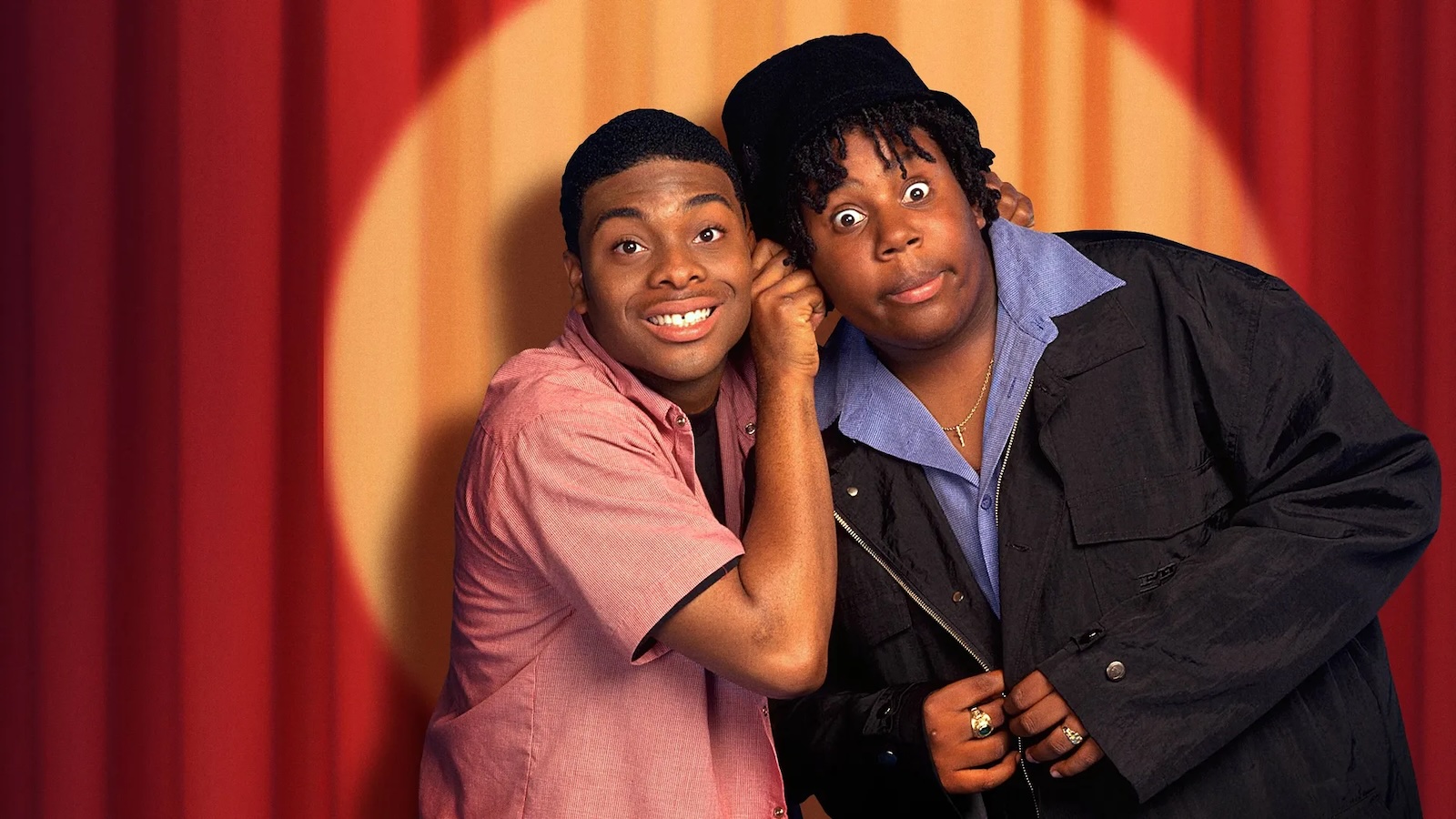
Portraits of Black boyhood weren’t hard to find on our screens in the ’90s and early aughts. Shows like Keenan and Kel, The Famous Jett Jackson, My Brother and Me and Cory in the House introduced young audiences to a range of characters they could resonate with. From comedic to action-packed undertones, these shows offered a grounded, humanized view of Gen X and Millennial Black boys. Even as the young adult genre has a moment right now, similar depictions of Black boyhood on television in 2026 are few and far between.
Shows like Sterling Point, Off Campus, and Crew Girl dominated the summer and earned season-two renewals, proving streaming platforms recognize a growing appetite for original and adapted coming-of-age series. Beyond Felicia Pride’s A Different World, 2026 titles have noticeably lacked Black teens and tweens.
What makes it more challenging is the shows we had: All-American, The Chi and Bel-Air have come to an end within the past year, leaving a huge gap where young Black boys can tune in to see their stories reflected outside of stories in which they’re subjected to violence and crime.
Some may point to FX’s The Drop, Starz’s recently ended Power Book III: Raising Kanan and the franchise’s upcoming Power: Origins as having significant Black boy stories. They are entertaining, but they are adult-programmed shows that feature Black teens in the midst of strife.
That’s not just an entertainment problem, but also a perception issue. From the age of 10, Black boys are adultified and seen as less innocent than their white peers, according to 2014 research from the American Psychological Association. This is rooted in the systemic racism that cost Black boys their childhood, their freedom and, for some, their lives. By way of regressive standards and lack of imagination for this demographic, streaming platforms and networks are playing into this system and failing Black boys miserably.
Building Our Own
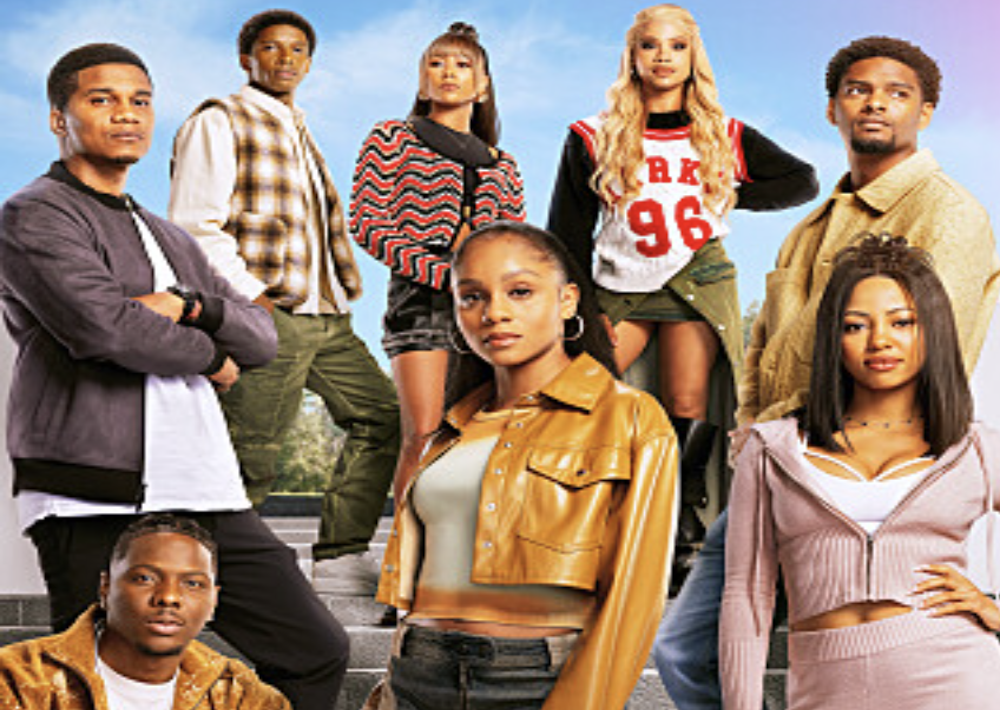
TV showrunner Nkechi Okoro Carroll has said her two sons inspired her to make All American and All American: Homecoming.
“I wanted my children to see themselves as being worthy of being a story,” she said, noting that’s something she didn’t have growing up. “I’m raising two Black boys. As they were growing up in their teen years, [I wanted] them to have what I had always craved on TV: to see some version of my life, my story, and what I was going through as a teenager depicted. And so you know they say: If you don’t see it, create it.”
The early 90s to the early 2000s is known as the “Golden Era” of Black TV for a reason. Young audiences had Smart Guy, All That, That’s So Raven, Cousin Skeeter, Static Shock, One on One, The Proud Family, Romeo! and more to choose from.
Television faced an intense drought in the 2010s after the 2007-2008 Writers Guild of America strike. Many popular shows with predominantly Black casts were canceled around this time, including Everybody Hates Chris, Just Jordan and Cory in the House. Just Jordan executive producer Ralph Farquhar said all teen and tween programming took a hit at that time.
“I wasn’t at the meeting when they decided, ‘You know, we don’t really need this’ because I wouldn’t have had a career without it,” the TV veteran, also behind Moesha, The Parkers, and The Proud Family, told EBONY. “It was in the early aughts where it started transitioning, and then somehow it all fell on Nickelodeon and Disney.”
As a new Black TV Renaissance emerged in the mid-to-late 2010s, shows like Black-ish and All American highlighted characters like Junior (Marcus Scribner) and Spencer James (Daniel Ezra), respectively. These became long-running shows that let audiences watch these young boys grow and blossom into adulthood. Both shows extended those legacies with spinoffs Grown-ish and All American: Homecoming.
“I wanted to be able to tell those stories in a way where it was always an aspirational story, but we were not sugarcoating what our youth experienced,” Carroll said. “It was both the joy and the aspirational stories, but then it was also the truth of when HBCUs were getting bomb threats on the regular… needing to depict that in a way that made our Black youth feel like they were not walking through this world alone, and if millions of people are watching, maybe those are millions of people that now understand them and their lives a little bit better.”
The Backslide, Even When Stories Abound
UCLA’s most recent Hollywood Diversity Reports found that streaming platforms are backsliding on diverse programming, even as audience demand trends in the opposite direction. And according to sociologist and co-author of the report Dr. Michael Tran, what audiences are seeing on television now is the result of “The Great Contraction” of 2024. With fewer projects getting greenlit, “diverse programming was the first thing to go,” Tran told Marketplace.
When Isabel Bekele pointed out that Black teen girls were also missing from the genre, she wrote in a Dazed article, “Though coming-of-age and YA stories have often been written off as unserious forms of media, there’s an undeniable importance to this genre.”
Black teens and tweens’ absence isn’t due to a lack of effort. Author LaDarrion Williams shared on Threads that he and other writers pitching Black YA shows were rejected.
“We were all told ‘we’re not looking for YA right now,’” he wrote. “I guess YA television shows being pitched have to center whiteness. Only then it gets greenlit.”
Farquhar said, with this void in programming, “we’re losing a proving ground for the next generation of stars and also a teenage audience.”
A New Horizon
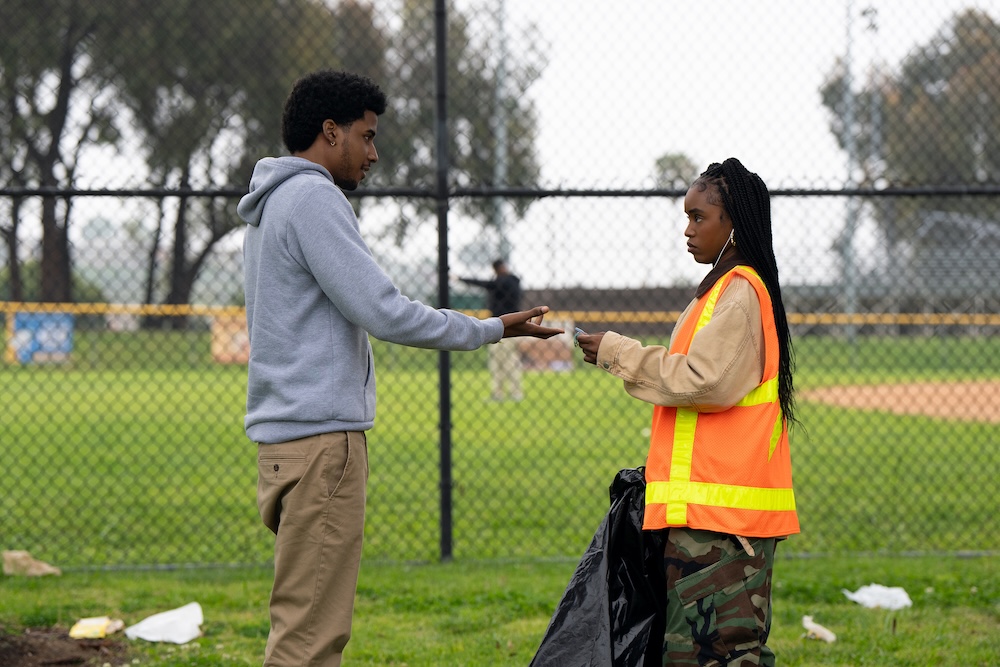
It feels like a breath of fresh air, and audiences must savor it when they’re introduced to fully fleshed-out characters like Justin Edwards in Forever, Mara Brock Akil’s Netflix adaptation of Judy Blume’s novel. Played by up-and-comer Michael Cooper Jr., Justin is a sweet, awkward teenage boy living with ADHD and navigating his mom’s expectations while figuring out love, college and career aspirations on his own.
Viewers applauded Akil’s depiction of a neurodivergent Black boy handling mental health struggles with care. And though not all shows need to be like Forever, which filmed its second season this year, fans praised the show for setting a new standard for modern-day stories about Black teens.
Actor and writer Malachi White, 16, told EBONY that it was the last show he watched where he felt he saw himself. But the high school junior explained that he can also relate to a few newer shows.
“Everyone wants to see us as gang members because it’s cool,” he said. “I didn’t grow up watching that type of thing. I just grew up watching our comedy, and I think it’s kind of unfair that the shows actually relating to us and how we actually are, those shows haven’t been renewed; those shows are getting canceled. Meanwhile, the gang shows are getting more popular and getting more seasons and more shows and more spinoffs. It’s a little tragic for me in a way.”
White isn’t waiting for Hollywood to get it right. At 14, the Washington, D.C. native wrote an original comedy pilot based on his own family life. Lil Rel took White on as a mentee and is helping him produce and direct The Mally White Show, earning him recognition at the IndieX Film Fest.
White said he wants to push for wider representation of Black boys — especially beyond gangsters and athletes — through comedy. “I just want to normalize Black boy joy.”
A New Day of Black Boy Joy?
At 75, Farquhar is continuing to tell impactful stories through animation at Disney. He said that through The Proud Family: Louder and Prouder, which he co-created with Bruce W. Smith. They’ve been able to be bolder and more inclusive than when the original aired 25 years ago, centering LGBTQ+ issues, activism and social media. Still, he recognizes that “these Black boys just are not getting any love at all in the media.”
He’s hopeful the pendulum will swing the other way, but he won’t sit idly by. Farquhar and Smith are working on three animated projects that center young Black male characters. Though it’s too early for Farquhar to reveal details, he’s “hopeful” that one or more will get greenlit.
Hollywood will have to get out of its own way so more Black boys can see themselves in a range of characters on TV, and so more young talent can emerge. Carroll said this is the moment to keep calling on gatekeepers to greenlight more of these shows. Two shows have already cut through the fray.
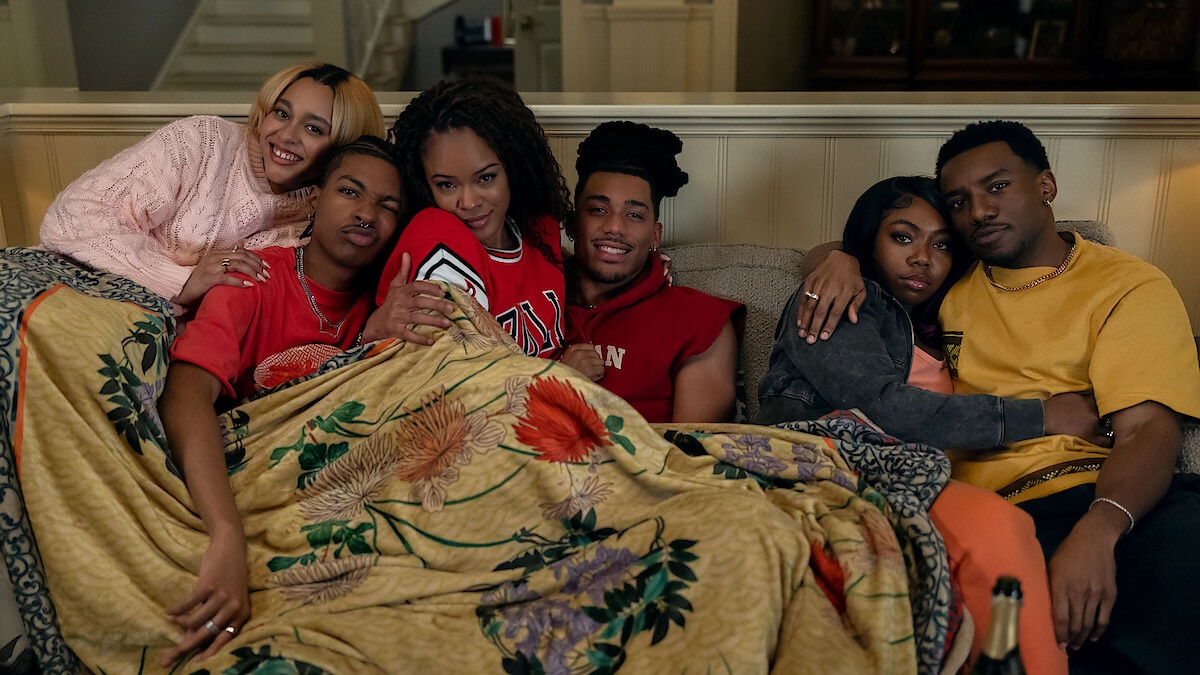
The A Different World sequel has been a huge success, landing in Netflix’s Top 10 during its September premiere and earning a second-season pickup from the streamer. Season 2 of The Fall And Rise of Reggie Dinkins returns to NBC on November 2, with EBONY Young Hollywood honoree Jaylen Hall returning as Carmelo, a teen navigating life with a famous sports dad.
“We need to continue to expand who the gatekeepers are greenlighting these shows, so that those voices can break through because they’re out there,” she said. “All who love this space benefit from continuing to reach back and create openings and opportunities for that next generation of voices that reflect whatever the new version of coming-of-age YA is that reflects their teen years.”