The search to find new kernels of American history can lead you to the most unexpected places. In my case, it led to Baton Rouge, Louisiana.

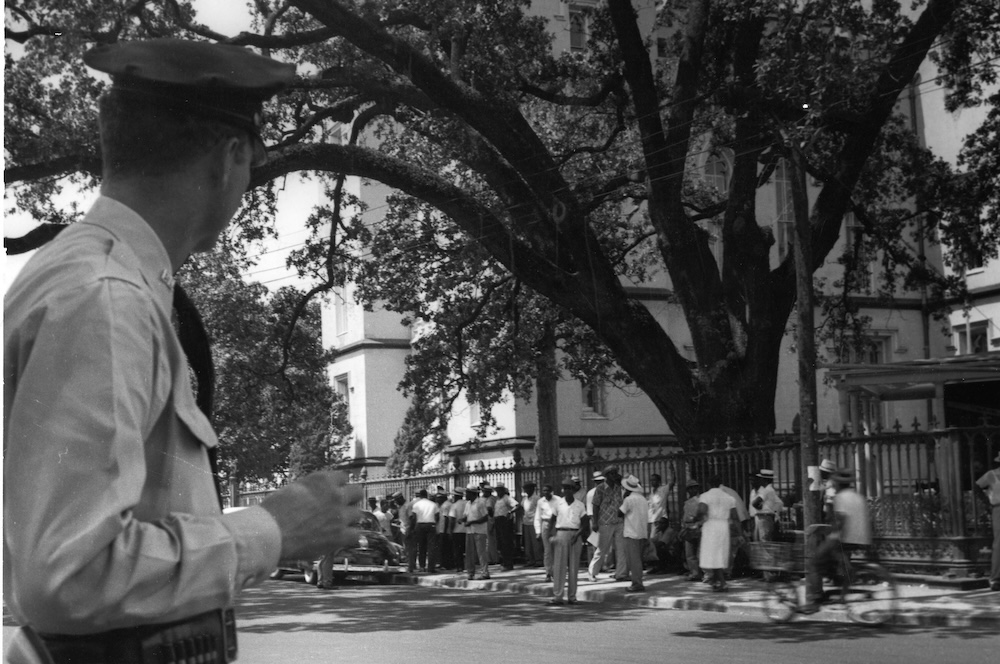
Black history in Baton Rouge runs deep. It’s embedded in the downtown buildings and streets of the state’s capital city, where Mardi Gras celebrations take over the streets in February. On this Black History Month day, I found myself standing before the second marker on the Louisiana Civil Rights Trail, steps from Louisiana’s Old State Capitol. It marks the spot where the first bus boycott in the nation occurred, two years before Rosa Parks refused to give up her bus seat in Montgomery, Alabama.
As I sat down for dinner at Cocha later that evening, an airy establishment that specializes in ethnic cuisine nestled on one of the quaint city’s downtown streets, I realized that I wouldn’t have been able to enjoy this meal freely seven decades ago. In the 1950s, African Americans were an integral part of the city’s financial landscape, yet remained divided by the 1896 ruling in Plessy v. Ferguson, which upheld the “separate but equal” doctrine that was anything but equal.
A Ride Worth Protesting
In the fifties, the Baton Rouge Bus Company forced its Black riders to stand over seats. They were allowed to place their packages there, but not their bodies, even though they paid the same fare as white riders. If they protested, they could be manhandled by bus drivers and passengers or arrested.
There had once been more than 40 independent Black-owned bus companies — Blue Goose Bus and Jellybean among them — providing reliable, respectful service to Black riders. The city had shut them down, erasing competition to control how Black residents moved through the city.
In 1953, Ms. Pearl George, a local civil right activist, had had enough. She refused to stand that day and encouraged the women with her to stay steadfast, according to a historical video I watched inside the city’s Capitol Park Museum. “Everybody’s going to stick together, nobody gonna get off this bus … Police came to try to make us get up. But if you put them two in jail, you gonna have to put all of us in jail,” she declared.
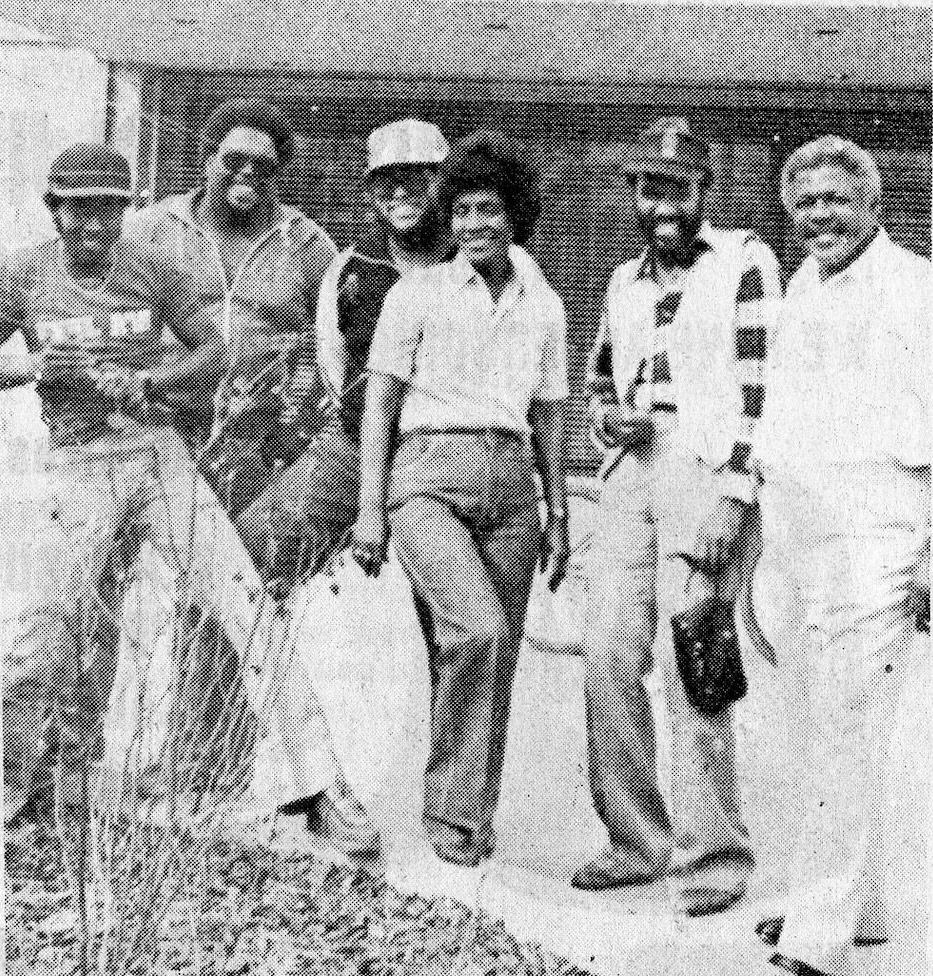
Image: Visit Baton Rouge and Louisiana Office of Tourism
“Ms. Pearl, she’s our Rosa Parks here. She was literally tired and felt like I’m not giving up,” Byron Washington, a Baton Rouge native and cultural historian, shared with EBONY over lattes at The Vintage, a downtown coffee shop with nostalgic vibes.
No one was arrested that day, and Ms. Pearl’s bravery galvanized the community. Reverend T.J. Jemison of Mount Zion First Baptist Church and other leaders formed the United Defense League (UDL) to further the cause. The first rally was held at the church, the largest African American church in Louisiana. Later that night, crosses were burned at both the church and at Reverend Jemison’s home, but the fervor could not be shaken. The boycott began on June 13, 1953.
Organized and Ready
The UDL established a highly organized alternative transit network to offset the boycott. Churches served as command centers, and volunteers used phone trees to match riders with drivers. People who owned cars donated their time. Black-owned taxis also charged reduced fares that matched the fares riders had paid for bus rides: 10 cents. Black businessman Horatio Thomas sold gas at cost to the boycott participants, and a predominantly white radio station encouraged Black residents to boycott.
Within the first day of the boycott, the city bus service had lost $1,600. By day two, the buses were 99% empty, given that African Americans comprised 70% of the ridership. Daily boycott support meetings were so large they filled the city-owned Memorial Stadium.
“They knew to fight real racism is to hit it at the economics,” explained Washington, who curates the Mardi Gras Krewe of Oshun parade and Scotland Saturdays, to celebrate his Scotlandville, Louisiana community’s history and culture.
“People find their ways around policy. But those empty pocketbooks made people start paying attention.”
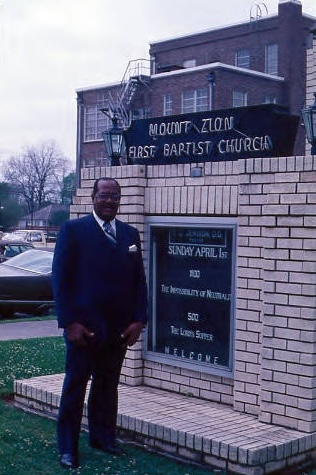
Image: Visit Baton Rouge and Louisiana Office of Tourism
Realizing a drawn-out boycott would decimate the city’s finances, the city council met with Reverend Jamison and the boycott leaders to seek a compromise. They swiftly passed an ordinance reserving only the first two seats on any bus for white passengers. African Americans could fill seats from the rear to the front, making more seats available to them. Some applauded the resolve. Others felt it was a compromise that didn’t go far enough.
Setting a New Path
“It is easy to go back and criticize and say, ‘Oh, I didn’t like this strategy,’ but they were trying something new, and working in the parameters of what they knew and understood,” Washington emphasized. “Reverend Jamsion is a hero. We learn and build from all our past heroes and sheroes, all these gentlemen and wonderful women made inroads in uncharted territory.”
That’s exactly what Reverend Martin Luther King, Jr. realized. He met with Reverend Jemison to study the mechanics of the Baton Rouge Bus Boycott, a blueprint he would adapt for Montgomery, Alabama’s bus boycott in 1955.
“The Baton Rouge Bus Boycott set the stage and is a beacon a lot of people don’t even realize,” Washington noted.

Today, you can walk those same downtown streets for a grilled chicken sandwich at Poor Boy Lloyd’s. You can hear Mr. Bill — the self-appointed mayor of Third Street — narrate the history of The Watermark Hotel and order pot roast stew at King Bar and Bistro inside Hotel Indigo; both establishments are listed on the National Register of Historic Places.
And you can sit wherever you choose, because Ms. Pearl stayed seated.