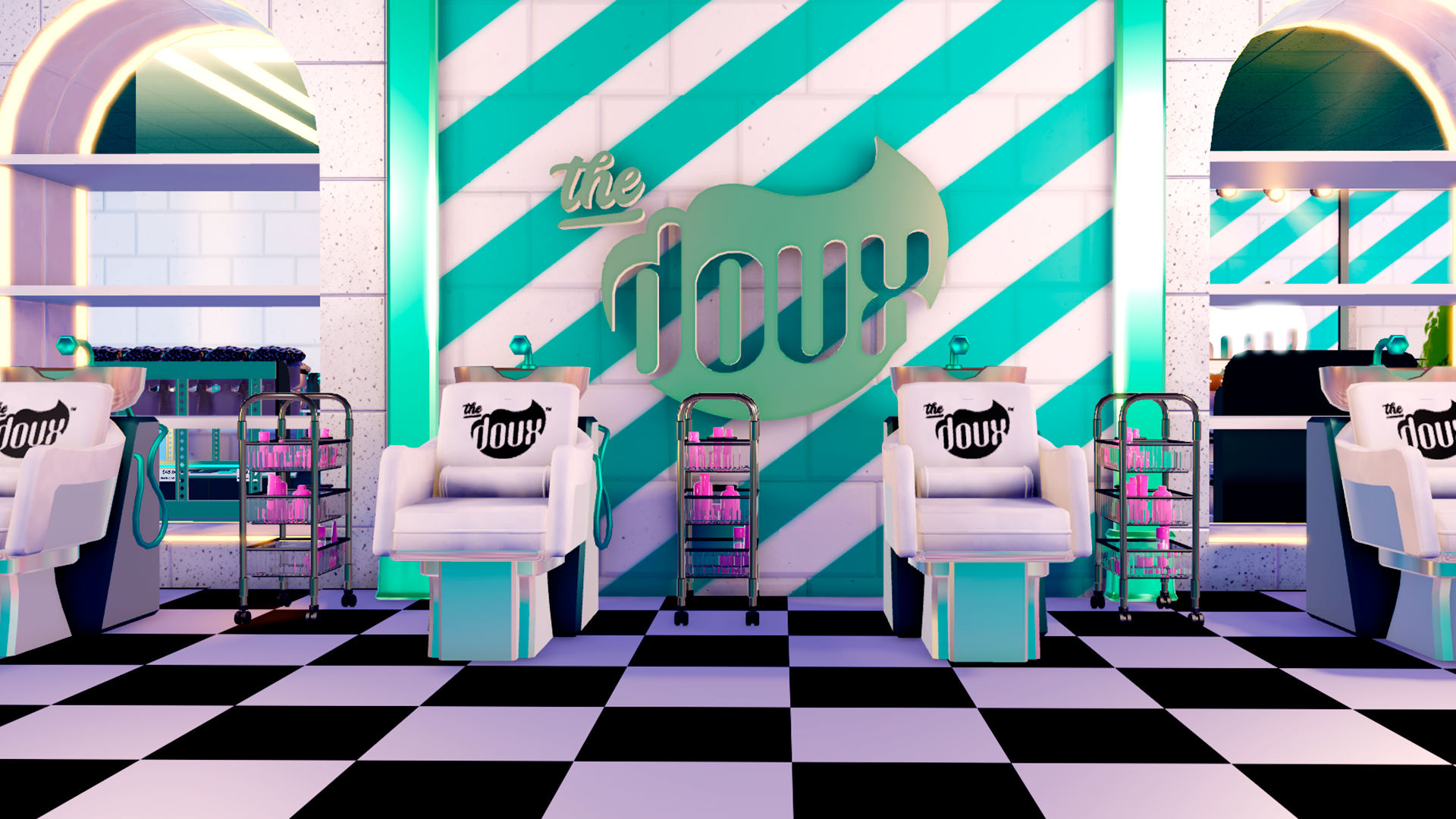
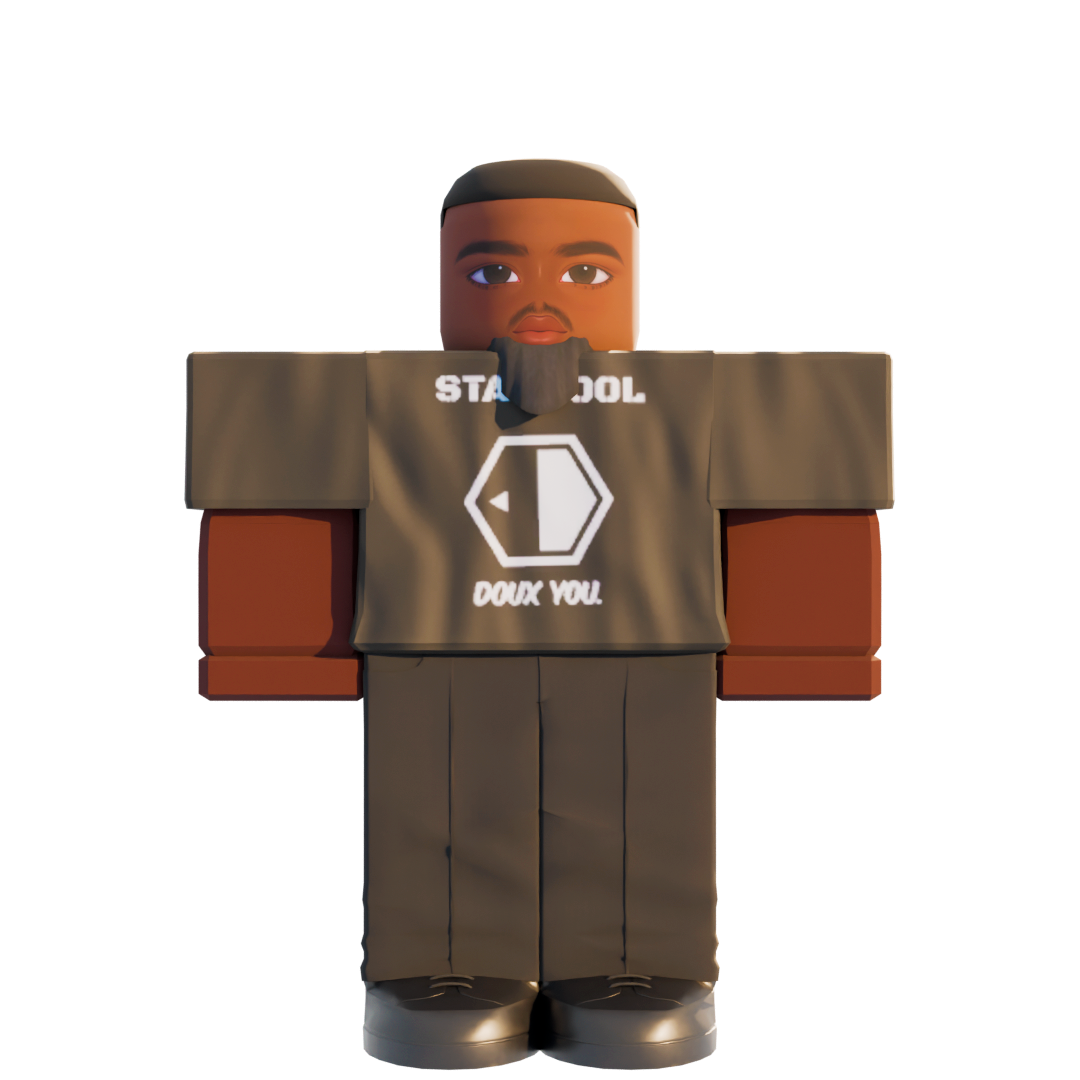
The Black salon is going digital. Atlanta-based, Black-owned haircare brand The Doux is expanding beyond the beauty aisle with My Salon Empire, a new Roblox experience that brings the rituals, creativity and entrepreneurial spirit of the Black salon into the gaming world. Launched August 31, the game allows players to shampoo, dry and style clients’ hair while building their own virtual salon business. For The Doux founder and CEO Maya Smith, who has spent more than 30 years behind the chair, creating a salon game meant capturing more than hairstyles. “I wanted the salon to feel like a place with a pulse,” Smith tells EBONY. “Yes, you come for the hair, but there’s conversation, laughter, transformation, relationships, creativity and healing happening all at once.”
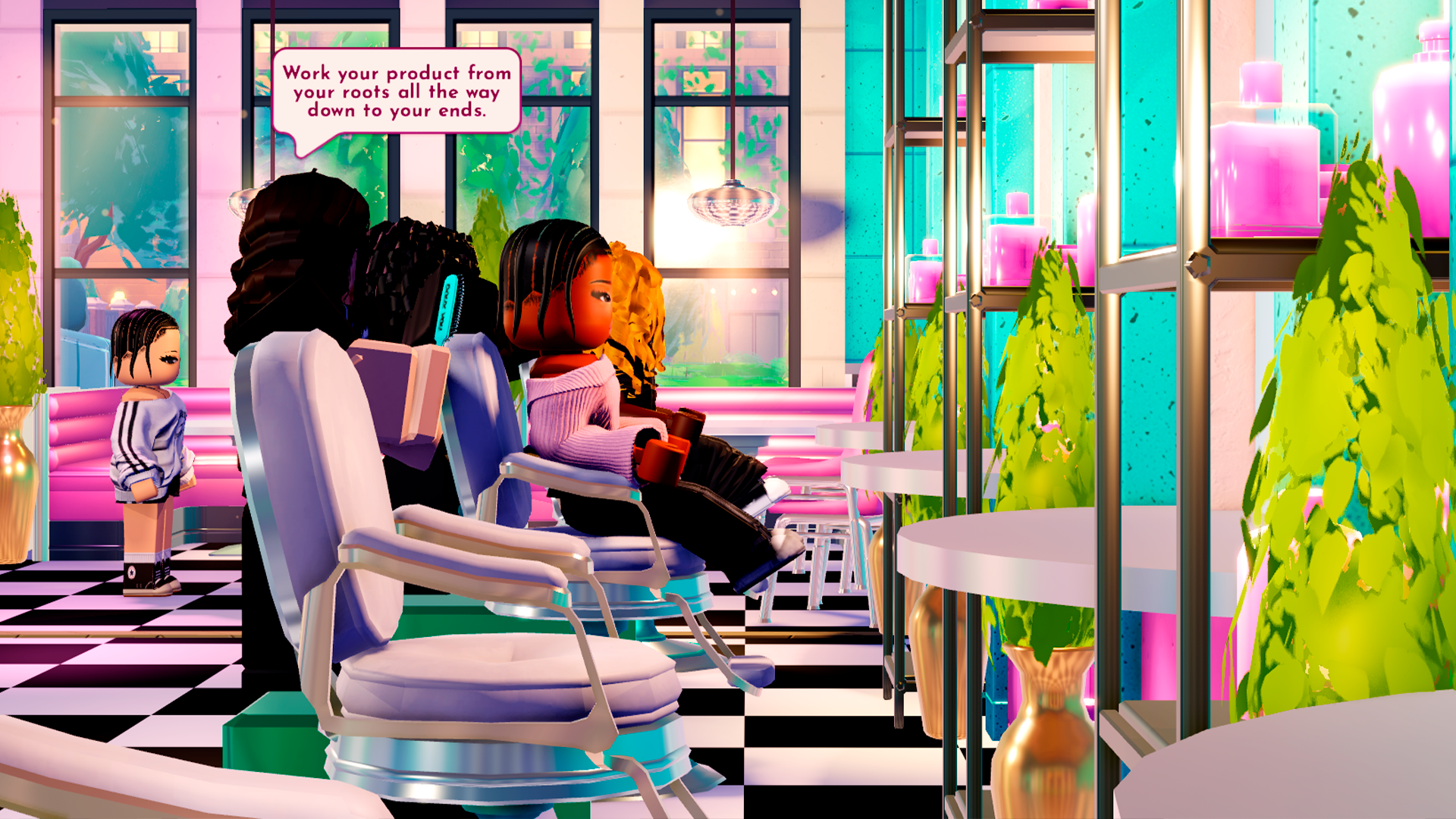
That sense of community is built directly into the gameplay. Players have to consider what their clients want, provide service and keep customers satisfied, mirroring a relationship Smith says is essential to the real-life salon experience. But My Salon Empire also addresses a longstanding conversation surrounding Black representation in gaming: hair. While video games have made strides in offering more diverse skin tones, Black players have frequently criticized the limited options available for textured hair. My Salon Empire places curls, coils, braids and protective styles at the center of its world rather than treating them as an additional customization feature. “Seeing yourself in a game changes the way you show up in it,” Smith says. “We wanted variety to be built into the experience from the beginning so textured hair wasn’t a special feature, it was central to the creative possibilities of the game.”
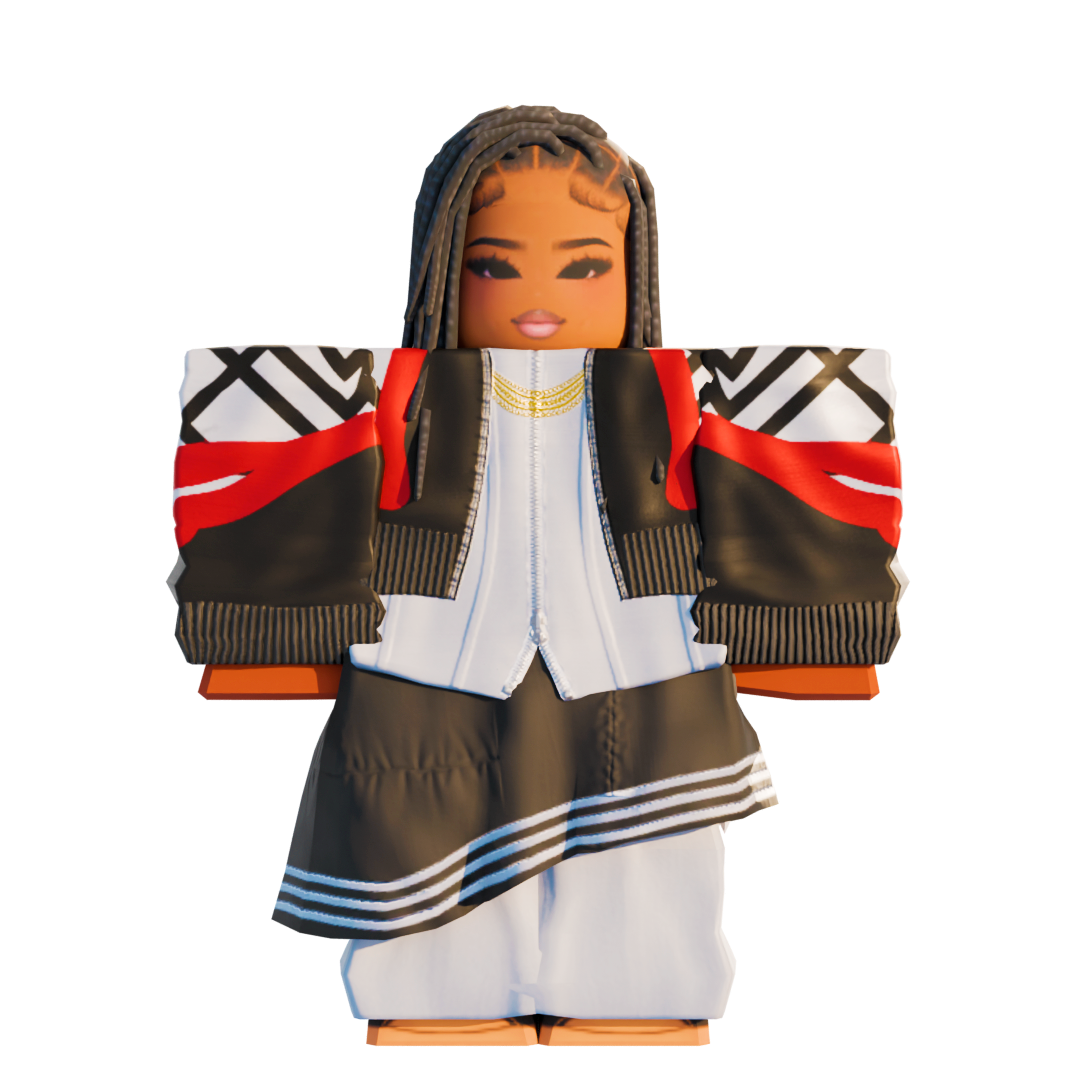
For Smith, accurate representation extends beyond simply creating an avatar with brown skin. Hair has long served as a marker of identity, creativity and self-expression within Black communities, meaning representation can feel incomplete when textured styles are absent from digital worlds. “Hair carries so much identity for Black people, and when a child can match their complexion but has to approximate everything above it, we’re still asking them to edit themselves to participate,” Smith explains. “The goal should be enough range that they aren’t simply able to make a Black avatar, they can create an avatar that actually feels like them.”
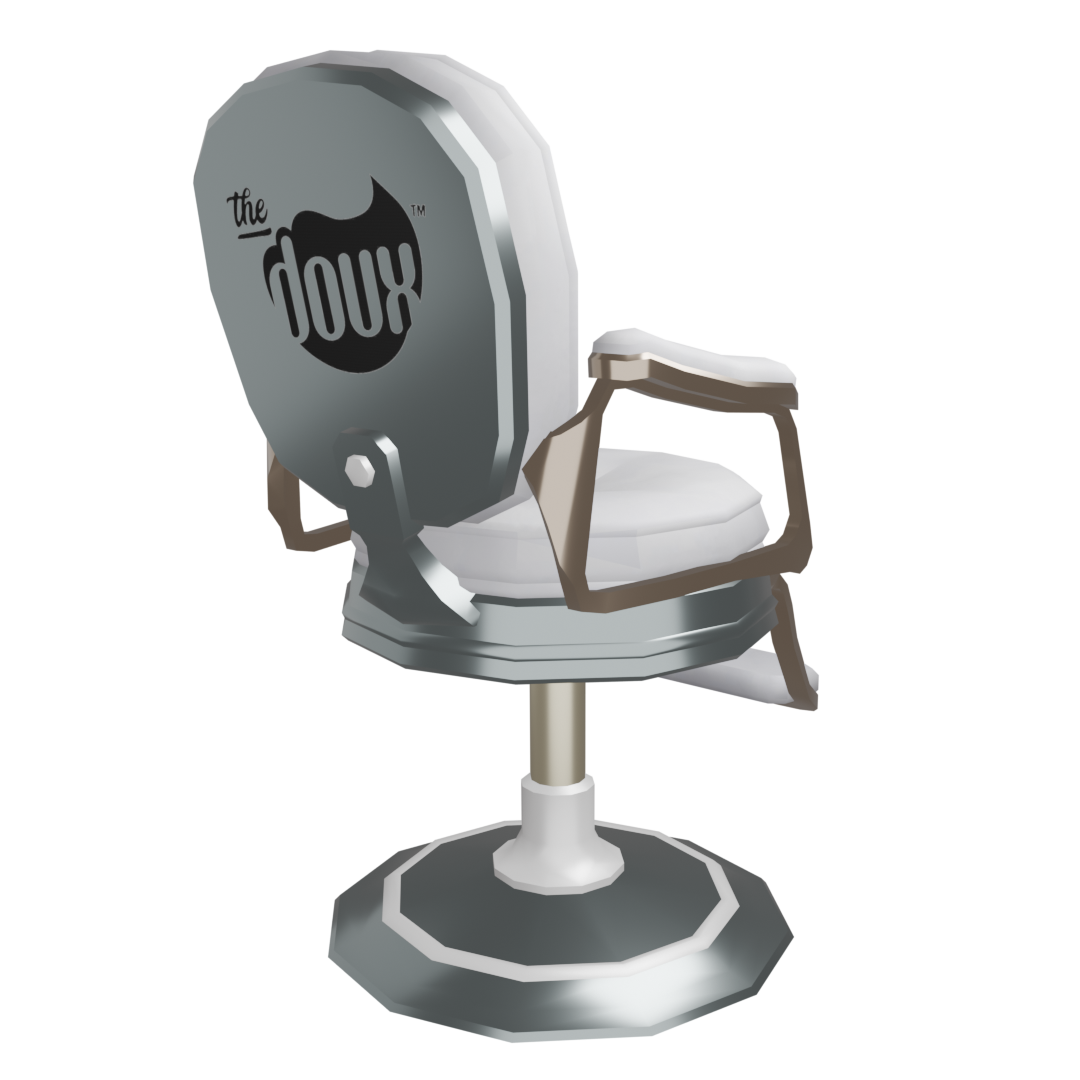
But hair is only part of My Salon Empire. Players are also tasked with building a business, an intentional nod to the Black salon’s generations-long history as a pathway to entrepreneurship, financial independence and ownership, particularly for Black women. It’s a journey Smith knows firsthand. She transformed decades of experience as a hairstylist into The Doux, which has grown into an eight-figure independent beauty business. “The business of beauty is part of our history,” Smith says. “For generations, the salon has given Black people, and particularly Black women, a way to turn a skill into income, independence and ownership.” Smith hopes that by combining beauty with business-building, younger players can begin making the connection between their talents and what those talents could eventually become.
The move into Roblox also signals something larger for The Doux. As beauty companies increasingly expand into entertainment, gaming and other forms of intellectual property, Smith believes Black-owned brands should be thinking beyond the categories in which they were founded. “Our imagination doesn’t have to stop at the beauty aisle,” she says. “Black-owned companies should see themselves as technology companies, IP creators and whatever else our ideas give us the capacity to become.” For an independent Black-owned company that has already found success on traditional retail shelves, entering Roblox offers another example of what expansion can look like when brands begin viewing themselves as cultural businesses rather than simply product companies.
That distinction becomes even more important as Black culture continues to influence beauty, fashion and digital aesthetics without Black ownership always growing alongside that influence. For Smith, the next frontier isn’t simply making sure Black culture exists in virtual worlds. It’s ensuring Black people have a stake in creating the technology, intellectual property and businesses that will shape them. “It’s not enough for our aesthetics and ideas to be present; we need Black developers, designers, founders and creators building the technology, developing the IP and participating in the economics behind these worlds,” Smith says. “I want the next generation to understand that creating culture and stewarding what you create should go hand in hand.”