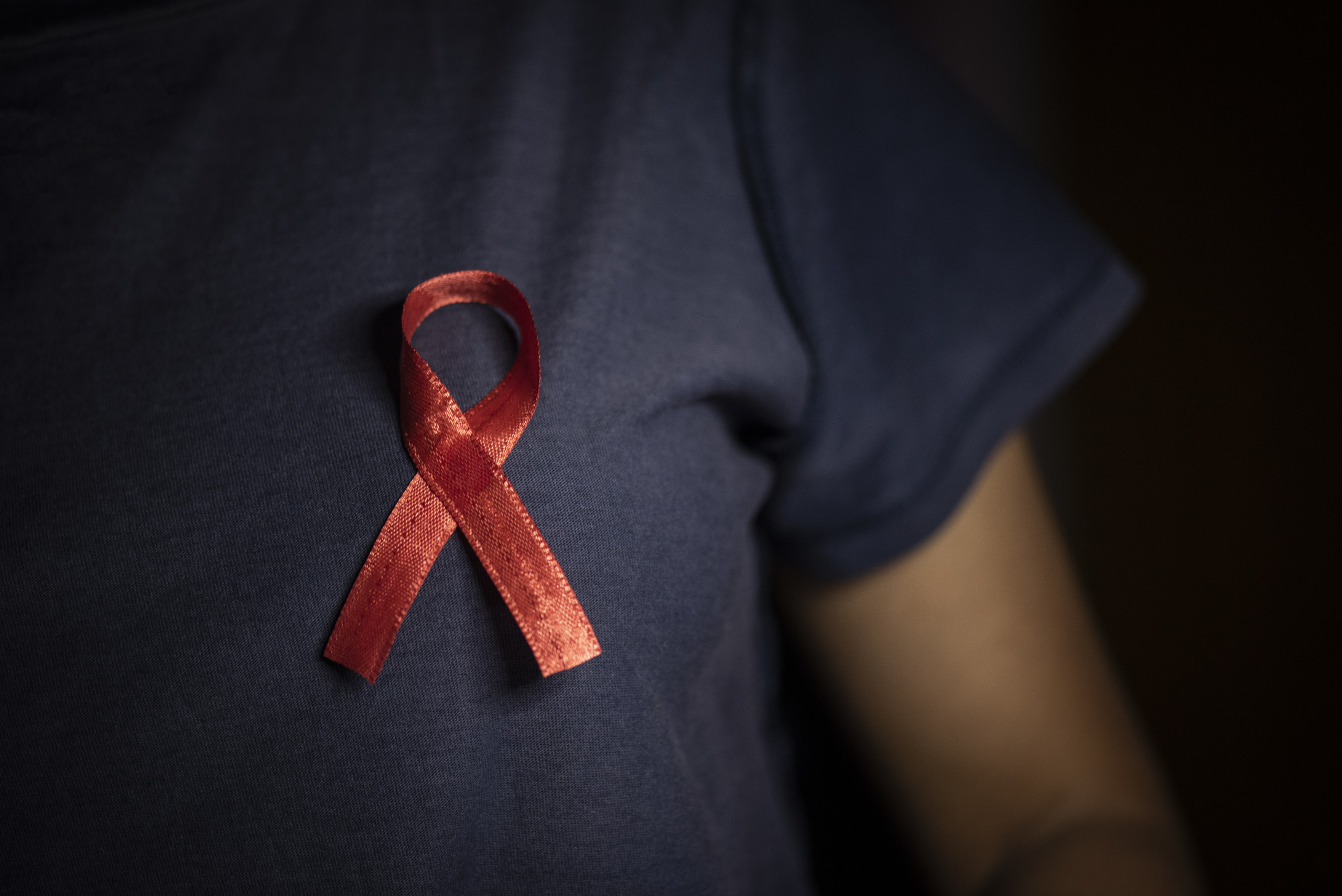
The first reported case of AIDS, as reported by the Center for Disease Control and Prevention (CDC) in 1981, was the catalyst of a movement that we now see having prevalence today. With advances in research and medical care, those affected can be reassured that resources are available to them or their loved ones. The impact of the health phenomenon, specifically in the African American community, is where organizations such as the Minority AIDS Project and the Black AIDS Institute were created to help provide space for treatment support and education for communities.
These organizations were especially prevalent during the time of the first reported case, as HIV ranked 10th overall as the cause of death in African Americans, according to an article published in the Journal of the National Medical Association.
Data published by the Office of Minority Health revealed that African Americans are three times as likely to be diagnosed with HIV than other demographics in the U.S. This information is just a portion of the data that’s been gathered over the last few decades that reminds us that African Americans are not only still disproportionately impacted by the condition, but that the impact has grown over time.
When word first spread across the Black community, misinformation surrounding the disease started to grow with claims that it was only prevalent in the LGBTQ+ community or could be contracted through kissing or sharing silverware. This fear-mongering tactic caused many to avoid conversations about the condition.
At just 11 years old, Hydeia Broadbent appeared on The Oprah Winfrey Show to share her experience of being born with AIDS. This interview helped spark new conversations and awareness about the condition among the Black community. Since her passing in 2024 as a result of AIDS, her legacy lives on through her family and the organization with which she worked.
Her bravery is what helped to pave the way for modern-day advocates like Kayla Quimbley. “As a young black girl, she gave me hope and courage in knowing that I could live in my truth and be accepted,” Quimbley told EBONY.
Quimbley was also born with AIDS and has made it her mission to advocate for those with the condition. The journey of being born with HIV and being misunderstood by others growing up is what helped her birth the idea of wanting to educate people and advocate for those with her same condition.
“One stigma coming from a small town that was big is if you have a partner or are with someone who is HIV positive, that they also have HIV. The concept was that you need to take your medicine to stay healthy so you don’t catch AIDS. Now the language has changed to not just take your medicine to stay healthy, but also in taking your medicine to stay healthy, you prevent the transmission of HIV because you’re virally suppressed,” Quimbley said.
Since the emergence of HIV and AIDS in the 1980s, the National Black Leadership Commission on Health (formerly known as the National Black Commission on AIDS) has also been instrumental in the progression of education and the AIDS movement in the Black community from its inception in 1987 to today. With historic roots from its founder, Debra Fraser-Howze, the organization spent its first 30 years focused solely on AIDS before expanding to other health disparities.
“Our goal now is really to get folks to understand these core issues like your diet, exercise, who’s in your social network, and getting people to understand how disease can happen and how it can progress for good or for bad. I think it’s really important whether you’re talking about HIV or something else. We just want our community members to be informed and to be able to make informed choices about their health and to be equipped with the resources that are available that are often not taken advantage of by our community,” President and CEO Shirley Torho told EBONY.
For advocates like Kayla Quimbley, giving voice to the movement and its evolution has influenced how the condition is regarded in society. Advocacy for HIV and AIDS in today’s society entails sharing educational resources from credible platforms such as the NBLCH, the Black AIDS Institute, and the Center for Black Health & Equity. It could also look like volunteering with your city’s local health organization to provide education to those in your local community, on the condition of helping to debunk misconceptions. It could even take the form of donating to these causes to further research on what comprehensive care will look like in the future.
“The work that I do is my legacy. I want the work I have done to be the baton for someone else to hold and carry forward. To have the courage to live authentically and live in their truth. To own their voice, to stand proud, to speak even if your voice shakes, and not just for the HIV community but for all people walking different walks in life,” Quimbley said.