
In 2022, model and entrepreneur Jawahir Khalifa won over audiences with her vivacious spirit as she made her debut on Netflix’s steamy reality show, Too Hot To Handle. Khalifa was crowned the season four winner of the series and thrust into an entirely new world — one she enjoyed but wasn’t truly prepared for. After traveling the globe and spending some time in Los Angeles, the reality TV breakout star decided to return to the Netherlands and now studies psychology in pursuit of becoming a therapist.
Earlier this year, Khalifa was invited to participate in an International Women’s Day 5K run in Kenya — a country she briefly called home after fleeing war in Somalia with her family at age five, and later settling in the Netherlands at age eight. Before her trip, Khalifa was advised to take malaria medication since the run would take place in the woods. Initially, the 26-year-old planned to get it while in Holland but couldn’t because of time constraints. She ended up getting it while in Kenya and proceeded to take them as normal. Shortly after, bumps appeared all over her body, and her throat became inflamed. “I couldn’t stand, I couldn’t talk [or] explain what was going on,” she told EBONY.
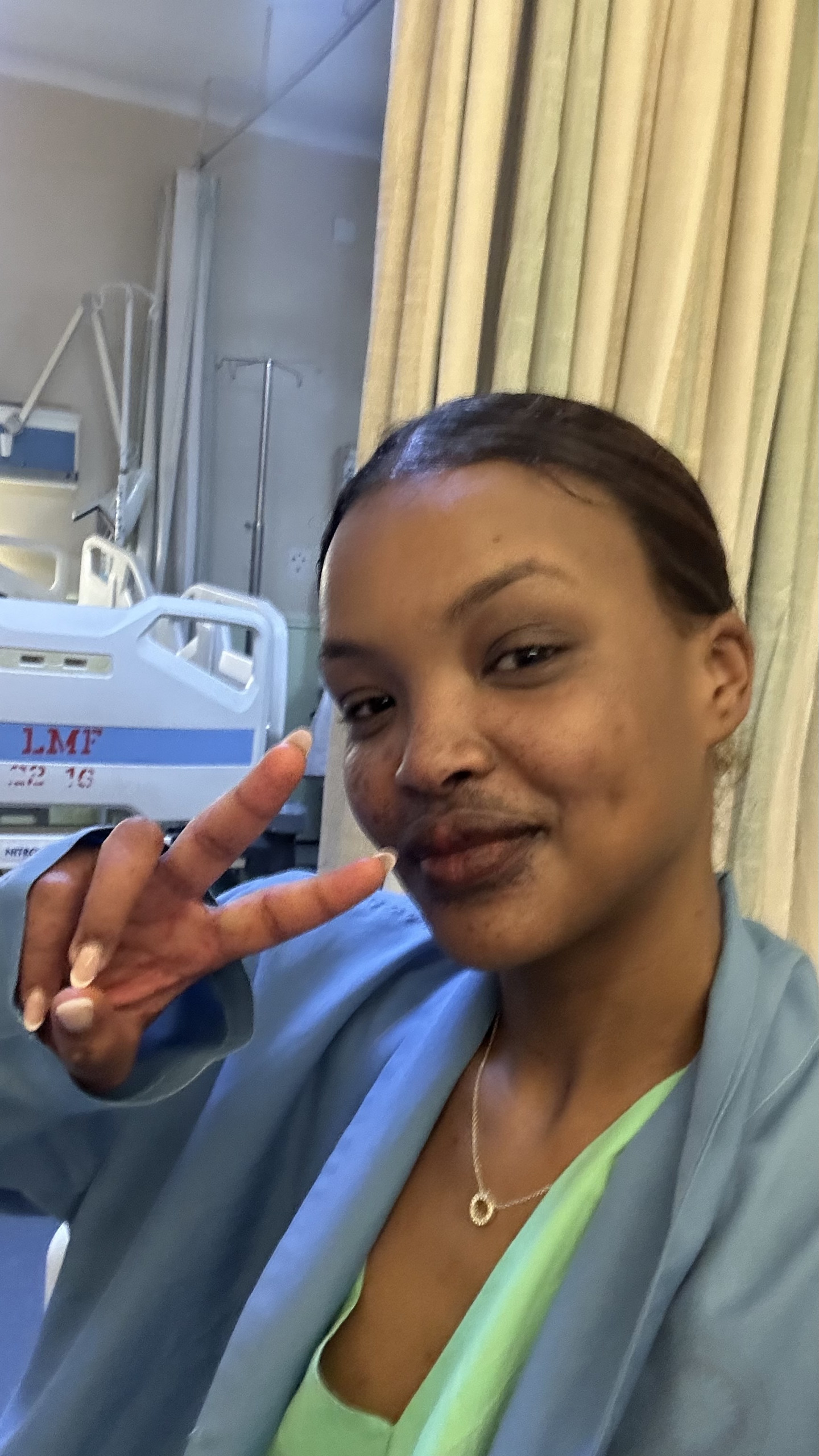
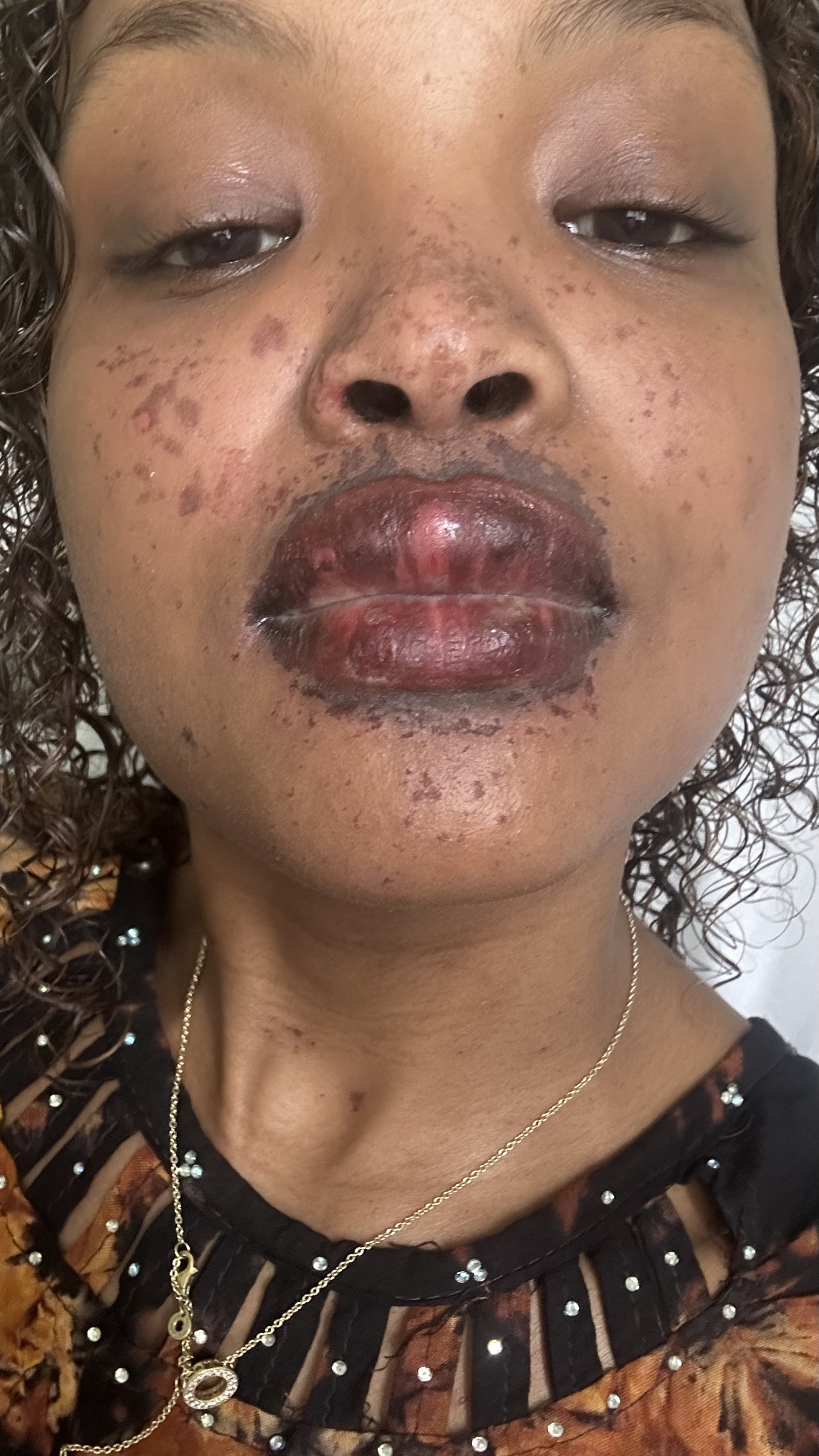
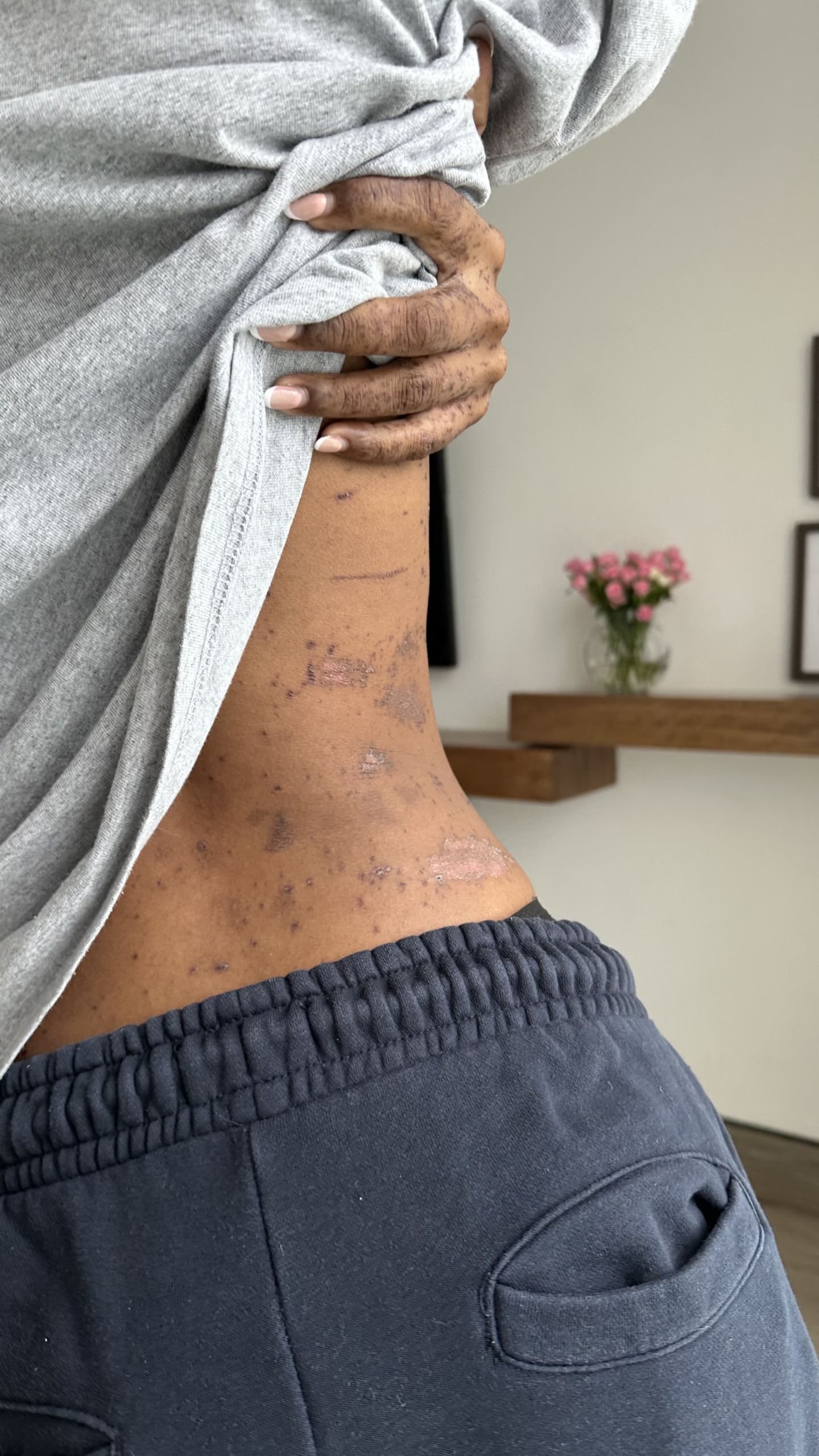
After being dismissed countless times from the hospital, one doctor figured her reaction was connected to the sulfur found in the brand of malaria medication she had taken — diagnosing her with Stevens-Johnson Syndrome (SJS), a rare and severe medical disorder typically triggered by a reaction to medications and affecting the skin and mucous membranes. SJS starts with flu-like symptoms, then leads to painful rashes, blisters, and the peeling of skin. Treatments focus on removing the cause of the reaction and caring for wounds, while minimizing pain and complications as skin regrows.
“In the 26 years I’ve been on this planet — I’ve been through war, adoption, and being put out on the street — I’ve never come in contact with sulfur, so I wouldn’t have known I was allergic to it,” she says. Now that she’s 80 percent healed, Khalifa opens up to EBONY about her journey, hoping to spread awareness and encourage those facing similar adversities.
EBONY: Tell me about your recovery process and what it’s looked like since being diagnosed with SJS?
The recovery process has been awful, and it’s been really hard because [my work] focuses on my appearance, how I look and what I wear — I think that is one of the most humbling things in life. When you focus too much on things that take away your worth internally, the universe or God will find a way to bring your attention back. It may sound harsh to say, but I had to almost die to realize that. That’s how I see it because I believe that everything happens for a reason.
Jawahir Khalifa: Were there any wellness practices that helped you find your footing again: mentally, physically, and/or emotionally?
I couldn’t run much, so I had to sit for a while because my skin started shedding. I was also internally shedding. I would cough out skin from time to time, and it was really horrible. I remember the first day in the hospital, I was like, I need to go outside, breathe in some fresh air, and touch grass — even though it would hurt bad to stand on grass. I was like, I need to connect to nature; I need to sit down and be here, not worry about what’s coming or what’s happening, but just be here, be alive, and be grateful that I’m still breathing.
Going through something like this often means navigating the healthcare system at your most vulnerable. As we know, in the West, Black women in particular often struggle to advocate for themselves and are expected to be “the strong one.” Did you experience anything like this while in Kenya?
Yes. It’s hard in the West, especially when you’re a Black woman, but it’s even harder back in Africa. I had travel insurance, and I remember the doctor coming to me like, ‘We need to get your insurance cleared now, or else we won’t be able to help you. Your throat is closing up, and you won’t be able to breathe anymore.’ I remember lying there and being like, oh my God, I’m actually gonna die — they’re not gonna help me.
What has life been like for you since returning home to the Netherlands, post-diagnosis?
I’ve been doing a lot of EMDR [therapy]. I couldn’t sleep for nights; I was playing back everything because, as you said, as a Black woman, you’re expected to be the strong one. I didn’t even allow myself to cry in the hospital. It’s so crazy. I was like, people around me need to see that I’m strong and that I’m gonna get through this. But when I got released, the doctor sat at the corner of my bed and said, ‘Most of my patients that had SJS didn’t survive. God protected you, and carried you through this, but you need to ask yourself what your purpose is, and you need to chase it.’ I remember leaving the hospital in the car and just driving away from that, breaking down.
How has the condition shaped the way you see yourself?
I used to think that I loved myself, but now I love myself even more. I cherish the little things. So when I have a day, I try to put as much love and kindness into the things around me. I think when you come close to losing your life, your whole perspective changes, and I always said that gratitude is the highest form of prayer. Every evening and every morning, I’m just so grateful to be here. I’m living for my heart instead of my fears.
And has it changed your relationship with your body and physical appearance in any way?
So after the hospital, my skin was shedding. I remember describing my hands to my mom and saying, “My hands look like they’re decomposing.” It’s like a snake — it’s dry, it’s peeling, and it’s painful. I remember looking in the mirror and feeling so ugly. At that moment, you don’t get to appreciate the ugly stuff because you’re not used to it. Then, the more my skin started to heal, I was in awe of how the human body is created, and I grew to love it more and more. I think for the first time in my life, I looked in the mirror and I felt completely whole. I didn’t feel like I needed to fix something about myself, scars and all.
If someone reading this is currently dealing with SJS themselves, what would you want them to know?
It might feel scary right now, and it might feel like you dislike the body you are in right now. But remember that this is also a vessel, and what matters the most is the soul within the vessel — that you keep your kindness and your love for yourself and also for others. Things heal. Just like in nature, there’s summer and winter. The same goes for our bodies; life has ups and downs. Same as our heartbeat; if it were linear, we wouldn’t be alive.
This interview has been edited and condensed for clarity.