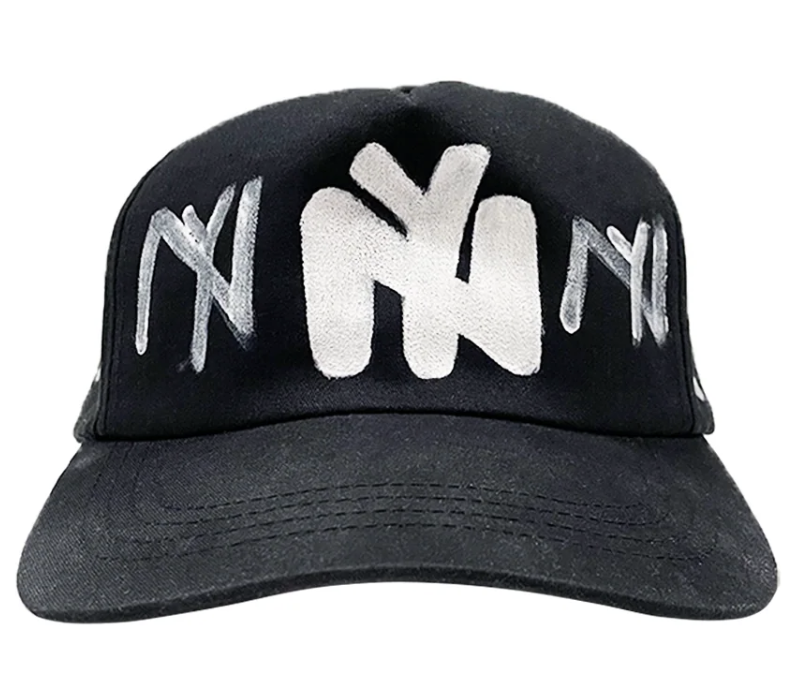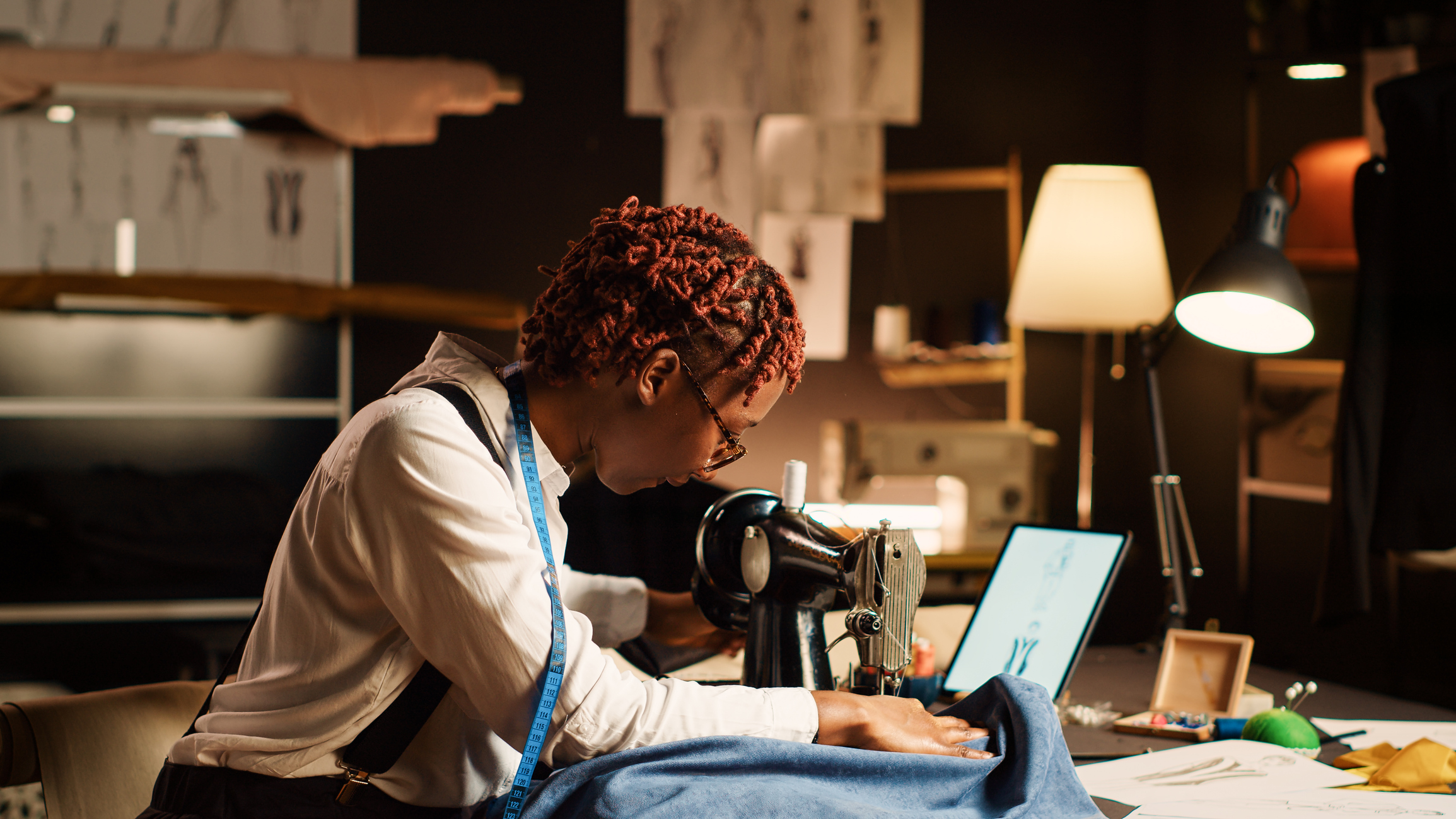
Overconsumption drives our TikTok For You Pages, shapes our shopping habits and, yes, damages our planet. The clothing and fashion industry accounts for an estimated 8% to 10% of global carbon emissions, a footprint larger than international flights and maritime shipping combined. Knowing just how much those hauls we love to watch and those random TJ Maxx trips can cost the environment, it’s all the more important to highlight the Black-owned businesses finding ways to make fashion without treating the planet as collateral damage.
But there’s another layer to the conversation. Long before “sustainability” became one of fashion’s favorite buzzwords, Black communities were repairing, reworking, passing down and finding new life for the things already hanging in our closets. Today, a new generation of Black designers is bringing some of those principles into their businesses through upcycling, made-to-order production, local manufacturing and traditional craftsmanship.
Because as cool as clothes are, a livable planet is much cooler.
Sami Miro Vintage
“Protect Mother Earth. Without her, we do not exist.” That eco-conscious messaging is the sun around which Sami Miro’s eponymous brand orbits.
Miro has built a design language around reconstruction, vintage materials and garments that proudly show the hand behind them. Raw edges, unfinished seams and jumbo safety pins turn what might otherwise be considered imperfections into part of the appeal. The result is clothing that doesn’t necessarily subscribe to the fickle nature of revolving trend cycles. Instead of disguising the past lives of the materials she works with, Miro makes them part of the fantasy.
In pulling back where others lean into excess, Miro shines through the noise while keeping much of her work delightfully undone.
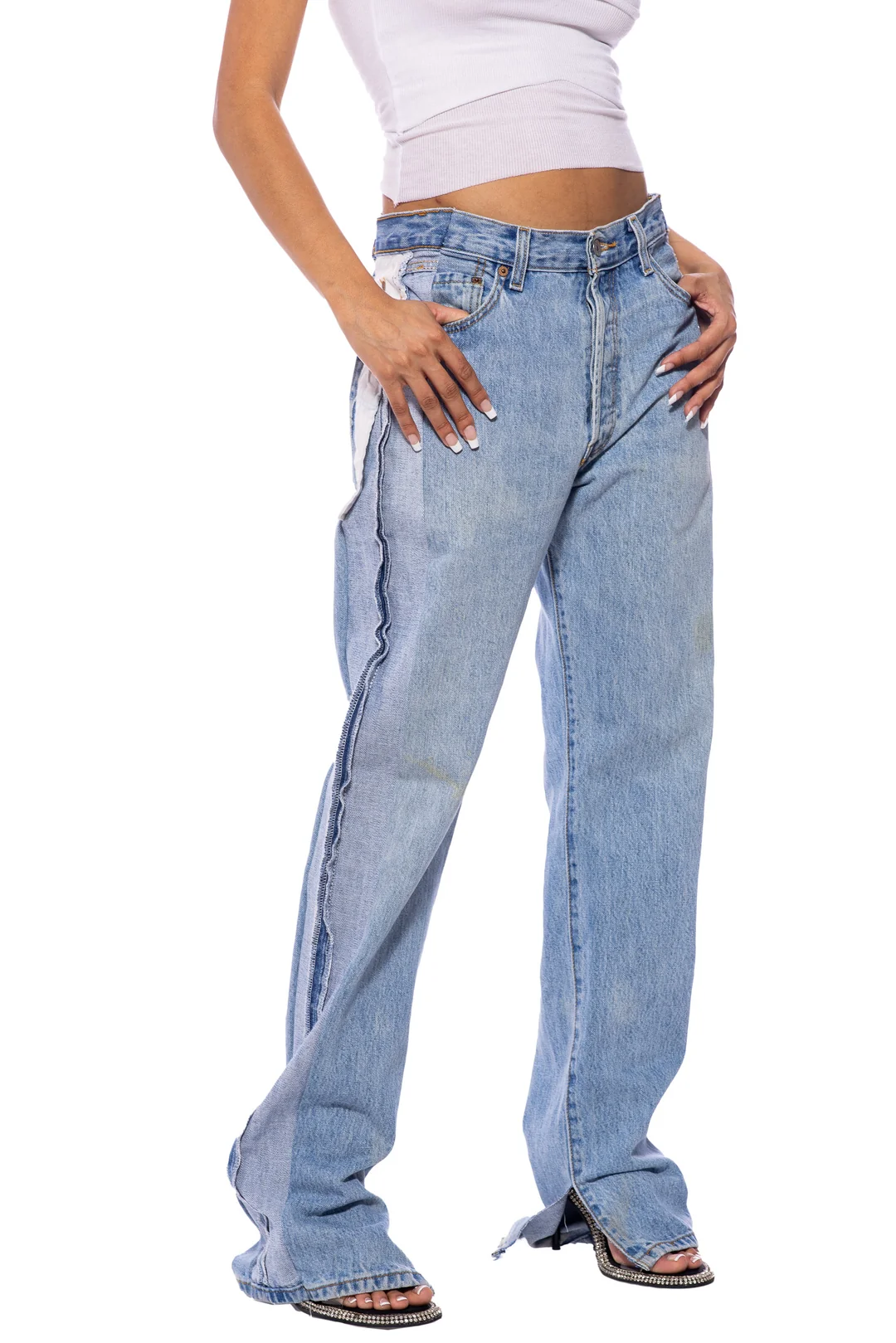
Brother Vellies
Founded in 2013, Brother Vellies is the community-conscious brainchild of Aurora James, who would later establish the 15 Percent Pledge and help reshape the conversation around how major retailers support Black-owned businesses.
With Brother Vellies, that consciousness extends to the people actually making the product. The brand has centered traditional African design practices and artisan craftsmanship, working with craftspeople across the globe rather than relying solely on the mass-production model that dominates much of contemporary fashion. It’s a reminder that sustainability isn’t just about what something is made from. How it’s made, who makes it and whether those traditions are being preserved matter, too.
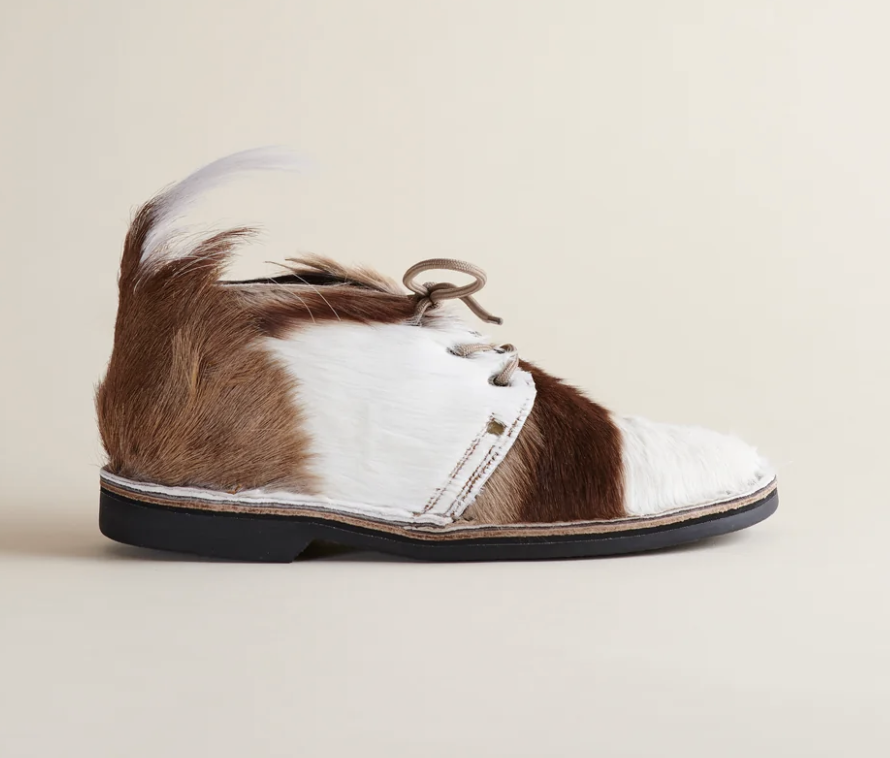
House of Aama
When mother-and-daughter duo Rebecca Henry and Akua Shabaka founded House of Aama in 2013, their focus was always on filling a gap. Frustrated with the lack of diasporic representation in fashion, the pair created House of Aama as a sartorial antidote to bland design, making clothes with culturally conscious customers in mind.
That commitment to intentionality extends beyond aesthetics. Through made-to-order production, local manufacturing and the use of upcycled materials, House of Aama offers another vision of what sustainable fashion can look like. Responsible design doesn’t have to mean stripping clothing of color, storytelling or cultural specificity. Here, environmental consciousness and diasporic storytelling can occupy the same garment.
House of Aama is leaving its mark on the fashion world without asking the planet to bear all of it.
Frankies by P.NYC
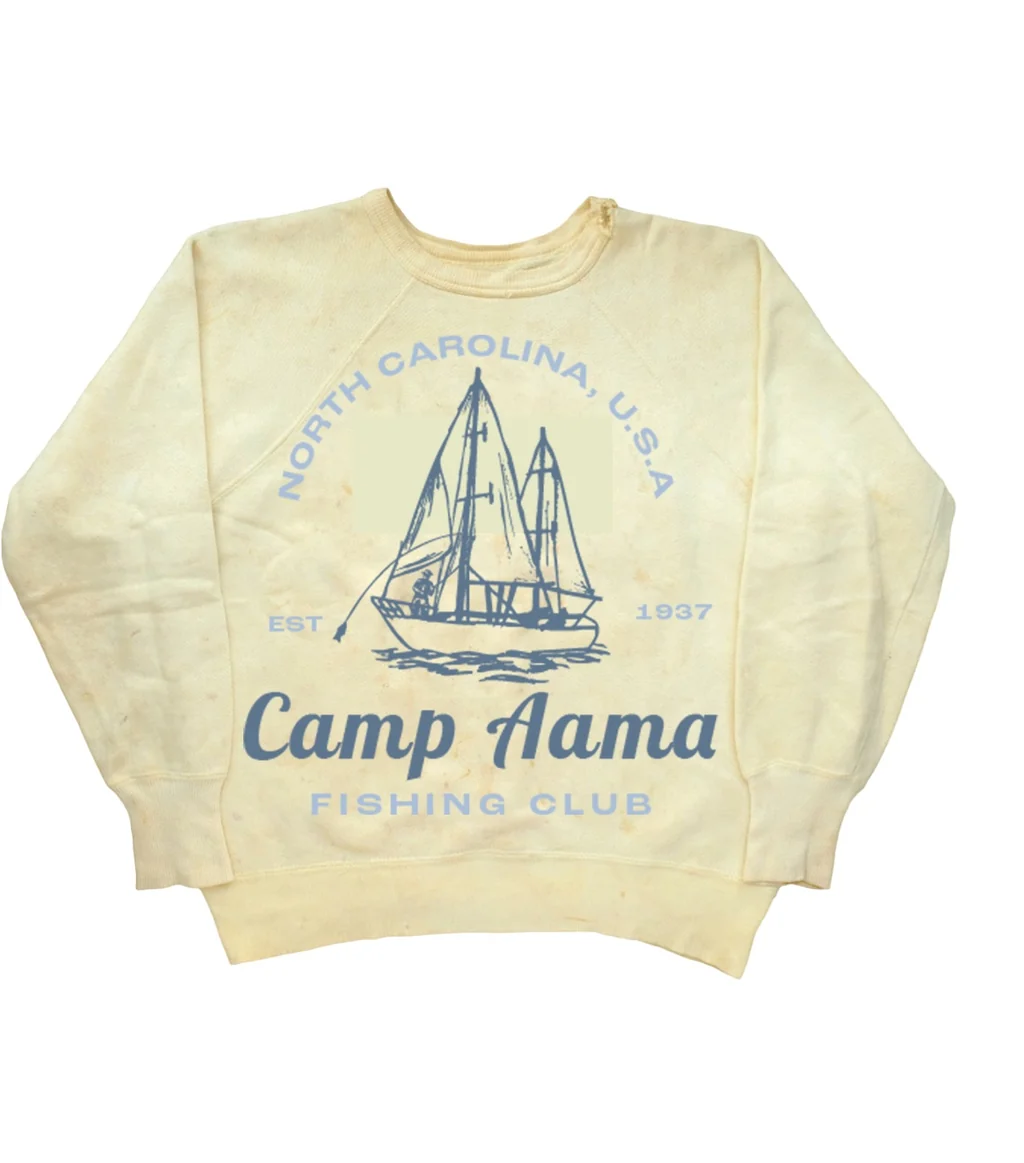
Vintage T-shirts will always be in style, so why not turn one into a custom one-of-one? That’s part of the appeal behind Frankies by P.NYC, the Philadelphia-based brand turning treasured tees and existing garments into reconstructed pieces that feel entirely new.
Handcrafted and carefully curated, the brand also creates reconstructed denim and T-shirt dresses, transforming pre-loved clothing into pieces worthy of another run around the block. In an industry obsessed with convincing us that new automatically means better, Frankies makes the previous life of a garment part of why it’s desirable in the first place.
Good for your closet and even better when what’s already here doesn’t end up in a landfill.
Ron Louis
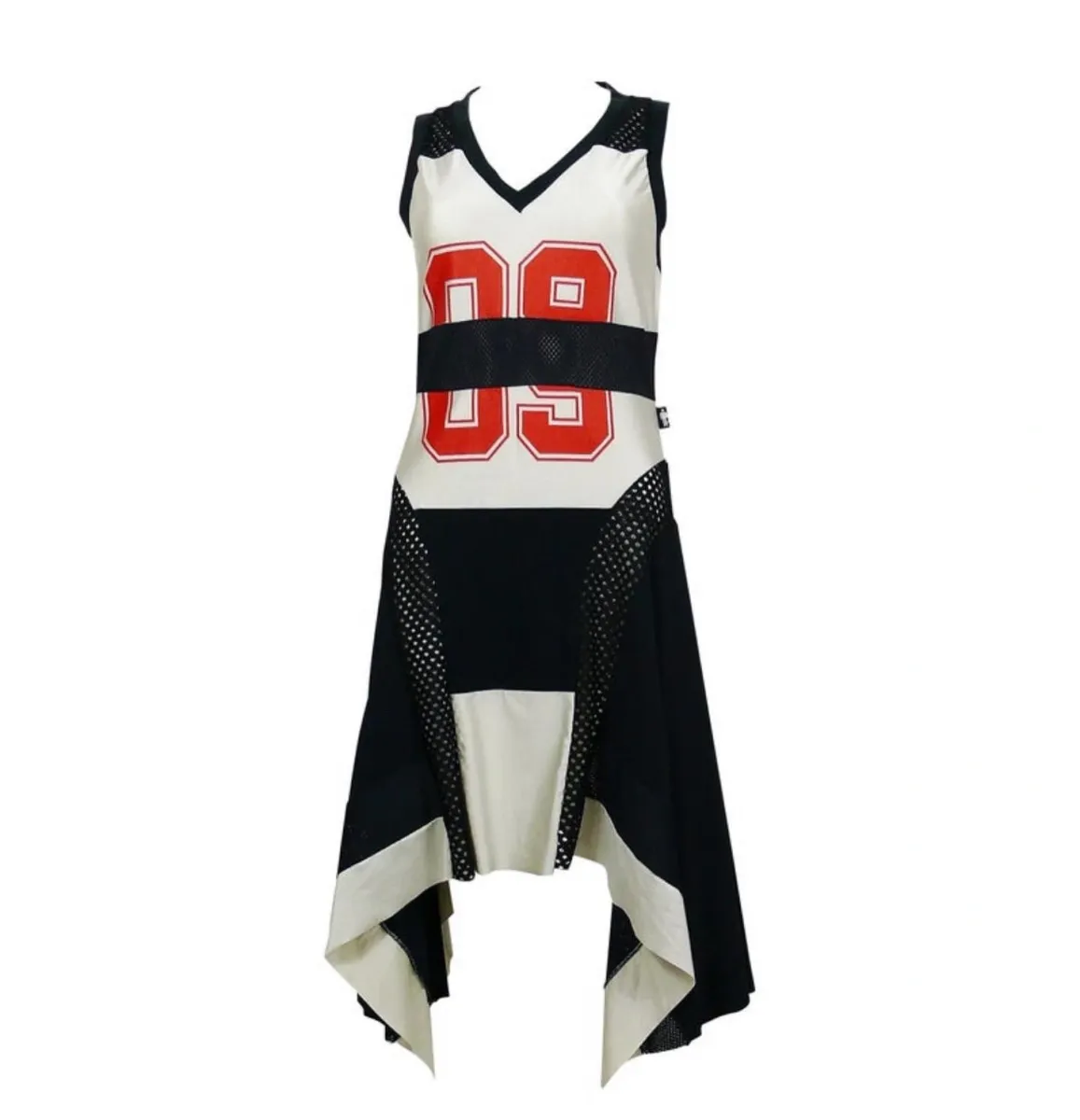
No matter what fashion trends enter and exit our stylistic lexicon, great denim will never go out of style. No one understands this quite like Ron Louis, who has turned upcycled cotton denim into a community of blue-tag-loving blue jean aficionados.
Branded with glacier-blue patches, distressed fraying and a recognizable DIY sensibility, his denim arrives through limited premade batches and customer orders. It’s a model that can help curb the cycle of making endless amounts of product simply to keep shelves stocked while maintaining some of the brand’s “if you know, you know” status.
And perhaps that’s the larger lesson these designers offer. Sustainability doesn’t have to be a compromise consumers make in exchange for less exciting fashion. Whether through upcycling, craftsmanship, limited production or simply making clothing worth keeping, Black designers are proving that some of the most responsible pieces in your closet can also be the ones you actually want to wear.