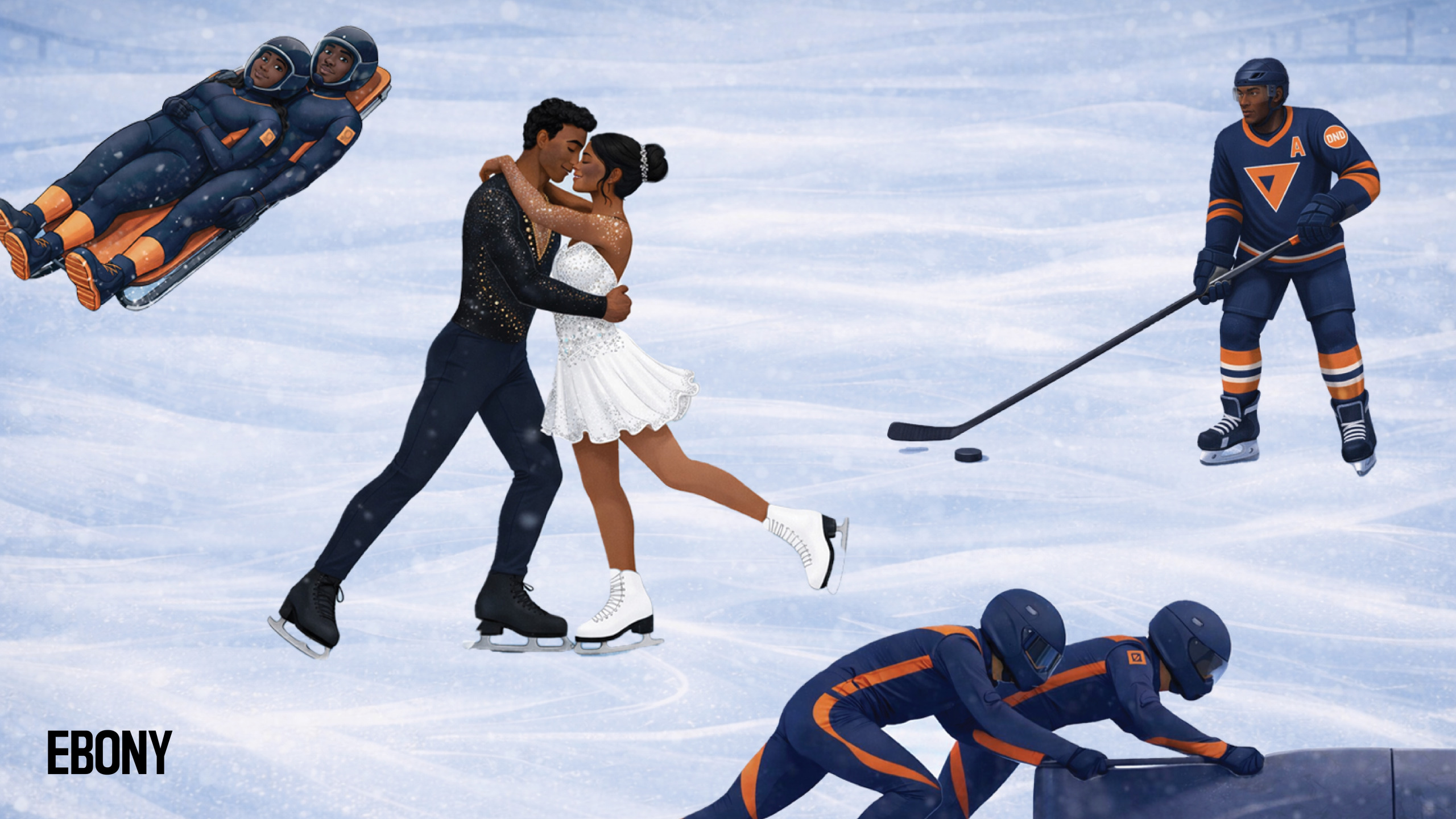
Picture this: somewhere, an Olympic athlete is getting ready for bed before their event. She’s trained tirelessly, worked with countless specialists, and invested in every type of innovation to increase her performance. Her pre-game routine is down to a science. She’s eaten a nutritious meal, stretched for recovery, and mentally prepared through visualizations. But before she turns out the light, there is one more thing she needs to do: She slides out her vibrator—team colors, of course—visualizes getting to the finish line, and gets that uninterrupted 7–8 hours of sleep she deserves.
It’s not what most people picture when they think of Olympic-level training. But it also shouldn’t be that shocking. We’ve all heard how steamy it gets in the Olympic Village during the Summer Games. The only question is: does the Winter Village bring that same heat, or is everybody too bundled up to make it happen? It’s hard to flirt when you’re dressed like a fashionable marshmallow.
For generations, athletes have been warned that sex before competition is a mistake—that pleasure makes you weak, unfocused, slower. Coaches still preach abstinence like it’s a training drill: no distractions, save the energy. Muhammad Ali was even said to avoid sex for weeks before a big fight. But a lot of this “no sex before the big game” wisdom is built on myth, tradition, and it turns out, all that self-restraint may have been completely unnecessary.

Plato’s Pleasure Problem
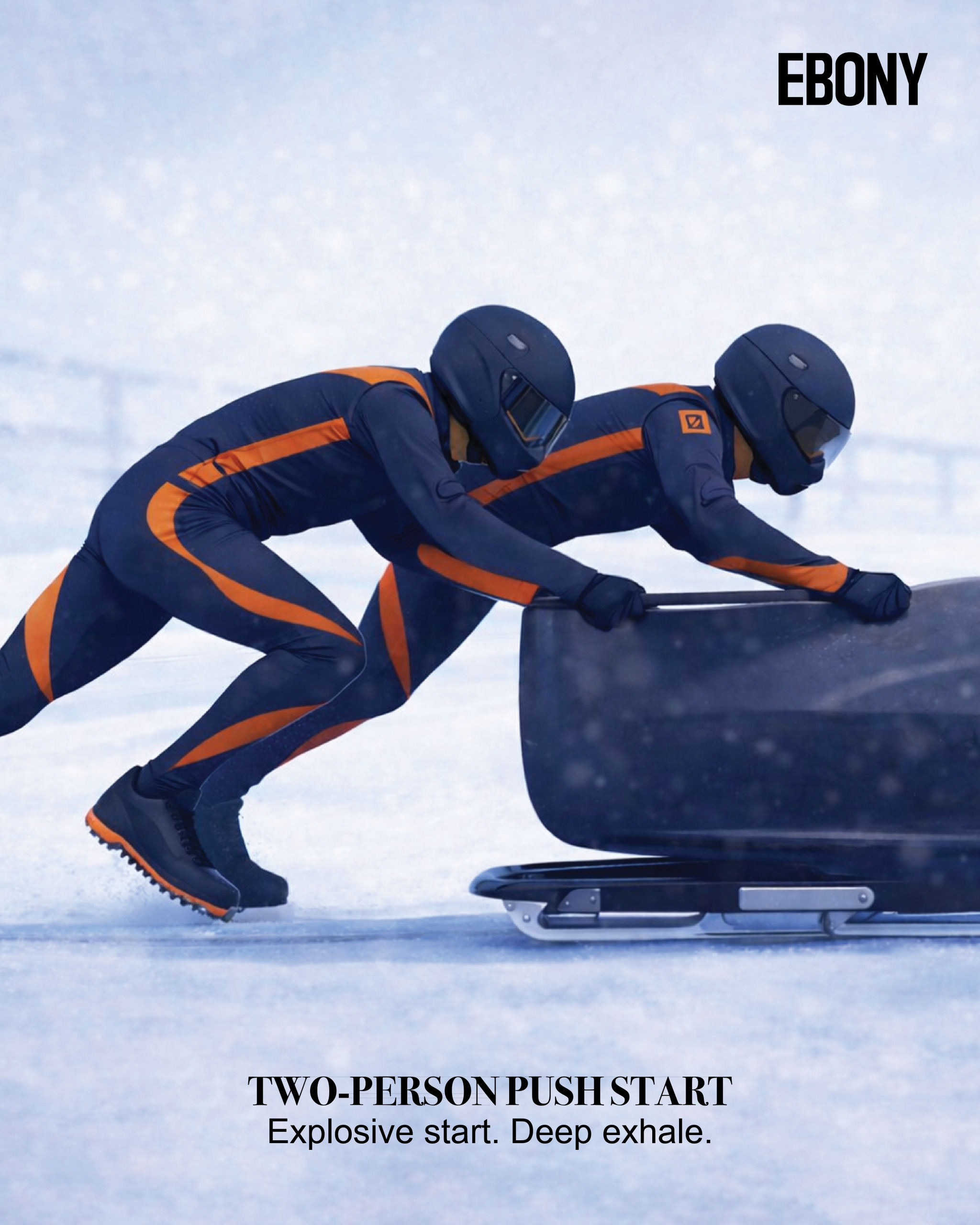
Let’s go back to when sex—more specifically, orgasm—was declared an enemy of athletic performance. The theory goes way back, and no Gen Z, this isn’t about landlines and TV commercials. This is 4th and 5th century BC, when Plato apparently advised athletes to skip doing the nasty before competition in order to preserve semen. He and his toga-wearing philosopher friends believed semen retention increased energy and boosted athletic performance. Plato called it philosophy. Modern-day athletes call it a curfew.
Either Plato thought women weren’t competing, or he thought women weren’t having sex, or they just didn’t care enough about women back then to write any of it down. It’s a perfect example of how female athletes get left out of history, left out of science, and then somehow still end up living under the rules.
The result is that Plato’s informal, non-scientific theory has had an absurdly long shelf life. This misconception has shaped locker rooms and training culture for years, despite a pretty basic question hovering over it: where is the data? For shame. Entire generations stressed out for no reason, clenched up in the name of “focus,” acting like an orgasm is a performance-enhancing scandal.
So what’s actually true?
Train Like An Athlete
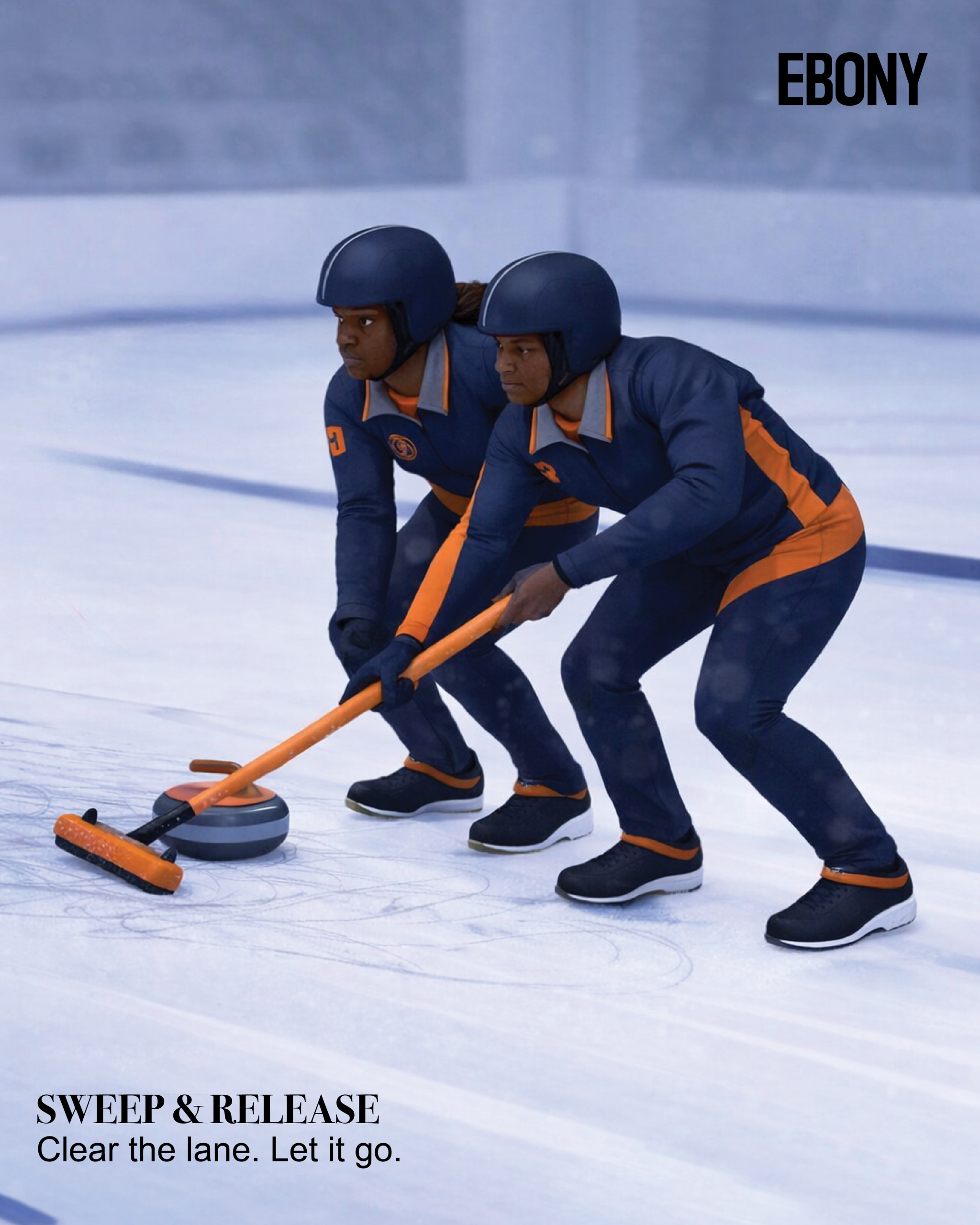
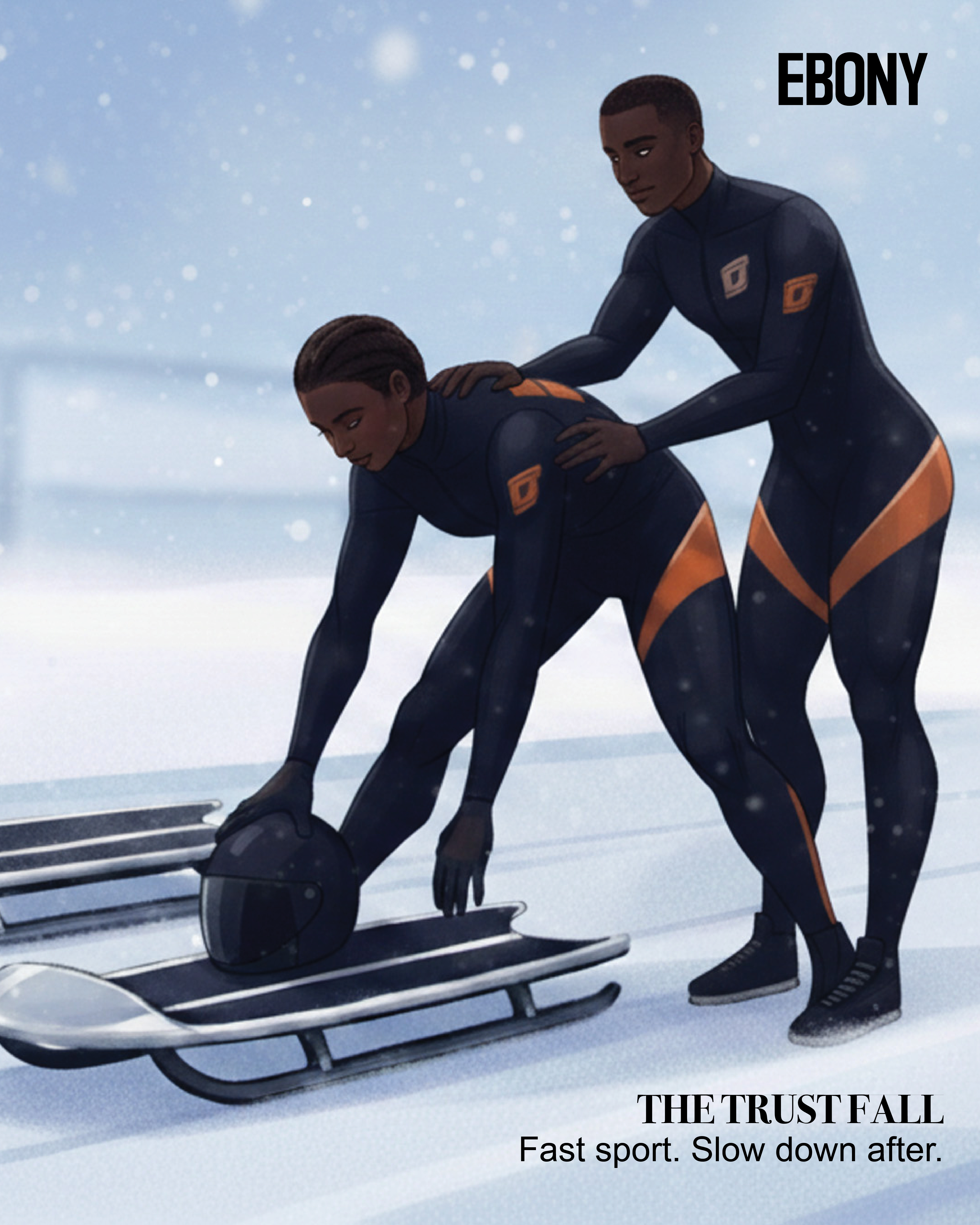
What we do know is that pleasurable, consenting sex—including masturbation—can be linked to physical and mental benefits that are useful to athletes and regular people alike: relaxation, reduced stress, better sleep, improved mood, and in some cases, pain relief. None of that sounds like it would automatically sabotage performance. If anything, it sounds like the kind of nervous system “exhale” athletes chase through meditation apps, massage guns, and bedtime routines that cost $400—plus shipping. And yes, please invest in your mental health. This is just a gentle suggestion that some of it can be DIY.
Certified sexologist Adrienne N. Williams, PhD, of Life Epiphany, puts it plainly: sex and orgasm aren’t automatically enemies of performance. Depending on the person, timing, and overall recovery, pleasure can support mental clarity and motivation by easing stress and tension—two things that absolutely show up in competition.
Which is why it may be time to retire the old “no sex” superstition and replace it with something more modern: do what helps you recover.
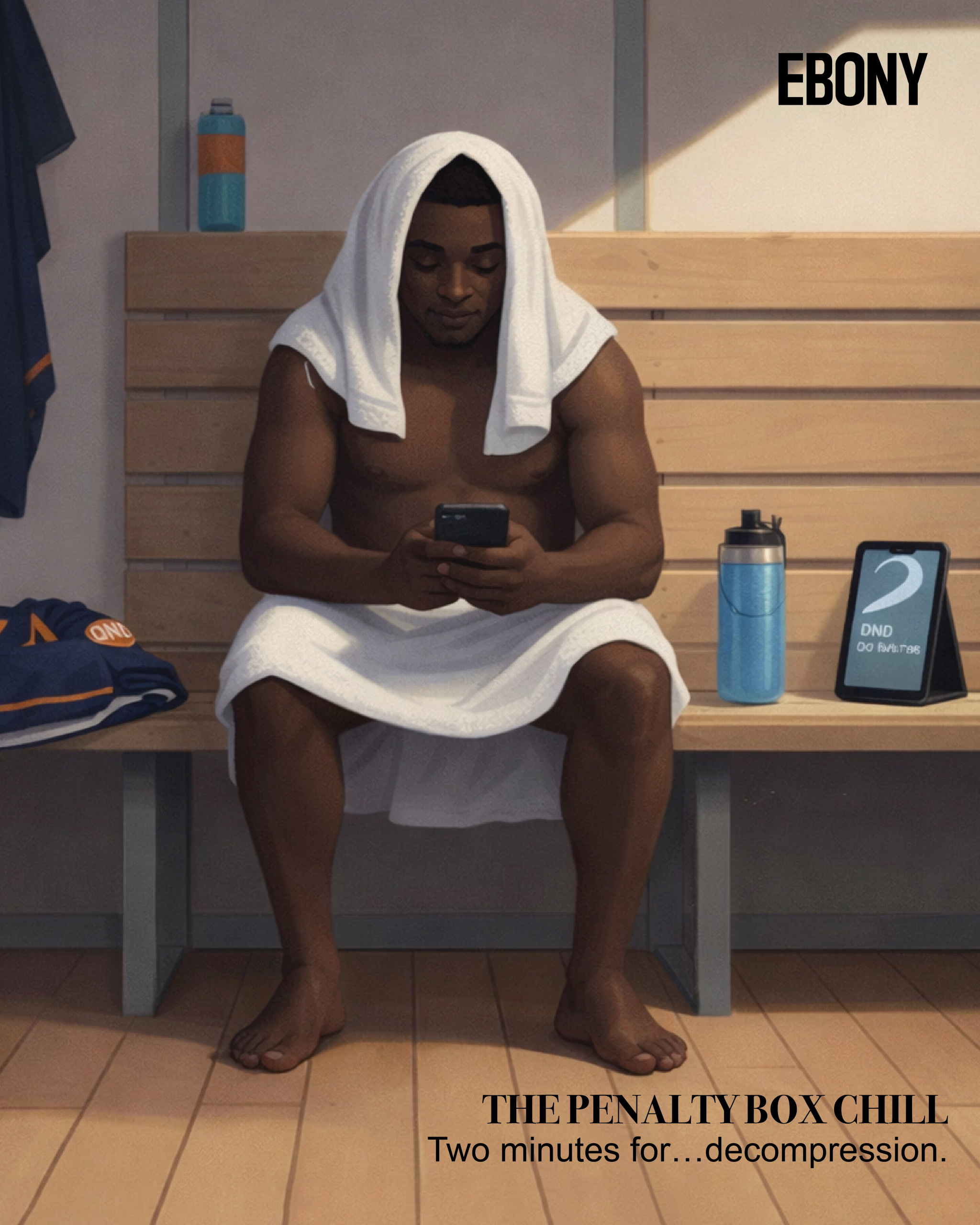
Maybe elite athletes should consider orgasm as part of a holistic training plan. Maybe gym bags should include a foam roller, electrolytes, and—if that’s your thing—a little lube and protection too. Because if sports culture stops treating sex like it’s automatically a threat, it could reduce shame and increase body literacy—which helps everybody. Look at that: when it comes to nerves, tension, and needing a good release, the average person and A’ja Wilson or LeBron James might have more in common than expected.

Don’t Compete. Communicate!
Of course, this isn’t a universal prescription. Consent is the baseline. Sleep still matters. And the truth is, some athletes might feel distracted by partnered sex the night before a big moment—while others feel calmer, more grounded, and ready to knock out. But the bigger point is this: the old rule has been handed down like gospel, when the reality is more personal, more human, and more nuanced.
So here’s hoping these athletes who have prepared for years for the Games are also taking care of their whole selves, including the part that doesn’t show up on a stopwatch. (Or maybe it does. No judgment.) Because the more relaxed and rested they are, the better the odds they’ll be physically and mentally ready when it counts.
And this year in Italy, if somebody looks unusually peaceful on the podium, don’t overthink it—recovery comes in many forms. Either way, gold is gold.