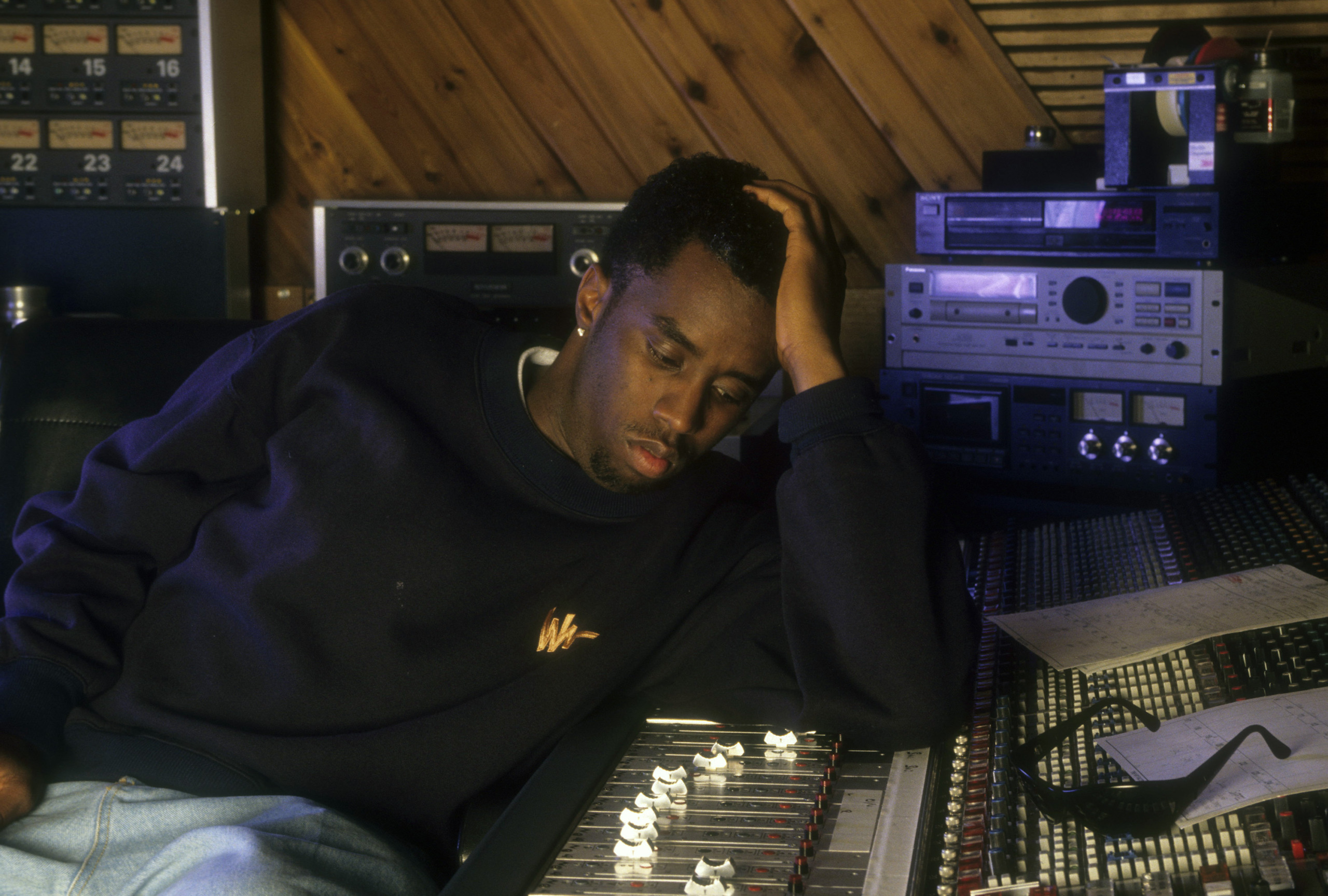
There is a moment in most true-crime docuseries when a revelation knocks the air out of the room. The new Netflix documentary, Sean Combs: The Reckoning, never finds that moment. From unsettling disclosures in Leaving Neverland to the long-overdue clarity in Surviving R. Kelly to the real-time hot-mic confession that closed The Jinx, the best of the genre delivers a turn you can feel in your body.
Here, there is no such shift. No staggering detail, no cultural gut punch, certainly no off-camera reveal about who killed Tupac. Just a nostalgic reminder of perhaps the greatest era of hip-hop and R&B, the cinematic rise of Sean “Diddy” Combs from party promoter to tastemaker – and, of course, who makes the best cheesecake in Brooklyn.
For a man whose career has been engineered around spectacle, reinvention and constant narrative control, the four-part series mostly rehashes what the culture already knows — that Combs’ ascent has always been tethered to tragedy. The City College stampede, Biggie’s death, the nightclub shooting: each moment of crisis preceded a reinvention that pushed him further into the spotlight. Where these events would have canceled or sidelined someone else, Combs somehow converted them into momentum. All of this happened alongside a quiet revolving door of artists who never got the careers they were promised — and the ones who knew exactly when it was time to get out, and those who did not.
In the documentary, Combs is referred to as a “paper gangster,” someone who mimicked the aesthetics of street power without ever truly belonging to that world. But in hip-hop, proximity to danger has long been a currency. Combs wasn’t Suge Knight, but he knew how to look the part, concocting a fantasy of a mogul straddling both the corporate and criminal realms.
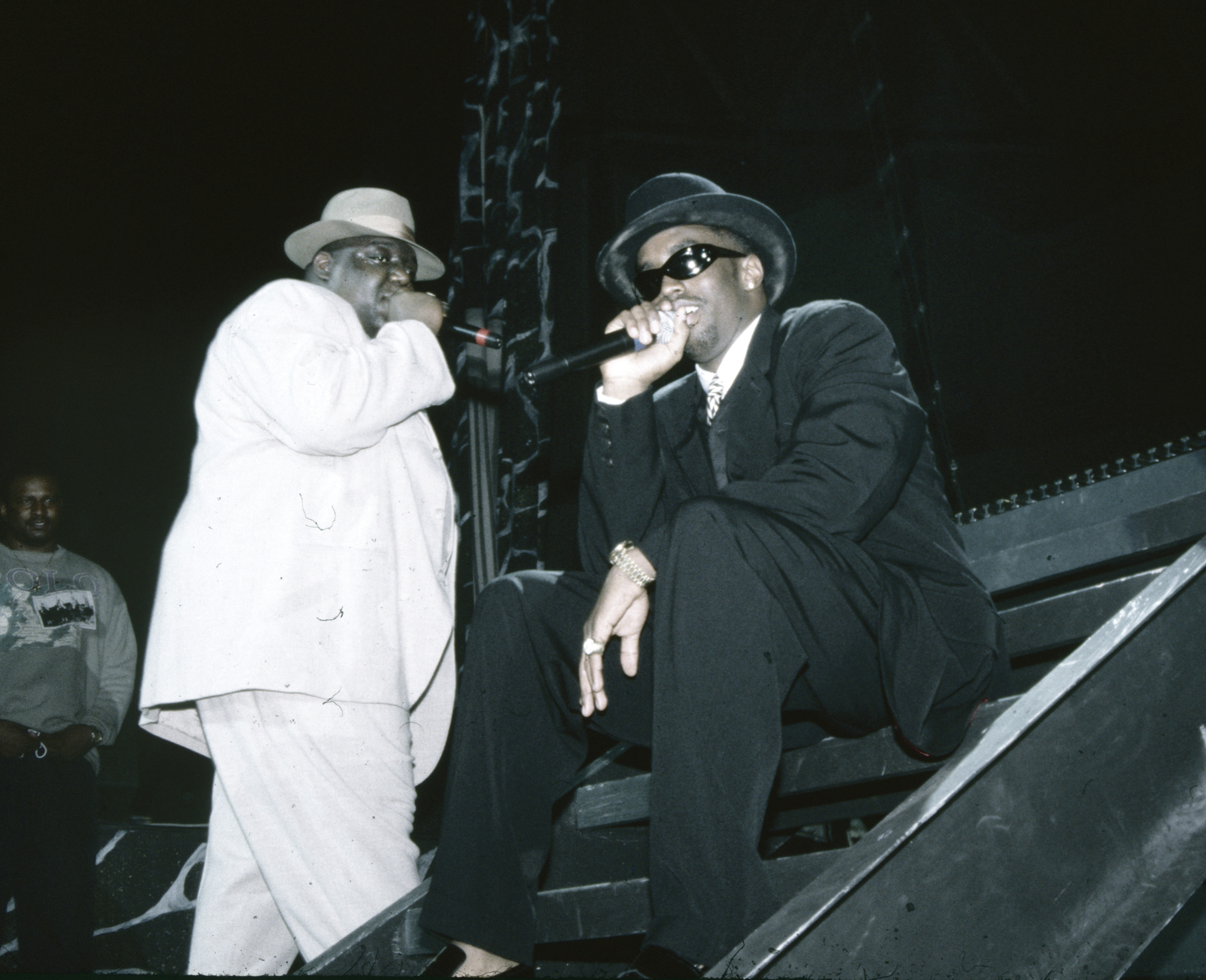
That performance becomes even more unsettling as the film nods to the long shadow of Tupac Shakur’s murder — a case in which Combs has never been charged and denies any involvement. With the upcoming 2026 trial of Duane “Keefe D” Davis, the former Crip accused in the killing, the documentary doesn’t assign blame so much as acknowledge the decades-long speculation that has always hovered around Combs.
Perhaps the most unexpected creative production choice is the involvement of Curtis “50 Cent” Jackson, executive producer. For a man who has gleefully trolled Combs for years, we never see Jackson on camera, and his stepping into this role now feels pointed. Whether motivated by old grievances, opportunism or something more strategic, his presence gives the series a faint air of score-settling. One final polished, well-crafted, big-budget subtweet… Send
What does add dimension is the faces of those who describe themselves as collateral damage in Combs’ orbit. Some have pending legal cases; others simply lived close enough to feel the tremors. Their stories repeat the same pattern: volatility disguised as mentorship, manipulation framed as opportunity, and private behavior that contradicts the polished mogul we were sold. Even behind closed doors, moments involving his son Justin — mentioned lightly but disturbingly — suggest a family ecosystem shaped by secrecy and power.
The footage of Combs conferring with lawyers and strategists reveals the PR machine he built around himself. We see him rehearsing the version of himself he wants the world to accept, adjusting tone and narrative in real time. When the jury acquits him, his team reacts with near-euphoria. A response that reads differently now, as the primer to the ignition of a myth he could spend the next two decades fortifying.
Combs has always been a man of dualities: altar boy and king of excess, philanthropist and convicted predator, spiritual seeker and ruthless executive. His greatest talent wasn’t just discovering artists; it was his ability to reinvent, to pivot, to change the narrative faster than the culture could keep up or wanted to.
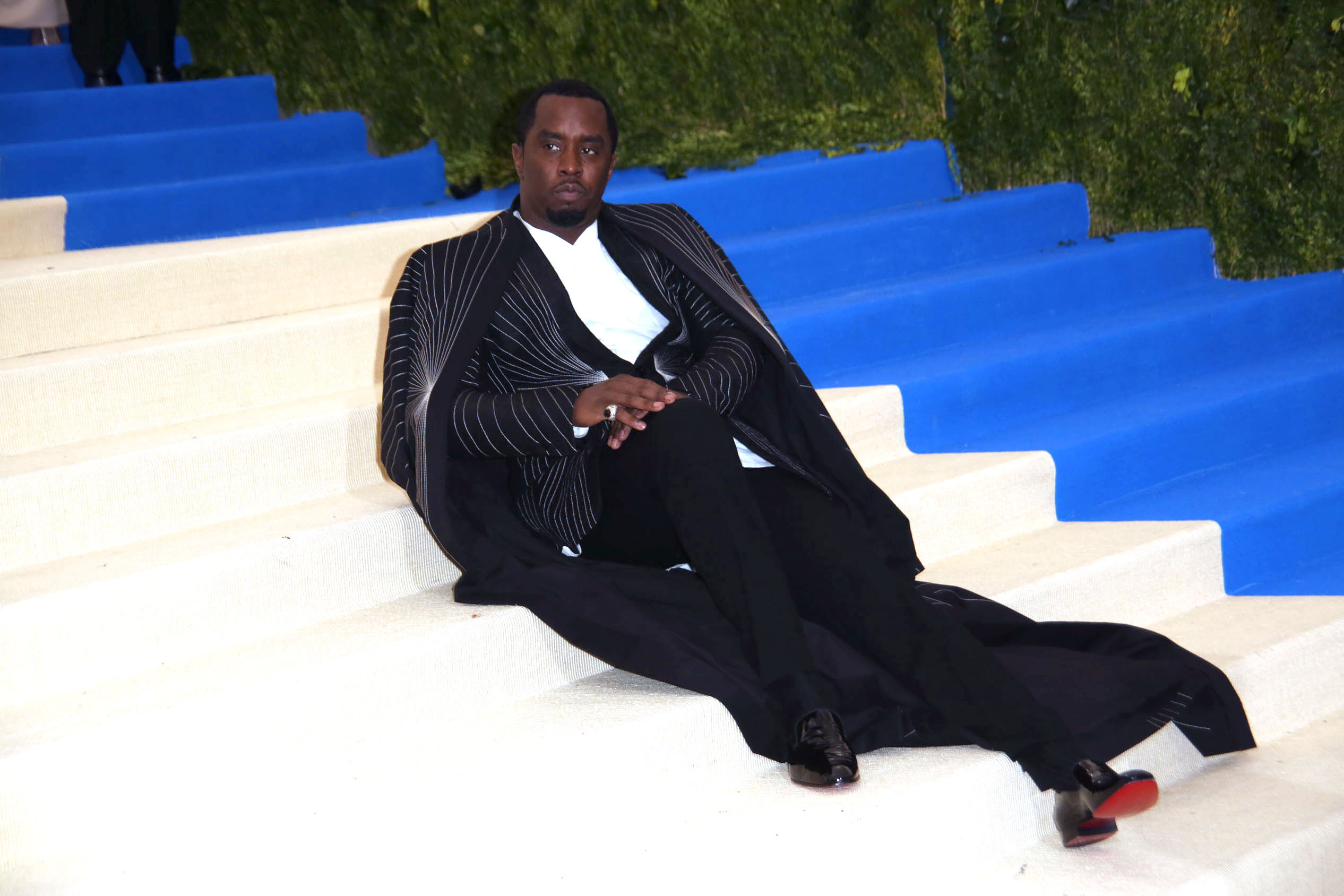
That’s the persona the documentary wrestles with: not whether the allegations are true, but how much of the Combs we celebrated was performance, designed to obscure what was happening when the cameras weren’t rolling. And why fans and the general public never stopped to ask the right questions years ago.
Intriguingly enough, the threads raised by the film aren’t about the past. It’s about what comes next. With federal investigations ongoing, lawsuits mounting and a lifestyle empire collapsing, the documentary leaves us with a final, uneasy question:
If Diddy emerges from this chapter — legally, publicly, or both — which version of him will we get? A chastened individual seeking reform? Or a retributive titan determined to rebuild his image through force of will and fear?
His history suggests both are possible, though one feels far more likely.
Ultimately, the documentary doesn’t break new ground. It doesn’t expose hidden secrets or deliver the kind of bombshells people debate around the water cooler. What it does is hold up a mirror to a man — and an industry — that has long thrived on performance and power. The real story of Sean Combs: The Reckoning isn’t in the episodes. It’s unfolding now, in courtrooms, barbershops, and chat groups, as we finally confront the myth we helped build.