Across the country, growing concern about Food and Drug Administration (FDA) recalls of produce, baked goods, canned goods, and other household items has raised questions about what is truly safe to consume. Since the beginning of the year, the FDA has announced 300 food recalls, with 103 of these cases categorized at the most serious risk level, also known as Class I. Many of these have occurred since the beginning of the summer, around the time of the FDA’s string of layoffs.
Impact of FDA and CDC Layoffs
According to CBS News, roughly 20 percent of FDA staffers were laid off earlier this summer, around the same time some CDC staff members were also laid off. These job erasures have since left noticeable gaps in food safety check procedures and regulatory practices. Though food safety is not a net-new issue in the United States, the frequency of food recalls and illness outbreaks tied to food has caused anxiety to develop among shoppers.
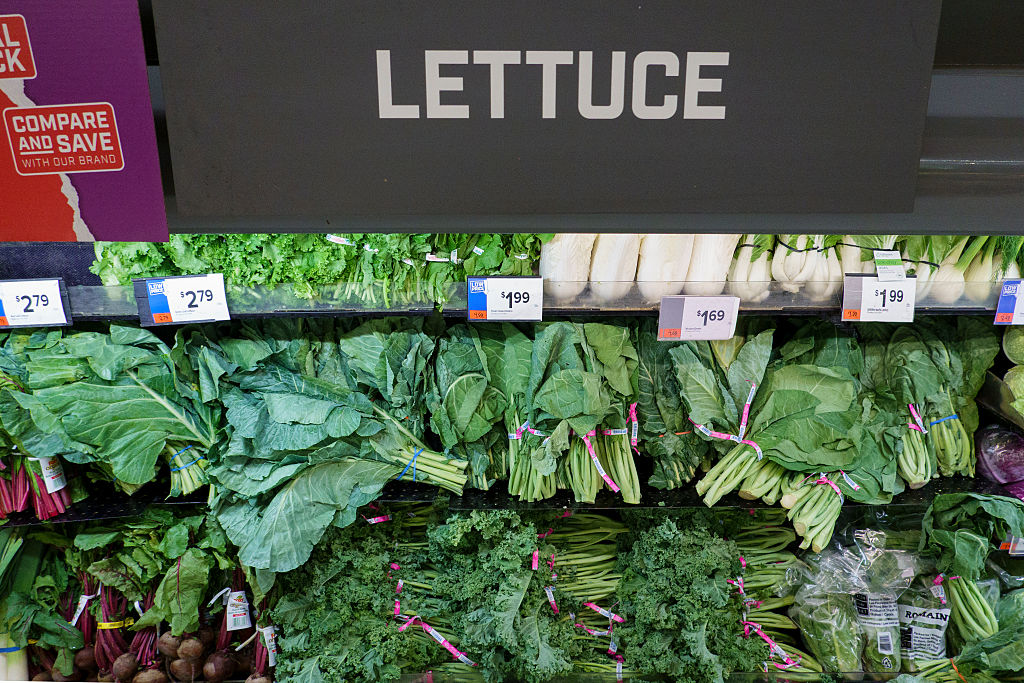
From eggs recalled for a Salmonella outbreak across six states to Cyclospora found in shredded iceberg lettuce, food safety awareness is becoming an essential part of daily life. When identifying a food recall, it’s best to know not only which item is recalled but also which brands or retailers sold it to avoid it. Recent recalls include Outshine fruit bars with broken glass, Bettergoods pistachio nut butter with possible Salmonella contamination, and Whole Foods Market dips containing jalapeño, such as guacamole and salsa, with possible Salmonella contamination.
Personal Experiences with Food Safety
“We live in one of the states under caution about the Cyclospora outbreak. I’ve had severe food poisoning, and I’m super strict about food safety for that reason. For now, we’re being overly cautious about any produce that won’t be cooked before being consumed. I tend to avoid processed produce in general because that’s where contamination tends to come in. […],” a Reddit user noted in a response to someone addressing their anxiety around the recent food recalls.
In an official statement by SignatureCare Emergency Center, Dr. Christopher L. Huerta, MD of Texas urged residents, especially families with young children, to stay as informed as possible and take the necessary precautions. “Children are more vulnerable to foodborne illness than adults, both because their immune systems are still developing and because symptoms like dehydration from vomiting or diarrhea can escalate quickly in a small child,” Dr. Huerta expressed. He continued in the statement to encourage parents to review recall lists regularly anc to check their children’s school lunch menus and snacks to see if there’s any potential exposure to recalled items.
Recommendations for Handling Recalled Items
In response to the latest grocery store recalls, consumers have looked to local farmers’ markets for solace and reassurance. In doing so, they can get fresher produce that cuts down on the preservatives and store-bought items typically have. As well as embrace a farm-to-table approach to food, actively cutting down the number of touchpoints between farmers and item placements in stores.
“I happen to live in an area that has a lot of local farms. The largest one has a huge open-air farm store. Other places have stalls. I’m happy to go to the co-op and get greens every week for a decent salad. But it is remarkably unfair that anyone who lives in an “average” suburb or city has to struggle to get food they can trust. IT DOESN’T HAVE TO BE LIKE THIS,” one Reddit user expressed in a thread discussing items on people’s grocery lists as the FDA recalls continue.
When handling recalled items, the FDA advises throwing them away or returning them, even if they don’t seem affected; it also recommends avoiding sharing the items with others and sanitizing any surfaces the food touched. To stay up to date on the most recent food and items that have been recalled, you can track the running list overseen by the FDA here.