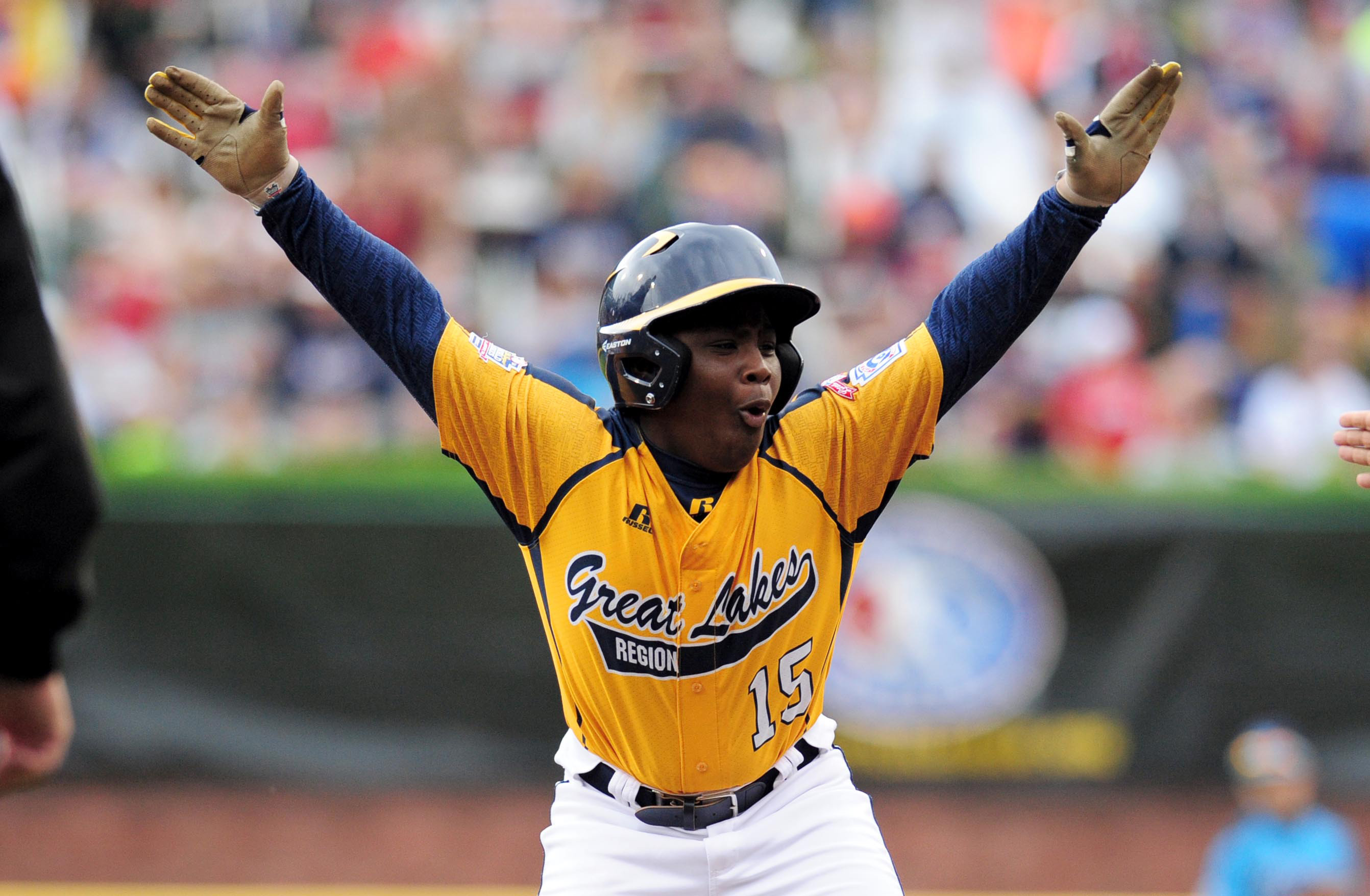
For a long time, the Jackie Robinson West (JRW) story existed in two parts.
There is the way an all-Black team from Chicago’s South Side lit up the Little League World Series and made late summer baseball feel bigger than youth sports. Then there are the parts people argued over: the fallout, the stripped title and the part that kept getting replayed until it started to crowd out everything else.
The documentary, One Golden Summer is trying to make some room for this feeling again.
Directed by Kevin Shaw, this project does not pretend that the events never happened. It is much more interested in the boys themselves. Who they were, what that run felt like, and what kind of bond can survive being turned into a national story at such a young age.
“They had never really spoken about it outside of a small news clip here or there when they were 12 years old,” he said. “So, this was a perfect opportunity for them to really tell their side of the story.”
Shaw, who is from Chicago, matters. As the director of the documentary, he’s not arriving at Jackie Robinson West as a distant observer trying to sort out an old headline. He was around the team’s rise in real time while freelancing for ESPN in 2014, when he got the chance to work the Little League World Series.
This allowed him to experience up close what the rest of the country saw, but he also saw how quickly the team became something bigger than a local sports story.
“The entire nation kind of really fell in love with the guys because of the way that they played, the smiles and the joy that they brought to the field,” Shaw said. “It didn’t become just a Chicago local story. It went national.”
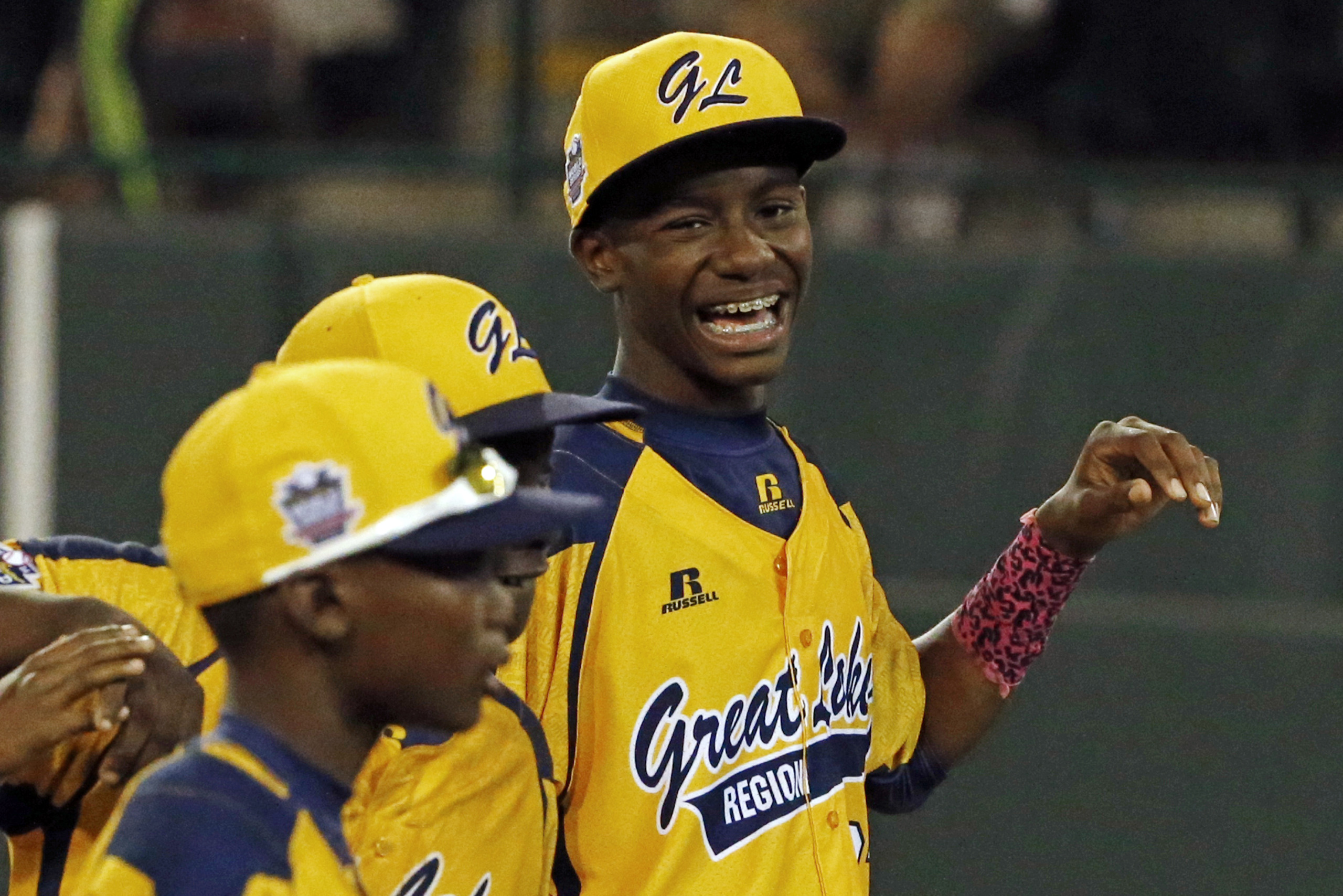
This is what we remember first. Before the debate of what went wrong, why the title was taken away, or who was to blame, we remember liking the team. We remember wanting to watch them again. We remember the sense that these kids were not just good; they were fun. An expression of Black boy joy years before we had the language to explain what it was.
Seeing how narrow the public version of this story had become. Back then, a lot of the coverage leaned hard into a familiar package: Black boys from Chicago, danger in the background, baseball as salvation, struggle as the easiest way to make the story legible. Shaw wanted to push back on that.
“I look at the media coverage back in the day,” he said. “I look at how they painted JRW as this team that came from rags to riches from Chicago and really leaning into the negative portrayals of what Chicago is and what their family backgrounds might be and stuff like that. And none of that was true.”
Yet, when the documentary turns to the different family dynamics that existed across the team, Shaw does not treat those differences as scandalous or tragic. He treats them like life.
“Just because maybe some of the family backgrounds didn’t come from that traditional family unit that we consider the white picket fence, and everything doesn’t mean that those families are bad,” he said. “Sometimes they’re probably doing even more to make sure that their kids are having an opportunity.”
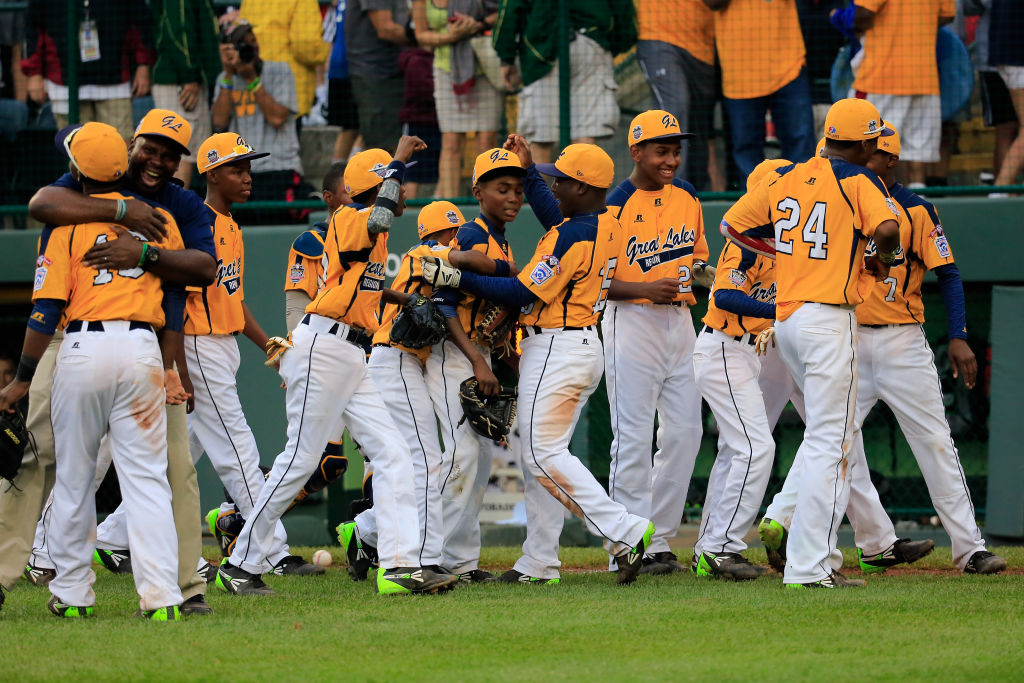
The team worked because the joy was real. The connection was real. And nobody on that roster was carrying the moment by himself.
Tre Hondras, one of the former players featured in the film, talks about that summer in a way that brings us why we love baseball to begin with.
“Everything that you’ve seen in that documentary from us was all pure,” Hondras said. “The emotions were pure. Everything that we went through, we went through it together. All those moments. There was never a time where somebody went through something alone.”
That togetherness is really the movie’s best subject. But that feeling of community doesn’t stop with those in unifrom. Hondras talks about parents, coaches, teammates, and the feeling that they were able to share with everyone back home.
“We wanted to make the people around us proud and the people next to us that was in the dugout proud as well. And ultimately, the city as well,” Hondras said.
That sounds like Chicago sports when Chicago sports mean something. Not just winning. Representation. Neighborhood pride. The feeling that a group can carry more than its own record.
But that pride stretched beyond Chicago’s neighborhoods. For the boys on the team, Jackie Robinson West was more than the name across the front of their uniforms. It was a standard.
“We’re representing a pioneer, representing somebody that has made a way for us,” Hondras said. “If it wasn’t for him, we wouldn’t even be talking or having this conversation right now.”
The legacy of Jackie Robinson matters, but so does the experience of being boys inside that history.
And years later, what seems to have stayed with them is not just the scale of the moment, but the feeling of it. That may be the film’s best trick. It does not spend its time begging you to reconsider the old story. It just shows you the boys again.
The baseball. The laughter. The closeness. The pride.
And once it does that, you remember the feeling of that one golden summer.
One Golden Summer airs on OWN Thursday, May 7th at 9/8 C, and available to stream on HBO Max.