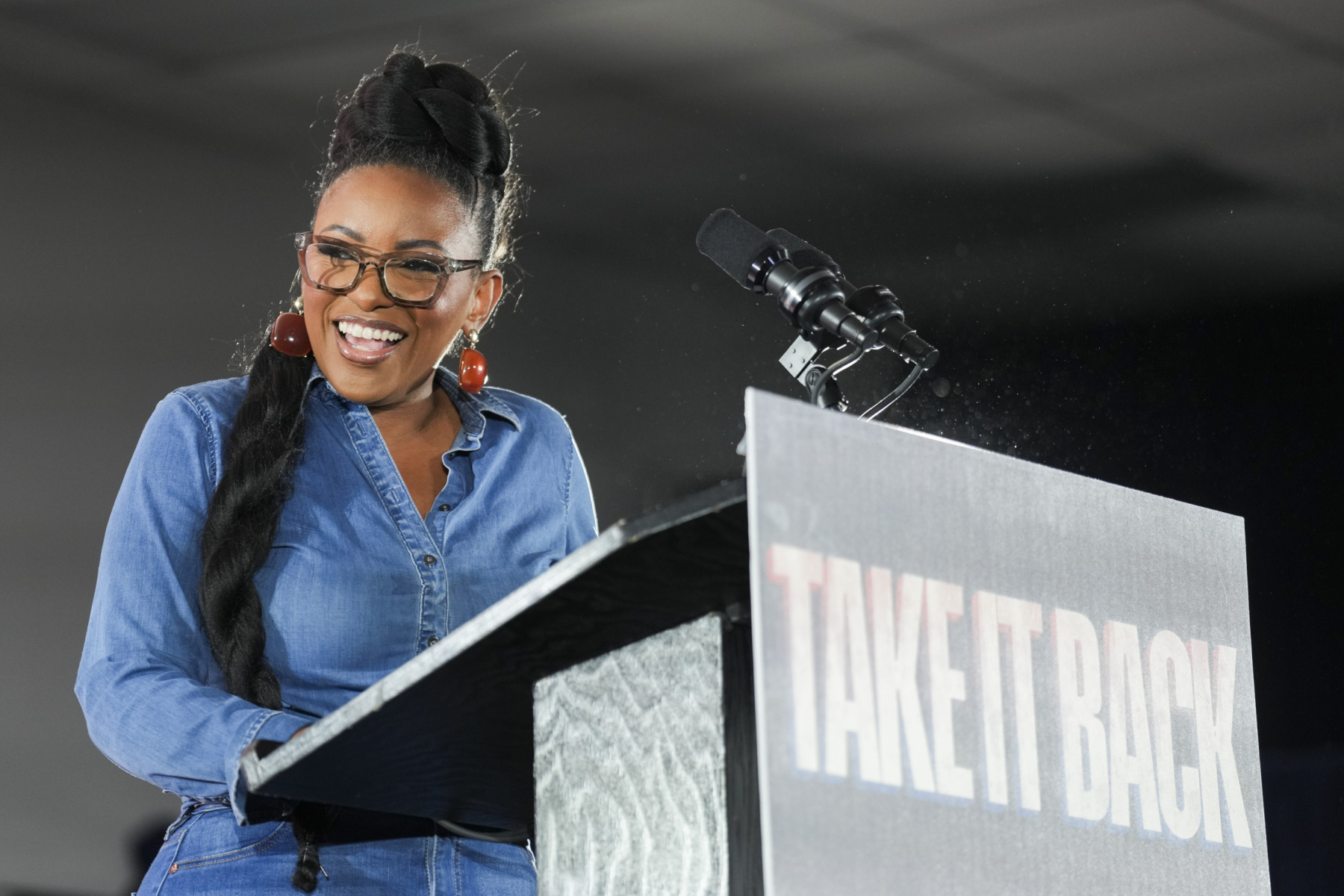
2026’s election season is heating up as Black women across numerous states seek to carry the mantle of leadership and representation in their communities. This surge of campaigns has the potential to make history and set a new record, considering that only five Black women have ever served in a Senate capacity in its history.
In 2024, Senators Angela Alsobrooks and Lisa Blunt Rochester made history by winning their respective states and becoming the first two Black women to hold the role simultaneously. Primarily, all Democratic candidates have hopes and momentum for a potential push forward for African Americans.
Pamela Stevenson of Kentucky
The state representative is seeking a Senate seat, which would have her replace longtime senator Mitch McConnell. As an Air Force veteran serving for over 20 years, her campaign trail has gained wide acclaim after becoming the first Democrat to formally launch a Senate campaign to succeed Sen. McConnell, who is retiring.
After announcing her campaign’s launch, some of her focuses have included healthcare access and public education. If Stevenson wins the Senate race, she would become Kentucky’s first Black member of Congress, first Black senator, and first Black female senator. Stevenson would also be the state’s first Democratic senator since the late 90s, when Wendell Ford served from 1974 to his retirement in 1999.
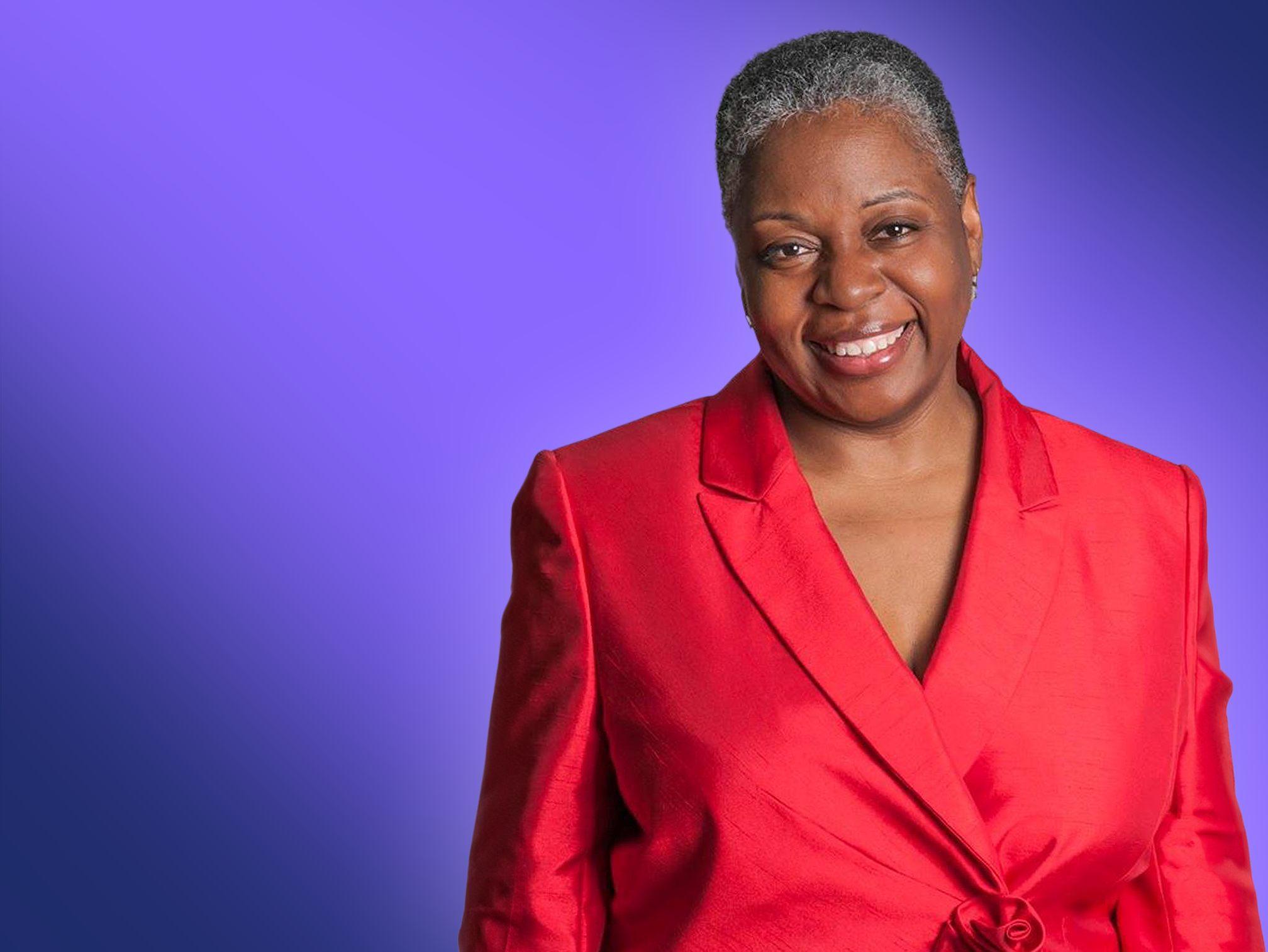
Priscilla Williams-Till
Mississippi’s very own is blazing her own campaign trail for a Senate seat in the Magnolia State as she sets her sights on service and justice for the future. As a cousin of Emmett Till, the young boy who was lynched in the state back in 1955, Williams-Till has emphasized that her purpose for running is tied to her desire to reshape the state’s legal structure to help combat systemic inequalities, discriminatory zoning laws, and police reform, according to the Mississippi Free Press.
She is also calling on the U.S. Department of Justice to release the unredacted files of her cousin’s case after decades of emotional strain and lack of full transparency for her family. Outside of the aforementioned categories, Williams-Till is also strongly advocating for health care, education quality, and clean water across the state, as parts of Mississippi have not had clean water as a result of decades-old pipe systems that have led to flooding and other equipment issues. As well as generational underfunding, as law officials in the state have allocated finances to other places and neglected areas impacted that are predominantly Black.
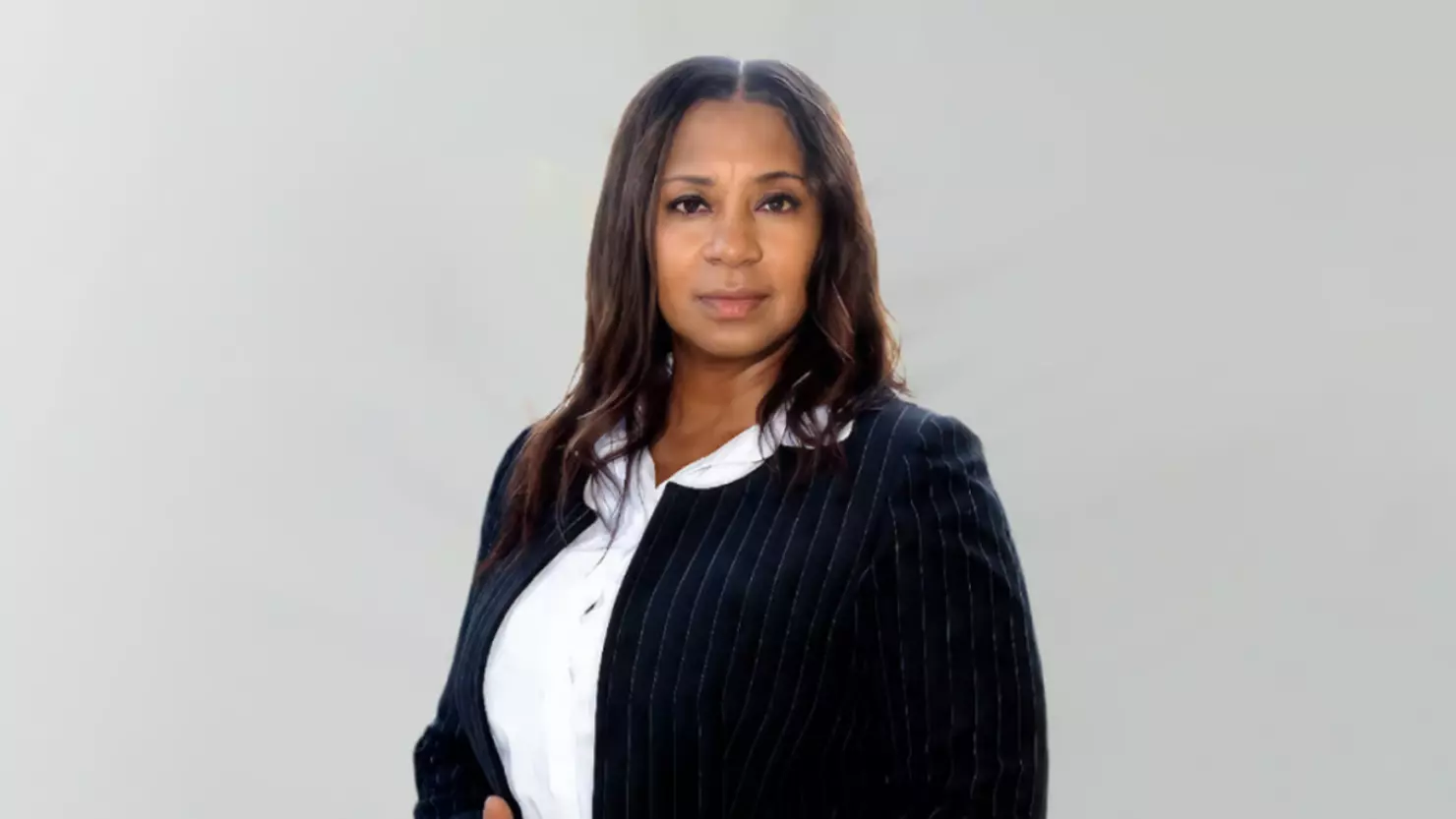
N’Kiyla “Jasmine” Thomas
As one of the youngest Black women running for Senate, N’Kiyla “Jasmine” Thomas is making a name for herself across Oklahoma as she goes against current Sen. Markwayne Mullin, as the state’s first potential Native and African American woman senator. She is also the first millennial in Oklahoma’s history to run for a Senate seat.
In an exclusive interview with EBONY, Thomas made it a point to emphasize that she’s approaching the opportunity from the lens of lived reality and not legacy politics. “I’ve had to navigate systems that were not built for me, raise children while this country makes decisions about their future without people like us in the room, and learn policy not from think tanks, but from survival. I’m not running to fit into the Senate, I’m running because the Senate hasn’t reflected people like me for far too long.”
Thomas is not only using her unique attributes to propel her campaign, but she’s also gaining support from millennial voters who have continued to show their strength in numbers. “Millennials aren’t showing up because someone mailed them a flyer. They’re showing up because they recognize themselves in this campaign,” she said. “They’re engaging online, asking real questions, bringing friends, showing up to events that don’t feel stiff or scripted.”
“If this moment does anything, I hope it tells the next generation that leadership doesn’t require permission, just courage, clarity, and the willingness to show up as you are,” she said.
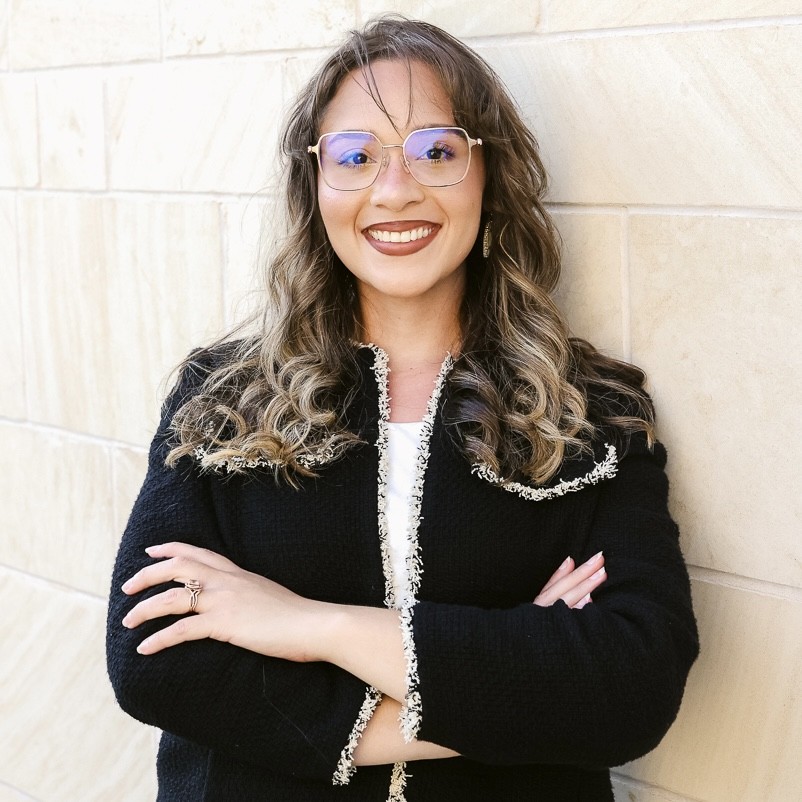
Catherine Fleming Bruce
The South Carolina native is going against current Senator Lindsey Graham for their state’s senate seat in hopes of making history by being the first Black woman to represent the state in the Senate. Some of her campaign’s primary focuses include democracy reform, energy policies that lower consumer costs, and worker protections, including a higher minimum wage.
She not only takes the campaign journey on with pride but with resilience as one of the few Black women pushing for the opportunity. “Part of the pressure that I feel comes from the desire to rekindle that hope, to see that spark return to the eyes of other Black women throughout our state. Women and girls who need to know that they can aspire to more than cheerleading for, getting out the vote for and supporting candidates,” she said.
She also noted one of the organizations she’s been supporting, Run Sister Run PAC, when it comes to creating pathways for other minorities seeking to step into political leadership roles. They provide training and support for political action while fostering a space of community.
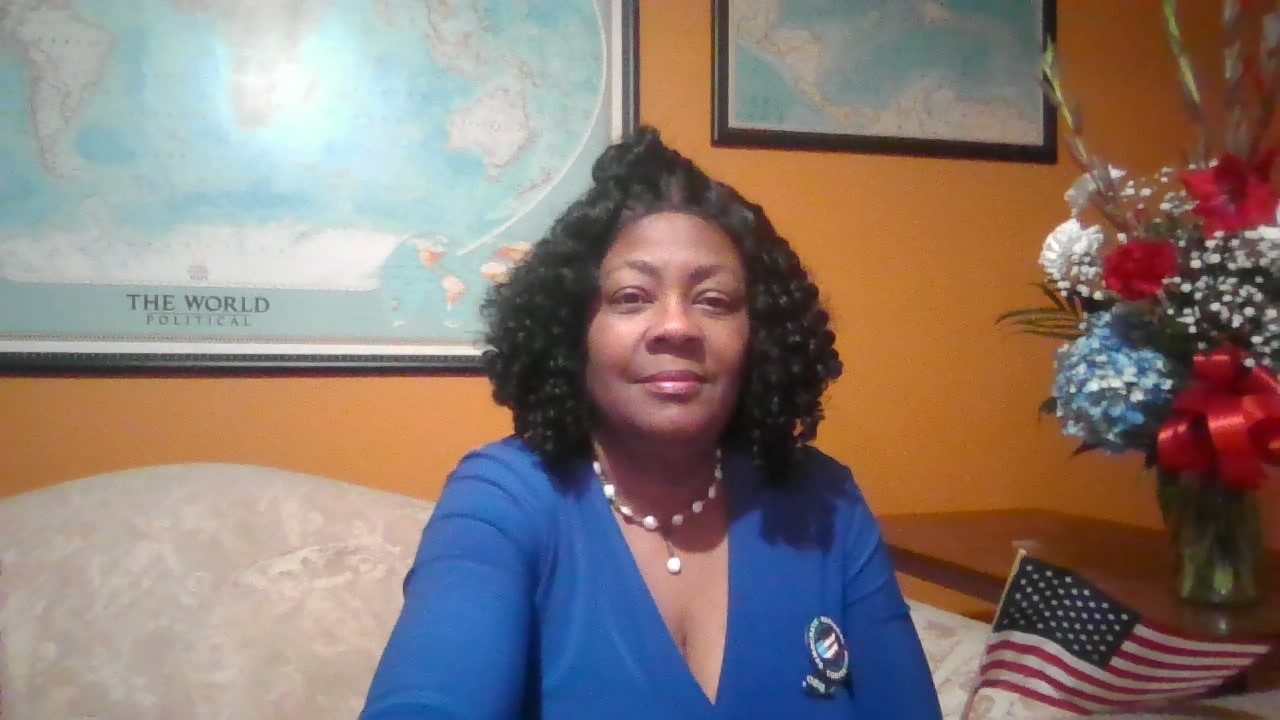
Juliana Stratton and Robin Kelly
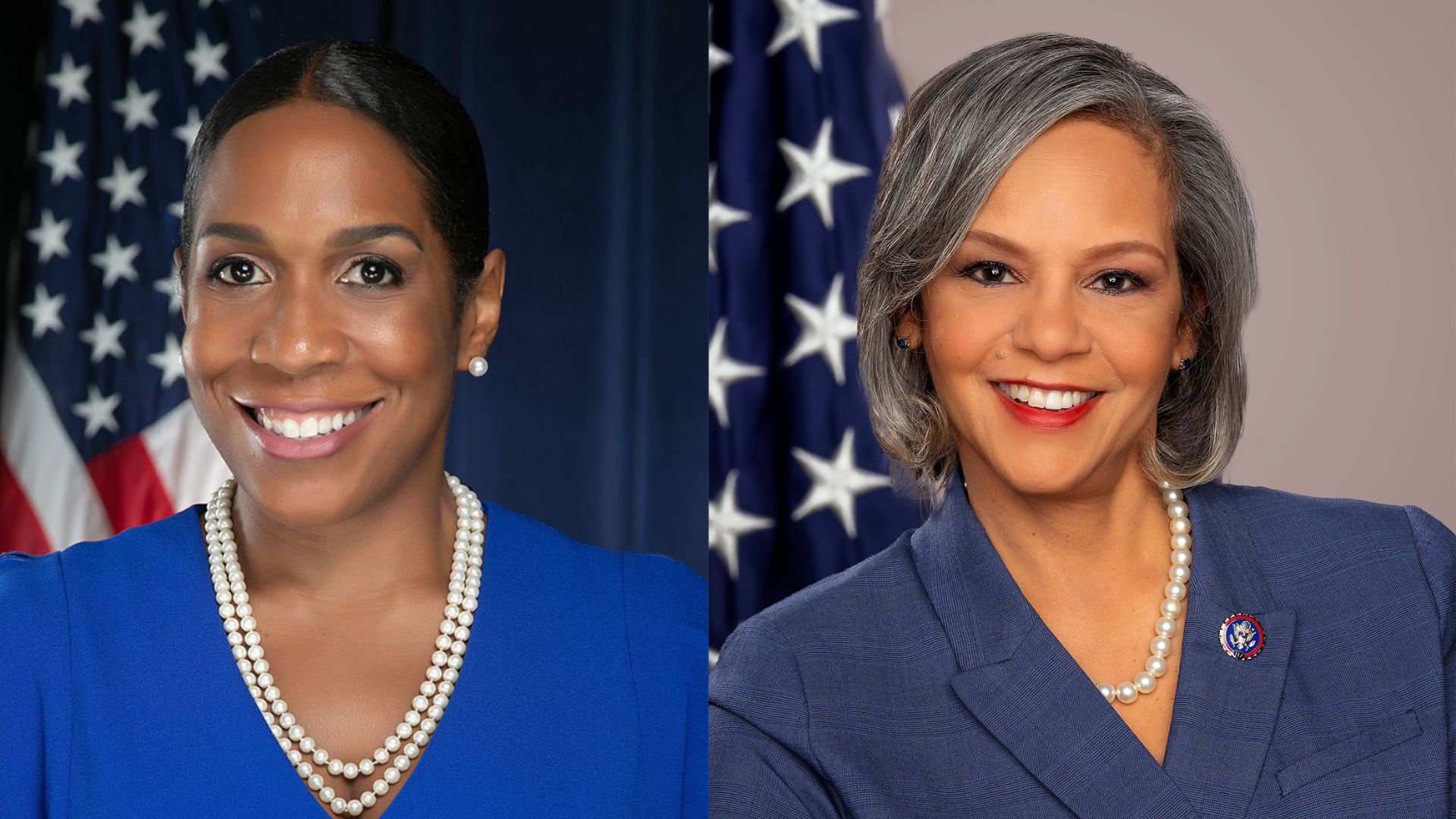
Two Black female candidates are going head-to-head for the Senate seat in Illinois alongside other Republican candidates as they all seek to replace Sen. Dick Durbin, as he retires. Lieutenant Governor Juliana Stratton and Congresswoman Robin Kelly both have similar areas they support, such as affordable health care, reproductive rights, and climate justice for their state. However, where they differ the most is in their respective backgrounds as it pertains to leadership and pathways.
Lt. Governor Stratton has built her campaign on being an advocate for the middle class while promoting affordable livelihoods through Medicare, the minimum wage, and policies that support citizens’ rights.
Meanwhile, Rep. Kelly has a similar approach to affordability but has added caveats, such as strengthening Social Security for senior citizens, reducing child care costs, and implementing tax minimums for those above a certain income threshold. If either candidate wins, they’d be the first Black female senator for the state of Illinois since the late 90s when Carol Moseley Braun was in the role.
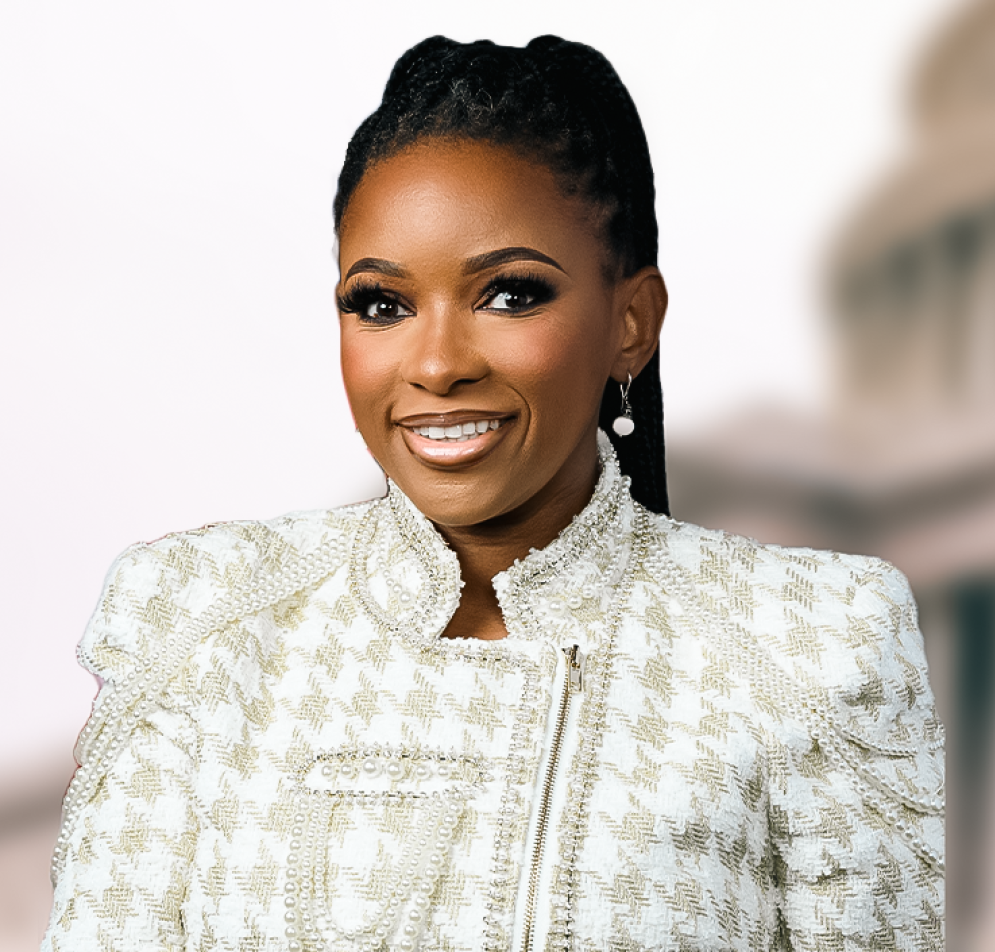
Jasmine Crockett
The congresswoman has made waves throughout the political arena primarily for her outspoken accountability of law officials and strength in going toe to toe with Republican leaders. After serving in Congress for the last few years and navigating Texas’ newly redrawn congressional district maps, she’s now setting her sights on a Senate seat alongside the aforementioned candidates.
Crockett is not only ready to challenge ‘business as usual’ quotas that exist, but also to address issues that Texas residents have been facing head-on. If she wins the Senate seat, she’d be Texas’s first Black senator.
Final decisions on each candidate will be made during the general elections in Fall 2026. To learn more about each candidate, their campaigns, and how to cast your vote in the Democratic primary race, voters are encouraged to research candidates in their area and to ensure they’re aware of their polling place and the times when the opportunity arises to vote.