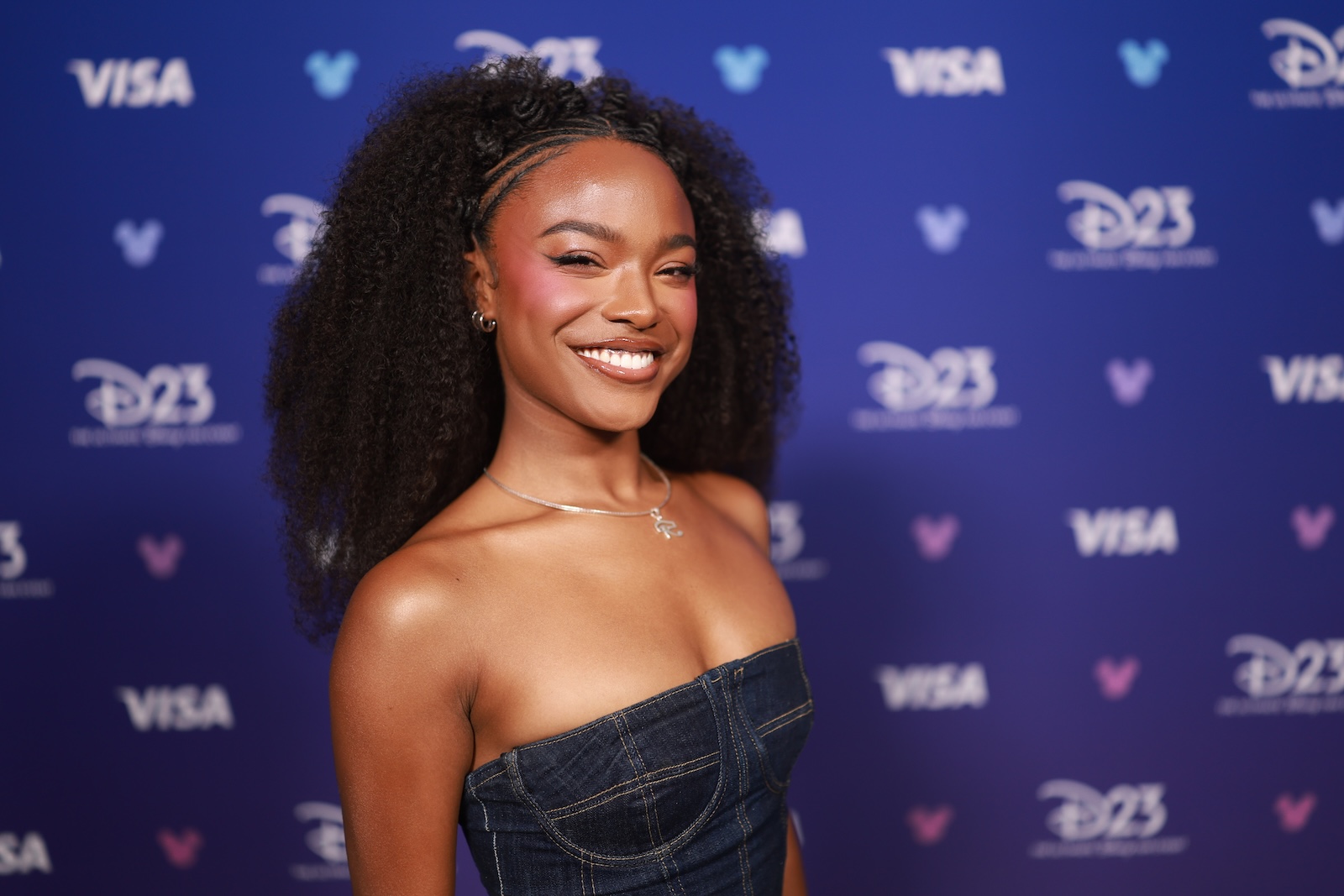
Black people on social media and internet message boards had been waiting for Marvel to cast Storm like the decision involved national security. For years, every rumor surrounding the MCU’s eventual X-Men reboot came with fancasts, debates and very specific requirements for who should inherit the white hair of Ororo Munroe. She needed presence, she needed to feel regal and Black fans repeatedly made one thing particularly clear: Storm needed to be played by a dark-skinned Black woman. Period.
That demand was never about disrespecting Halle Berry or Alexandra Shipp, both of whom have their own place in Storm’s cinematic history. It was about seeing a version of the character that reflected the beauty image generations of Black fans associate with Ororo. Storm isn’t simply Black. Her brown skin, white hair and distinctly African beauty have always been part of what makes her iconic. Enter Maya Boyd. The Broadway actress has officially been tapped to play Storm in Marvel’s next X-Men film, and from a beauty perspective, the casting understands something Black audiences have been trying to explain for years.
Storm’s beauty has always been about contrast. Brown skin against white hair. Bright eyes, gold jewelry, sculpted cheekbones and a cape dramatic enough to require its own wind machine. Ororo Munroe was giving beauty editorial decades before superheroes became fashion and beauty’s favorite source material. Against Boyd’s melanated complexion, Storm’s signature silver-white hair has the potential to look extraordinary. More importantly, her casting creates another opportunity for dark-skinned Black beauty to exist within blockbuster fantasy without being softened, lightened or made racially ambiguous.
Hollywood has historically been more comfortable positioning lighter-skinned Black women as romantic leads, universal beauties and objects of desire while darker-skinned women have too often been asked to represent struggle, strength and suffering. Storm disrupts that hierarchy simply by existing. She is powerful and glamorous. She has been worshipped as a goddess, been a queen and led the X-Men. Storm enters a room with Naomi Campbell closing-a-runway energy, where everybody else simply needs to adjust accordingly. That is why the conversation surrounding her complexion was never as superficial as matching an actress to a comic-book panel. Black audiences were protecting a particular beauty fantasy: the dark-skinned Black woman as the most beautiful, powerful and desirable woman in the room.
Boyd gives Marvel the canvas. Now its hair, makeup and lighting departments need to show out. Give Storm white hair that still speaks the language of Black hair, from braids and coils to sculptural updos, enormous Afros and impossible lengths. Give Boyd luminous brown skin rather than lighting her three shades lighter. Give us gold against melanin and cheekbones sharp enough to forecast their own weather pattern. Because cinematography is beauty work, too. Darker-skinned performers have spent decades being washed out or swallowed by poor lighting, especially inside effects-heavy movies. With Storm, her complexion should become part of the visual fantasy. Imagine blue-white lightning reflecting across brown skin, silver hair moving through a black sky and gold jewelry catching the light as she takes flight. That is a beauty image worthy of Storm.
And now that Hollywood finally has its new Ororo Munroe, perhaps it is time to stop treating Storm like she is simply another member of the X-Men and give the woman her own movie. A Storm solo film could be a celebration of Black beauty on a scale superhero cinema rarely gives Black women: African landscapes, incredible hair, rich brown skin, gold, jewelry, costume and beauty storytelling built around a woman whose appearance has always been inseparable from her mythology. Black audiences showed with Black Panther what can happen when a blockbuster gives us a world worth dressing up for, buying tickets for and collectively showing out for.
Storm deserves that same cultural moment. After spending years debating who should wear the white hair, Black audiences finally have their new Storm. Now give Maya Boyd the budget, beauty team and solo movie worthy of the goddess she is stepping into.