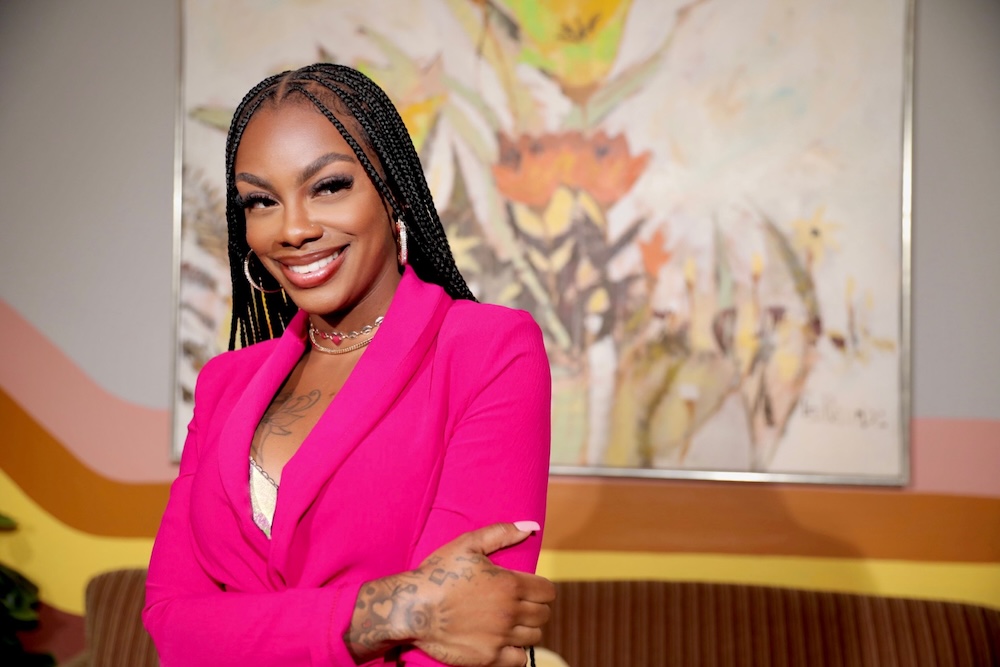
Jess Hilarious has never been one to sugarcoat the truth. From her viral Instagram sketches to appearing on Wild ‘n Out and now occupying a seat on The Breakfast Club, she has mastered the art of turning raw observation into comedic gold. But with the release of her highly anticipated new book, Til Death Do We Parent: Raising My Kid with His Dad, Jess is peeling back the layers beyond the punchlines and revealing her co-parenting journey.
In her memoir, Jess details the realities of raising a child while navigating the complexities of post-romantic relationships and achieving personal growth. In this candid account, you see Jess in ways you have never before.
EBONY spoke with Jess about the inspiration behind the book, The Breakfast Club’s move to Netflix, and how choosing peace was the best decision she ever made.
EBONY: How did growing up in Baltimore shape how you see the world?
Jess Hilarious: A lot of people always equate Baltimore with The Wire, drugs, and crabs. That’s all they give us [laughs]. But there’s some great talent there. We got some great history there. Harriet Tubman lived down the street where I grew up. We are Black excellence and Black greatness. My city trained me for adversity, and I’m very resilient. I grew tough skin from growing up in Baltimore City, and that’s how Jess Hilarious was born.
When did you first discover that you were funny?
When I used to do all my rants and all of that stuff, it came from me being around boys, a lot of uncles, and male cousins. I was a tomboy, so I hung out with my brothers and his friends. I was listening to them cut on each other all the time. So Wild ‘n Out was easy for me when I got a point in — you know what I mean. Like, I could cut the best of them. I learned that growing up in Baltimore City.
As a co-host of The Breakfast Club, you are a part of one of the most popular radio programs/podcasts in the country. How was it to transition to Netflix?
It’s a blessing to be on The Breakfast Club, a nationally syndicated show. It’s a blessing connecting with so many people and having the third chair at The Club after my girl, Angela Yee, was so great there for 15 years, and she got her own show. But since transitioning from YouTube to Netflix, we’ve been the number one podcast. It took a little time to get acquainted with it. I was one of those who was like, “Oh my God, how are we going to be able to engage with people?’ Because that’s what radio is. Now we can’t actively engage with them, because there’s no comment section on Netflix. It took a little bit to get used to. But I’m happy about it now. I got my little leg in the door, “I’m like, okay, where’s that comedy special on Netflix?
What led you to write ‘Til Death Do We Parent and be so honest about the challenges of co-parenting?
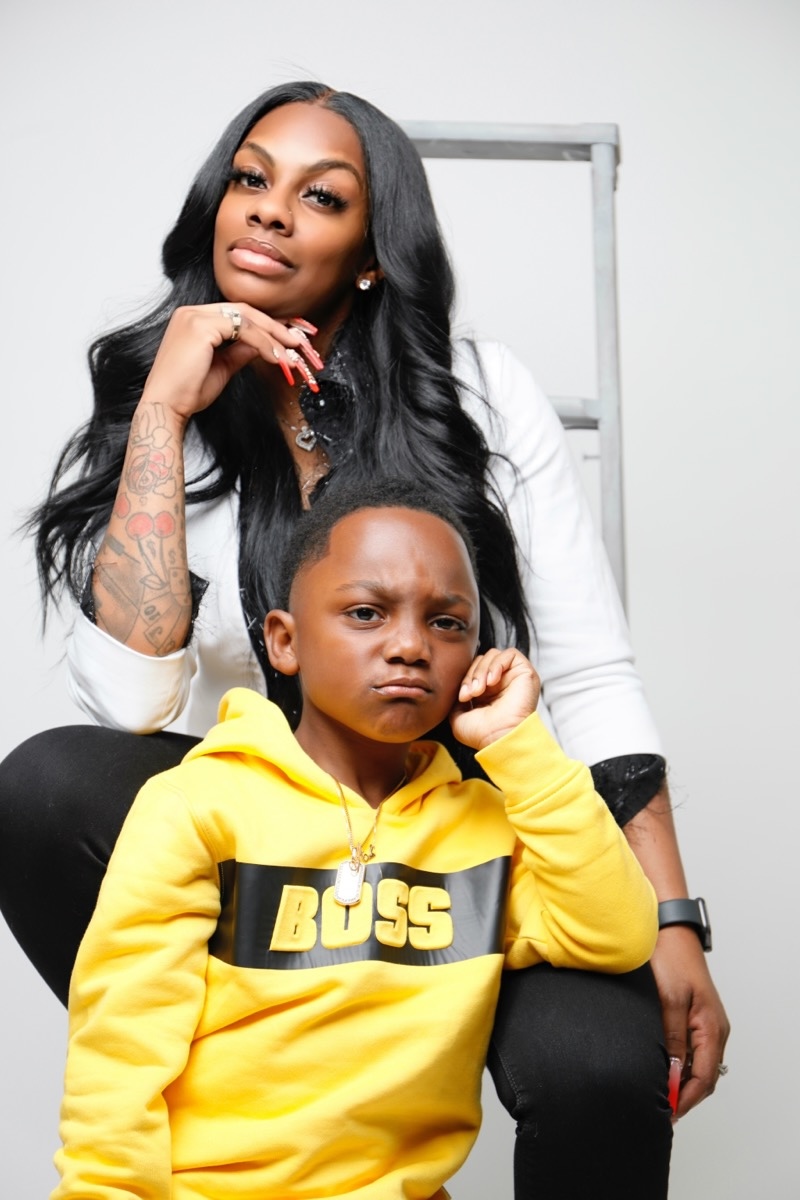
Before everything, I was a mom. I’ve been a mom since I was 20 years old. My son’s father, Jerome, and I had such a tumultuous, toxic relationship. Now we’re best friends, and that’s what the book talks about. I wanted to shed light on not giving up just because you didn’t make it in a relationship. There’s still some room for a beautiful bond with a co-parent after all of the manipulation and narcissism and cheating and all of that that I went through with Rome’s behind! It took a lot of therapeutic conversations, uncomfortable conversations, a lot of fights, a lot of going to jail, getting out, forgiving the baby daddy; him forgiving me, because I did some things wrong too. I take a lot of accountability in the book, and that’s how we got to where we are today. We are best friends. He is a big part of my son’s life.
Was there an unexpected moment as a mother that you can recall that affirmed your motherhood journey?
I didn’t want to be a mother even after the birth of my son. I didn’t want to be a mother until Ash was about six months old. I used to be ashamed to admit that. But many other mothers and fathers go through that. It wasn’t until I had a breakdown in my room one day, where I screamed at him, “Why did you choose me as your mother? Why would you choose me?” I was crying, and he gave me a little side smile like, “You’re doing too much.” I felt so much confirmation at that moment.
When did you discover that you and your son’s father had to be better so your child could flourish?
I chose peace. It’s very important to have a healthy co-parenting relationship for your child. For the first two years of my son’s life, I was upset with his father. I was trying to show up as the most bitter baby mom while still trying to be the best parent. And the two don’t coincide. And it bleeds into your child. Children are sponges, and they absorb all of your energy. Good, bad, disappointment, and frustration. They ingest all of that, and then they regurgitate it.
Lastly, what do you want people to take away from the book?
Parenting is a life sentence without the negative connotation. You are that child’s parent for life. I’m 34, married, a businesswoman, independent, but I still need my mother for stuff. I’ll call it in a second. I still need my father. I called him in a second. Also, I want women to know that they can have it all. There’s been such a stigma on hard-working business women having babies because it “slows you down.” Or you can’t accomplish certain things after you have a child.
I’ve been able to accomplish most of everything on my list. I may have slowed down, but it didn’t stop me. So we can have it all. I have my husband, my family, and I have a great career. I’m becoming a household name in stand-up comedy, and I’m on one of the biggest nationally syndicated shows and podcasts in the country. Now I’m an author. I come from very little. I was never homeless, but I didn’t come from a lot. West Baltimore City has taught me almost everything that I know about you. We can have it all.