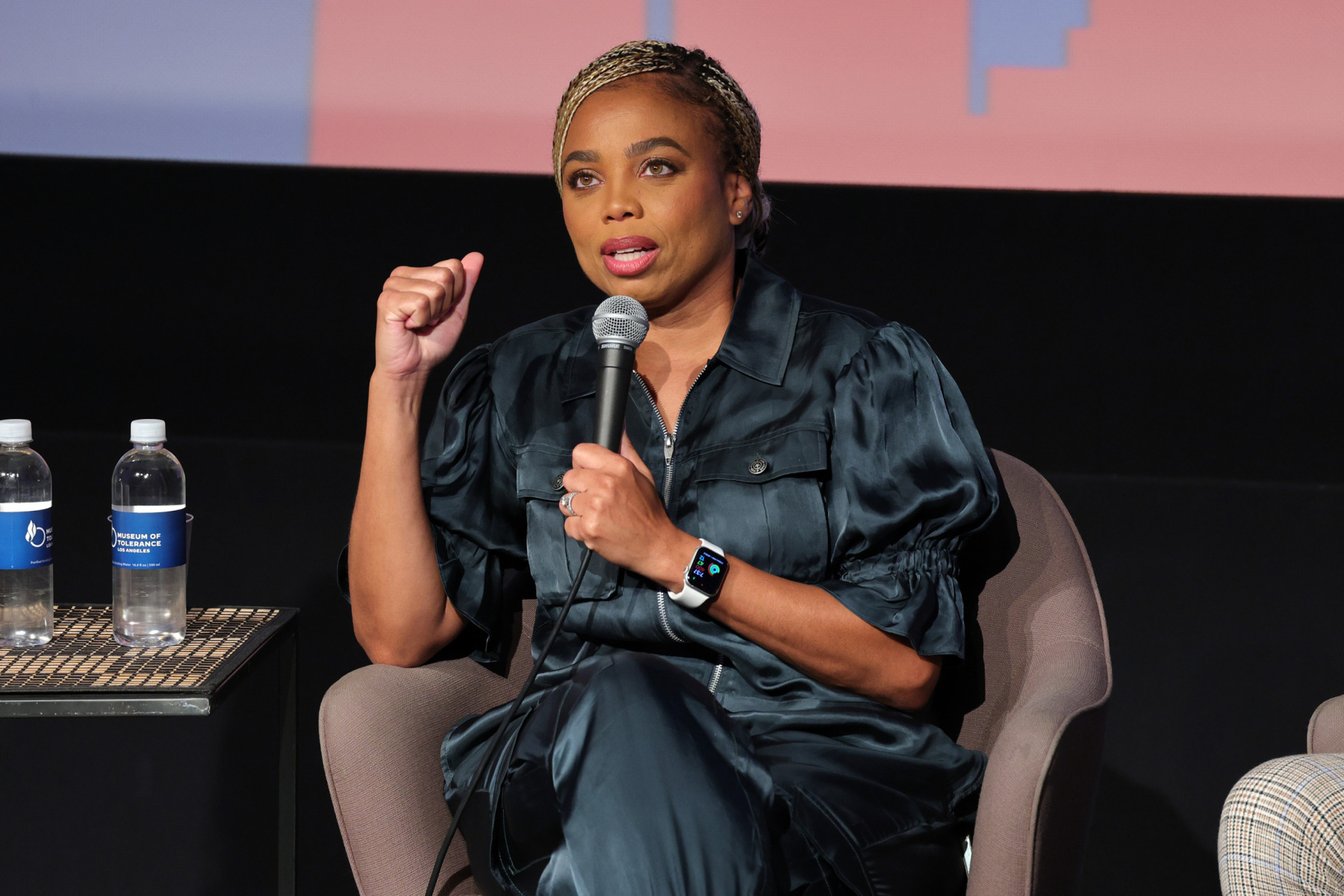
There is a sports betting boom happening right now in our culture, and VICE TV’s Out of Bounds series is taking a more detailed look at it this week. The latest episode, “The Sports Betting Boom,” features renowned sports and cultural commentator Jemele Hill, who takes the temperature on the state of sports betting as it relates to our culture. What’s revealed is a ton of insights on the state of our country, and how money can feed its ills.
What was once a taboo topic is now the talk of the town. You can liken the energy around sports betting to the legalization of recreational cannabis. In both cases, what was once largely scoffed at by society and happened to be illegal isn’t. Not only has its legalization helped society be more accepting of it, but corporations have found ways to monetize from it as well.
When asked about when she saw the shift in attitudes begin, when it came to sports betting, Hill stated that she “knew the shift would happen once the Supreme Court made it possible for most states to legalize sports gambling.” So with legalization continuing to spread around the United States, it certainly enthralls more people to begin gambling. But with so many people who are new to the space, you can bet your bottom dollar that a small percentage of them are ending up net-positive with their bets.
In fact, University Wire reports that less than 3% of sports bettors see any profits over six months. To be clear, the “boom” isn’t about most bettors coming out ahead—it’s about how many people are participating, how aggressively it’s marketed, and how normalized it has become in sports media and fandom.
In an NCAA-commissioned survey of 18–22-year-olds released in April 2023, reported betting participation by race/ethnicity was 54% among white respondents, 55% among Asian respondents, 63% among Hispanic or Latino respondents, and 68% among Black/African American respondents.

The clearest data points here aren’t that Black bettors “lose more,” but that sports betting participation is higher among Black young adults—and broader gambling research suggests risk can track higher in communities of color. Add in an increasingly saturated marketing environment, and the stakes for harm rise even further.
One can surmise that the lure of winning money is certainly a factor, but it isn’t the only factor as to why people gamble. From the fans to even active players, everyone has gotten caught up in it. This led Hill to mention that with this current boom, we are risking becoming “desensitized” to player involvement. That dynamic, coupled with today’s accessibility to gamble overtly, as a “recipe for disaster,” she said.
What makes this era different isn’t just legality—it’s saturation. Odds now live inside broadcasts, apps push constant boosts and limited-time offers, and betting language has become part of everyday sports talk. Even the phrase “risk-free,” which often means a bonus bet, not real cash back, shows how the business is designed to feel casual while keeping people playing.
With sports betting becoming more normalized, it has also increased the amount of vitriol fans spew. That’s due to their newfound personal investment in these games beyond just their emotions. Betting inherently makes you want to receive a return on your wager investment.
Hill stated that these evolved fans even have “new expectations on performance” of pro athletes. She went on to say that “a lot of the fans who gamble can’t afford to gamble.” A foundational reason why fans get involved to this point is due to a culture that Hill says this country has become amazing at curating. She alluded to the Powerball lottery in many states, and the sentiment that “it can happen to you overnight.” That’s the sort of ideal that has hooked so many people. The Unbothered host referred to this mechanism as a “psychosis.” And there’s no doubt that corporations and the government at large have looked to leverage that.
This leaves the question about checks and balances. Should there be other initiatives in place to help support consumers and reduce harm, aside from providing hotline numbers? Hill says yes. But she believes that we haven’t seen much motion towards that direction because “people don’t look at sports gambling, like they do other addictions.”
“We all understand a drug addiction, an alcohol addiction, even a sex addiction. But a sports gambling one, to be more specific, people underestimate, and still consider it harmless,” she said. One unfortunate result of that is that those who are suffering from this addiction aren’t empowered to get any help.
If there is any remedy to helping those who struggle with sports betting, Hill thinks that it can be accomplished through approaching these issues as a public health crisis. If sports betting is being treated like a mainstream hobby, Hill’s point is that the safeguards should be just as mainstream. “We can put the proper warnings on things and provide the proper guardrails that will help people deal with the inevitable consequences of the fallout from it,” she said with distinction.
VICE TV’s Out Of Bounds: The Sports Betting Boom, is available on VICE TV.
If you or someone you know may be struggling, the National Problem Gambling Helpline is 1-800-522-4700, and in many states, you can dial 211 to be routed to local support.