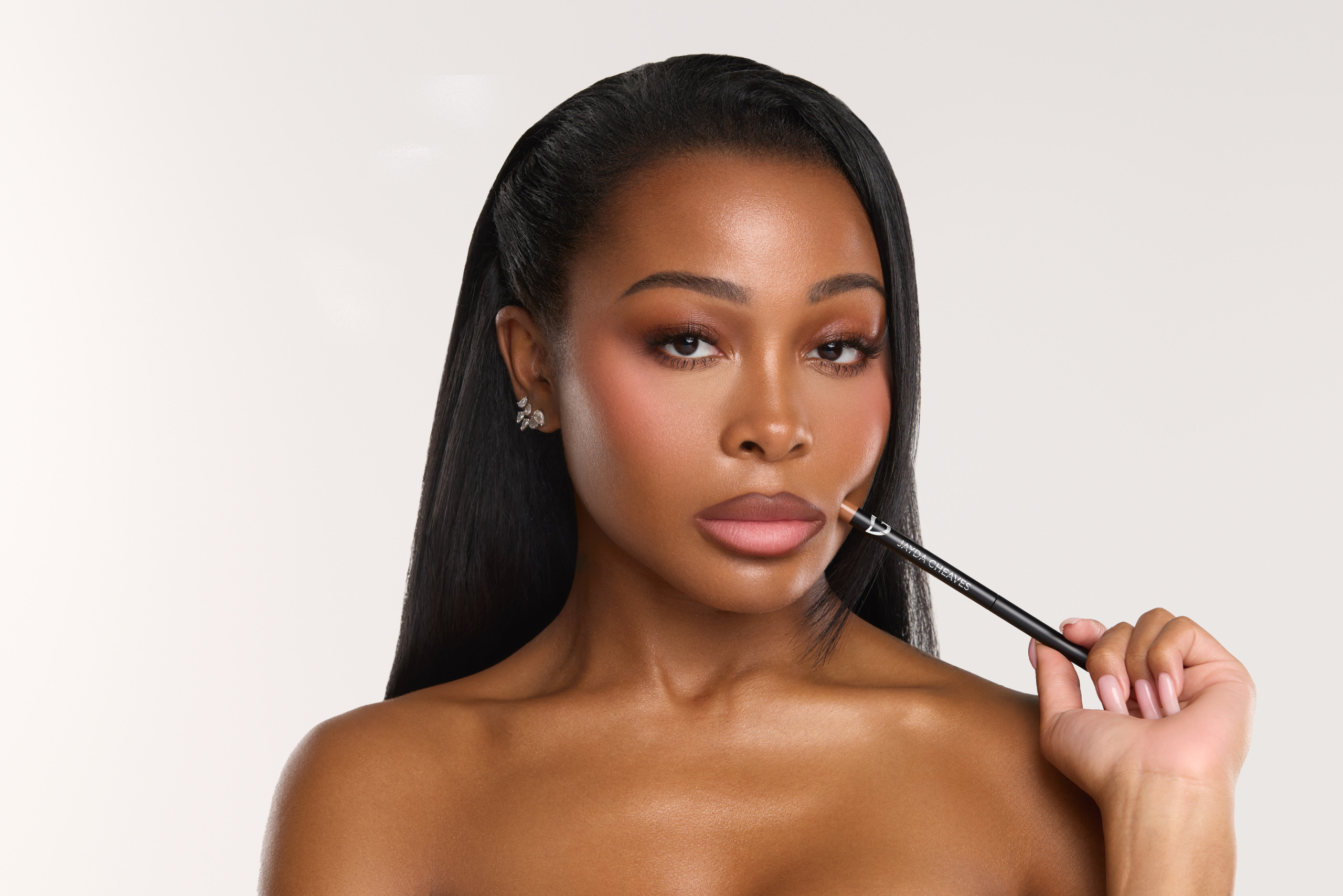
Before Jayda Cheaves had a portfolio of successful brands, a multi-million-dollar audience or secured representation by a major talent agency, WME, she had a compelling instinct. She understood that consumers weren’t simply buying a product; they were buying into the overall brand persona and perspective behind it.
“I understood that people buy from people they trust. I wasn’t just selling clothes — I was selling myself, my taste, my energy,” Cheaves told EBONY, reflecting on the entrepreneurial foundation she developed as a teenager. “I think a lot of people underestimate how powerful authenticity is in business. At 16, I didn’t have a business plan, but I had a connection to my audience that money can’t manufacture.”
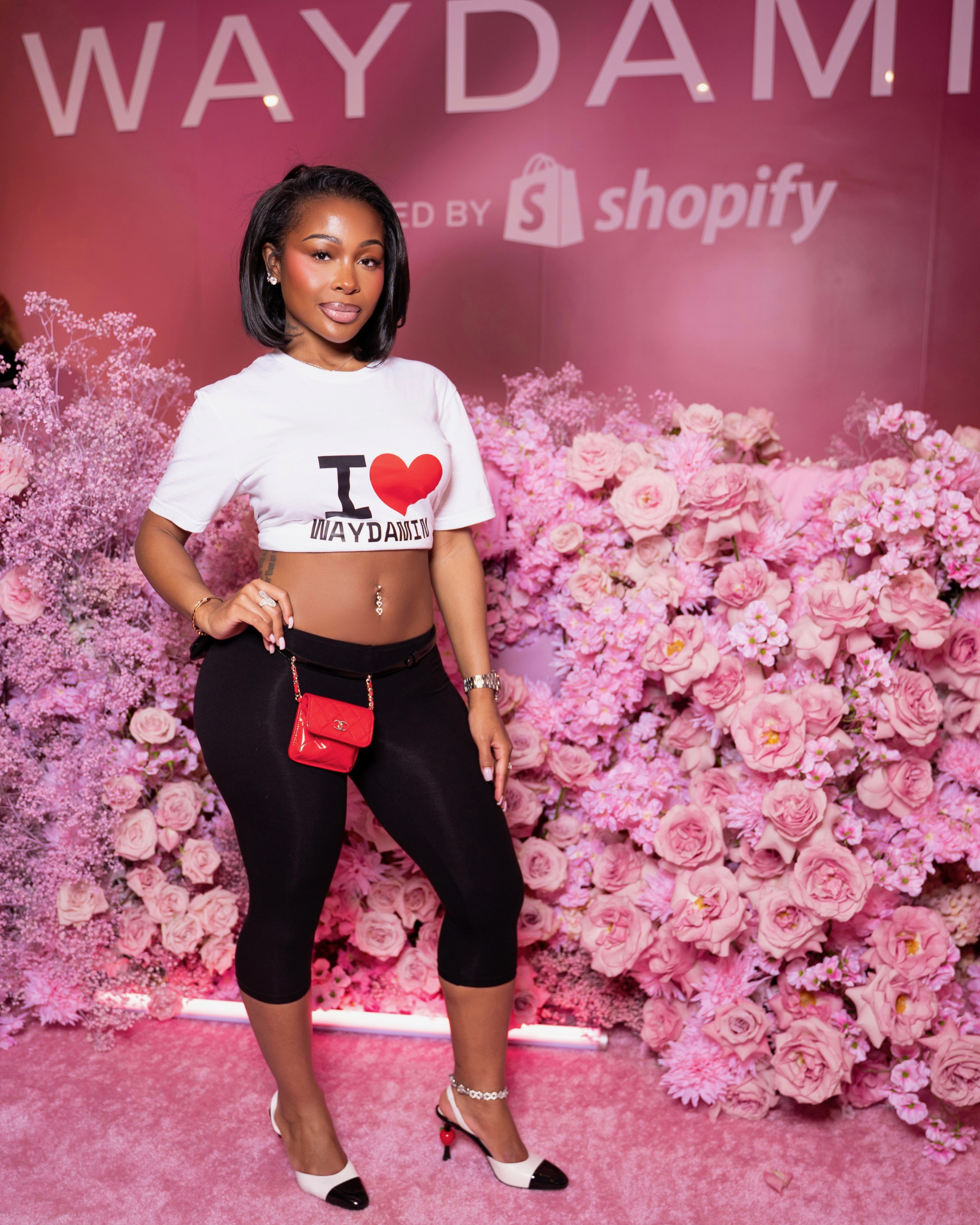
More than a decade later, the Savannah, Georgia native has transformed that connection into an expanding business portfolio spanning fashion, beauty and personal care. The scale of Cheaves’ growing portfolio became tangible this summer when her businesses converged in New York City during Juneteenth weekend. The Waydamin x Shopify pop-up brought Waydamin, JCB, Girl Wipes and other elements of Cheaves’ businesses into an immersive experiential activation in SoHo. An exclusive VIP evening preceded the three-day consumer pop-up, allowing invited guests an early look before the experience opened to fans.
Through Waydamin, Jayda Cheaves Beauty, Fidele Clothing and Girl Wipes, Cheaves has moved far beyond the traditional definition of an influencer. Today, she’s thinking like a founder and owning her own business as she continues to invest in herself. However, she is also quick to dispel the idea that there was always some meticulously constructed blueprint.
“Honestly, it was more figured out than intentional,” Cheaves said of her evolution. “I knew I wanted to make money and I knew I had something — but I didn’t have a roadmap. I was just a girl with a vision and a lot of drive. The businesswoman I am today came from doing, failing, learning, and refusing to quit,” she continued. “The intention was always there. The strategy came with time.”
That strategy has grown more sophisticated as Cheaves’ businesses have expanded. One of her most consequential lessons came from recognizing that generating impressive sales figures didn’t necessarily translate into building sustainable wealth. That distinction now shapes how she views entrepreneurship.
EBONY: You’ve talked about learning when to pivot. What was the moment you realized you couldn’t keep doing business the way you had been?
Jayda Cheaves: When I started seeing the gap between what I was making and what I was keeping. Revenue doesn’t mean wealth. I had to stop operating reactively and start building intentionally — with structure, with systems, with a real team. That shift didn’t happen overnight, but it was necessary.
Cheaves has spent much of her public life in the new digital era where visibility itself can be monetized. A large social following can produce brand partnerships, appearances and promotional opportunities. But for Cheaves, being compensated for her influence eventually wasn’t enough. She wanted the equity it created.
What does ownership mean to you now versus when you were just promoting products?
Everything. The difference between promoting someone else’s brand and owning your own is the difference between renting and owning a home. When you promote, you build someone else’s equity. When you own, every dollar you make comes back to you. I’ll never go back to just being the face of someone else’s idea.
What’s one lesson about money or ownership you wish someone had taught you at 16?
That revenue is not profit. I made a lot of money before I understood what I was actually keeping. Learn the difference early. It changes everything.
Do you see yourself as part of a larger shift in how Black women are approaching entrepreneurship?
Absolutely. There is a whole generation of Black women done just being the marketing strategy for other people’s companies. We’re the founders now. We’re the owners. And we’re building generational wealth in real time. I’m proud to be part of that wave, but I’m also focused on making sure the women behind me have an even cleaner path.
Did bringing all your brands together change how you think about your portfolio?
Yes — it made me realize how much stronger they are together than apart. There’s a woman who buys Waydamin and uses Girl Wipes and wears JCB lip gloss. She’s the same woman. I started thinking more about building an ecosystem around her instead of treating each brand like a separate business.
How important has your audience been in helping you build these businesses?
They’re the reason. My community told me what they needed before I even knew I was going to build it. They’ve been my focus group, my investors, and my biggest advocates all at once. I listen to them — not just the comments but the purchases, the DMs, the energy. That feedback loop is the most valuable asset I have.
You’ve built Waydamin, JCB, Fidele, and Girl Wipes across completely different categories. What connects them?
Me. My standards. Every brand I’ve built solves a real problem for a real woman — usually a problem I experienced myself. The thread is always the same: quality, authenticity, and ownership. I’m not just putting my name on things. I’m building brands I actually believe in.
What did entering feminine care teach you?
That women are underserved in the most intimate categories of their lives. Nobody was talking about what you use on the most sensitive part of your body with the same level of scrutiny we give to skincare or makeup. Girl Wipes changed that conversation. And I’m proud of it.
What have you learned building a brand around an everyday need versus fashion or beauty?
Everyday need products build habits. Fashion builds desire. Both are powerful, but the loyalty curve is different. When someone uses your product every single day, the relationship with your brand goes deeper than any trend could.
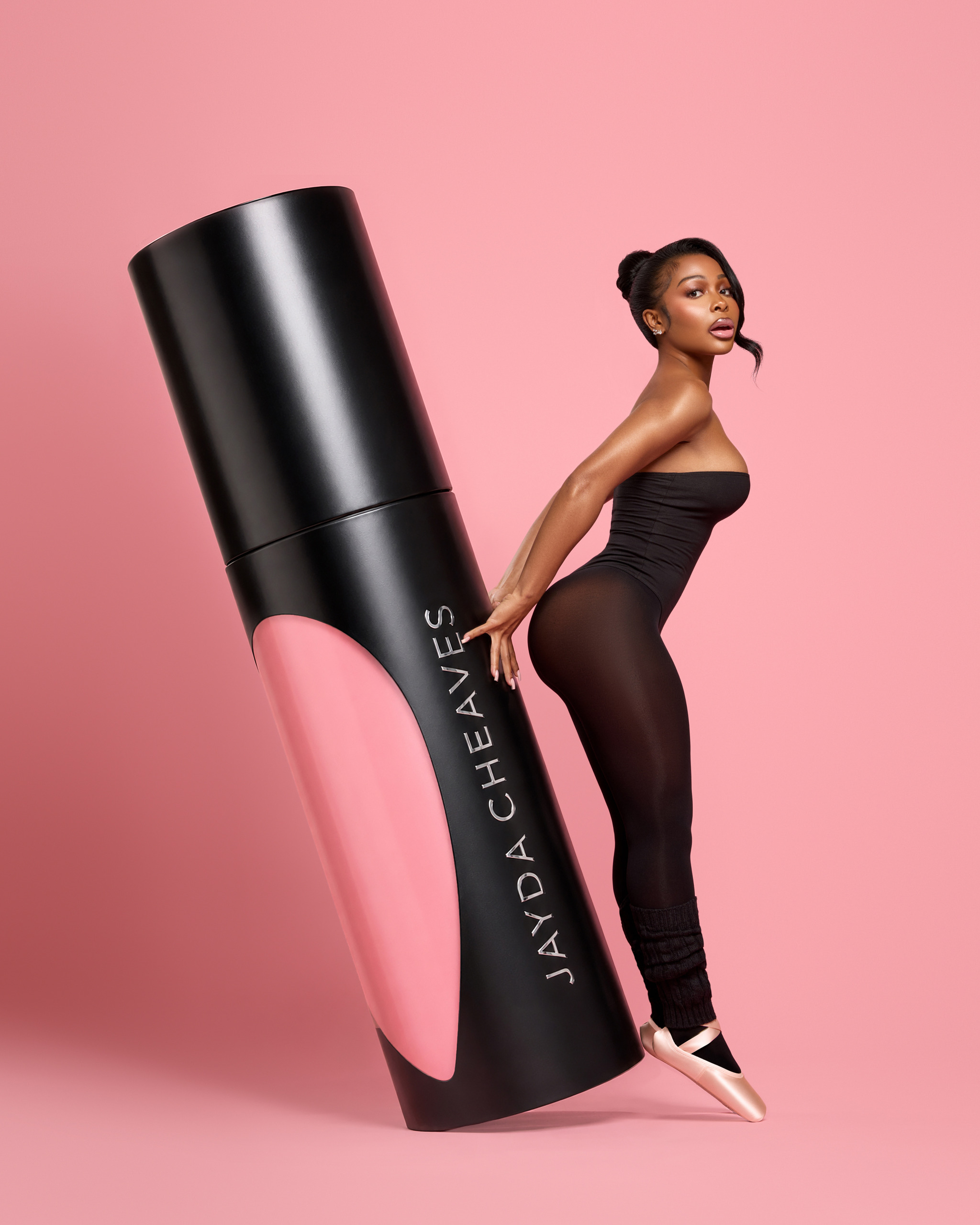
What did the two-year development process for JCB teach you about patience?
That the shortcut is always the most expensive route. I could have launched faster with a lesser product. I didn’t. And because I didn’t, the product actually reflects my standards. Patience in business is not passive — it’s strategic.
Why was it important for you to be so hands-on with JCB?
Because my name is on it. I don’t get to hide behind a label. If something isn’t right, that’s my reputation on the line. I’m in the formula meetings, the shade discussions, the packaging reviews — all of it. That’s what it means to actually own a beauty brand versus just license your name to one.
What does the next chapter of JCB look like?
Expansion — more skin, more fragrance, a wider shade range. But done intentionally, not just because we can. Every new SKU has to actually serve the woman I’m building for.
What did it mean to bring Waydamin, JCB, and Girl Wipes together under one roof in SoHo with Shopify?
It was surreal. I’ve spent years building these brands separately, in different categories, with different teams — and to see them all in one room, in Soho of all places, with my customers walking through the door? I cried. I’m not even going to pretend I didn’t. It was proof that the vision was real.
What made this the right moment to sign with WME?
I had built enough on my own that I knew exactly what I needed help with. Signing with an agency before you have leverage puts you at their mercy. Signing with one after you’ve already built gives you the ability to direct the relationship. The timing was intentional.
What do you want WME to help you unlock?
The rooms I haven’t been in yet. The partnerships that require a seat at a different kind of table. I’ve built the foundation — WME helps me build the skyscraper
What’s the hardest part of being the face of every business you own?
There’s no off switch. When you’re the brand, you’re always on. The personal and the professional are permanently blurred. Learning to protect my private life without disconnecting from the public one has been one of the hardest things I’ve had to figure out.
What’s something about being a CEO that social media will never show?
The weight of it. The decisions that keep you up at night. The moments where everything is on the line and there’s nobody to call — you just have to figure it out. Social media shows the wins. It doesn’t show you sitting alone working through something that could break the whole thing.
What’s the biggest misconception about your success?
That it was overnight. People see the result and miss the years of quiet, grinding, failing, pivoting, and rebuilding that got me here. Nothing about this was fast.
What did you have to sacrifice to become who you are?
Time. Privacy. The version of myself that needed everyone’s approval. Building at this level requires a kind of focus that costs you things. I’m at peace with those costs now.
When you think about legacy, what comes to mind first?
Loyal. Everything I’m building is ultimately for him. The brands, the wealth, the example — it all comes back to making sure he has something real to inherit and build on.
Do you feel a responsibility to show other Black women that entrepreneurship is about ownership and wealth?
Every single day. Not just showing it — proving it. Numbers, ownership stakes, equity. Not just a pretty brand page. Real ownership. Real wealth. That’s what I want the next generation of Black women to inherit as the standard.
What does “Jayda Wayda” mean to you today versus when you first started?
When I started, it was a persona. Today it’s a legacy. It’s evolved from a nickname to a brand (waydamin – wait a min) to something that represents a whole movement of women who built something from nothing and didn’t apologize for it.
You’ve proven you can turn attention into sales. Now that you’ve built the businesses — what do you want to prove next?
That I can build lasting wealth. Not just revenue — generational, compounding, institutional wealth. I want to prove that a Black woman from Savannah who started selling clothes at 16 can build an empire that outlasts her. That’s the next thing to prove. And I’m already working on it.
What do you want people to say about Jayda Cheaves 10 years from now?
That she built something real. That she did it her way. That she made it easier for the women who came after her. That’s enough.