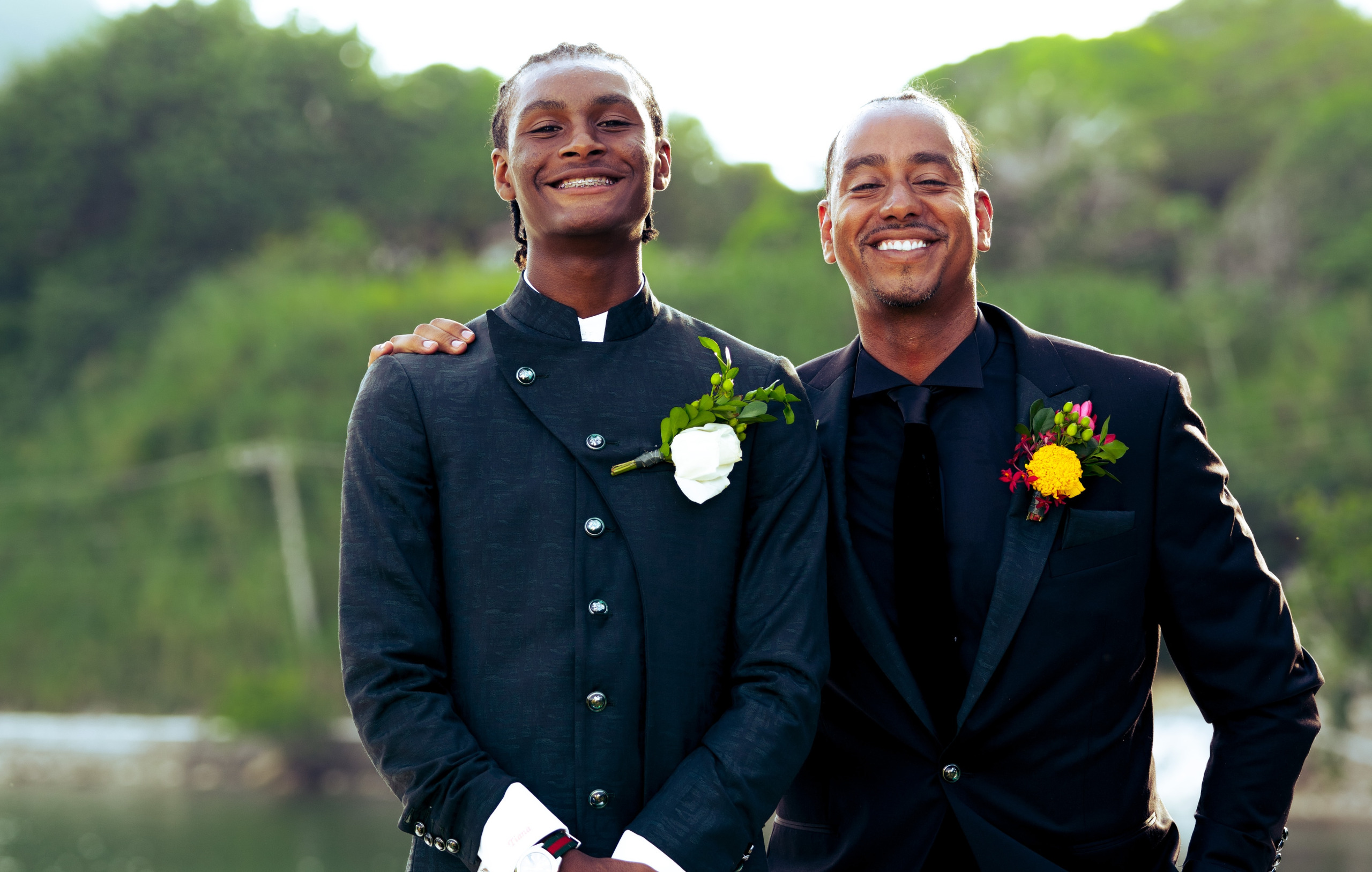
My son had already gone back to college when J. Cole released The Fall-Off. He left two days early because of a winter storm in Atlanta — the kind that shuts a city down and quietly reminds you how little control you actually have.
At this stage of fatherhood, our communication has shifted. We don’t talk every day anymore. We check in. The love is assumed now, not announced. I don’t hover. He knows where I am. Pops is present when needed.
The night the album dropped, he FaceTimed me around 11:30. We fell into a familiar rhythm of dissecting album expectations, revisiting the now-dead subject of how Cole bowed out of the battle, and most importantly, debriefing college life. It was one of those conversations that settles you as a parent. The kind that lets you know you didn’t raise a dummy. Deciding for himself that empathy is a power tool, and Cole would rather build than destroy.
At midnight, we said our goodbyes.
“I’m about to bump this,” we both said.
I listened alone and felt something close to completion. Not just for Cole, but also for myself. After nearly two decades of watching an artist wrestle with his legacy, pressure, and self-definition, the album landed honestly. No spectacle. Not chasing a single. Just a man finishing his sentence. Sticking an honest landing after all the industry somersaults.
The next morning, I went to the gym early for the first workout of a 75 Hard challenge I’d committed to. With a clear mind and disciplined spirit, I listened again, this time less analytically. Favorites started forming. Sitting in my car afterward, the hip-hop discourse was already very loud — opinions, verdicts, think pieces trying to define what the album meant.
I had my own take: How the real battle on this album was a much harder one to win. The battle is with the toxic ideologies that have clung to hip-hop since its inception; how his personal decision became a story arc perfect for marketing the album’s theme, falling off.
But somewhere between the gym and the noise, I arrived at something deeper.
My son texted me at 11:39 a.m.
“NGL, I cried.”
I asked where.
“’Ocean Way’ lol. Perfect send-off song. In class now, I’ll call later.”
That’s when it hit me.
This wasn’t just an album release; it marked the release of my control as a father.
For me, The Fall-Off wasn’t only the culmination of J. Cole’s career. It felt like the culmination of my fatherhood — at least one version of it.
My son was born in 2007, the same year J. Cole dropped his introductory mixtape, The Come Up. I drew a parallel with Cole’s obsession over crowns, inheritance, rightful heirs and my namesake. The last heir to the Reyes name — which means Kings in Spanish. I didn’t clock it then, but I can feel it now.
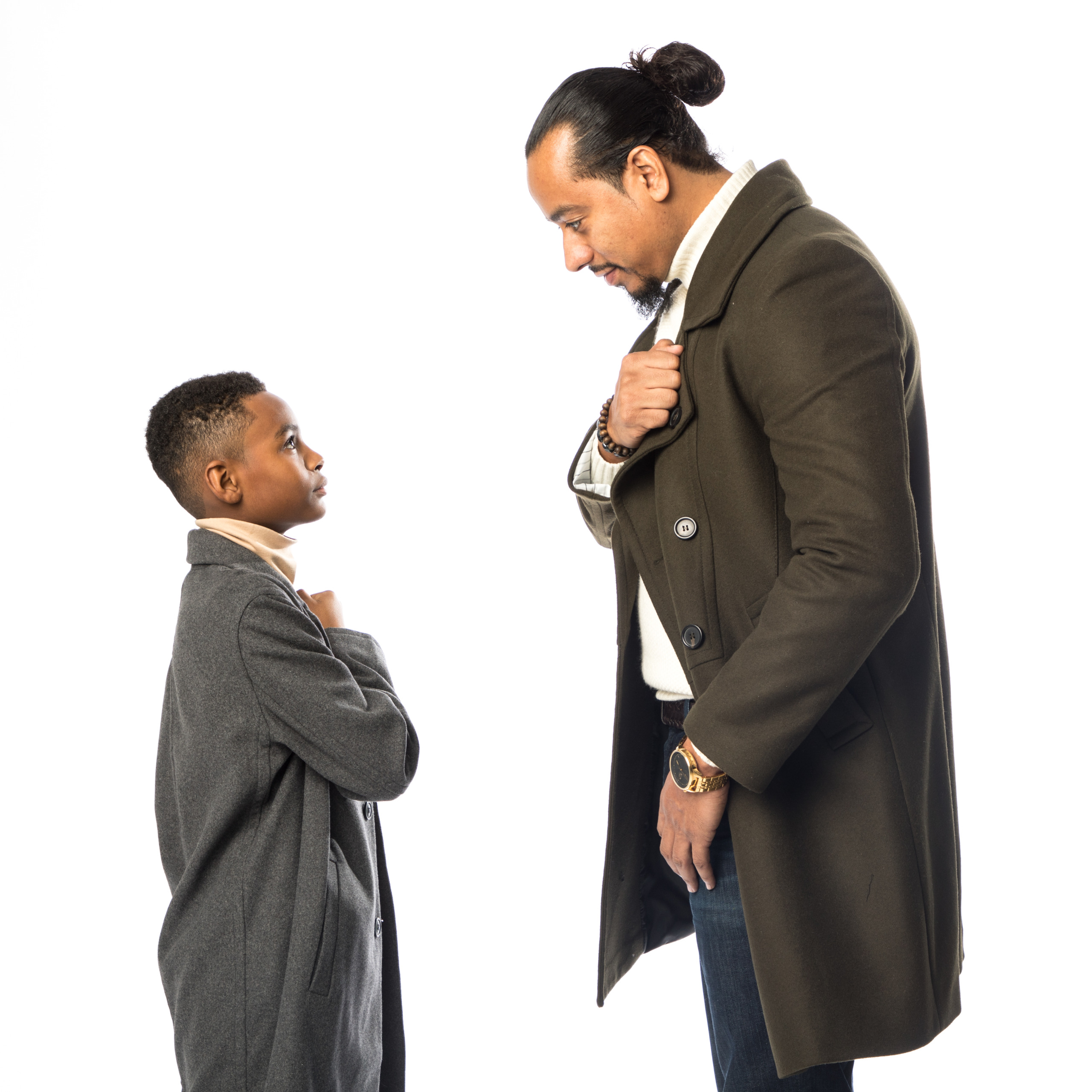
Two years after my son was born, I was divorced, raising him and his baby sister with joint custody. Life moved fast. There were diapers, broken arms, snowstorms, Lucky Charms, Ensure supplements. Long nights. Early mornings. In my downtown bachelor pad in Baltimore’s Inner Harbor around 2010, I’d shoot pool while my toddlers ran wild, J Cole’s Friday Night Lights bumping in the background.
This newcomer was laying down the soundtrack of their childhood.
As the albums kept coming, so did the memories.
Miguel and J. Cole’s “All I Want Is You” playing while my kids sang along, blissfully unaware of the lyrics. “Crooked Smile” echoing through the house when Born Sinner dropped. Road trips back to the Bronx with my son rapping “Power Trip” word for word, while my daughter screamed the intro like it was a family ritual.
These were more than songs; they were timestamps.
I can trace my fatherhood through Cole’s catalog the way some people measure their lives by homes or jobs. Every album has at least one song tied to a memory with my kids. Hip-hop became our language and soul tie; both a Rosetta Stone and a bridge.
So when my son texted me that he cried, I was first proud of the admission, and I understood what The Fall-Off really represented. Cole releasing his final studio album felt like my son stepping fully into adulthood. The album of his childhood had ended.
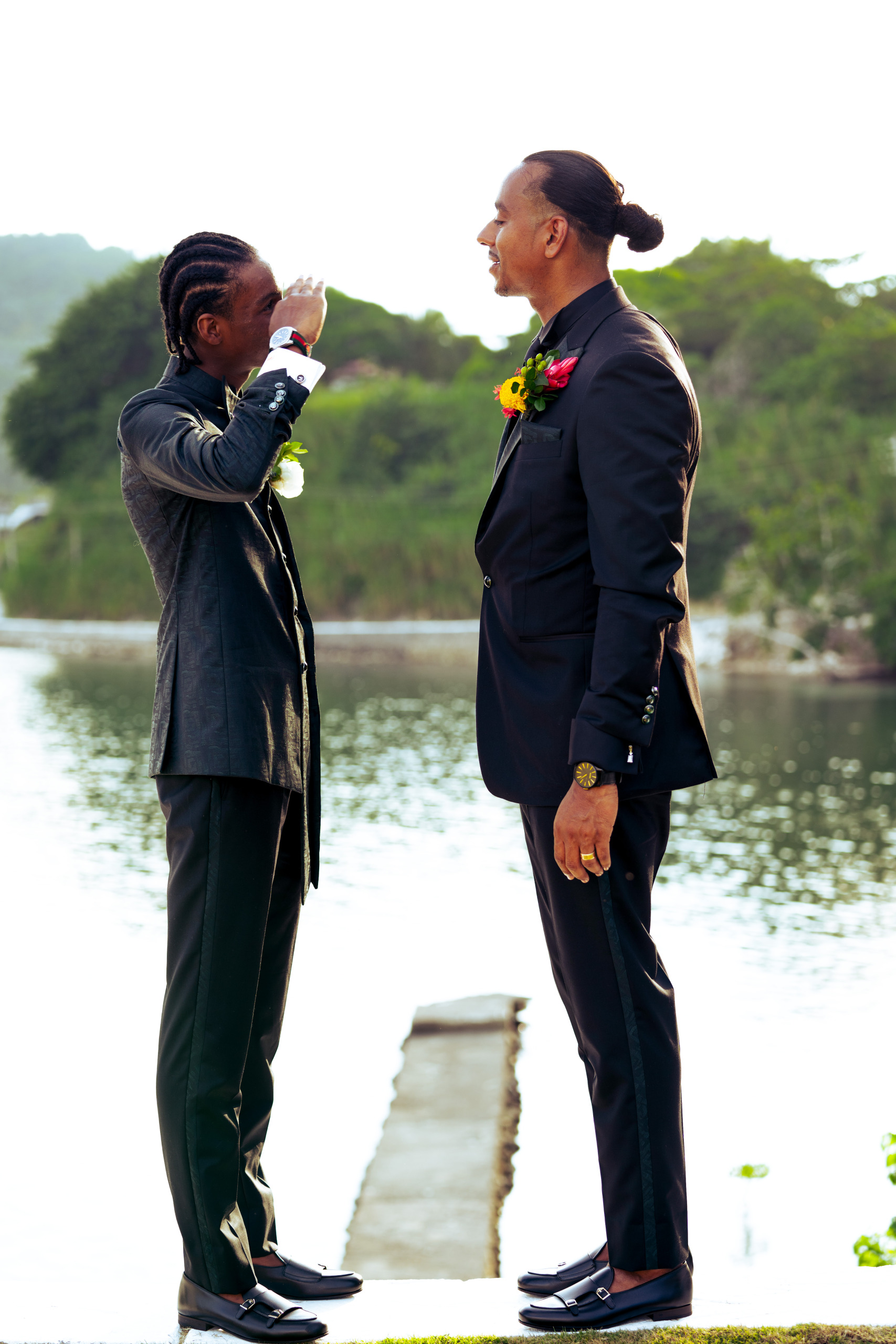
The same way Cole will always be a rapper, my son will always be my son. There may be features here and there — visits, check-ins, workouts. But something essential has shifted. The conversations carry more weight. His presence carries more weight. Even the weight we lift at the gym is heavier.
I can see where he’s maturing. I can also see where he’s holding onto the last threads of childhood. That liminal space, the true definition of a college kid.
And me?
I’ve fallen off, too, in my own ways.
Off child support — never missed a payment.
Off the illusion of being a superhero in the eyes of a child.
Off the center of his frame.
I fell off the version of fatherhood where my job was to protect and provide. Now it’s to present and advise. This pill is harder to swallow than pride; it’s acceptance. Accepting that the decision is his to follow any of the lessons I taught.
I wish my son the best in this next chapter. I wish the same for J. Cole. His transparency and musical integrity have raised the consciousness of more kids than he’ll ever meet.
My son included.
As he closes out his catalog, it feels appropriate to say it plainly:
It’s A Boy; if you know, you know.
And now, the album of his childhood is complete.