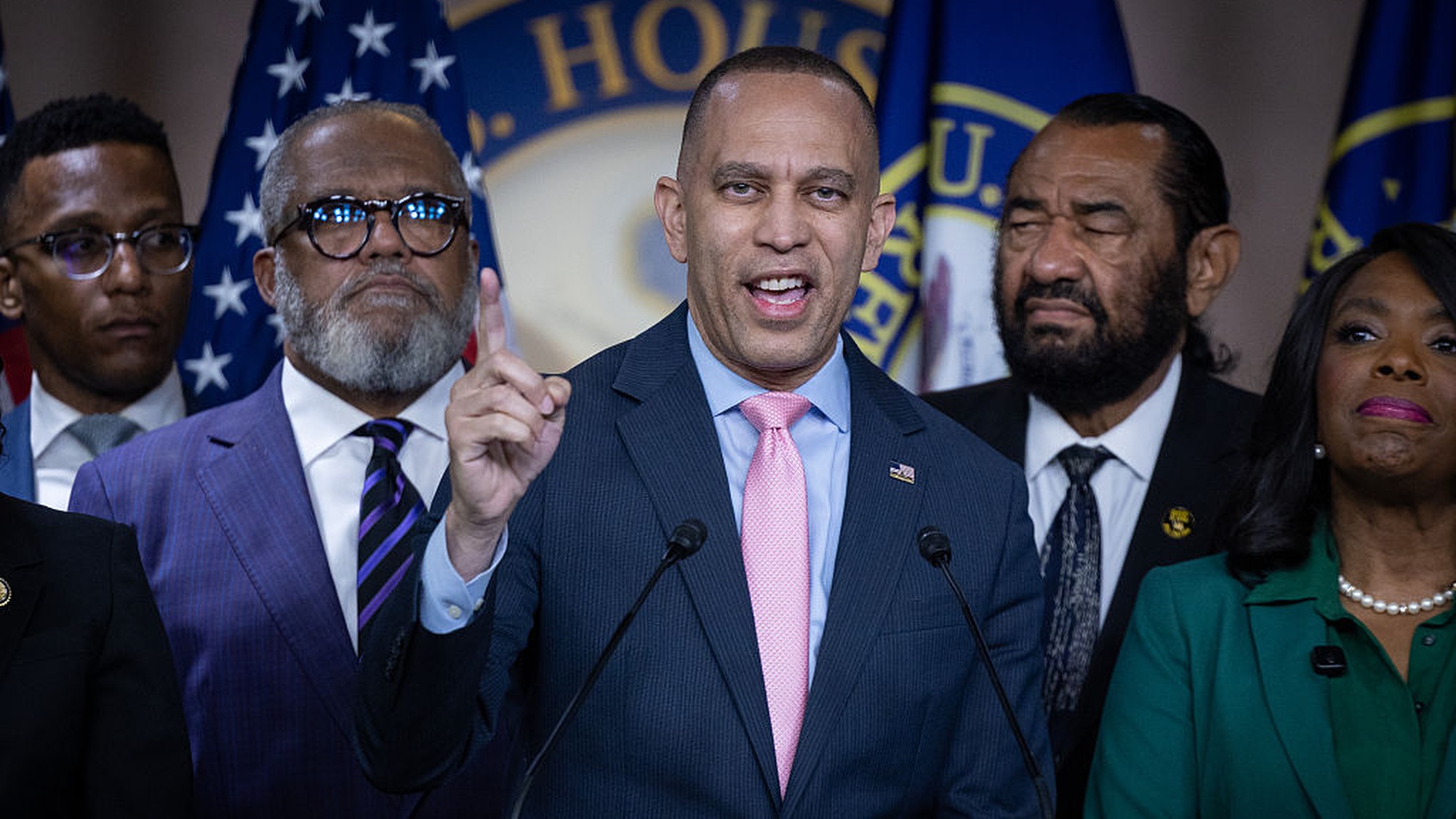
What started as a 6-3 voting decision in the Louisiana v. Callais case has now become a potential nationwide shift, as many civil rights groups gear up to protect congressional seats and minority representation in future elections. Voters and voting advocates across the country are flagging their concerns with the Supreme Court’s latest decision to do away with Section 2 of the 1965 Voting Rights Act, which directly protected minorities against racial discrimination in voting practices.
This decision is also prompting the redrawing of Louisiana’s current congressional map after a predominantly Black district is no longer included. Redrawing congressional maps makes minority communities more susceptible to voter suppression and voice stifling if not properly executed. With the midterm elections beginning in the south as early as next week, there is little to no time to do a full overhaul of the new maps to be drawn properly.
According to PBS, since the Supreme Court ruling, Louisiana has now moved to cancel its primary elections after legal officials say the court’s decision doesn’t allow the state to carry out the election under the current district map. Early voting was initially supposed to begin this Saturday. Republicans argue that the redraw adds a district and is considered racial gerrymandering, which is not only unconstitutional but exclusionary. Democrats and minority voters are advocating for it to remain due to historic exclusion in voting practices.
While district maps are typically redrawn every decade, under the Trump administration, there’s been an uptick in change as more legislation gets changed and introduced to shift voting traditions that citizens are accustomed to.
Under the Voting Rights Act, states are mandated to maintain a “majority-minority” structure to ensure that minority communities can exercise their voice. However, under the new Supreme Court ruling, this will be harder to maintain under the newly drawn maps. The map redrawing and redistricting also has the potential to remove minority representation in Congress. Many organizations and voters are also arguing that officials shouldn’t be allowed to change the primary election date so close to the date. The Brennan Center in particular has continued to advocate against voter suppression in minority communities and believes that the court ruling is allowing states to lean on partisan practices over racial equity.
“With this ruling, the Court has completed its decades-long work to effectively demolish the Voting Rights Act. Today’s ruling likely leaves this landmark law a hollow husk. The Court’s majority claims to have left Section 2 of the Voting Rights Act standing, but it in fact will encourage less transparent and less representative districts. This ruling allows racial discrimination if it also serves overtly hyperpartisan interests,” said The Brennan Center’s president and CEO, Michael Waldman, in a press release in response to the ruling.
At this time, it is unclear when the new voting cycle will be held, as primary elections scheduled for mid-May have been officially postponed, as confirmed by Attorney General Liz Murrill and Governor Jeff Landry. However, they are still under the same construct as other states for participation in November’s general election cycle, assuming the map’s redrawing will be completed and ready to execute.