
Pull that chair back up. We need to have another conversation about Project 2025.
On Thursday, November 12, Microsoft’s Outlook went down. The following day, a malfunctioning router in the nation’s aging air traffic control system forced a nationwide ground stop. By Monday, United Airlines was unable to get flights off the ground for approximately 90 minutes because of a widespread system outage.
That same day, Chase attributed its own disruptions to a software bug rather than a cyberattack, while other banks reported similar problems. Then Tuesday brought another troubling development when the National Security Agency’s classified internal network went offline.
Within five days, five major systems experienced failures, and the public was repeatedly assured that none of it was the result of a cyberattack.
That may very well be true, but “trust us” is not an explanation. Chase says a software bug caused its outage. Two anonymous sources attributed the NSA’s disruption to routine system patching, while the FAA’s investigation remains ongoing. Much of what we know about these incidents comes directly from the institutions responsible for the systems that failed. And if history has taught us anything, it is that institutional assurances should never be mistaken for institutional accountability.
There is also no established evidence connecting these outages to federal staffing reductions, and that distinction matters. Still, when the institutions responsible for oversight and accountability are being systematically diminished, the public has fewer independent voices to turn to when something goes wrong.
That is what remains most troubling. Every system failure requires people with the expertise to identify the problem, restore operations, investigate its cause, and prevent it from happening again. Someone must also determine whether a disruption was truly accidental or the result of something more serious. Yet for nearly two years, this administration has been reducing the capacity of federal agencies responsible for precisely that work, following a policy blueprint that made many of those intentions clear long before the cuts began.
EBONY has examined this trajectory before. Our first story invited readers into a conversation about what Project 2025 proposed and what those policies could mean for Black families. The second, published less than 100 days into the administration, documented how those proposals were already becoming policy and asked a question that remains relevant today: What are we going to do?
Nearly two years later, we have moved beyond speculation. We can now examine what the blueprint proposed alongside what the administration has actually done.
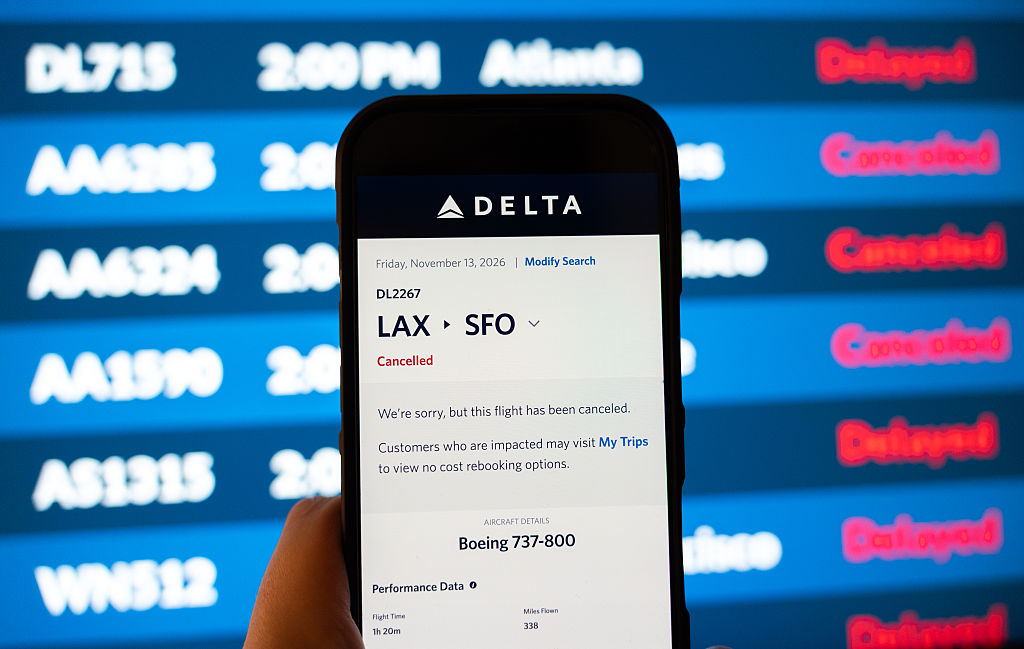
The Skies
What they said. Project 2025’s transportation chapter argues that the FAA is “the only modern Civil Aviation Authority (CAA) in the world that does not assess fees for its services.” Its proposed solution is straightforward: “Require the FAA to operate more like a business.” The document also recommends that the agency “get out of the R&D business,” “separate the ATO from the FAA and relocate it to separate headquarters outside the District of Columbia,” and replace aviation taxes with “fees for air traffic services paid directly to the ATO.” The ATO, or Air Traffic Organization, is the division responsible for operating the nation’s air traffic control system.
What happened. Just weeks after the deadly midair collision near Reagan National Airport in January 2025, the administration began terminating probationary FAA employees. Transportation Secretary Sean Duffy maintained that fewer than 400 employees were dismissed and that “zero air traffic controllers and critical safety personnel” were affected. However, the union representing FAA technicians said its members had been terminated.
Then came November 13. According to Aviation Week, a router being replaced during an upgrade from copper wiring to fiber began “flooding other routers” throughout the air traffic control system, as Duffy described it. L3Harris, a private contractor responsible for managing the FAA’s telecommunications backbone since 2002, was performing the work. Duffy pointed to either “contractor error or a faulty piece of equipment,” although the investigation into the root cause remains underway.
If the goal is to make the FAA operate more like a business while transferring greater responsibility to private industry, what happens when private work on essential public infrastructure brings the country to a standstill? Before we surrender more responsibility for our skies, the public deserves clarity about who remains accountable when those systems fail.
The Networks
What they said. Project 2025’s Homeland Security chapter describes the Cybersecurity and Infrastructure Security Agency, commonly known as CISA, as “a DHS component that the Left has weaponized to censor speech and affect elections.” The document argues that “a conservative Administration should return CISA to its statutory and important but narrow mission” and recommends moving the agency to the Department of Transportation.
What happened. CISA has not been transferred to the Department of Transportation, but its workforce and responsibilities have been significantly reduced. One year into the administration, at least 998 employees had resigned, been laid off, or been transferred, representing more than a third of the agency’s workforce, according to Cybersecurity Dive. Its election security program was frozen, its team eliminated, and federal funding withdrawn from the network that helps state and local governments exchange information about cybersecurity threats. Defending these decisions before Congress, the agency’s acting director argued that “capability is measured by outcomes, not head count.”
The NSA has also experienced substantial reductions. Nextgov/FCW reported last December that the agency had reached its goal of eliminating approximately 2,000 positions in 2025 through terminations, voluntary departures, and deferred resignations.
None of this establishes that staffing reductions caused the NSA’s network outage, and suggesting otherwise would go beyond the available evidence. What it does establish is that these disruptions are occurring as the federal government’s cybersecurity workforce shrinks.
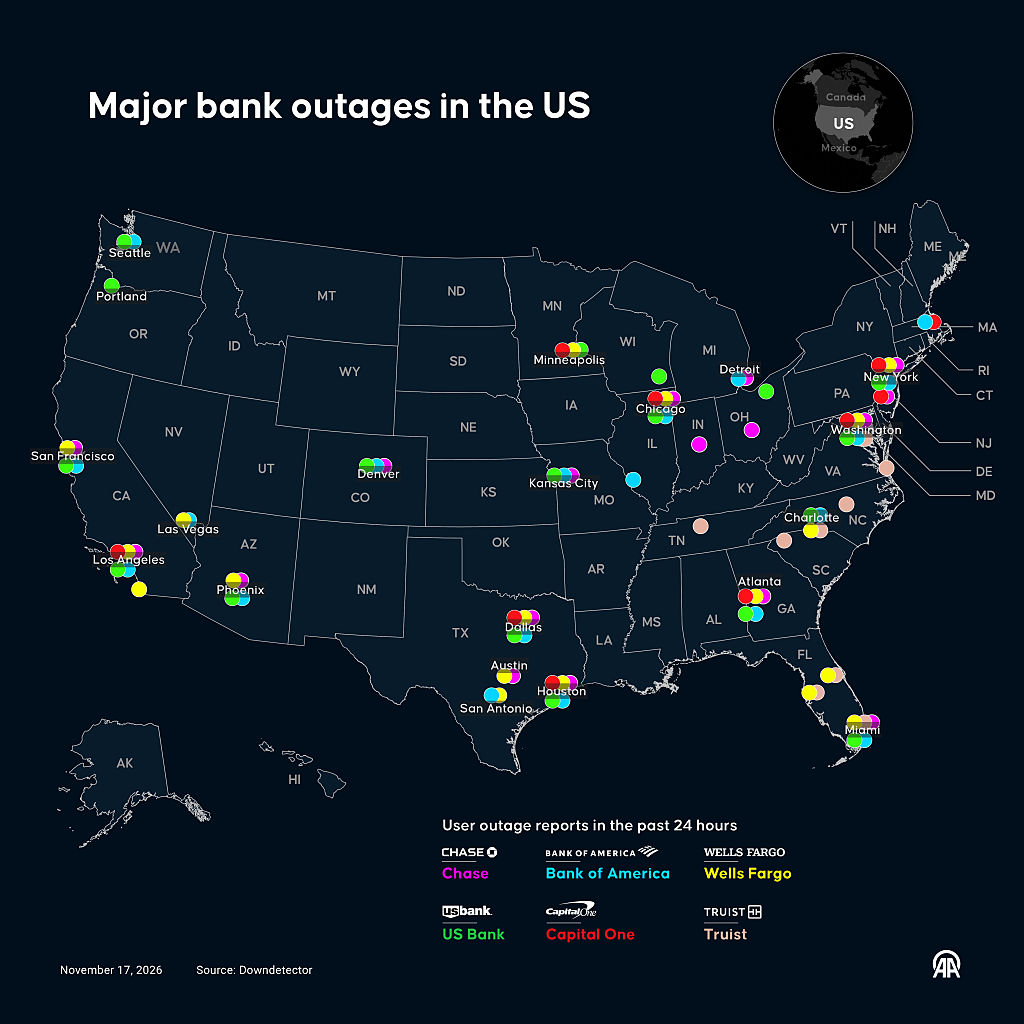
The Money
What they said. Project 2025’s chapter on financial regulation makes its intentions explicit: “Congress should abolish the CFPB and reverse Dodd–Frank Section 1061, thus returning the consumer protection function of the CFPB to banking regulators.” Its Treasury chapter also supports legislation to “merge the Office of the Comptroller of the Currency, the Federal Deposit Insurance Corporation, the National Credit Union Administration, and the Federal Reserve’s non-monetary supervisory and regulatory functions.”
What happened. Congress did not abolish the Consumer Financial Protection Bureau, but the administration pursued measures that threatened its ability to function. NPR reported that acting director Russell Vought ordered employees to stop working in February 2025. By April, approximately 1,400 employees had received layoff notices that would have reduced the agency’s workforce to roughly 200 people. A federal judge blocked those layoffs and subsequently described the administration as “actively and unabashedly trying to shut the agency down.” Congress later reduced the bureau’s budget by nearly half.
Other federal banking regulators have experienced similar reductions. According to Banking Dive, the FDIC approved a 2026 budget eliminating 328 examiner positions, leaving the agency with 13 percent fewer risk examiners and 21 percent fewer compliance examiners. Bloomberg Law also reported that the Office of the Comptroller of the Currency, which oversees major institutions including Chase, Wells Fargo and Bank of America, has lost approximately 30 percent of its workforce since the president took office.
For families with financial flexibility, losing access to their money for a day may be frustrating. For families living paycheck to paycheck, that same disruption can determine whether rent gets paid, a bill becomes overdue, or an already fragile financial situation grows more difficult. The consequences of institutional failures are rarely distributed equally, which makes strong consumer protections all the more important.
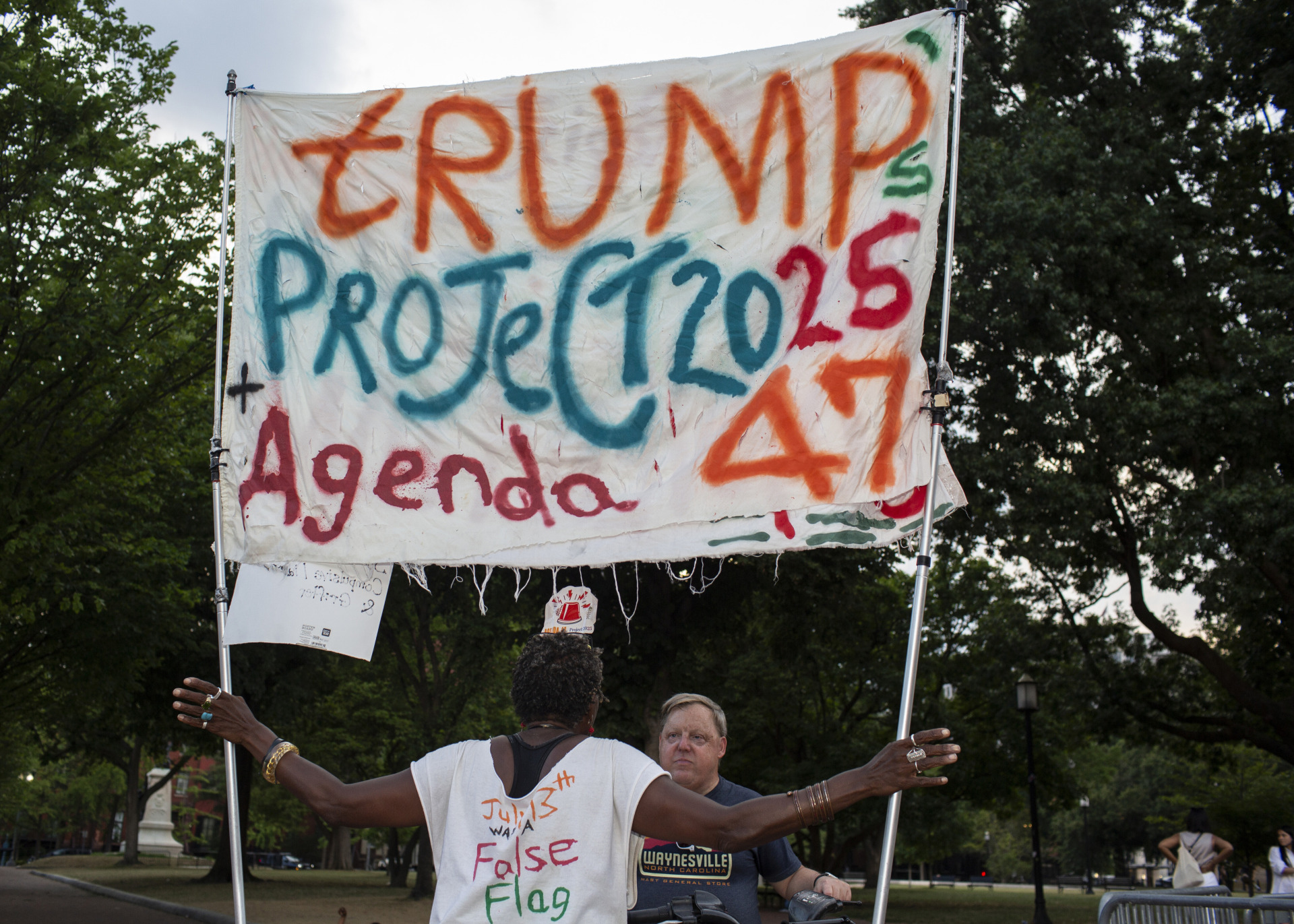
The People
Behind every staffing figure is a person whose work helped sustain a system that millions of Americans depend upon, often without ever knowing their name.
The Government Accountability Office found that the federal workforce across 22 major agencies declined by nearly 256,000 employees, or more than 11 percent, between December 2024 and January 2026. Those reductions also carried significant racial disparities. University of Maryland labor economist Brandon Enriquez found that DOGE’s workforce cuts “disproportionately affected” Black women, reducing their federal employment by an estimated 25 percent, with no statistically significant effect identified among other racial, gender, educational, or age groups. As Nextgov/FCW reported, his findings concluded that the layoffs increased racial inequality.
For generations, federal employment has represented an important pathway into the Black middle class, providing economic stability, retirement security, and opportunities for public service at a time when other professional doors were often closed.
The Receipts Are In
When EBONY last examined Project 2025, we ended with a question about what we were prepared to do in response. Nearly two years later, that question carries greater urgency because we can now see how many of the blueprint’s priorities have moved from written proposals into governing decisions.
Responding begins with refusing to accept “no evidence of a cyberattack” as the end of the conversation. It requires demanding that the FAA publicly release its findings from November 13, expecting meaningful explanations from the companies whose systems failed and holding elected officials accountable for the budgets that determine whether federal agencies can fulfill their responsibilities. We should be asking who is monitoring the systems that sustain our daily lives and whether those people have the resources, authority, and institutional support to do their jobs effectively.
We must also resist the temptation to treat these developments as isolated incidents disconnected from larger policy decisions. Project 2025 was never a rumor circulating on social media. It was a published manifesto, a blueprint that explicitly identified agencies to consolidate or abolish while proposing that the institution responsible for keeping our skies safe should operate more like a business. What it failed to adequately address was how the public would be protected when those systems experienced failures.
James Baldwin warned about the dangers of closing our eyes to reality, particularly when the consequences of our collective indifference are already unfolding around us. We have the blueprint, we have the policy decisions, and we now have enough evidence to ask harder questions about the future of the institutions we depend upon.
The responsibility before us is to do more than recognize what is happening. We must decide what accountability should look like and whether we are willing to demand it.